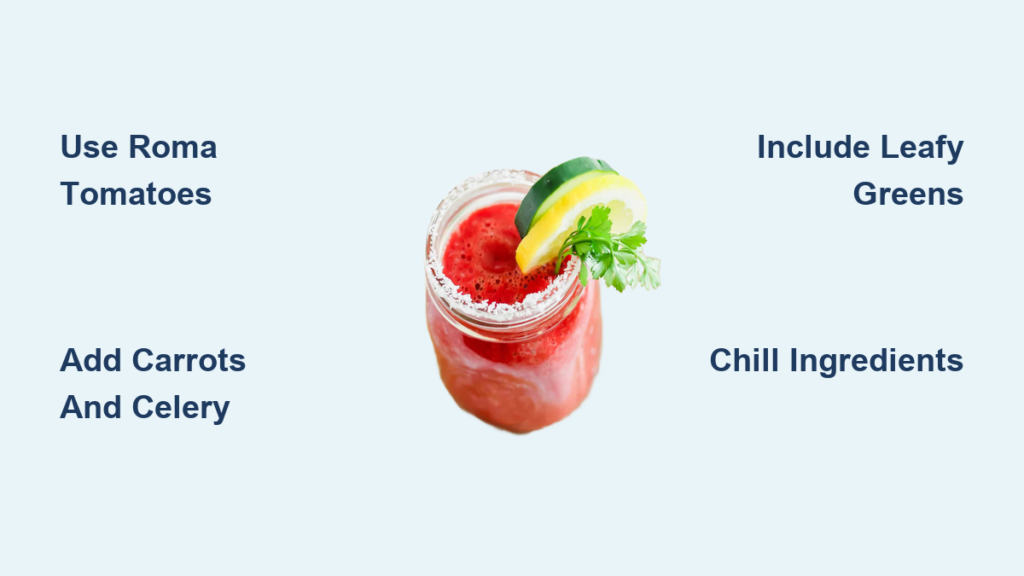
You don’t need store-bought V8 to enjoy that familiar vegetable juice experience. With the right juicer and fresh produce, you can create a vibrant, nutrient-packed V8-style juice that rivals the commercial version—without preservatives or added salt. While you can’t perfectly replicate the trademarked V8 beverage at home (it uses tomato concentrate and specific processing methods), you can craft a delicious homemade alternative that captures that signature savory-sweet flavor profile.
Making vegetable juice at home gives you complete control over ingredients and freshness. Unlike bottled versions that lose nutrients during processing and storage, your homemade juice delivers maximum nutritional value the moment it’s made. Whether you’re a juicing novice or looking to perfect your technique, understanding how to balance vegetables for that authentic V8 taste will transform your morning routine.
Why Your Homemade V8-Style Juice Tastes Different
The commercial V8 beverage uses tomato concentrate as its base rather than fresh tomatoes, which creates a distinct flavor profile that’s challenging to replicate with home juicing alone. Campbell’s V8 contains specific ratios of various vegetable juices and concentrates that have been perfected over decades. When you juice fresh vegetables at home, you’re working with whole produce in its natural state, which yields a brighter, fresher taste but lacks the concentrated depth of the bottled version.
Freshly juiced tomatoes contain more water content than tomato concentrate, resulting in a lighter texture. The enzymatic processes that occur during commercial production create flavor compounds that simple juicing can’t duplicate. However, by understanding these differences, you can adjust your expectations and technique to create a satisfying homemade alternative that captures V8’s essence while offering superior freshness.
Essential Vegetables for Authentic V8-Style Flavor
Tomatoes: The Foundation of Your Juice
Roma tomatoes work best for V8-style juice because they have less water content than beefsteak varieties, yielding a richer, more concentrated flavor. Choose tomatoes that feel heavy for their size with smooth, unblemished skin—they should give slightly when gently squeezed. Avoid refrigerating tomatoes before juicing, as cold temperatures degrade their flavor compounds. For best results, use tomatoes at room temperature but juice immediately after preparation to prevent oxidation.
Carrots and Celery: The Sweet-Savory Balance
Carrots provide the natural sweetness that balances tomato’s acidity, while celery contributes the distinctive savory note that defines V8’s character. Select carrots with bright orange color and firm texture—avoid those with cracks or soft spots. For celery, look for crisp stalks with vibrant green leaves still attached. Don’t discard the leaves; they contain concentrated flavor and nutrients. When preparing, cut carrots into chunks that fit your juicer’s feed tube, and separate celery stalks for optimal feeding.
Greens: The Secret Flavor Enhancers
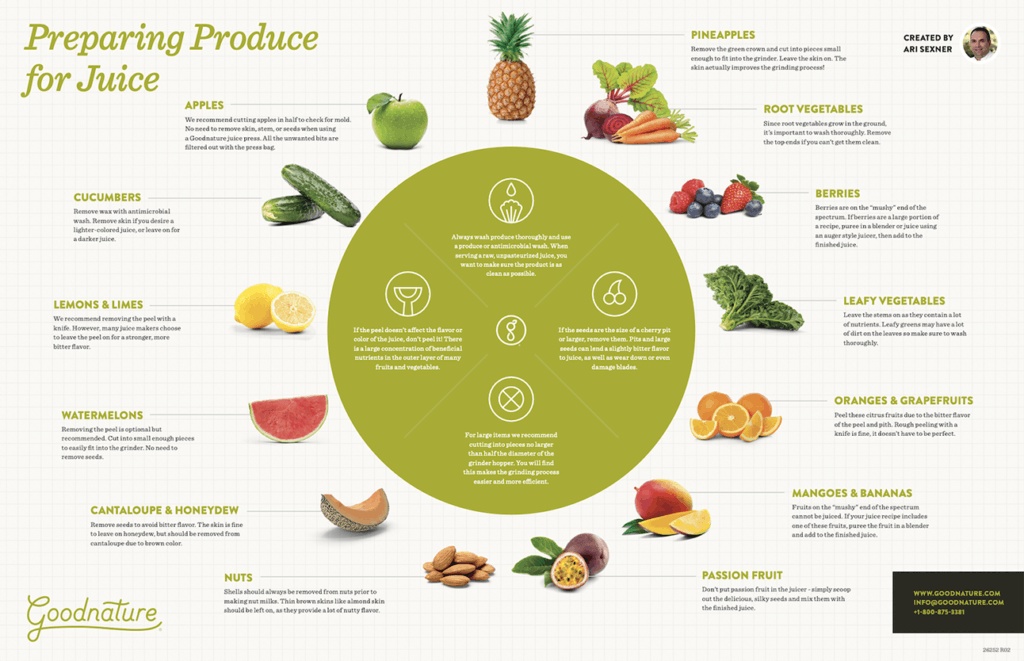
Romaine lettuce, spinach, and parsley add nutritional depth without overwhelming the blend. Romaine works better than iceberg for juicing because it contains more water and nutrients. Use the entire romaine heart, including the core, which often gets discarded but yields surprising amounts of juice. For spinach, younger leaves provide milder flavor, while mature leaves offer more intense taste. Parsley stems contain more flavor than leaves, so include them in your juice rather than discarding.
Best Juicers for V8-Style Vegetable Blends

Masticating Juicers: Maximum Nutrient Retention
Masticating juicers slowly crush produce between a rotating auger and screen, extracting juice with minimal heat and oxidation. This method preserves more nutrients and enzymes compared to high-speed juicers. For V8-style blends, look for models with dual-stage extraction that first crushes then presses vegetables for maximum yield. The wider feed chutes on premium models accommodate whole carrots and tomatoes without pre-cutting, saving significant preparation time.
Centrifugal Juicers: Speed vs. Quality Trade-Off
Centrifugal juicers process vegetables quickly using high-speed spinning blades but generate more heat and oxidation. While convenient for daily use, they typically yield 10-15% less juice from leafy greens and fibrous vegetables like celery. If using a centrifugal model for V8-style juice, alternate soft tomatoes with firmer carrots to maintain consistent feeding and prevent clogging. Models with variable speed settings work best, allowing you to use lower speeds for leafy greens and higher speeds for harder vegetables.
Triturating Juicers: The Professional Option
Twin-gear triturating juicers represent the gold standard for vegetable juice extraction. Their interlocking gears crush produce at extremely slow speeds, preserving maximum nutrients while extracting every drop of juice. Though more expensive and slower to operate, they handle the fibrous components of celery and beet greens with exceptional efficiency. For serious juicing enthusiasts committed to daily V8-style production, the superior yield and juice quality often justify the investment.
V8-Style Juice Recipe for Home Juicers
Basic Vegetable Proportions for Authentic Flavor
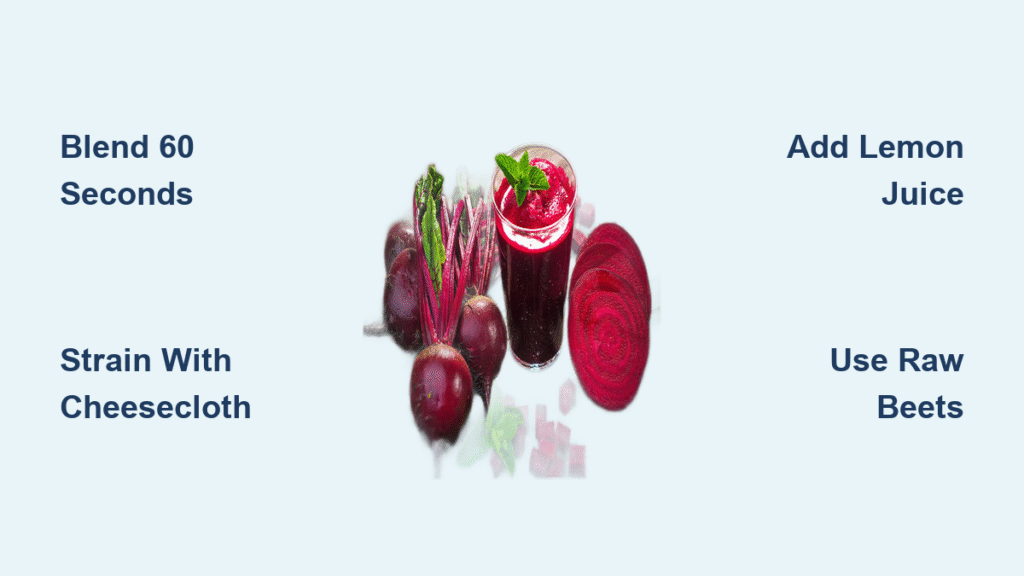
Process 6 large Roma tomatoes, 3 medium carrots, 4 celery stalks with leaves, and ½ small beet through your juicer. The tomatoes form the liquid base, while carrots and beets add sweetness and color. Celery contributes the savory backbone that defines V8’s flavor profile. This ratio creates approximately 48 ounces of juice—enough for multiple servings while maintaining proper vegetable balance.
Greens Addition for Nutritional Boost
Add 2 cups of romaine lettuce (including the core), 1 cup of fresh spinach, and a small handful of parsley (including stems) to your juice blend. These greens significantly enhance nutritional content without dramatically altering the flavor balance. The romaine provides volume and mild flavor, while spinach adds depth and vibrant green color. For best results, alternate feeding leafy greens with firmer vegetables to prevent clogging in your juicer.
Flavor Adjustments for Perfect Taste
Taste your juice before bottling and consider these adjustments: A pinch of sea salt enhances savory notes without making the juice taste salty. For brightness, add lemon juice sparingly—start with half a lemon per batch as too much can overpower the vegetable flavors. If your juice tastes too earthy, increase the carrot ratio in your next batch. If it’s too acidic, add an extra tomato or reduce celery content slightly. Remember that homemade juice flavors evolve over the first 24 hours as flavors meld.
Pro Techniques for Better V8-Style Juice
Ingredient Chilling for Optimal Results
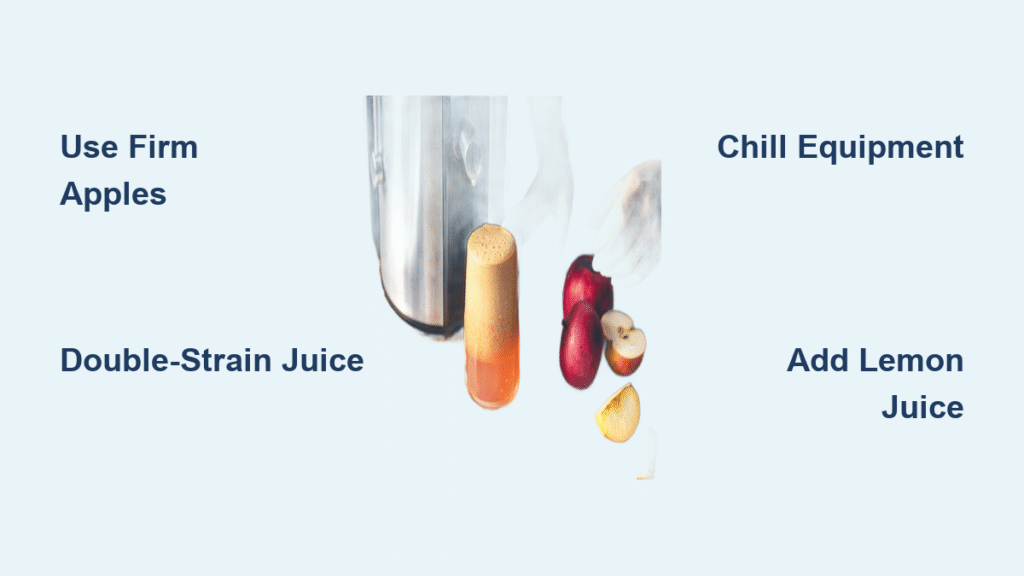
Chill all vegetables in the refrigerator for at least 30 minutes before juicing. Cold produce yields clearer juice with less foam and slower separation. However, avoid freezing vegetables as ice crystals can damage cell structures and affect flavor. The temperature difference between cold produce and room-temperature juicer components creates ideal conditions for clean separation of juice from pulp.
Strategic Feeding Order Matters
Process vegetables in order from softest to firmest: Start with tomatoes, followed by leafy greens, then celery, and finish with carrots and beets. This sequence protects your juicer’s motor and maximizes extraction efficiency. Alternate fibrous items like celery with softer produce to prevent clogging and ensure consistent juice flow. For masticating juicers, feed produce steadily without forcing to maintain optimal pressure.
Storage Techniques for Maximum Freshness
Store homemade V8-style juice in airtight glass containers filled to the top to minimize air exposure. Properly stored juice remains fresh for 3-4 days in the refrigerator, though peak flavor occurs within the first 24 hours. Add a squeeze of lemon juice before sealing to slow oxidation and preserve color. Shake well before serving as natural separation is normal. For longer storage, freeze portions in ice cube trays then transfer to freezer bags for up to 3 months.
Common Homemade V8 Mistakes to Avoid

Using the Wrong Tomato Variety
Beefsteak tomatoes contain too much water, yielding thin juice that lacks concentration. Stick with Roma or plum tomatoes for better flavor intensity. Avoid canned tomatoes—they’ve already been processed and won’t yield proper juice when run through your juicer. Never use tomato paste or sauce as substitutes; these have completely different properties than fresh produce.
Skipping Vegetable Prep Steps
Remove tough celery strings with a vegetable peeler before juicing—they can clog your machine and create unpleasant texture. Peel beets to avoid earthy bitterness, but leave carrot skins intact as they contain valuable nutrients. Core tomatoes to remove hard central portions that yield little juice but can affect flavor. Taking these small preparation steps significantly improves both juice quality and machine performance.
Ignoring Juicer Cleaning Protocol
Run a cleaning cycle with water immediately after juicing while components are still wet. Vegetable pulp dries quickly and becomes difficult to remove, potentially damaging seals and screens over time. For stubborn residue, use a soft brush with mild dish soap—never abrasive cleaners that can scratch components. Regular maintenance ensures consistent performance and extends your juicer’s lifespan.
Making Your V8-Style Juice Nutritionally Superior
Homemade vegetable juice delivers significantly more live enzymes and nutrients than commercial versions. The lycopene in tomatoes becomes more bioavailable when processed, supporting heart health and potentially reducing cancer risks. Carrots provide beta-carotene that converts to vitamin A in your body, while celery contributes potassium that supports healthy blood pressure.
Unlike store-bought V8, which contains added sodium (approximately 480mg per 8oz serving), your homemade version lets you control salt content entirely. For those monitoring sodium intake, this represents a substantial health advantage. The absence of preservatives means your juice delivers pure, unadulterated vegetable nutrition without any processing compromises.
Creating V8-style juice at home rewards you with fresher flavor, better nutrition, and significant cost savings compared to store-bought versions. Start with the basic recipe proportions, then adjust based on your taste preferences and available produce. The investment in quality ingredients and a suitable juicer pays dividends with every glass of vibrant, nourishing vegetable juice you enjoy. Experiment with small batch variations to discover your perfect homemade V8-style blend that becomes a staple in your healthy lifestyle.