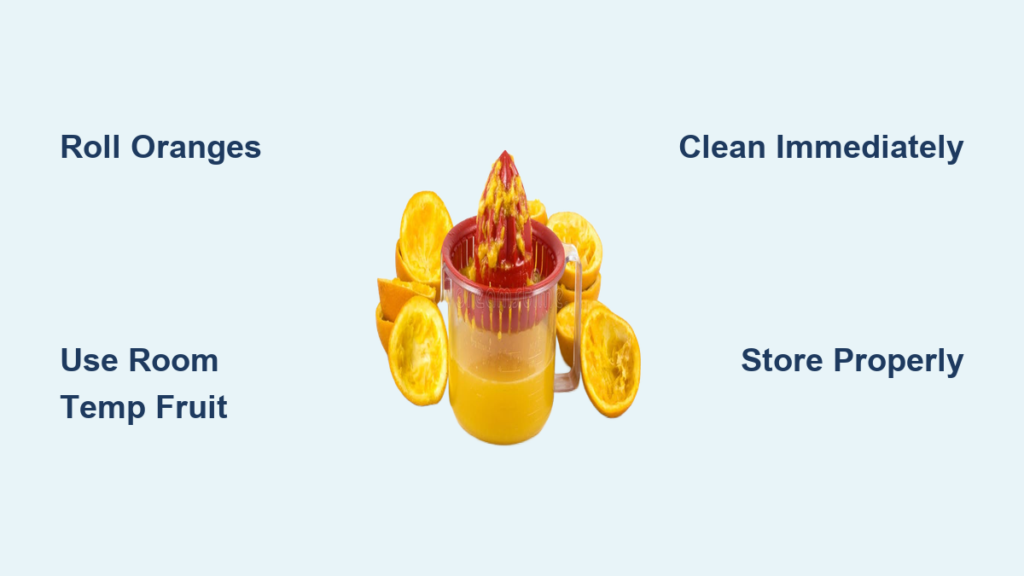
There’s nothing quite like the taste of freshly squeezed orange juice, especially when it flows effortlessly from your juicer. Whether you’re looking to boost your vitamin C intake, start your morning with a burst of energy, or simply enjoy nature’s candy in liquid form, mastering your orange juicer opens up a world of refreshing possibilities. Many people don’t realize that their orange juicer can do much more than produce standard OJ—these versatile machines can transform ordinary citrus into extraordinary beverages that cater to every palate and occasion. In this guide, you’ll discover creative ways to maximize your orange juicer’s potential, from simple single-fruit juices to complex blends that will elevate your daily routine.
The beauty of fresh orange juice lies in its simplicity and adaptability. Unlike store-bought versions loaded with preservatives and added sugars, juice made in your own kitchen contains nothing but pure, vibrant flavor. When you press that lever or activate your juicer, you’re not just making a drink—you’re unlocking enzymes and nutrients that begin to degrade the moment the fruit is processed. This is why timing matters: juice tastes best when consumed immediately after extraction. As you’ll learn throughout this guide, small tweaks to your technique, ingredient combinations, and even the temperature of your fruit can dramatically impact the quality of your final product. Let’s explore how to transform your ordinary orange juicing routine into an extraordinary daily ritual.
Choosing the Perfect Oranges for Your Juicer

Valencia vs. Navel: Which Orange Works Best
Your juice starts with the fruit you select, and not all oranges perform equally in juicers. Valencia oranges reign supreme for juicing purposes with their thin skins, high juice content, and late-season availability that extends through summer. These oranges typically yield 30-50% more juice than their navel counterparts due to their lower pulp content and thinner membranes. When shopping, look for fruits that feel heavy for their size—a sure sign of abundant juice inside. Avoid oranges with soft spots, blemishes, or overly thick skins that will reduce your yield. For best results, bring your oranges to room temperature before juicing; cold fruit produces significantly less juice as the membranes tighten in cooler temperatures.
Preparing Oranges for Maximum Juice Extraction
The simple act of preparation can dramatically increase your juice yield. Before placing oranges in your juicer, gently roll each one across your countertop using the palm of your hand. This technique breaks down internal membranes without piercing the skin, potentially increasing juice extraction by up to 20%. For centrifugal juicers, cut oranges in half crosswise for optimal contact with the juicing mechanism. Masticating juicers often work better with quartered fruit, especially when processing larger varieties. Remove any seeds you can see, as they can impart bitterness to your juice. Consider this pro tip: slightly warming your oranges in a bowl of warm water for 30 seconds can further enhance juice flow without compromising nutritional value.
Basic Orange Juice Techniques for Every Juicer Type
Centrifugal Juicer Method for Quick Morning OJ
Centrifugal juicers work by spinning fruit at high speeds to separate juice from pulp. For perfect results with this common juicer type, cut your room-temperature oranges in half and press firmly against the feeding chute. Use the plunger to steadily guide the fruit through the mechanism—rushing this process creates foam and reduces yield. Expect to process 4-6 medium oranges for an 8-ounce glass of pure orange juice. The high-speed action oxidizes the juice more quickly, so drink within 20 minutes for optimal flavor and nutrient retention. Clean your juicer immediately after use, as dried orange pulp becomes difficult to remove from the mesh filter.
Masticating Juicer Approach for Premium Quality Juice
Masticating juicers operate at slower speeds, preserving more nutrients and producing less foam. To maximize your yield with this type, quarter your oranges and feed them steadily into the chute. The slow grinding action extracts more juice while maintaining enzymes that begin breaking down at higher temperatures. Masticating juicers typically yield 15-25% more juice than centrifugal models due to their thorough extraction process. The resulting juice stays fresh longer—up to 48 hours when properly stored—making this method ideal for meal preppers. For best results, alternate orange pieces with a small piece of ginger to help push through any remaining pulp and increase overall yield.
Creative Orange Juice Combinations to Try Today

Citrus Harmony: Orange-Grapefruit Blend
Combine the bright sweetness of orange with the complex bitterness of grapefruit for a sophisticated morning beverage. Use a 2:1 ratio of orange to grapefruit (for example, 4 oranges to 2 grapefruits) to balance the flavors perfectly. Peel both fruits completely, removing all white pith which can make the juice unpleasantly bitter. Process through your juicer as you would regular oranges. This combination provides a wider spectrum of citrus bioflavonoids while moderating the intense acidity of grapefruit alone. Add a small pinch of sea salt to enhance the natural sweetness without adding calories. This blend works particularly well in masticating juicers which handle the slightly tougher grapefruit membranes more effectively.
Tropical Escape: Orange-Pineapple Fusion
Transform your standard orange juice into a vacation in a glass with this simple tropical variation. Alternate chunks of peeled pineapple with orange segments in your juicer feed chute. The pineapple’s natural enzymes help break down orange pulp for smoother juice while adding complementary sweetness. For an 8-ounce serving, use 3 oranges and 1 cup of fresh pineapple chunks. This combination creates a juice with natural electrolytes perfect for post-workout recovery. If your juicer struggles with pineapple’s fibrous texture, freeze the pineapple chunks first—this helps break down the fibers during processing. The resulting juice has a vibrant sunset color and a refreshing aroma that instantly elevates your morning routine.
Nutritional Enhancements for Health-Conscious Juicers

Green Boost: Orange with Leafy Greens
Don’t let the color fool you—adding greens to orange juice creates a surprisingly palatable and nutrient-dense beverage. Start with a base of 3-4 oranges, then add 1-2 cups of packed spinach or kale through your juicer. The natural sweetness of orange completely masks any “green” flavor while providing a powerful nutritional upgrade. This combination delivers vitamin C for iron absorption from the greens, creating a synergistic nutritional effect. For best results with centrifugal juicers, roll leafy greens into tight bundles before feeding them after a piece of orange to help them process properly. The resulting juice maintains the vibrant orange color with just a slight emerald hue, making it visually appealing even to juice skeptics.
Immunity Powerhouse: Orange-Ginger-Turmeric Elixir
Create a potent wellness shot by combining orange juice with anti-inflammatory ingredients. Process 2 oranges through your juicer, then add a 1-inch piece of fresh ginger and a ½-inch piece of turmeric root. The orange juice base makes these potent ingredients palatable while enhancing absorption of fat-soluble compounds. For maximum benefits, add a small pinch of black pepper and a teaspoon of coconut oil to your finished juice—the piperine in pepper increases curcumin absorption by up to 2,000%. This combination provides natural relief during cold and flu season while offering daily immune support. Store any extra in an airtight container with a thin layer of olive oil on top to prevent oxidation.
Cleaning and Maintenance for Peak Orange Juicer Performance
Immediate Post-Juicing Cleaning Protocol
Orange residue dries quickly and becomes challenging to remove, making immediate cleaning essential. While your juicer is still damp, disassemble all parts and rinse under warm running water to remove pulp and fibers. For centrifugal juicers, pay special attention to the mesh filter where orange membranes tend to lodge. Soak parts in warm, soapy water for 5-10 minutes before gently scrubbing with a soft brush—never use abrasive materials that could damage the mesh. For stubborn orange buildup, create a cleaning solution of equal parts water and white vinegar, letting parts soak for 15 minutes before rinsing thoroughly. Always dry components completely before reassembly to prevent mold growth in crevices.
Monthly Deep Cleaning for Longevity
Beyond daily maintenance, schedule a monthly deep cleaning session to maintain optimal performance. For plastic components showing orange staining, create a paste of baking soda and water, applying it to affected areas and letting it sit for 30 minutes before gentle scrubbing. Stainless steel parts can handle more vigorous treatment with a diluted citric acid solution to break down mineral deposits from hard water. Check your juicer’s manual for specific guidance on motor maintenance—some models require occasional lubrication of moving parts. Proper care extends your juicer’s lifespan significantly, ensuring you continue extracting maximum juice from every orange without compromised performance.
Storing Your Fresh Orange Juice for Later Enjoyment
Short-Term Storage Techniques
When you must store orange juice, proper technique preserves flavor and nutrients. Immediately after juicing, pour your creation into a glass container filled to the very top to minimize air exposure, then seal tightly. Adding a thin layer of olive oil on the surface creates a barrier against oxidation. Store in the refrigerator for no longer than 24-48 hours, as vitamin C degrades rapidly once exposed to air. For centrifugal juicer output, consume within 24 hours due to higher oxidation levels. Masticating juicer juice may last up to 72 hours while maintaining reasonable quality. When serving stored juice, give it a gentle swirl rather than shaking to minimize additional aeration.
Freezing Methods for Long-Term Enjoyment
Freezing preserves orange juice for months while maintaining most nutritional value. Pour freshly made juice into ice cube trays, leaving ¼ inch of space for expansion. Once frozen solid, transfer cubes to airtight freezer bags, removing as much air as possible. Label with date and contents—frozen orange juice maintains quality for 4-6 months. For best results when thawing, place cubes in the refrigerator overnight rather than using heat, which degrades nutrients. Frozen orange juice cubes work perfectly as the base for smoothies or can be thawed for a quick glass of OJ. Consider freezing in recipe-sized portions (like 8-ounce servings) for maximum convenience.
Final Note: With these orange juicer recipes and techniques, you’ve transformed from simply making juice to crafting personalized beverages that cater to your taste preferences and nutritional goals. Remember that the quality of your juice depends as much on your technique as it does on the fruit you select—room temperature oranges, proper preparation, and immediate cleaning all contribute to superior results. Incorporate one new recipe each week to keep your juicing routine exciting while reaping the health benefits of fresh citrus. Whether you’re creating a simple glass of pure orange juice or experimenting with complex blends, your juicer has become an indispensable tool for daily wellness. For best results, make juicing a consistent habit rather than an occasional treat—your body will thank you for the regular influx of vitamins, enzymes, and antioxidants that only fresh, properly prepared orange juice can provide.