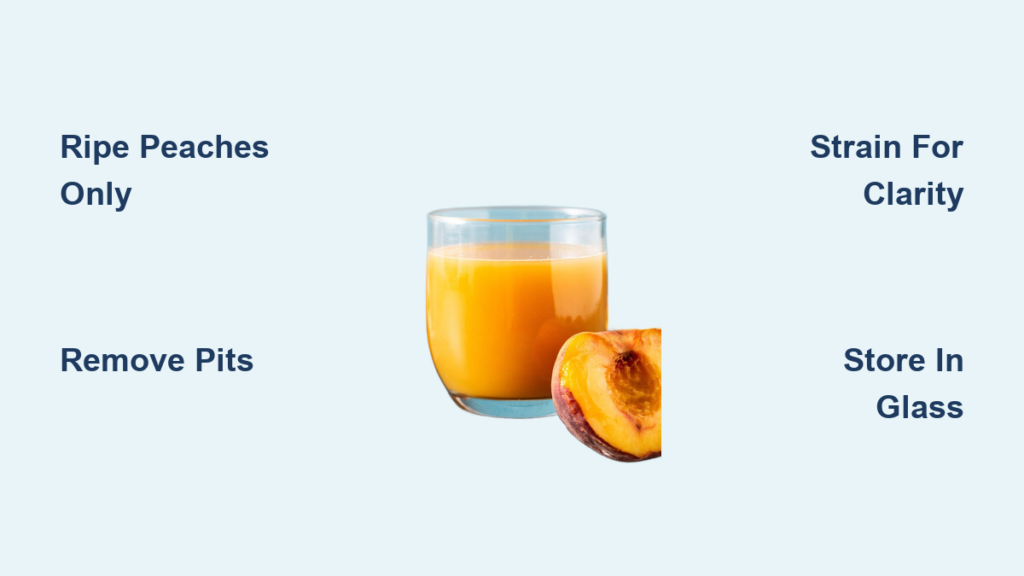
There’s nothing quite like sipping homemade peach juice that bursts with the sweet, sun-ripened flavor of summer. Making peach juice at home with your juicer unlocks vibrant taste and nutrition you’ll never find in store-bought versions loaded with preservatives and artificial sweeteners. Whether you’re using a centrifugal model, masticating juicer, or even a simple manual press, you can create restaurant-quality peach juice in minutes with just a few fresh ingredients.
This guide reveals the precise techniques for transforming ripe peaches into crystal-clear, perfectly balanced juice every time. You’ll discover how to select the juiciest fruit, prepare peaches for maximum yield, troubleshoot common issues, and store your creation for lasting freshness. By the end, you’ll have everything needed to make peach juice that consistently delights your palate and impresses guests.
Selecting and Preparing Peaches for Maximum Juice
Choosing Perfectly Ripe Juicing Peaches
The secret to exceptional peach juice begins at the market with careful fruit selection. Reach for peaches that yield slightly when gently pressed near the stem—these contain optimal sugar development without becoming mushy. A strong, sweet fragrance indicates peak ripeness far better than color alone, as some varieties remain greenish even when fully ripe.
For juicing specifically, slightly underripe peaches often work better than those perfectly ripe for eating. They contain more pectin and structural integrity, producing clearer juice with better body, while fully ripe peaches can create overly thick, cloudy results. Avoid rock-hard specimens though, as they’ll yield bitter juice with minimal liquid extraction.
Proper Washing and Cutting Techniques
Wash peaches thoroughly before juicing to remove surface contaminants. Fill your sink with cold water, add one tablespoon of white vinegar, and soak peaches for 2-3 minutes. Agitate gently to dislodge dirt, then rinse under running water and pat dry with clean towels.
Remove stems and any damaged areas that could impart off-flavors. While you can juice peaches with skin on for added nutrients, be aware that non-organic peach skin may contribute slight bitterness. Always remove pits completely before juicing—never feed whole peaches into your machine as the hard stone can damage blades and create dangerous projectiles. Cut peaches into quarters or eighths that fit your juicer’s feed tube.
Optimizing Your Juicer for Peach Juice Extraction
Centrifugal Juicer Techniques
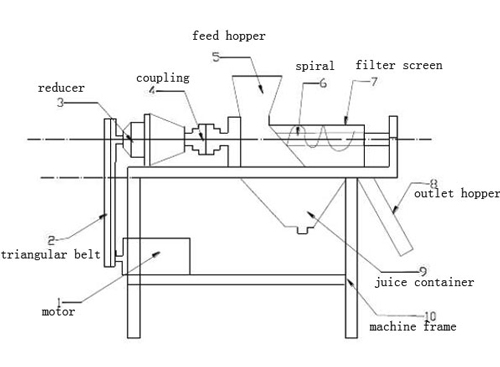
Centrifugal juicers work well for peach juice but require specific techniques for best results. Always operate at maximum speed with a clean, dry filter basket to ensure efficient separation. Feed peach pieces slowly and steadily—overloading causes clogs while underfeeding creates inconsistent extraction.
Expect some foam formation with centrifugal models due to high-speed processing. Let the juice rest for 5-10 minutes after juicing, then skim off excess foam or stir it back in depending on your texture preference. Straining through cheesecloth produces clearer juice by removing fine pulp particles that centrifugal extraction tends to leave behind.
Masticating Juicer Best Practices
Masticating juicers excel at extracting maximum juice from peaches while preserving nutrients and flavor. Feed peach pieces at a steady pace that matches your machine’s processing speed—neither too fast (causing jams) nor too slow (reducing extraction efficiency). The slower, gentler process yields more liquid and creates juice that stays fresh significantly longer than centrifugal extraction.
For optimal results with masticating juicers, cut peaches into consistent 1-inch pieces that fit comfortably through the feed chute. Process in batches rather than attempting to juice all pieces at once, and pause occasionally to clear any pulp buildup around the auger. This method typically produces 20-30% more juice than centrifugal models with superior flavor clarity.
Classic Fresh Peach Juice Recipe
Essential Ingredients and Setup
For a perfect 4-serving batch of pure peach juice, gather 4-6 large ripe peaches (about 2 pounds), the juice of 1 lemon, and optional sweetener like 1 tablespoon honey. You’ll need your juicer, a large collecting container, fine mesh strainer, and storage bottles.
Wash and dry peaches thoroughly, remove stems, then cut each in half and twist to separate. Carefully remove pits with a small knife and slice halves into quarters. Roll the lemon firmly on your counter to loosen juices before cutting in half.
Step-by-Step Juicing Process
Position your juicer on a stable surface with the collection container properly aligned. Turn on the machine and begin feeding peach pieces slowly, using the tamper to guide fruit toward the extraction mechanism without forcing. Allow each piece to process completely before adding more.
As juice collects, monitor for pulp buildup and pause occasionally to clear the filter. Once all peaches are processed, add lemon juice to the container and stir gently to combine. The lemon brightens flavor and helps maintain vibrant color while extending freshness.
Finishing Touches and Serving
Fresh peach juice naturally separates due to its high pectin content—simply shake or stir before serving to redistribute settled solids. For smoother texture, strain through a fine mesh strainer, pressing gently with a spatula to extract maximum liquid while leaving fibrous pulp behind.
Taste and adjust as needed: add more lemon for brightness if the juice tastes flat, or a touch of honey if it’s too tart. Serve immediately over ice for peak freshness, or refrigerate in airtight containers for up to three days. The juice develops more complex flavor as it chills, making it even better the next day.
Popular Peach Juice Variations to Try
Peach-Apple Blend for Balanced Flavor
Combine 2 parts peaches with 1 part apples for a juice with perfect sweet-tart balance. Granny Smith apples add refreshing acidity that complements peach sweetness while increasing juice yield. This blend works in any juicer type and stays fresh longer due to the apple’s natural preservative qualities.
Process both fruits together through your juicer for seamless integration of flavors. The apple’s higher liquid content helps extract more juice from the peaches while contributing its own aromatic complexity to the final product.
Peach-Ginger Sparkler for Added Zing
Add a 2-inch piece of peeled fresh ginger to your peaches for a juice with warming spice and digestive benefits. Juice both ingredients together, starting with less ginger and adjusting to taste since the flavor intensifies over time. For a sparkling version perfect for entertaining, mix equal parts strained peach-ginger juice with club soda just before serving.
The effervescence cuts through peach’s natural sweetness, creating a sophisticated spritzer that works beautifully at brunches or outdoor gatherings. This variation also makes an excellent base for summer cocktails when combined with white rum or vodka.
Troubleshooting Common Peach Juice Problems
Fixing Bitter or Cloudy Juice
Bitterness usually comes from unripe fruit, damaged areas, or non-organic peach skin. Prevent this by selecting properly ripe peaches, cutting away all bruised sections, and either peeling non-organic fruit or washing extremely thoroughly. If bitterness occurs, dilute with additional peach juice and add a touch of honey to mask harsh notes.
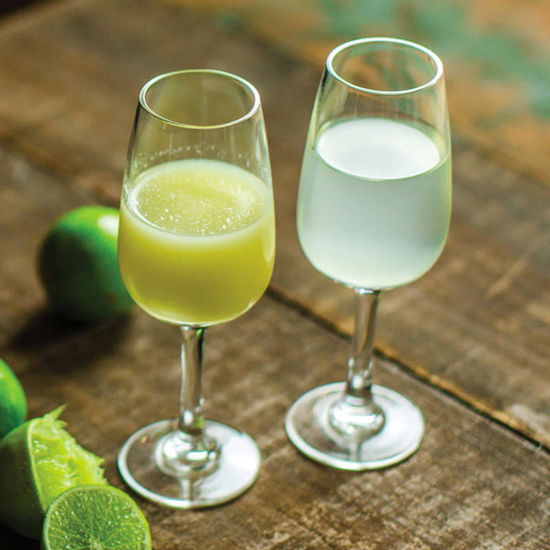
Cloudiness is natural in fresh juice but excessive cloudiness indicates over-processing. Strain through cheesecloth to improve clarity while retaining flavor. Some prefer unfiltered juice for its fuller body and additional nutrients—this is purely a matter of personal preference.
Boosting Low Juice Yield
If your juicer produces less liquid than expected, first check fruit ripeness—underripe peaches simply contain less available juice. For centrifugal juicers, ensure the filter basket is clean and dry before starting, as moisture reduces extraction efficiency. With masticating models, feed fruit at a steady pace that matches the machine’s processing speed.
Stop periodically to clean the filter during large batches—pulp buildup dramatically reduces yield. Cutting peaches into smaller, uniform pieces (about 1-inch cubes) increases surface area exposed to the juicing mechanism, improving extraction rates by up to 25%.
Storing Your Fresh Peach Juice Properly
Refrigeration for Short-Term Freshness
Store juice in glass containers with tight-fitting lids filled to the top to minimize air exposure. Refrigerate immediately and consume within 2-3 days for peak flavor and nutrition. Place containers in the main refrigerator compartment rather than the door, where temperature fluctuations are more pronounced.
Before refrigeration, skim off any foam and remove visible pulp if you prefer clearer juice—these elements break down faster and can introduce off-flavors as they ferment. Always label containers with the date to track freshness.
Freezing for Long-Term Enjoyment
Freeze juice in airtight containers leaving one-inch headspace for expansion, or use ice cube trays for convenient single servings. Frozen peach juice maintains quality for up to six months. Thaw overnight in the refrigerator and shake vigorously before serving to reincorporate separated elements.
Add a splash of fresh lemon juice after thawing to brighten flavors that may have muted during freezing. Frozen peach juice cubes also work wonderfully in smoothies, iced tea, or as a cooling treat on hot days.
Cleaning Your Juicer After Peach Juicing
Immediate Post-Juicing Cleaning Routine
Disassemble all removable parts immediately while pulp is still moist. Rinse under warm running water, using the cleaning brush to reach mesh areas and crevices. For stubborn residue, soak parts in warm soapy water for 10 minutes before gentle scrubbing.
Never use abrasive materials on mesh filters—they damage the fine holes and reduce future extraction efficiency. Dry all components completely before reassembling to prevent mold growth, paying special attention to crevices where moisture can hide.
Preventing Peach Residue Buildup
For peach-specific cleaning, run a few chunks of cucumber or celery through your juicer after finishing—these fibrous vegetables help scrub the mechanism. For deeper cleaning, soak parts in a vinegar solution (1 part white vinegar to 3 parts warm water) for 30 minutes to dissolve stubborn peach sugars and pectin residues.
Regular maintenance prevents peach sugars from hardening in hard-to-reach areas, extending your juicer’s lifespan and ensuring consistent performance for future batches. Store your juicer covered when not in use to prevent dust accumulation in the mesh components.