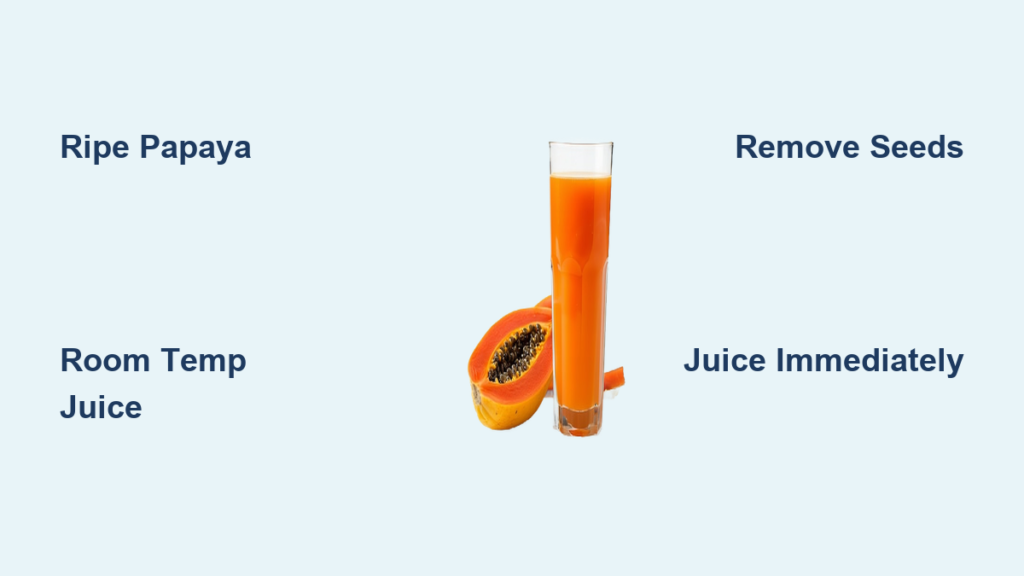
There’s something deeply satisfying about transforming a ripe tropical papaya into a glass of vibrant orange juice. Whether you’re looking to boost your immune system with vitamin C, aid your digestion with natural enzymes, or simply enjoy a refreshing beverage, homemade papaya juice delivers on all fronts. Unlike store-bought versions that often contain added sugars and preservatives, juice made fresh in your own juicer captures the fruit’s peak nutritional value and natural sweetness. This guide walks you through everything from selecting the perfect papaya to troubleshooting common juicing issues, ensuring you get the best results every time you fire up your machine.
Making papaya juice at home is surprisingly straightforward, but the difference between mediocre juice and exceptional juice lies in the details. The ripeness of your fruit, the type of juicer you use, and your technique all impact the final flavor and nutrient content. By following the steps and tips outlined here, you’ll consistently produce juice that’s smoother, more flavorful, and more nutritious than anything you could buy. Let’s explore how to select, prepare, and juice papaya like a pro.
Select Ripe Papaya for Best Juice
The foundation of outstanding papaya juice starts at the grocery store or farmers market. A ripe papaya makes all the difference between juice that’s sweet, smooth, and aromatic versus juice that’s bitter, watery, and unappetizing. Understanding how to identify perfectly ripe fruit is the first skill every papaya juice enthusiast should master.
When shopping for papaya, apply gentle pressure near the stem end with your thumb. The fruit should yield slightly, similar to a ripe avocado, but not feel mushy or overly soft. If the papaya resists pressure entirely, it needs more time to ripen at home. The skin provides crucial visual cues—look for predominantly orange-yellow coloration with minimal green tones. Green areas near the stem or edges indicate latex compounds that create bitter flavors in your juice. The aroma tells you even more: a ripe papaya emits a sweet, fragrant smell at the stem end that’s unmistakable once you’ve experienced it.
Size and weight matter more than most people realize. Papayas between 1 and 2 pounds typically produce the best balance of flavor intensity and juice yield. Smaller fruits often have more concentrated flavor, while larger varieties tend to be watery and less sweet. Always choose fruits that feel heavy for their size, as this indicates high juice content. Inspect the surface carefully, avoiding any papayas with soft spots, bruises, or signs of mold. These indicate overripeness or fermentation, which will ruin your juice’s flavor and potentially introduce harmful compounds.
Essential Juicer Equipment Guide
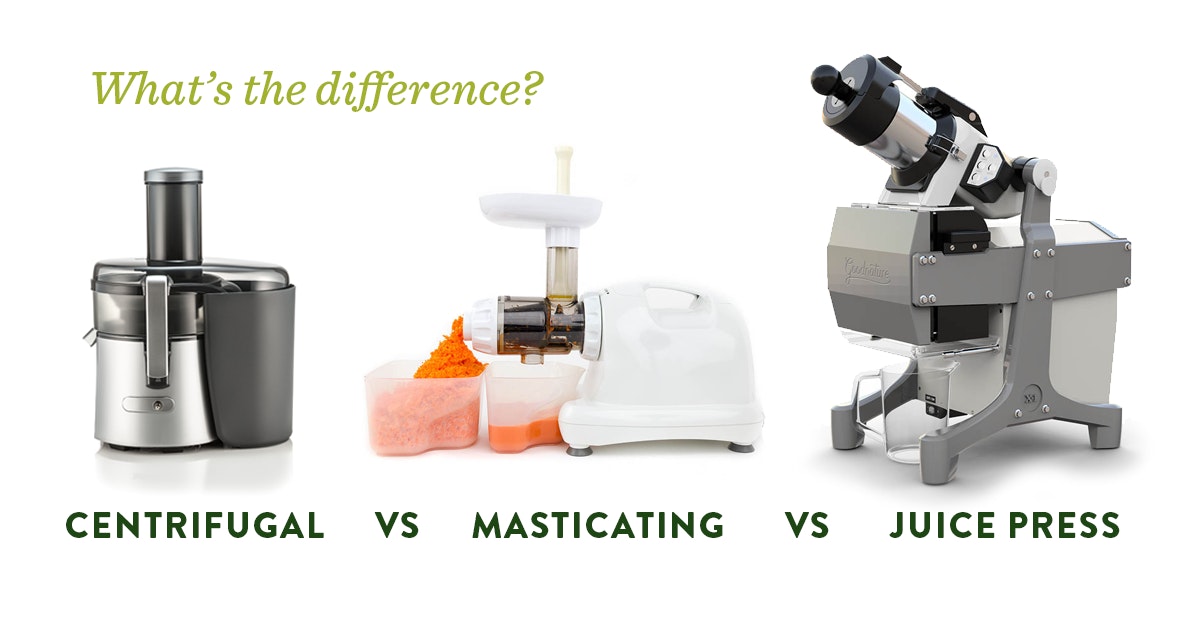
Your choice of juicer significantly impacts both the quality of your papaya juice and the efficiency of the extraction process. Understanding the strengths of different juicer types helps you make informed decisions about equipment and set realistic expectations for your results.
Centrifugal juicers work exceptionally well for papaya due to the fruit’s soft texture. These machines spin a blade at high speeds to separate juice from pulp quickly, typically processing a papaya in under a minute. They’re generally more affordable and widely available, making them an excellent choice for beginners. The trade-off is slightly more oxidation compared to other methods, which means some heat-sensitive enzymes and vitamins degrade faster. For most home users, a centrifugal juicer produces perfectly acceptable results with minimal investment.
Masticating juicers, often called cold-press juicers, represent the premium option for papaya juice production. Operating at slower speeds generates less heat, preserving more of the fruit’s natural enzymes, particularly papain, which aids digestion. The slower extraction process also squeezes more juice from the same amount of fruit, giving you better yield. If you’re serious about maximizing nutritional content and don’t mind a longer processing time, a masticating juicer is worth the investment.
Beyond the juicer itself, gather a few essential accessories before you begin. A sharp stainless steel knife makes cutting through the firm outer skin effortless. A large cutting board protects your counter surface. A sturdy spoon scoops out the seeds efficiently. A fine-mesh strainer helps if your juicer doesn’t separate pulp adequately. Finally, glass containers store your juice without reacting to the natural acids in papaya. Having everything ready before you start ensures a smooth, efficient juicing process.
Classic Papaya Juice Recipe
This basic recipe produces pure, refreshing papaya juice that showcases the fruit’s natural sweetness and vibrant flavor. Once you’ve mastered this foundation, you can move on to the enhanced variations that follow.
Ingredients:
One large ripe papaya (1.5 to 2 pounds) forms the base of this recipe. Optional additions include 1 to 2 tablespoons of fresh lime juice for brightness, 1 to 2 tablespoons of honey or agave nectar if your papaya isn’t fully ripe, a pinch of sea salt to enhance natural sweetness, and ice cubes for serving.
Preparation:
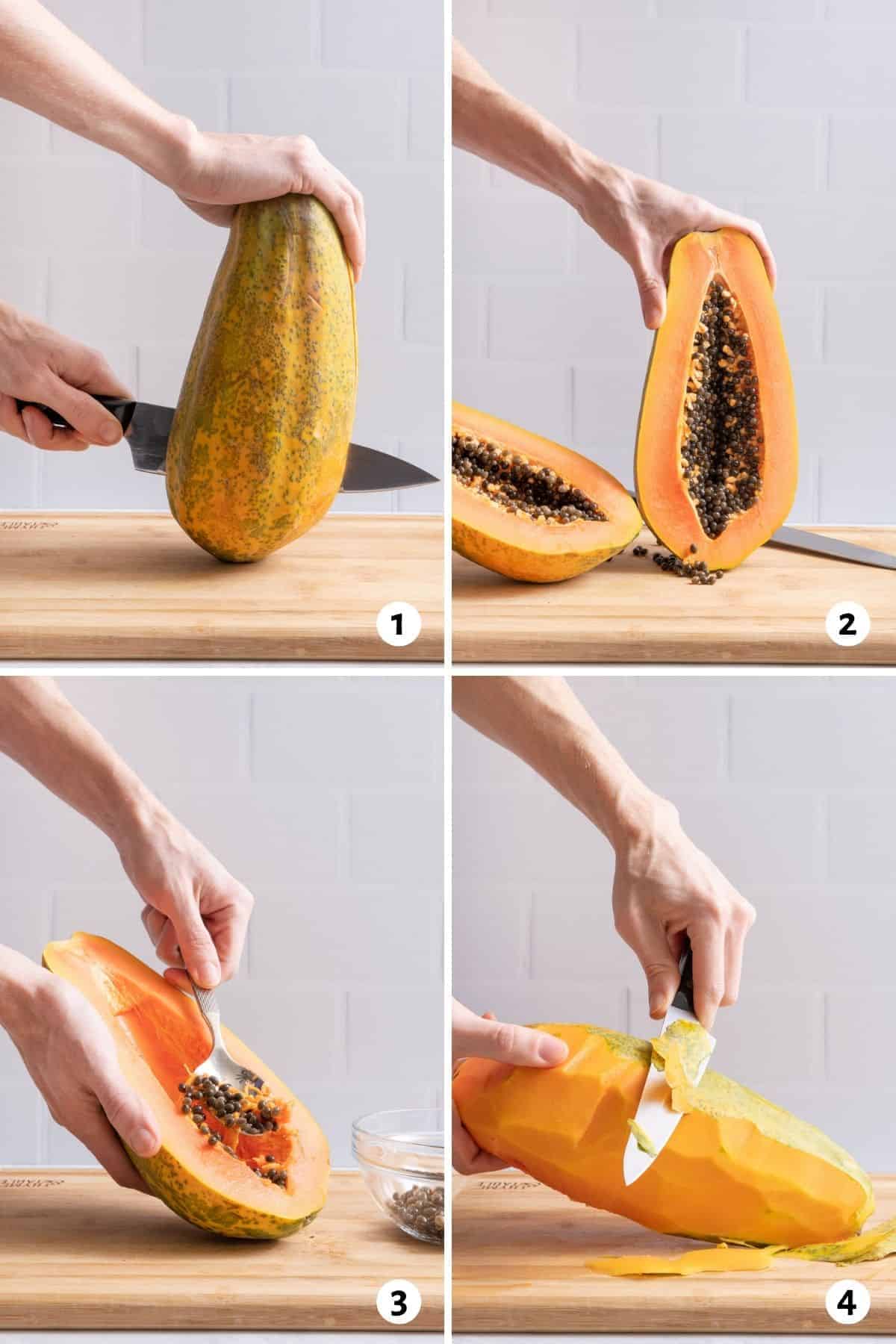
Start by washing the papaya thoroughly under cool running water to remove any surface contaminants or residue. Place the fruit on your cutting board and slice it in half lengthwise with a sharp knife. The papaya should split open cleanly, revealing the central cavity filled with black seeds. Using your spoon, scoop out all the seeds and any stringy fibers clinging to the cavity. These seeds are bitter and unsuitable for juicing, though you can save them for gardening or pest control purposes.
Cut the flesh into chunks roughly 1 to 2 inches in size, small enough to fit easily through your juicer’s feed tube. Inspect each piece for any remaining green areas near the skin or stem—these contain latex compounds that create bitter flavors and should be trimmed away. If your papaya has been refrigerated, let it sit at room temperature for about 30 minutes before juicing, as cold fruit processes less efficiently.
Juicing Process:
Feed the papaya chunks into your juicer according to the manufacturer’s instructions. For centrifugal juicers, use the highest speed setting. For masticating juicers, use the standard speed setting. Use the tamper or plunger to push the fruit through steadily, but avoid forcing it if the machine slows significantly. The juice flows into your collection container while dry pulp exits separately. Papaya produces relatively dry pulp due to its high water content and soft texture, which indicates efficient extraction.
Serving Suggestions:
Pour the juice immediately into a glass and enjoy while fresh. Add lime juice to brighten the flavor and help prevent oxidation. If you prefer sweeter juice, stir in honey or agave nectar to taste. A pinch of sea salt actually amplifies the natural fruit sweetness. Serve over ice for a refreshing cold beverage, or at room temperature if you prefer.
Tropical Papaya Juice Variations
Once you’ve perfected the basic recipe, these enhanced combinations introduce exciting tropical flavors that transform simple papaya juice into destination beverages.
Tropical Papaya Sunrise:
This creamy, satisfying blend combines papaya with banana and citrus for a breakfast-worthy drink. Process 2 cups of papaya chunks with 1 ripe banana, 1/2 cup fresh orange juice, and 1/4 cup coconut water. The banana adds natural sweetness and creaminess while the orange and coconut water create an authentic tropical profile. Add a tablespoon of shredded coconut for texture and extra tropical flavor. This combination keeps you full longer, making it ideal for busy mornings when you need sustained energy.
Papaya-Ginger Zing:
For a more sophisticated, slightly spicy profile, add ginger to your papaya juice. Juice 2 cups of papaya chunks with 1 inch of fresh ginger root using your standard process. The ginger adds a warming note that complements the fruit’s sweetness beautifully. Mix in 1 tablespoon of fresh lemon juice and 1 teaspoon of honey. For those who enjoy heat, add a tiny pinch of cayenne pepper. This version works beautifully as an afternoon pick-me-up or as an appetizer before a spicy meal.
Papaya-Citrus Cooler:
This refreshing combination maximizes vitamin C content while creating a balanced sweet-tart flavor perfect for summer. Juice 1.5 cups of papaya with 1 large pink grapefruit and 1 navel orange. The tartness of the grapefruit balances the papaya’s sweetness, while the orange adds additional tropical notes. Finish with 1 tablespoon of lime juice and garnish with fresh mint leaves. This beverage pairs wonderfully with light meals or serves as a poolside refresher.
Green Papaya Juice:
Using slightly under-ripe green papaya creates a more vegetal, less sweet juice popular in Southeast Asian cuisine. This variation requires different preparation—peel the tough skin thoroughly with a vegetable peeler, then julienne or cube the flesh. Juice 2 cups of green papaya with 1 cucumber and 1 green apple to balance the mild bitterness. Add 1 tablespoon of lime juice, 1 tablespoon of fresh cilantro, and a pinch of salt. The result is a refreshing savory-sweet drink that aids digestion and provides a completely different flavor experience from ripe papaya juice.
Health Benefits of Papaya Juice
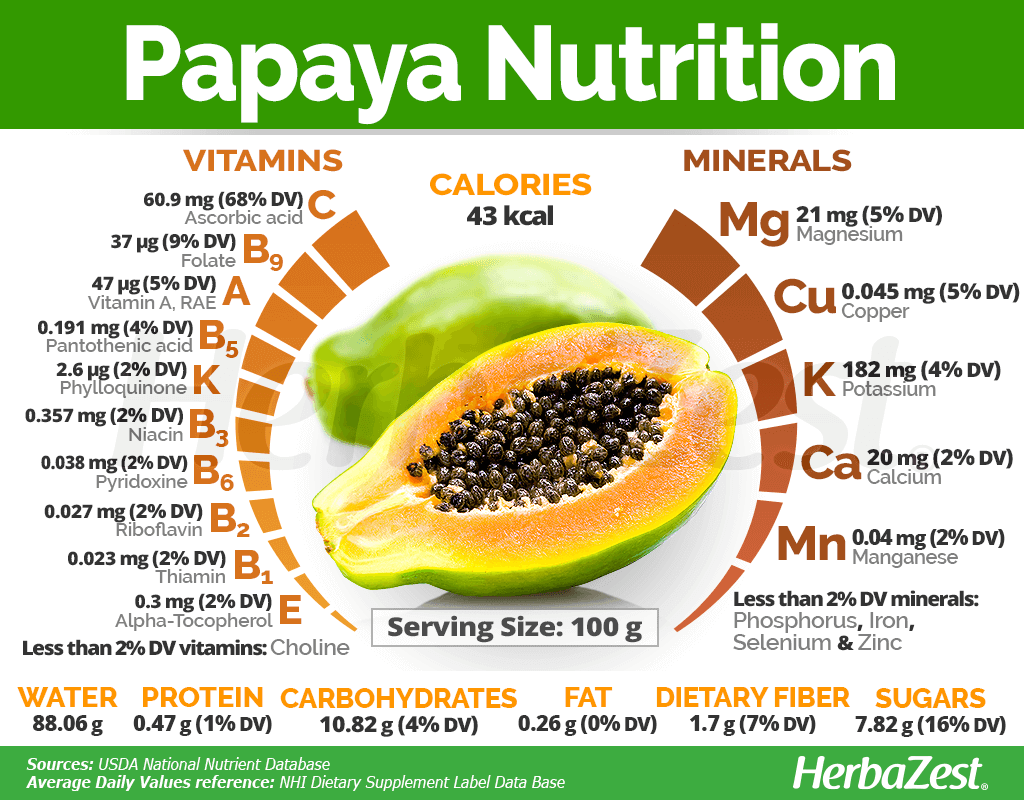
Understanding what makes papaya juice nutritious motivates consistent consumption and helps you appreciate why this beverage deserves a regular place in your diet.
Digestive Support:
Papaya contains papain, a proteolytic enzyme that breaks down protein molecules and aids digestion. Drinking papaya juice with meals, especially protein-rich meals, can reduce bloating, gas, and general digestive discomfort. The juice is gentle on the stomach and easily absorbed, making it suitable for those with sensitive digestive systems. The high water content also supports hydration, which is essential for optimal digestive function.
Immune System Enhancement:
A single 8-ounce serving of papaya juice provides 80 to 100 milligrams of vitamin C, exceeding your daily requirement and supporting immune cell function. Combined with significant amounts of vitamins A and E, this juice helps your body defend against infections and reduces the duration and severity of common illnesses. Regular consumption, particularly during cold and flu season, provides meaningful immune support.
Anti-Inflammatory Properties:
Research has documented papain’s anti-inflammatory effects, which extend throughout your body when you consume papaya juice regularly. The fruit’s antioxidant compounds combat oxidative stress, a underlying factor in chronic inflammation and related conditions. Athletes and those with joint discomfort may find regular papaya juice consumption particularly beneficial.
Skin Health Advantages:
The vitamins A, C, and E in papaya juice support collagen production, which maintains skin elasticity and youthfulness. Antioxidants protect your skin from environmental damage including UV radiation and pollution. While topical applications provide localized benefits, drinking papaya juice delivers these nutrients systemically, supporting skin health from within.
Important Precautions:
Be aware that individuals with latex allergies may also react to papaya, as both contain similar proteins. Pregnant women should consult healthcare providers before consuming large amounts of papaya, particularly unripe varieties, which may stimulate uterine contractions. Those taking blood-thinning medications should moderate intake due to vitamin K content, and anyone managing blood sugar should be mindful of the natural sugars in papaya juice.
Maximize Juice Yield and Flavor
Professional techniques separate amateur juice results from exceptional ones. These expert tips help you get the most from every papaya while preserving maximum flavor and nutrients.
Ripeness Matters More Than You Think:
Fully ripe papayas yield significantly more juice than fruit that’s barely ripe. If you buy papaya that’s still firm, let it ripen at room temperature for 2 to 3 days. Check daily for ripeness by gently pressing near the stem. A ripe papaya not only yields more juice but also produces sweeter, more flavorful results. The difference between optimally ripe and under-ripe fruit can mean 20% less juice and noticeably inferior flavor.
Room Temperature Processing:
Cold fruit doesn’t juice as efficiently as fruit at room temperature. Remove your papaya from refrigeration 30 minutes before juicing to allow it to warm slightly. This simple step improves extraction efficiency and reduces strain on your machine. The juice also flows more smoothly and mixes more easily with other ingredients.
Proper Chunk Size:
Cutting papaya into appropriately sized pieces prevents jamming and ensures consistent processing. Pieces around 1 to 2 inches work well for most juicer feed tubes. Too large, and you’ll force the machine to work harder. Too small, and you waste time on excessive preparation without significant benefit. Consistent sizing also produces more uniform extraction.
Consume Immediately for Best Results:
Fresh papaya juice begins losing nutritional value the moment it’s extracted. Vitamin C degrades rapidly upon exposure to air, and the beneficial enzymes start breaking down. For maximum nutrition, drink your juice immediately after making it. If you must store it, do so in an airtight container filled to the brim to minimize air exposure, and consume within 24 hours. Adding a small amount of lemon or lime juice slows oxidation through acid preservation.
Store Fresh Papaya Juice Properly
Proper storage preserves both flavor and nutritional content, though fresh juice is always best consumed immediately.
Short-Term Storage Guidelines:
Fresh papaya juice remains at peak quality for approximately 24 hours when stored correctly. Transfer juice immediately to airtight glass containers, filling them as completely as possible to minimize air exposure. Refrigerate promptly at temperatures below 40°F (4°C). The acid content in papaya juice makes it more resistant to bacterial growth than some other juices, but it still deteriorates relatively quickly. Quality remains acceptable for up to 48 hours, though vitamin content decreases progressively.
Freezing for Longer Storage:
For storage beyond 2 days, freezing is your best option. Leave approximately 1 inch of headspace in containers, as liquids expand during freezing. Use freezer-safe glass or BPA-free plastic containers specifically designed for frozen storage. Frozen papaya juice maintains quality for up to 3 months. Thaw overnight in the refrigerator before consuming. Expect some separation and texture changes after freezing—shake or stir well to recombine. Note that enzyme activity and some vitamin content won’t fully recover after freezing.
Recognizing Spoilage:
Trust your senses when evaluating stored juice. Off odors, unusual flavors, or any change in color indicates spoilage and the juice should be discarded. Mold growth, even minor, means the juice has gone bad completely. Unusual carbonation or bubbling suggests fermentation, which makes juice unsafe to drink. When in doubt about safety, throw it out rather than risking illness.
Avoid These Juicing Mistakes
Learning from common errors prevents wasted fruit and disappointing results. These mistakes plague beginners and even experienced juicers occasionally.
Using Unripe or Overripe Fruit:
Green papaya produces bitter, less flavorful juice with lower sugar content. The latex compounds in under-ripe fruit can cause digestive discomfort in sensitive individuals. Conversely, overripe papaya with soft spots or fermentation signs creates off-flavors and potential safety issues. Always select fruit that’s ripe but firm, with orange-yellow skin and no signs of decay.
Over-Processing and Heat Generation:
Extended juicing time generates heat, which destroys heat-sensitive enzymes and vitamins. Process only as long as necessary to extract juice efficiently. For centrifugal juicers, use the appropriate speed setting rather than defaulting to maximum. Stop immediately once juice stops flowing and pulp emerges dry. Shorter processing times preserve more nutrition and produce better-tasting juice.
Ignoring Pulp Preferences:
Some pulp provides beneficial fiber and creates a more satisfying mouthfeel, but excessive pulp makes juice difficult to drink. Find your preferred balance by experimenting with straining. A fine-mesh sieve removes most pulp for smooth juice, while leaving more pulp provides more fiber. Remember that removing all pulp also removes much of the nutritional benefit, as fiber and many nutrients concentrate in the pulp.
Improper Storage Practices:
Leaving juice at room temperature allows rapid bacterial growth and nutrient degradation. Always refrigerate promptly and consume within recommended timeframes. Avoid storing juice in metal containers, as the acid content can react with certain metals and affect flavor. Plastic containers not designed for acidic foods may also react, so stick with glass or specifically rated containers.
Neglecting Juicer Maintenance:
Dried papaya pulp hardens quickly on juicer components, making cleaning difficult and promoting bacterial growth. Clean your juicer immediately after use while pulp is still moist. Disassemble all removable parts and rinse thoroughly under warm water. Use the cleaning brush to remove residue from blades, screens, and hard-to-reach areas. Periodic deep cleaning with mild soap ensures optimal performance and prevents contamination of future juice batches.
Troubleshooting Common Juicing Issues
When problems arise, knowing the causes and solutions keeps your juicing experience productive and frustration-free.
Juice Too Thin or Watery:
This typically indicates your papaya wasn’t fully ripe or was stored at cold temperatures. Select riper papayas with deeper orange color and sweeter aroma. Always juice fruit at room temperature. If your juice still seems thin, reduce any added liquid ingredients and let the fresh juice rest briefly—thicker pulp will naturally settle, and the remaining juice will be more concentrated.
Bitter or Unpleasant Flavor:
Bitter juice usually results from unremoved seeds, green fruit portions, or overripe fruit. Before juicing, ensure you’ve scooped all seeds and trimmed away any green areas near the skin or stem. Check that your papaya is ripe rather than overripe, which can develop fermented notes. If bitterness persists, add lime juice and a small amount of honey to balance the flavor.
Juicer Clogging or Slowing:
Papaya pieces that are too large jam feed tubes and strain motors. Cut fruit into smaller 1-inch pieces before processing. Ensure fruit is at room temperature, as cold fruit is denser and harder to process. Remove any fibrous strings that may have escaped your initial preparation, as these wrap around blades and cause clogs. If clogging continues, your juicer may not be suitable for soft fruits—consider a model with more power or a wider feed tube.
Rapid Separation and Layering:
Fresh juice without stabilizers naturally separates over time. This is completely normal and not a sign of spoilage. Simply shake or stir well before drinking to recombine. Adding a small amount of lemon juice can slow separation slightly by increasing acidity. Separation doesn’t affect safety or nutrition, only appearance.
Final Thoughts
Creating delicious, nutritious papaya juice at home rewards you with a beverage superior to anything available in stores. By selecting perfectly ripe fruit, using appropriate equipment, and applying the techniques outlined here, you’ll consistently produce juice that delights your taste buds while supporting your health. The basic recipe provides an excellent foundation, while the variations offer endless opportunities for exploration and personalization.
The investment in quality ingredients and proper technique pays dividends in both flavor and nutrition. Fresh papaya juice delivers enzymes, vitamins, and antioxidants in their most bioavailable form—something commercial processing cannot replicate. Make this juice a regular part of your routine, and you’ll soon discover why papaya has been treasured as a health food across tropical cultures for centuries. Your juicer is ready. The papaya is waiting. It’s time to start squeezing.