Nothing beats the vibrant taste of freshly squeezed citrus in your beverages and dishes. When you master the art of using your lemon lime juicer, you unlock a world of bright flavors that transform ordinary recipes into extraordinary experiences. This guide delivers exactly what you need to know about creating perfect lemon lime juicer recipes that shine in drinks, cooking, and more—no confusing jargon, just practical techniques you can use immediately. By the end of this article, you’ll know how to maximize your juicer’s potential and create seven standout recipes that make the most of fresh citrus.
Why Freshly Squeezed Beats Bottled Every Time
The stark difference between fresh and bottled citrus juice impacts both flavor and nutrition significantly. Fresh lemon lime juice contains volatile compounds that evaporate during pasteurization, resulting in bottled versions that taste flat and one-dimensional compared to the complex brightness of just-squeezed juice. Your lemon lime juicer extracts these delicate flavor compounds that give authentic citrus its characteristic zing.
Nutritionally, fresh juice preserves higher levels of vitamin C and antioxidants that degrade during processing and storage. The moment you squeeze a lemon or lime, oxidation begins—meaning the clock starts ticking on both flavor and nutritional quality. For peak performance from your lemon lime juicer recipe creations, use juice within two hours of extraction when possible.
How to Select the Juiciest Citrus for Your Juicer
Choose fruits that feel heavy for their size—this indicates higher juice content. Smooth-skinned lemons and limes typically yield more liquid than bumpy varieties. Gently squeeze the fruit; it should give slightly but not feel soft or mushy. Avoid fruits with soft spots, as these indicate internal dryness.
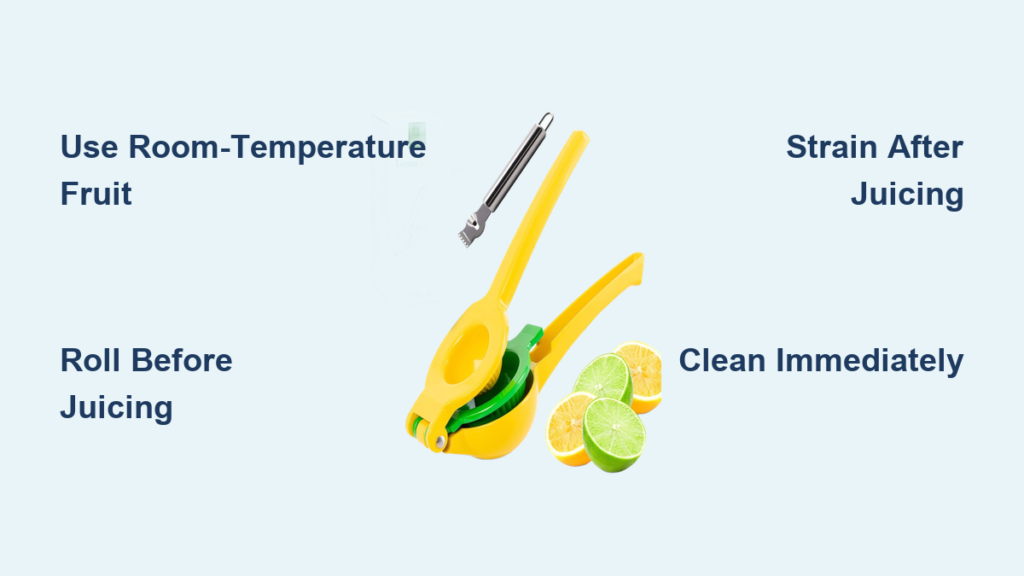
Room-temperature citrus produces up to 30% more juice than cold fruit straight from the refrigerator. Before juicing, microwave whole lemons or limes for 10-15 seconds or roll them firmly on the counter with your palm to break down internal membranes. This simple technique dramatically increases your yield from each fruit.
Essential Lemon Lime Juicer Setup for Maximum Yield

Your specific juicer model determines the optimal preparation technique. For electric citrus juicers, cut fruit in half crosswise (not lengthwise) to expose the maximum number of juice sacs. Manual reamers work best with quartered fruit pressed firmly against the ridged surface. Always remove seeds before juicing to prevent bitter flavors from contaminating your juice.
Troubleshooting Low Juice Output
If your lemon lime juicer recipe isn’t yielding expected results, check these common issues: Dull juicer cones fail to penetrate citrus membranes effectively—replace worn parts regularly. Overripe fruit loses moisture content, reducing juice yield. Pressing too lightly with manual juicers prevents full extraction—apply firm, consistent pressure while rotating the fruit.
For stubborn fruits, try this professional trick: Pierce the fruit’s skin in several places with a fork before microwaving for 15 seconds. The steam created inside helps loosen juice membranes for dramatically improved extraction. Always strain your juice through a fine-mesh sieve to catch any remaining pulp or seeds.
5-Minute Classic Lemonade Limeade Fusion
This refreshing lemon lime juicer recipe balances tartness and sweetness perfectly for hot summer days. You’ll need 1 cup fresh lemon juice, 1 cup fresh lime juice, 1 cup sugar, and 6 cups cold water. The key to exceptional flavor lies in creating a simple syrup first—dissolving sugar in equal parts hot water prevents graininess in your finished drink.
Combine sugar with 1 cup hot water, stirring until completely dissolved. Chill the syrup before mixing with citrus juices to maintain optimal temperature. For restaurant-quality presentation, add thin lemon and lime slices to the pitcher and refrigerate for one hour before serving to infuse additional flavor.
Variations for Every Palate
Create a sparkling version by replacing 2 cups of water with chilled club soda added just before serving. For a herbal twist, muddle 10 fresh mint leaves in the simple syrup while it’s still warm. Those watching sugar intake can substitute honey or maple syrup at a 3:4 ratio (¾ cup syrup for 1 cup sugar) with excellent results.
Zesty Margarita Mix That Beats Store-Bought

Authentic margaritas require fresh lime juice—bottled versions simply can’t compete with the bright flavor your lemon lime juicer delivers. This professional bartender’s recipe uses 2 cups fresh lime juice, 1 cup fresh lemon juice, 1½ cups agave nectar, and 1 cup orange liqueur (optional for mocktails).
The lemon addition might seem unconventional, but it creates remarkable complexity that balances the margarita’s traditional sharpness. For perfect texture, shake the mix vigorously with ice before straining—this aeration process enhances mouthfeel significantly. Store in a sealed container in the refrigerator for up to one week.
Morning Immunity Boost Juice Shot
This potent lemon lime juicer recipe delivers a concentrated vitamin C punch to start your day right. Combine ¼ cup fresh lemon juice, ¼ cup fresh lime juice, 1 tablespoon raw honey, and a pinch of cayenne pepper in a small glass. The honey not only sweetens but also helps preserve the juice’s nutritional compounds.
Consume immediately after preparation for maximum benefit, as oxidation begins degrading vitamin C within minutes. For best results, drink through a straw to protect tooth enamel from the citric acid. Many users report increased energy levels and improved digestion within days of adding this simple ritual to their morning routine.
Citrus Vinaigrette That Elevates Any Salad
Transform ordinary greens into gourmet creations with this versatile lemon lime juicer recipe. Whisk together ⅓ cup fresh lemon juice, ⅓ cup fresh lime juice, 1 teaspoon Dijon mustard, 1 minced garlic clove, and 1 cup extra-virgin olive oil. The dual citrus creates a more complex acidity than single-fruit vinaigrettes.
For perfect emulsification, add oil drop by drop at first while whisking vigorously, then stream in the remaining oil. This technique creates a stable emulsion that won’t separate quickly. Let the dressing sit for 30 minutes before using to allow flavors to meld—this simple step makes a dramatic difference in final taste.
Freezing Techniques for Year-Round Citrus Flavor
Preserve your lemon lime juicer’s bounty for future recipes using these professional methods. Freeze juice in standard ice cube trays (each holds about 2 tablespoons), then transfer cubes to labeled freezer bags. For precise measurements, freeze juice in silicone molds marked with tablespoon measurements.
Never freeze juice in metal containers—citric acid reacts with metal, creating off-flavors. Glass jars work well but leave at least 1-inch headspace for expansion. Thaw frozen citrus juice overnight in the refrigerator for best flavor retention, or drop frozen cubes directly into hot sauces or dressings where immediate use is required.
Cleaning Your Juicer for Longevity and Performance
Residual citrus oils and pulp left in your juicer harden quickly, creating breeding grounds for bacteria and reducing future performance. Disassemble all removable parts immediately after use—dried citrus residue becomes extremely difficult to remove. Soak components in warm, soapy water for 10 minutes before scrubbing with a soft brush.
For stubborn buildup, create a cleaning solution of equal parts water and white vinegar. Run this mixture through electric juicers or use it to soak manual components. Never put juicer parts in the dishwasher unless specifically labeled dishwasher-safe—high heat can warp plastic components over time.
Common Lemon Lime Juicer Recipe Mistakes to Avoid
Most home users make these critical errors that compromise their results. Squeezing citrus too aggressively introduces bitter compounds from the peel—apply firm but gentle pressure. Mixing lemon and lime juice too far in advance causes flavor degradation—combine just before use. Using dull knives to cut citrus crushes membranes, reducing yield.
Many recipes call for “the juice of one lemon” without specifying size—always measure your juice for consistent results. A standard medium lemon yields 2-3 tablespoons, while limes typically produce 1-2 tablespoons. Calibrating your expectations prevents recipe failures due to incorrect acidity levels.
Perfect Pairings: What to Serve With Your Citrus Creations
Understanding flavor affinities takes your lemon lime juicer recipes from good to exceptional. Pair lemon-based drinks with seafood, chicken, or light pasta dishes. Lime shines with Mexican, Thai, and Caribbean cuisines. The tartness of both cuts through rich foods beautifully—try a squeeze of lemon over fried foods or lime with grilled meats.
For dessert pairings, match lemon beverages with berry-based sweets and lime with tropical fruit desserts. When serving cocktails, provide small dishes of Tajín or salt mixed with lime zest for rimming glasses—this simple touch elevates the entire drinking experience.
Year-Round Lemon Lime Juicer Recipe Inspiration
Seasonal variations keep your citrus creations exciting throughout the year. In spring, add fresh basil or mint to your lemon lime juicer recipes. Summer calls for agua fresca-style blends with watermelon or cucumber. Autumn welcomes warming spices like ginger, while winter benefits from pomegranate or cranberry additions.
Track your citrus usage monthly—you’ll notice patterns that help optimize purchasing. Most households use 2-3 lemons and 3-4 limes weekly for regular cooking and beverages. Buying in bulk when citrus is in season and freezing the juice ensures you always have fresh-tasting ingredients on hand.
Mastering these lemon lime juicer recipes transforms how you approach cooking and entertaining. The bright acidity of fresh citrus elevates ordinary dishes into memorable culinary experiences that bottled alternatives simply can’t match. Start with one recipe today—perhaps the classic lemonade limeade fusion—and experience the dramatic difference fresh juice makes. Your taste buds will thank you, and soon you’ll find yourself reaching for your juicer as naturally as your salt shaker. Remember, the key to exceptional results lies not in expensive equipment but in understanding how to maximize what you already have—so grab those lemons and limes and start squeezing!