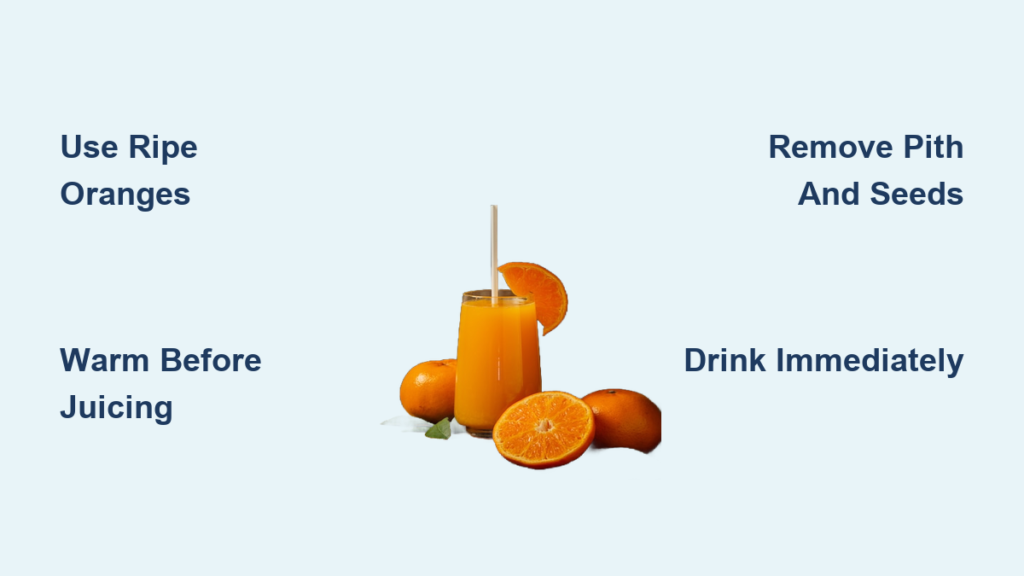
There’s nothing quite like the vibrant taste of freshly made orange juice straight from your home juicer. Unlike store-bought versions that lose flavor and nutrients during pasteurization and storage, homemade orange juice bursts with natural sweetness, aromatic citrus oils, and maximum vitamin content. The difference between commercial juice and what you can create in minutes is astonishing—think of it as comparing a photograph to the real sunrise. When you press oranges yourself, you control every element: the fruit quality, juice texture, and even creative variations that transform a simple morning ritual into something special.
Making exceptional orange juice requires more than just tossing fruit into your machine. The right orange varieties, proper preparation techniques, and smart juicing strategies dramatically impact yield and flavor. Whether you’re new to juicing or looking to refine your technique, understanding these nuances ensures you get the most from every orange. This guide reveals the specific methods that separate passable juice from truly extraordinary results—methods that work with any centrifugal or masticating juicer in your kitchen.
Choose the Right Oranges for Maximum Juice Yield
:max_bytes(150000):strip_icc()/Simply-Recipes-Citrus-Guide01-OrangeCompilation-ca15c318c76b418f9bc35424c7e7314a.jpg)
Your orange selection determines 80% of your juice quality before you even turn on the machine. Navels and Valencias aren’t interchangeable when juicing—each brings distinct advantages that affect flavor, sweetness, and liquid output.
Navel oranges deliver the classic breakfast juice experience with their seedless convenience and balanced sweetness. Look for fruits that feel surprisingly heavy for their size—a pound of navels should weigh more than you’d expect. The skin should be smooth but not shiny, with a deep orange color indicating full ripeness. Avoid any with soft spots or green patches, which signal underripe or damaged fruit. For best results, use navels between December and March when they reach peak sweetness after developing sugars during cool winter nights.
Valencia oranges outperform navels in actual juice production, yielding up to 20% more liquid per fruit. Their thinner membranes and higher juice content make them the professional’s choice, though they’re harder to find in stores outside summer months. When Valencias are available (typically May through September), prioritize them for juicing—their slightly tangier profile creates a more complex finished product that many connoisseurs prefer. The seeds in Valencias aren’t problematic since your juicer will separate them automatically.
Blood oranges add visual drama and nuanced flavor to single-variety juice or blends. Their striking red flesh comes from anthocyanins—the same antioxidants in blueberries—and creates juice with berry-like undertones beneath the citrus base. For maximum color impact, blend three regular oranges with one blood orange. The pigment intensifies when juice oxidizes, so serve blood orange blends in clear glasses to showcase the transformation from pink to deep ruby over several minutes.
Prepare Oranges Properly for Optimal Extraction

Skipping proper preparation wastes up to 30% of your potential juice yield. These specific steps ensure you extract every possible drop while avoiding common flavor pitfalls.
Bring refrigerated oranges to room temperature for 30 minutes before juicing—cold fruit resists juice extraction. For faster results, microwave whole oranges on high for 15 seconds or roll them firmly across your counter while applying downward pressure. Both techniques break down cell walls without cooking the fruit, dramatically improving flow through your juicer’s screen.
Wash each orange thoroughly under running water, scrubbing the skin with a vegetable brush. Even oranges you’ll peel contain agricultural residues on their surface that can affect flavor. Cut larger oranges into quarters and smaller ones in half—this size feeds smoothly through most juicer chutes without clogging. Remove any visible seeds before juicing to prevent bitter compounds from leaching into your beverage.
For centrifugal juicers, leave the peel intact but remove any thick white pith that could contribute bitterness. Masticating juicers typically require peeled fruit to prevent clogging, so remove both peel and pith. The exception is when making juice with added greens—peeled oranges process more efficiently alongside leafy vegetables in slow juicers.
Master the Basic Orange Juice Technique
This streamlined process produces 4 cups of pure, vibrant orange juice from 6-8 medium fruits in under 10 minutes:
- Feed prepared orange pieces steadily into your juicer without overloading the chute
- Stir collected juice gently every 30 seconds to prevent pulp settling
- Strain through a fine-mesh sieve only if you prefer completely pulp-free juice
- Pour immediately into chilled glasses for optimal taste and temperature
The critical mistake most beginners make? Waiting too long to drink the juice. Vitamin C degrades rapidly after extraction—within 2 hours, your juice loses nearly 20% of its nutritional value. For best results, consume within 30 minutes of juicing. If you must store it, fill a glass jar to the absolute brim, seal tightly, and refrigerate—this minimizes oxygen exposure that accelerates spoilage.
Create Exciting Flavor Variations with Simple Add-Ins

Transform basic orange juice into distinctive beverages with these tested combinations:
Citrus Sunrise Blend: Juice 3 oranges with 1 pink grapefruit segment. The grapefruit’s subtle bitterness balances the orange sweetness, creating a more complex profile that wakes up your palate. Add a pinch of sea salt to enhance the natural sweetness without adding sugar.
Tropical Refresher: Combine 4 oranges with 1 cup diced mango. The mango’s enzymes interact with citrus acids to create a smoother mouthfeel. For best results, juice the oranges first, then process the mango separately and blend the two juices together.
Green Energy Boost: Add 1 cucumber and 1 cup spinach to 4 oranges. The cucumber’s high water content increases yield while spinach contributes iron that your body absorbs more efficiently when paired with orange’s vitamin C. The natural sweetness masks any vegetal notes.
Avoid These 3 Costly Juicing Mistakes
Most home juicers unknowingly sabotage their results with these preventable errors:
Cold fruit juicing: Refrigerated oranges yield significantly less juice—always warm them first. If time is limited, run cold oranges under warm tap water for 20 seconds before juicing.
Overfilling the chute: Pushing too much fruit through at once strains your motor and reduces extraction efficiency. Feed pieces steadily, allowing 2-3 seconds between additions for optimal processing.
Delayed cleaning: Pulp dries and hardens within minutes, making cleanup difficult. Disassemble and rinse all components immediately after juicing while residue is still wet.
Clean Your Juicer Properly for Long-Term Performance
Effective cleaning takes just 5 minutes but preserves your machine’s performance for years. Follow this sequence:
- Run a wedge of lemon through the juicer after finishing to remove citrus oils
- Disassemble all components and rinse under warm water
- Use a soft brush on the mesh screen—never metal scourers
- Soak stubborn parts in warm water with 1 tablespoon baking soda
- Air dry completely before reassembling
For centrifugal juicers, pay special attention to the pulp container’s corners where fibers accumulate. Masticating juicers require more thorough screen cleaning—use the included brush to reach behind the mesh. Never put juicer parts in the dishwasher unless the manual specifically allows it, as high heat can warp plastic components.
Maximize Health Benefits Through Smart Serving
Fresh orange juice offers far more than vitamin C when prepared correctly. To preserve maximum nutrition:
- Drink juice within 20 minutes of making it for peak vitamin content
- Keep pulp in your juice—the soluble fiber slows sugar absorption
- Pair with healthy fats like avocado to increase absorption of fat-soluble nutrients
- Avoid adding sugar—the natural sweetness satisfies when you use quality fruit
The potassium in orange juice makes it surprisingly effective for hydration—superior to water alone for post-workout recovery. For athletes, this natural electrolyte balance helps replenish what’s lost through sweat without artificial additives.
Enjoy Superior Flavor with Minimal Effort
Making exceptional orange juice requires attention to detail but takes surprisingly little time. By selecting the right oranges, preparing them properly, and using your juicer efficiently, you’ll create beverages that outperform store-bought versions in every category. The vibrant color, complex aroma, and clean sweetness of truly fresh juice transforms a simple breakfast ritual into a daily celebration of flavor and nutrition.
Start with the basic technique, then experiment with variations that suit your taste. You’ll quickly discover which orange varieties your juicer handles best and how small adjustments affect the final product. Within weeks, fresh-squeezed orange juice becomes your morning ritual—a moment of quiet enjoyment that sets a positive tone for the entire day. The investment of a few minutes each morning delivers rewards that extend far beyond the glass, supporting better hydration, nutrition, and overall well-being.