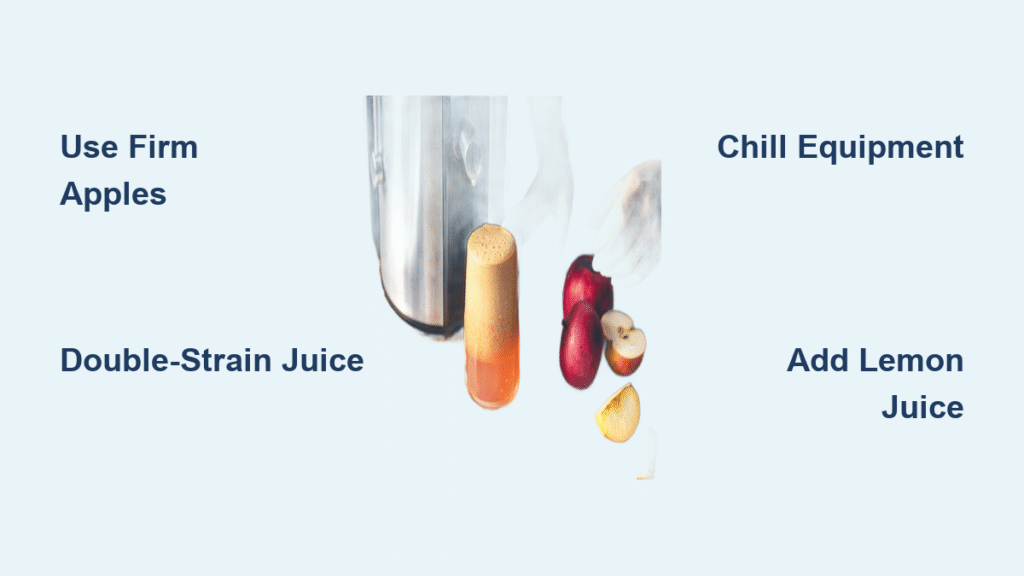
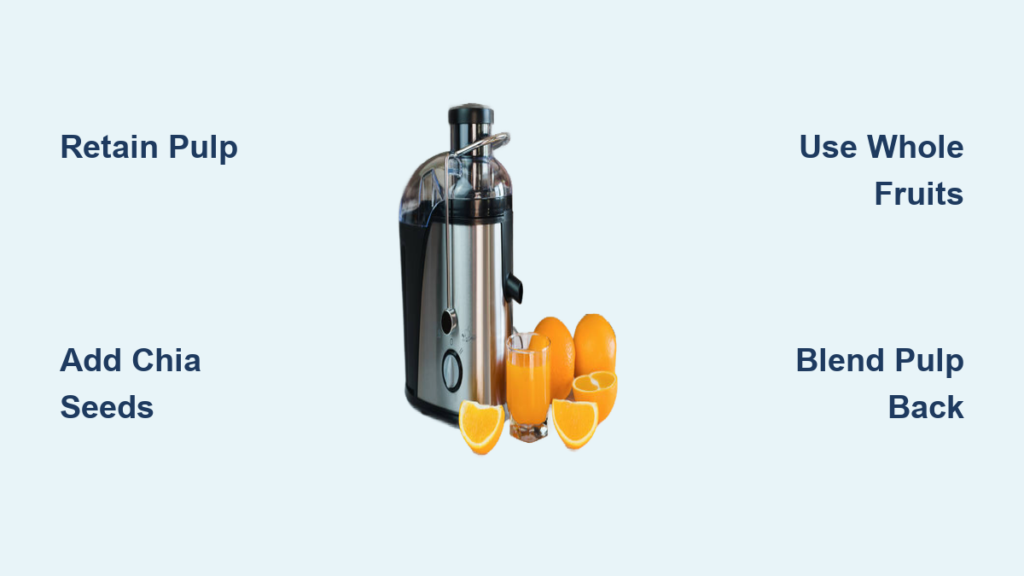
Juicing often gets criticized for stripping away valuable fiber, but your juicer can actually become a powerful tool for boosting your daily fiber intake when used strategically. Most commercial juices remove pulp completely, leaving you with a sugary drink that spikes blood sugar without the satiety fiber provides. The truth is, with simple technique adjustments and the right ingredient combinations, your juicer can deliver nutrient-dense beverages packed with both soluble and insoluble fiber. You’ll discover how to transform your morning juice routine into a fiber powerhouse that supports digestion, stabilizes blood sugar, and keeps hunger at bay for hours. This guide reveals specific recipes and methods to maximize fiber retention without compromising your juicer’s performance or your enjoyment of fresh juices.
Why Most Juices Fail at Fiber Delivery (And How to Fix It)
Standard juicing practices discard the very component that makes fruits and vegetables most beneficial for digestive health—the fiber-rich pulp. When your juicer separates liquid from solids, you lose up to 90% of the original fiber content, turning nutrient-dense produce into little more than flavored sugar water. This explains why many people feel hungry shortly after drinking conventional juice, defeating one of juicing’s primary health benefits. The solution isn’t abandoning juicing but rather modifying your approach to retain maximum fiber while still enjoying smooth, drinkable beverages.
How to Modify Your Juicer for Fiber Retention
Most centrifugal and masticating juicers come with pulp collectors that automatically separate fiber from juice, but you can override this function with simple techniques:
- Pulp reintroduction method: After juicing, measure 2-3 tablespoons of pulp per 8-ounce serving and blend back into your juice
- Partial juicing technique: Run produce through your juicer only once instead of the standard twice for clearer juice
- Screen adjustment: If your juicer has adjustable pulp settings, select the coarsest filter available
- Pre-juice fiber boost: Add one tablespoon of chia seeds or flaxseeds to your juice immediately after extraction—they’ll absorb liquid and create natural fiber viscosity
Which Juicer Types Work Best for Fiber Retention
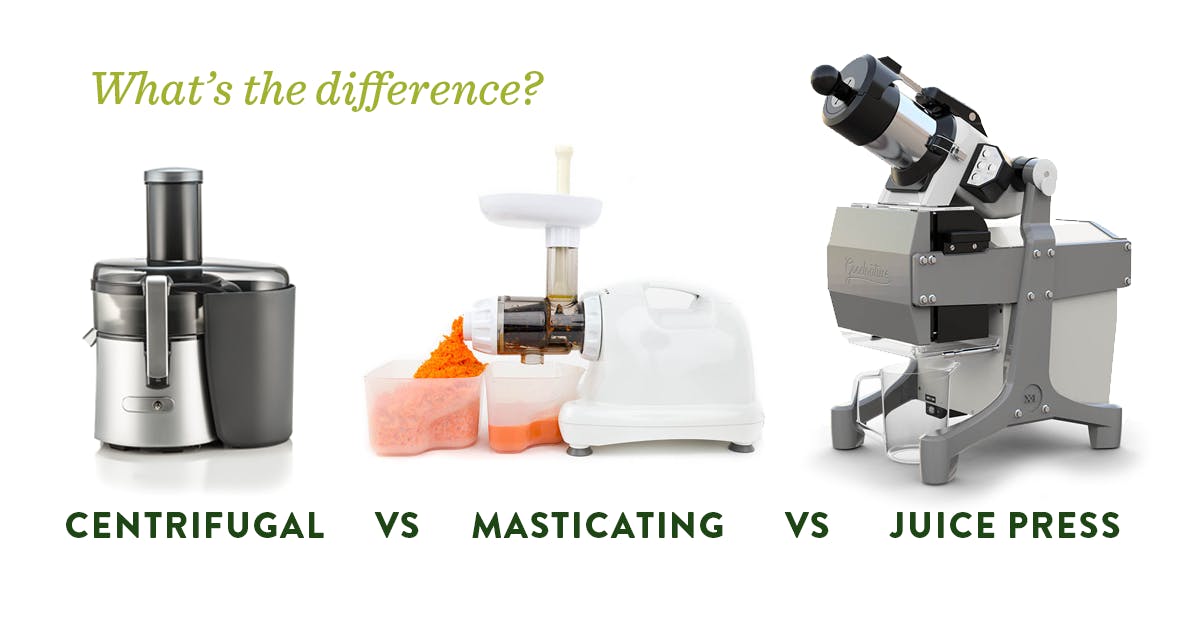
Not all juicers perform equally when maximizing fiber content:
Masticating (cold press) juicers: These low-speed machines preserve more fiber structure and allow easier pulp reintroduction compared to centrifugal models. The slower rotation prevents complete fiber breakdown.
Triturating juicers: With dual augers, these premium models naturally produce thicker juice with higher fiber content right from extraction.
Centrifugal juicers: While less ideal, you can still optimize fiber retention by juicing leafy greens first, followed by harder produce, and immediately mixing in reserved pulp.
Fiber-Packed Green Powerhouse Recipe
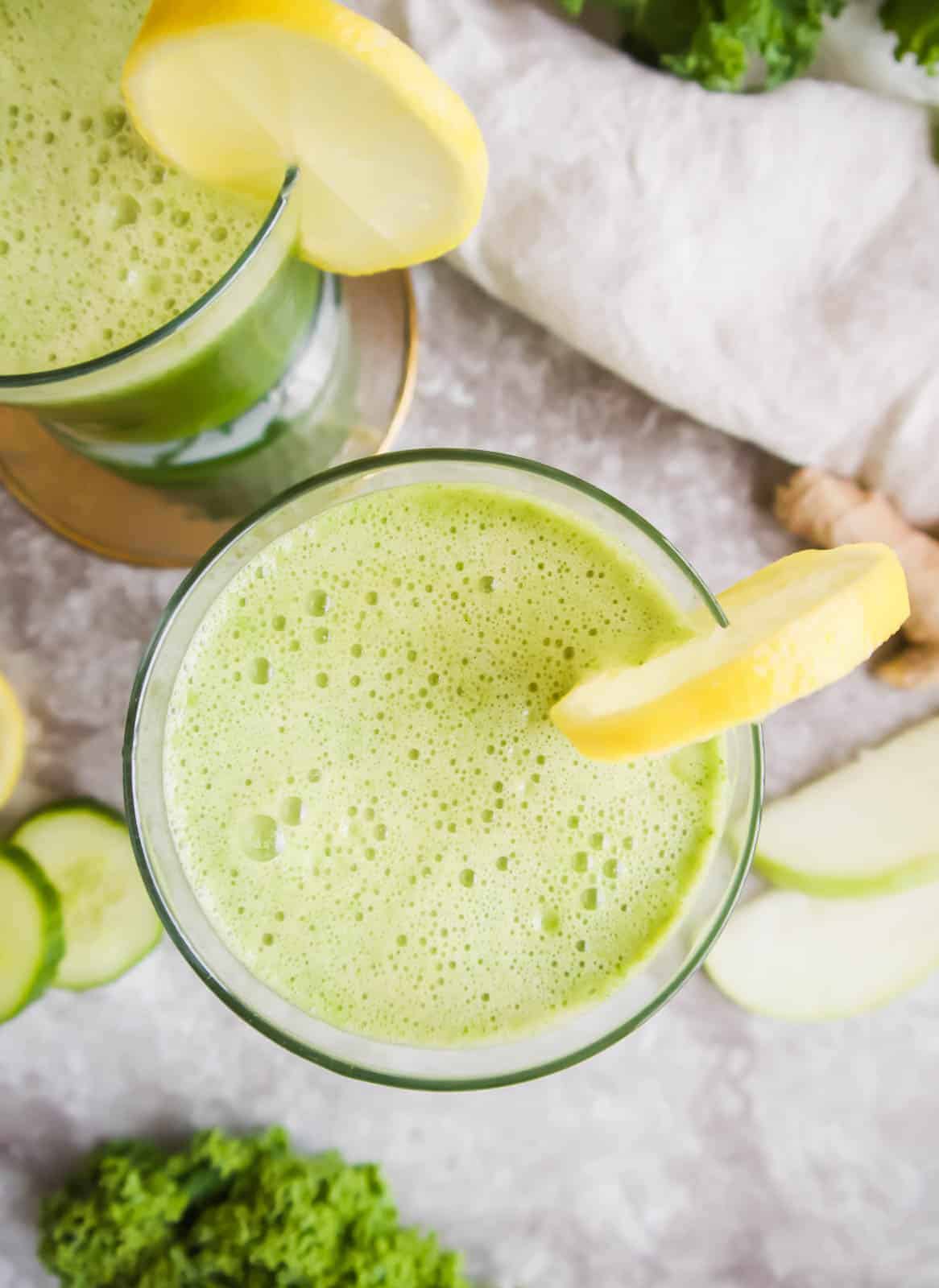
This vibrant green juice delivers 8 grams of fiber per serving while providing sustained energy through balanced macronutrients. Unlike standard green juices that leave you hungry within an hour, this recipe keeps you full until lunch with its strategic fiber combination.
What You’ll Need (Makes 16 oz)
- 2 cups kale (stems included for extra fiber)
- 1 medium green apple (with skin)
- 1/2 cucumber (unpeeled)
- 1/2 avocado (adds healthy fats that slow digestion)
- 1-inch ginger root
- 1 tablespoon chia seeds
- Pinch of sea salt
Step-by-Step Fiber Maximization Process
- Prep produce properly: Keep all skins and fibrous parts intact—apple skin alone contains 4 grams of fiber
- Juice in strategic order: Process kale stems first, followed by leafy parts, then cucumber and apple
- Reserve 3 tablespoons pulp: Measure this before discarding excess
- Blend with avocado: Add reserved pulp, avocado, chia seeds, and a splash of water to blender
- Emulsify thoroughly: Blend for 45 seconds until completely smooth but still slightly textured
- Consume immediately: Fiber separation occurs within 20 minutes, so drink right away
Citrus Fiber Blast That Fights Afternoon Crashes
:max_bytes(150000):strip_icc()/lemons_annotated2-4e9b9e72dd024a8a86bb68e14731db35.jpg)
Standard orange juice contains virtually no fiber despite coming from a high-fiber fruit. This modified recipe transforms citrus into a blood-sugar-stabilizing beverage with 6 grams of fiber per serving that prevents the typical juice crash.
Critical Ingredient Modifications
- Use whole lemons instead of just juice: The pith contains powerful flavonoids and soluble fiber
- Include orange membranes: Most people remove these thinking they’re bitter, but they’re fiber-dense
- Add psyllium husk: Just 1 teaspoon provides 5 grams of soluble fiber without altering taste
Why This Beats Store-Bought Orange Juice
| Feature | Commercial OJ | Fiber Blast Recipe |
|---|---|---|
| Fiber content | 0.5g per 8oz | 6g per 8oz |
| Blood sugar impact | High spike | Gradual release |
| Satiety duration | 45-60 minutes | 3-4 hours |
| Added sugar | Often present | None |
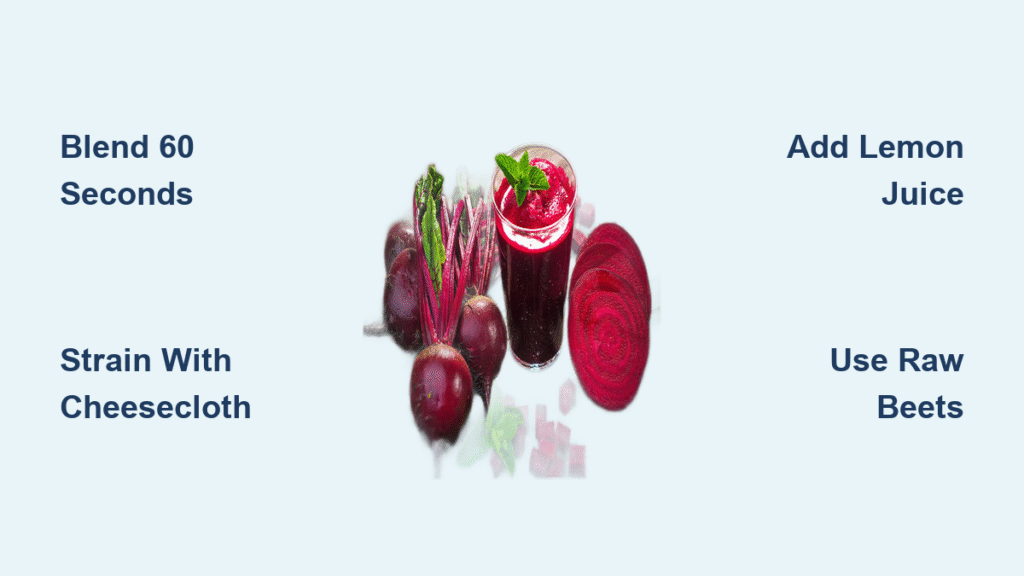
Beetroot Fiber Fuel for Endurance
Beets contain natural nitrates that boost athletic performance, but standard juicing discards the fiber that regulates how your body processes these compounds. This endurance-focused recipe delivers both performance benefits and sustained energy release.
Professional Athlete Technique
Elite athletes using this recipe follow these exact steps:
1. Juice beets with their skin intact (contains betalains and extra fiber)
2. Add 1/4 cup of reserved beet pulp back into the juice
3. Mix with 1 tablespoon hemp seeds for complete protein
4. Consume exactly 90 minutes before training for optimal nitrate conversion
Berry Fiber Recovery Formula
Most berry juices contain minimal fiber because seeds get filtered out during juicing. This recovery drink preserves those valuable seeds while enhancing antioxidant absorption through strategic fat inclusion.
Seed-Saving Method That Works
- Freeze berries for 20 minutes before juicing (hardens seeds so they pass through juicer intact)
- Use the coarsest pulp setting available
- Add 1 teaspoon of coconut oil to enhance absorption of fat-soluble antioxidants
Tropical Fiber Hydration Elixir
Pineapple core contains bromelain (a digestive enzyme) and significant fiber, yet most people discard it. This tropical recipe utilizes the entire fruit for maximum digestive benefits.
Core-Juicing Technique
- Cut pineapple into quarters lengthwise
- Remove outer skin but keep all inner core material
- Feed quarters through juicer vertically to maximize core extraction
- Add 1/4 cup of coconut meat for additional medium-chain triglycerides
Overnight Fiber Soak Method for Maximum Benefits
This advanced technique doubles the soluble fiber content of your juice by allowing time for fiber expansion before consumption.
How to Implement
- Prepare juice as usual but retain all pulp
- Mix juice with pulp and refrigerate overnight
- In the morning, add 1 teaspoon of apple cider vinegar
- The fiber will have absorbed liquid and expanded, creating a thicker, more satiating beverage
Cleaning Your Juicer After High-Fiber Recipes
Fiber-rich juices create more challenging cleanup due to thicker pulp. Follow this specific protocol:
- Immediate disassembly: Don’t let pulp dry on parts (becomes cement-like)
- Cold water soak: Fill parts with cold water immediately after use
- Brush technique: Use a dedicated pulp brush at 45-degree angles to dislodge fibers
- Vinegar solution: For stubborn residue, soak parts in 1:1 water/vinegar mix for 15 minutes
Daily Fiber Integration Schedule
Maximize benefits by timing your fiber-rich juices strategically:
- Morning: Green Powerhouse (before 9 AM for sustained energy)
- Pre-workout: Beetroot Fuel (90 minutes before exercise)
- Post-workout: Berry Recovery (within 30 minutes of training)
- Afternoon: Citrus Blast (replaces afternoon snack)
Pro Tip: Rotate these recipes throughout the week rather than drinking the same juice daily—your gut microbiome thrives on fiber diversity.
Final Note: These juicer fiber recipes transform your appliance from a simple juice maker into a powerful digestive health tool. By retaining and strategically enhancing fiber content, you’ll experience longer-lasting energy, improved gut health, and better blood sugar control. Remember to increase your water intake when boosting fiber consumption, as fiber requires adequate hydration to function properly in your digestive system. Start with one high-fiber juice recipe per day, monitor how your body responds, and gradually incorporate more as your system adjusts. Within two weeks, you should notice significant improvements in digestion, energy stability, and overall satiety throughout your day.