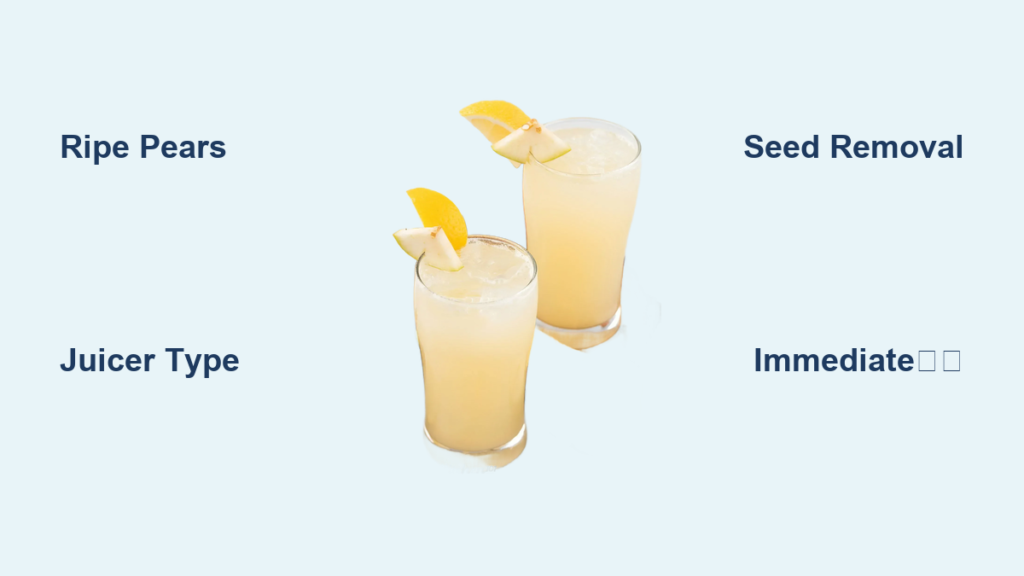
Nothing compares to the delicate sweetness of fresh pear juice made in your own kitchen—free from the additives and artificial flavors that plague store-bought versions. This naturally golden beverage captures the essence of ripe pears in a way commercial processing simply cannot replicate. With just a quality juicer and a few pounds of perfectly ripened fruit, you can transform ordinary grocery store pears into an extraordinary drink that elevates your morning routine, boosts your nutrition, and impresses guests. Whether you’re new to juicing or looking to perfect your technique, this complete pear juice recipe guide delivers everything you need to know about selecting, preparing, and extracting the most flavorful juice from your pears.
The beauty of homemade pear juice lies in its simplicity and versatility. Unlike apple juice with its sharper acidity, pear juice offers a gentle, honeyed sweetness that appeals to all palates while providing valuable nutrients without added sugars. By mastering this pear juice recipe with your juicer, you gain control over quality, freshness, and flavor—ensuring every glass delivers pure, unadulterated pear goodness.
Bartlett vs. Bosc: Best Pear Varieties for Juicing Success
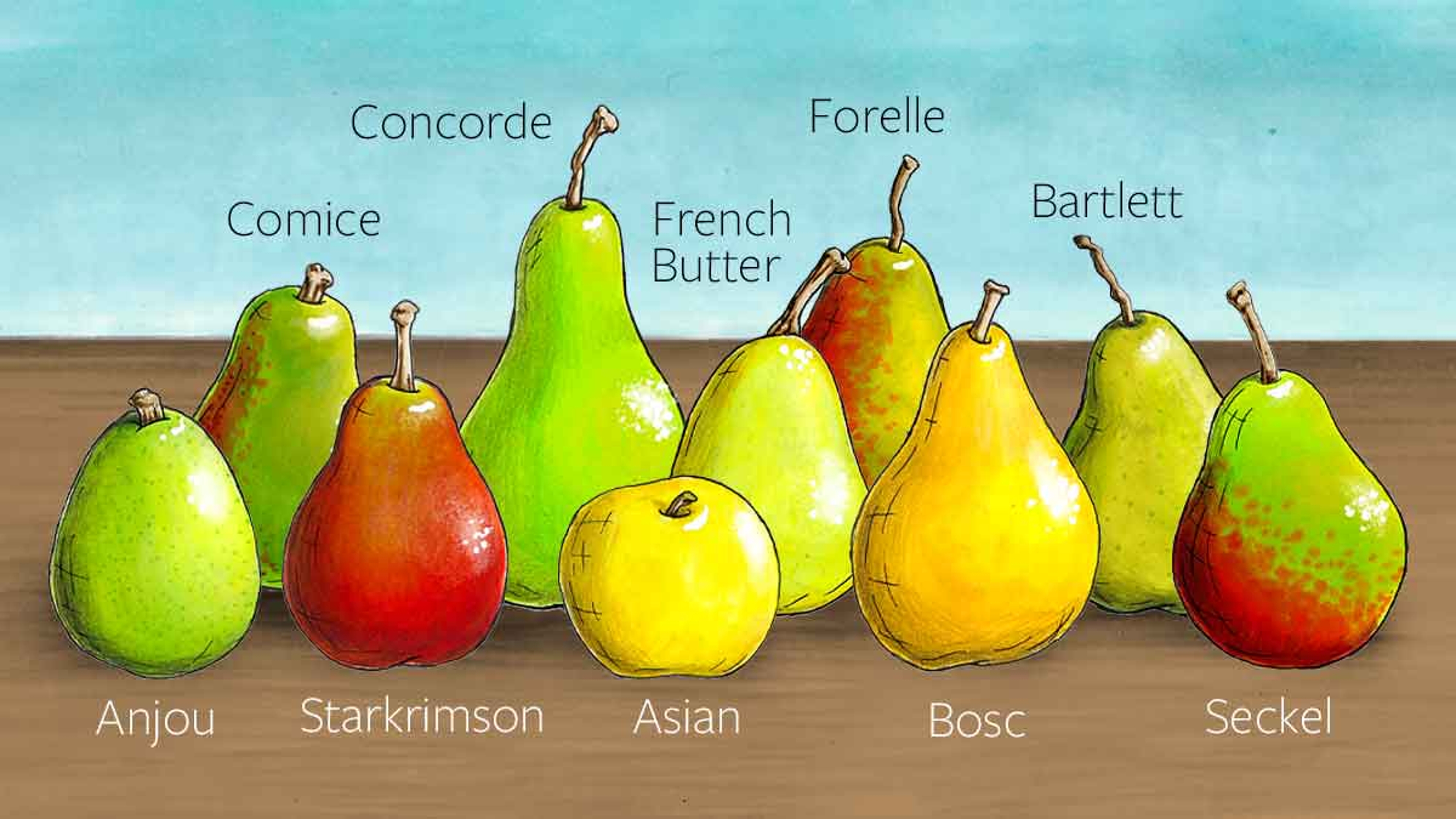
Your pear selection makes or breaks your juice quality—Bartlett pears deliver maximum sweetness and yield, while Bosc provides complex flavor depth. Bartlett pears (also called Williams pears) reign supreme for juicing with their exceptional juiciness and classic honeyed flavor. As these green-to-yellow ripening pears reach peak ripeness, they produce bright, clear juice with natural sweetness that rarely needs additional sweetening. Their high juice-to-weight ratio ensures you get the most liquid from your investment.
Bosc pears offer a compelling alternative with their distinctive russeted brown skin and firm texture. These pears maintain shape better during juicing and contribute a subtly spiced flavor profile that adds sophistication. Their higher pectin content creates slightly thicker juice that some enthusiasts prefer, especially when blended with sweeter varieties. For balanced results, combine two parts Bartlett with one part Bosc—this ratio delivers optimal sweetness with intriguing complexity that pure pear juice often lacks.
Spot Perfectly Ripe Pears for Maximum Juice Yield
Knowing how to select ripe pears separates successful juicing attempts from disappointing ones. Under-ripe pears yield measurably less juice and produce sharper, less palatable flavors that ruin your batch. Over-ripe pears may have already begun fermenting, developing off-flavors that compromise quality. The ideal pear yields slightly to gentle pressure specifically at the neck—the stem end—having ripened naturally rather than artificially.
Unlike bananas or avocados that ripen uniformly, pears ripen from the inside out, making the neck the most reliable ripeness indicator. A perfectly ripe pear emits a fragrant, floral aroma at the stem end and features smooth, unblemished skin without wrinkles or soft spots. Purchase firm pears and allow them to ripen at room temperature in a fruit bowl, checking daily for readiness. Refrigerate only after reaching ideal ripeness if you need to extend shelf life before juicing.
Centrifugal vs. Masticating: Choose the Right Juicer for Pears
Your juicer choice dramatically impacts juice quality, yield, and overall experience. Centrifugal juicers offer speed and convenience with their fast-spinning blades that shred fruit while centrifugal force separates juice from pulp. These machines process pears quickly but generate heat that can slightly degrade sensitive nutrients. They work well with softer fruits like pears but struggle with very ripe specimens that clog feed chutes. If using a centrifugal model, select one with multiple speed settings and use medium speed for optimal pear juice extraction.
Masticating juicers operate at slower speeds using an auger to crush and press rather than shred fruit. This cold-press method extracts 20-30% more juice from the same quantity of pears, produces significantly less foam, and preserves delicate enzymes that centrifugal models degrade. The resulting juice stays fresher longer—up to 72 hours refrigerated compared to 24 hours for centrifugal juice. Though more expensive, masticating juicers justify their cost for regular juicing enthusiasts who prioritize quality and yield.
Classic Fresh Pear Juice Recipe in 4 Simple Steps
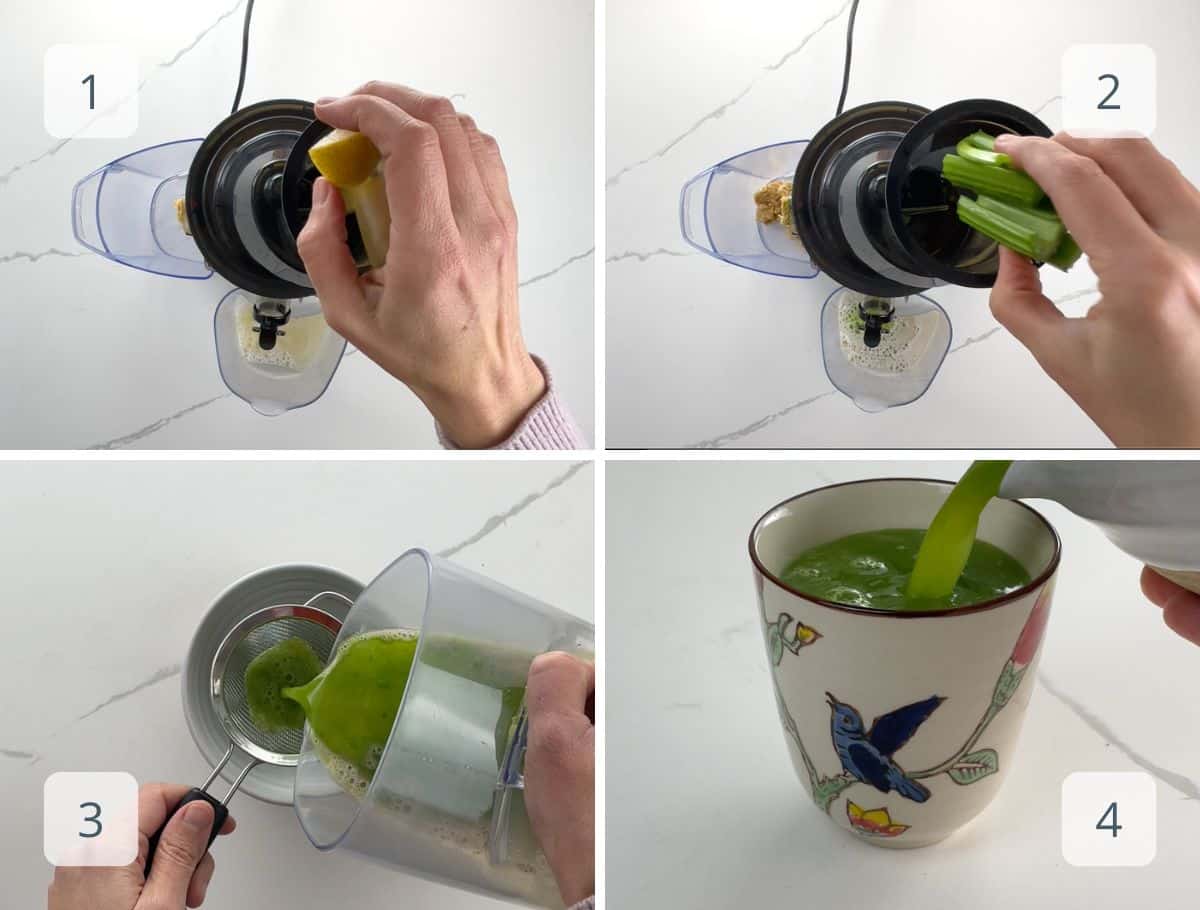
This foundational recipe creates pure, refreshing pear juice that showcases the fruit’s natural sweetness without any additions.
Gather Your Pear Juice Ingredients
You’ll need:
– 8-10 ripe Bartlett pears (about 3 pounds)
– 1 tablespoon lemon juice (optional for brightness)
– Pinch of ground cinnamon (optional)
Prepare Pears for Maximum Extraction
Wash pears thoroughly under cool running water, focusing on the stem area where dirt accumulates. Remove all stickers completely—these contain adhesives not meant for consumption. Core pears using a dedicated corer or by carefully cutting around the seed cluster. While pear seeds contain trace compounds that break down into bitter substances, the small amount in juice is negligible; however, removing seeds prevents unwanted bitterness. Cut pears into quarters sized for your juicer’s feed tube.
Juice Pears Using Proper Technique
Feed pear pieces into your juicer according to manufacturer instructions. For centrifugal models, use medium speed; for masticating juicers, use the lowest setting. Process at a steady pace that maintains consistent pressure without overloading the machine. Collect juice in a clean container, stirring occasionally to distribute settled particles. For clearer juice, allow freshly extracted liquid to rest 5-10 minutes before carefully pouring off the top layer, leaving sediment behind.
Enhance and Store Your Fresh Pear Juice
Add lemon juice immediately after extraction—it brightens flavor and prevents oxidation. A pinch of cinnamon can be stirred in for warmth, though this masks pure pear flavor. Refrigerate juice in airtight glass containers for up to 24 hours, or freeze in portion-sized containers for up to 8 months. Properly stored, your homemade pear juice maintains exceptional flavor and nutritional value far beyond commercial alternatives.
Troubleshoot Common Pear Juice Problems
Fix Low Juice Yield Immediately
When your juicer produces disappointing amounts of liquid, check these critical factors: Underripe pears yield significantly less juice than perfectly ripe ones. Extremely cold pears straight from refrigeration resist extraction—allow them to warm slightly before processing. Dull blades or clogged strainers in your juicer also reduce efficiency. Clean your juicer thoroughly before each use and replace worn parts according to manufacturer recommendations.
Eliminate Bitter Flavors in Pear Juice
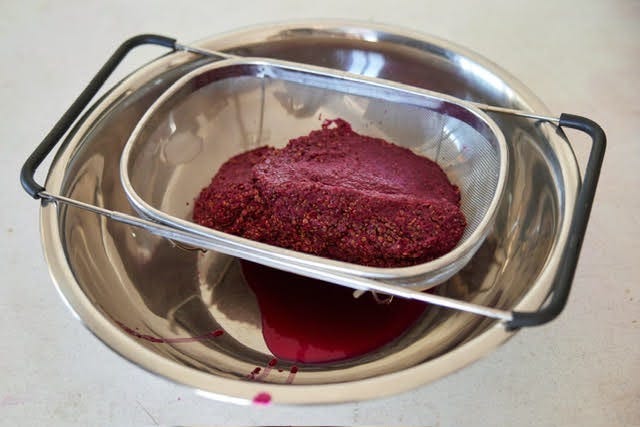
Bitter notes typically stem from over-extraction pulling compounds from seeds and pulp. Ensure complete seed removal during preparation. Strain juice immediately after extraction to prevent bitter compounds from leaching into your liquid. Oxidation during storage creates off-flavors—always refrigerate juice promptly in airtight containers with minimal headspace. If bitterness persists, add 1 teaspoon of lemon juice per quart to balance flavors naturally.
Pro Tips for Perfect Pear Juice Every Time
Combine pear varieties for complex flavor—mix sweet Bartlett with aromatic Bosc pears for depth. Allow freshly extracted juice to rest 30-60 minutes before serving; this brief “breathing” period lets flavors meld and develop, much like fine wine. Serve slightly chilled to emphasize sweetness or at room temperature to highlight delicate floral notes. When juicing large batches, pre-portion ingredients to prevent equipment overheating and have storage containers ready to minimize delays between extraction and refrigeration.
Fresh pear juice made with your juicer offers unparalleled quality and satisfaction compared to store-bought alternatives. By selecting the right pear varieties, using proper juicing techniques, and troubleshooting common issues, you’ll consistently produce exceptional juice that captures the true essence of this delicate fruit. The investment in quality pears and attention to technique pays dividends in every refreshing sip—delivering pure, unadulterated flavor that commercial processing simply cannot replicate. Start your next juicing session with confidence, knowing you’ve mastered the art of perfect pear juice.