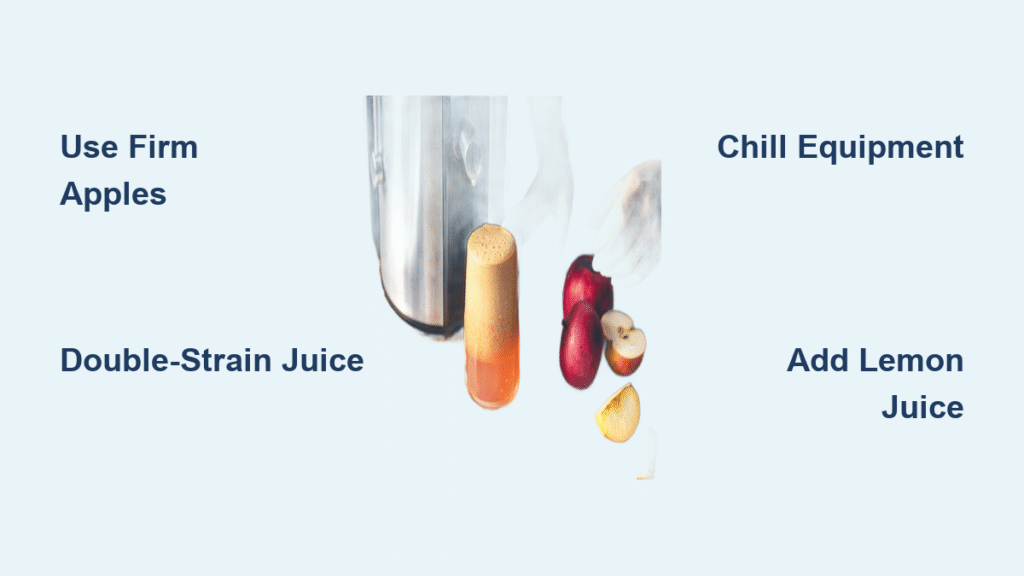
Tired of throwing away perfectly good juicer pulp after making your morning juice? You’re not alone. Millions of home juicers toss nutrient-rich pulp daily, unaware of the culinary goldmine they’re discarding. The fiber, vitamins, and minerals locked in that vibrant carrot, apple, or beet pulp can transform your meals while cutting food waste. With the average juicer discarding 30-50% of produce nutrients in pulp form, reclaiming this resource isn’t just eco-friendly—it’s a nutritional powerhouse waiting to be tapped. In this guide, you’ll discover practical ways to incorporate juicer pulp into everyday meals, from breakfast to dessert, without compromising flavor or texture. Get ready to transform your juicing habit from wasteful to wonderfully resourceful.
Why Your Juicer Pulp Deserves a Second Life
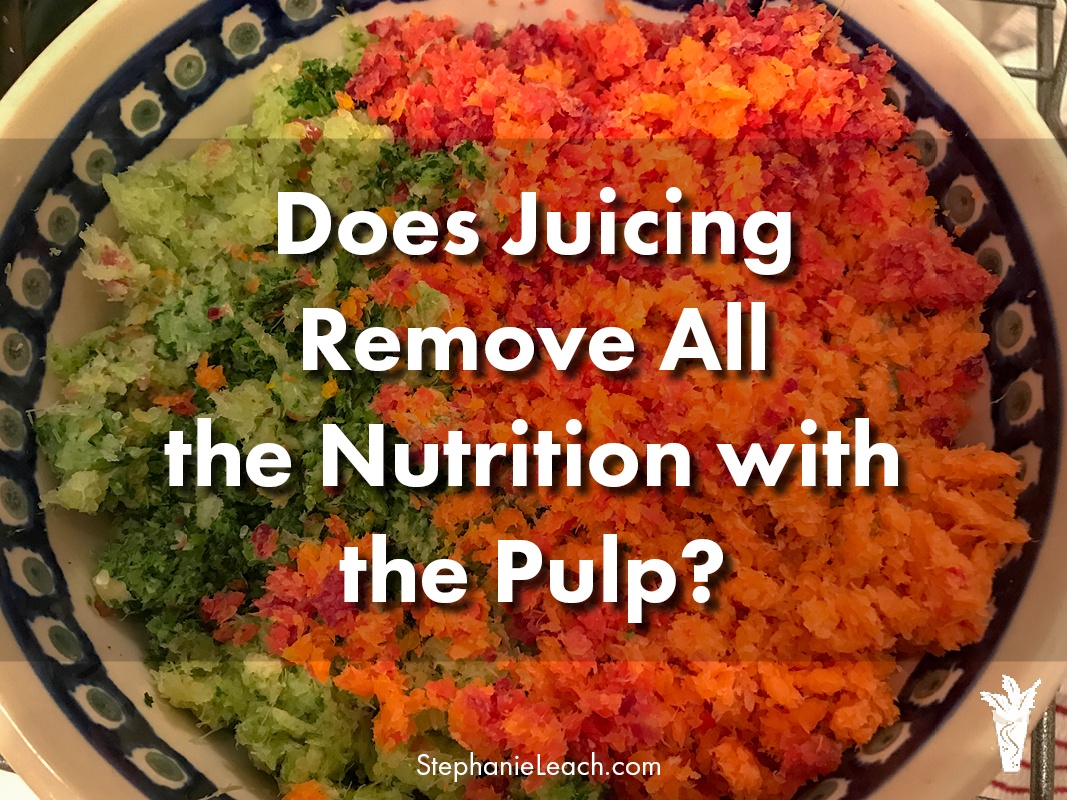
Juicer pulp contains significant nutritional value that most people unknowingly discard. While juicing extracts liquid nutrients, the pulp retains valuable fiber, antioxidants, and certain vitamins that actually work better when consumed in whole food form. Different pulp types offer unique benefits—carrot pulp provides beta-carotene and adds natural sweetness, apple pulp contributes pectin for binding, and leafy green pulp delivers concentrated chlorophyll. Rather than viewing pulp as waste, consider it a versatile ingredient that can enhance texture, moisture, and nutritional density in countless recipes. The key is understanding how to match pulp types with appropriate applications based on their moisture content and flavor profile.
How to Store Juicer Pulp Properly for Later Use
Refrigeration method for immediate use
Store fresh pulp in an airtight container with a paper towel to absorb excess moisture. Most vegetable pulps stay fresh for 3-4 days, while fruit pulps last 2-3 days in the refrigerator. Always press out excess liquid with a nut milk bag before storing to prevent sogginess in future recipes.
Freezing techniques for long-term storage
Portion pulp into ice cube trays, then transfer frozen cubes to labeled freezer bags. This method preserves nutritional value for up to 6 months. For baking applications, freeze pulp in ½ cup portions—the perfect amount for most recipes. Citrus pulps freeze particularly well and add bright flavor to baked goods when thawed.
Transform Breakfast with Juicer Pulp Recipes

Apple Carrot Pulp Pancakes Ready in 20 Minutes
Combine 1 cup all-purpose flour, 1 tablespoon baking powder, and a pinch of salt in a bowl. In another bowl, whisk 1 egg, 1 cup milk, 2 tablespoons melted butter, and ½ cup apple-carrot pulp (squeezed dry). Fold wet ingredients into dry until just combined—don’t overmix. Heat a lightly oiled skillet over medium heat and pour ¼ cup portions for each pancake. Cook until bubbles form on surface (2-3 minutes), then flip and cook another 1-2 minutes. These pancakes stay moist for days when stored properly and freeze beautifully for busy mornings.
Pro tip: For extra nutrition, add 2 tablespoons ground flaxseed to the dry ingredients—this complements the pulp’s fiber content perfectly.
Green Pulp Smoothie Boosters That Actually Improve Flavor
Freeze spinach or kale pulp in ice cube trays, then drop 1-2 cubes into your regular smoothie recipe. The frozen pulp blends seamlessly without altering texture while significantly boosting nutritional content. For fruit-based smoothies, combine ½ cup beet pulp with banana and berries to create a vibrant, nutrient-dense drink with natural sweetness. The key is balancing strong-flavored pulps like celery or wheatgrass with complementary ingredients—pineapple masks potent greens, while citrus brightens earthy root vegetable pulps.
Savory Meals Enhanced with Juicer Pulp
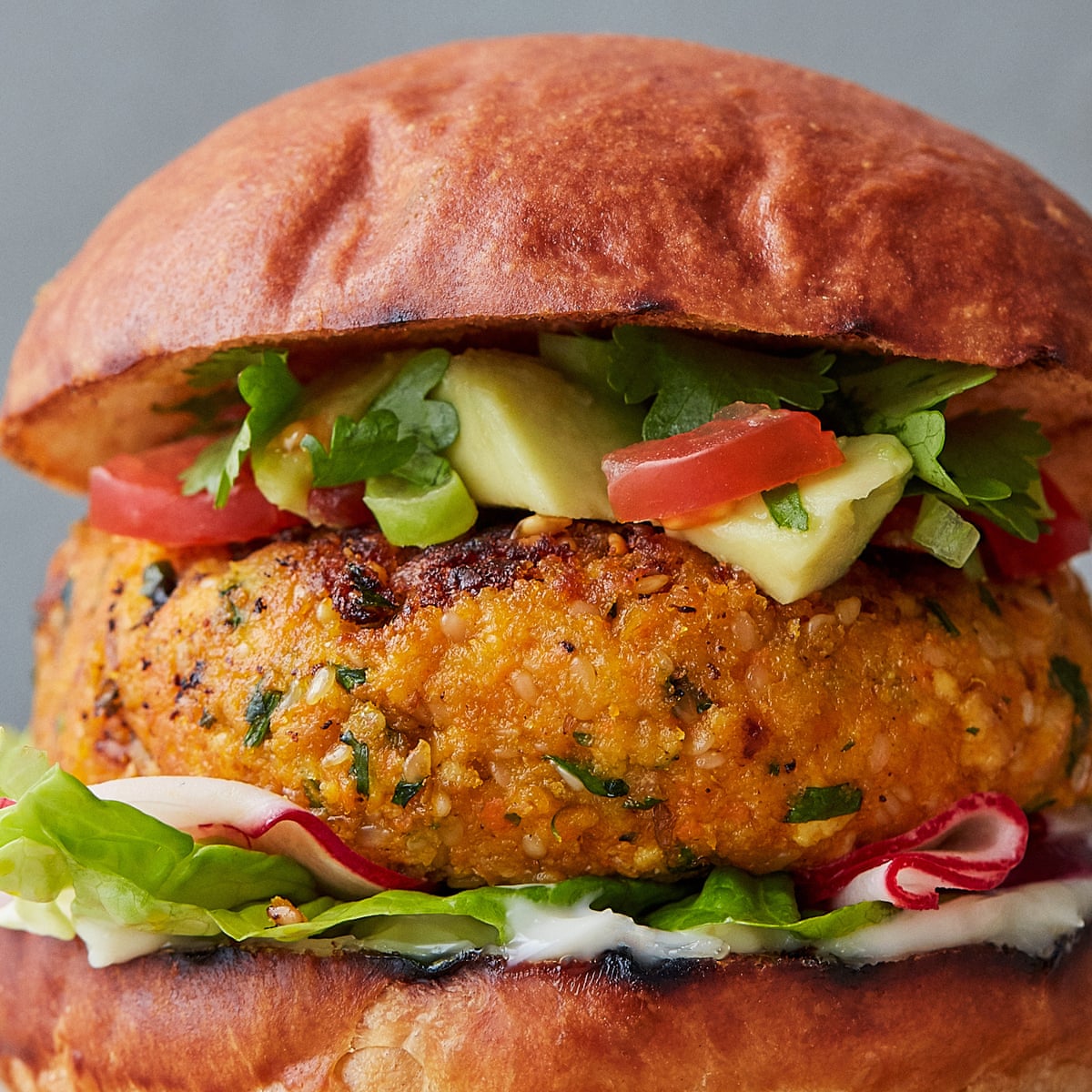
Carrot Pulp Veggie Burgers That Hold Together
Mix 1½ cups carrot pulp (thoroughly squeezed), 1 cup cooked black beans (mashed), ½ cup breadcrumbs, 1 egg, 1 teaspoon cumin, and ½ teaspoon garlic powder. Form into 4 patties and refrigerate for 30 minutes before cooking. Pan-fry in olive oil over medium heat for 4-5 minutes per side until golden brown. The carrot pulp adds moisture and binding properties that prevent the common veggie burger crumble problem. Serve on whole grain buns with avocado and sprouts for a complete meal.
Common mistake to avoid: Skipping the refrigeration step—this allows the patties to firm up and prevents disintegration during cooking.
Beet Pulp Hummus with Vibrant Color and Extra Nutrition
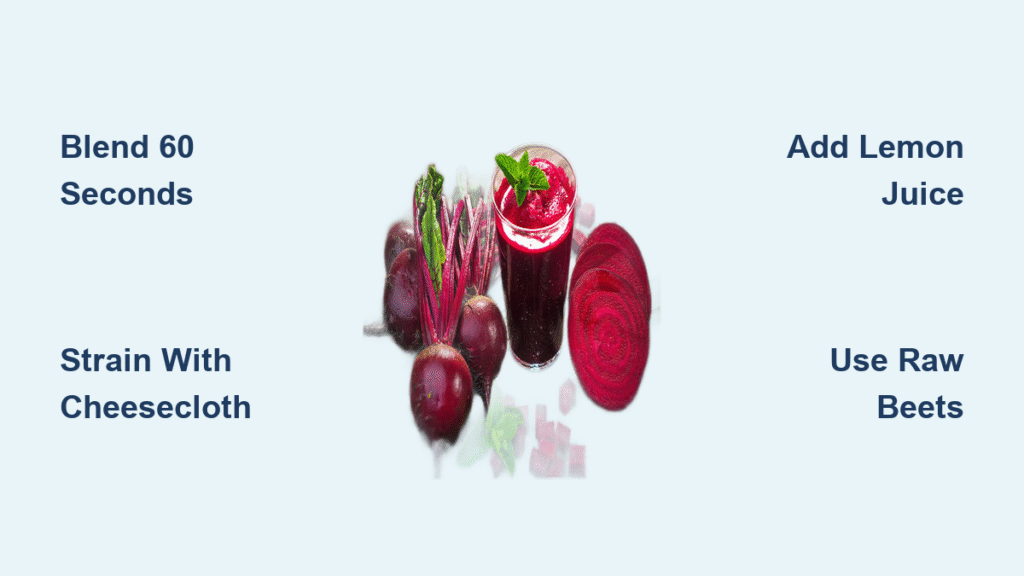
Process 1½ cups chickpeas, ¼ cup tahini, 2 tablespoons lemon juice, 1 clove garlic, ½ cup beet pulp, and 3 tablespoons olive oil in a food processor until smooth. Add water 1 tablespoon at a time until reaching desired consistency. The beet pulp enhances traditional hummus with earthy sweetness, beautiful pink color, and additional fiber. This version spreads more smoothly than standard hummus and pairs exceptionally well with vegetable crudités or whole grain pita.
Baking Projects That Shine with Added Pulp
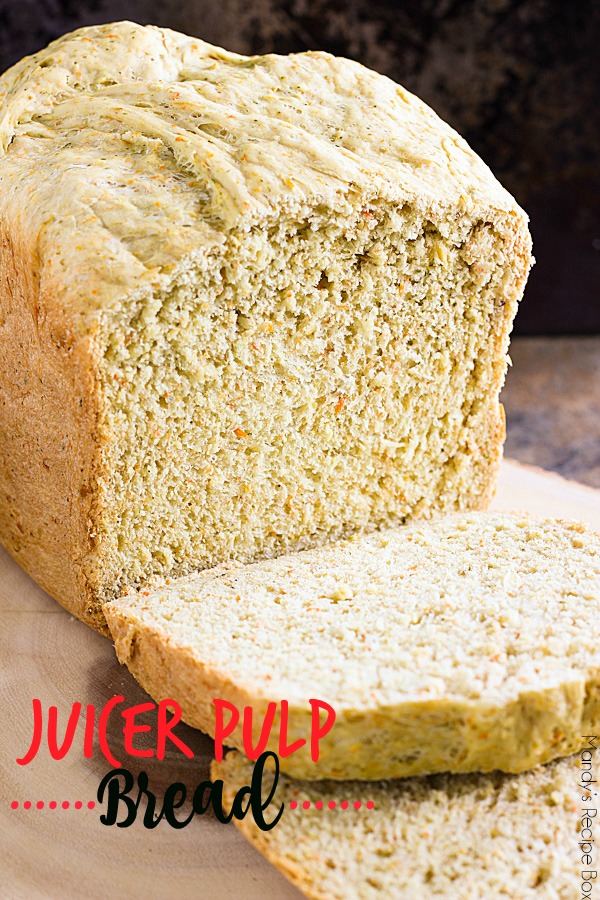
Citrus Pulp Bread with Zesty Flavor and Moist Crumb
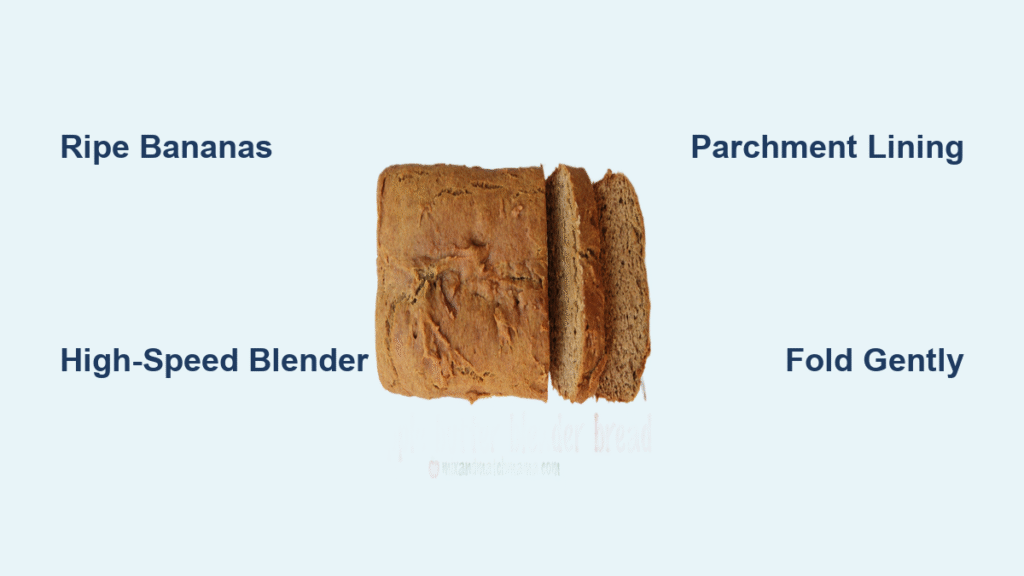
Combine 2 cups flour, 1½ teaspoons baking powder, ½ teaspoon baking soda, and ¼ teaspoon salt. In another bowl, mix 2 eggs, 1 cup sugar, ½ cup oil, ½ cup yogurt, and 1 cup citrus pulp (lemon, orange, or a combination). Fold wet ingredients into dry until just combined. Pour into a greased loaf pan and bake at 350°F for 45-55 minutes. The citrus pulp adds natural moisture that keeps this bread fresh for nearly a week and provides bursts of bright flavor throughout.
Time-saving shortcut: Use frozen citrus pulp cubes directly in the recipe—no need to thaw before baking.
Mixed Fruit Pulp Muffins Perfect for Snacking
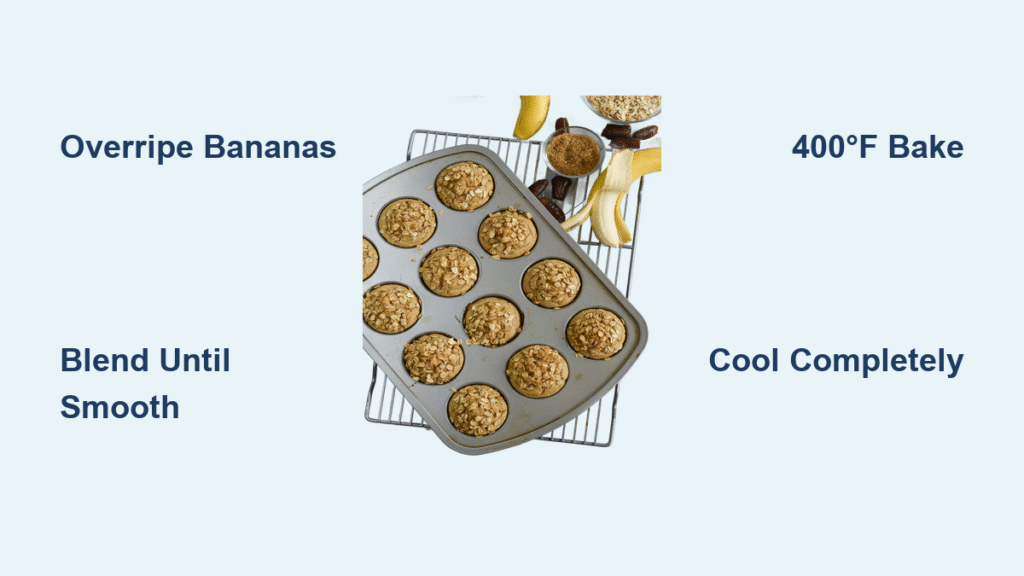
Whisk together 1¾ cups flour, 1 teaspoon baking powder, ½ teaspoon baking soda, and ½ teaspoon cinnamon. In a separate bowl, beat 1 egg with ½ cup honey or maple syrup, then mix in ⅓ cup oil, 1 cup buttermilk, and 1 cup mixed fruit pulp (apple, pear, berry combinations work well). Gently fold wet ingredients into dry. Fill muffin tins ¾ full and bake at 375°F for 18-22 minutes. These muffins freeze exceptionally well and make perfect grab-and-go snacks when wrapped individually.
Creative Uses Beyond Traditional Recipes
Vegetable Pulp Crackers for Zero-Waste Snacking
Spread 2 cups mixed vegetable pulp (carrot, zucchini, bell pepper) thinly on a parchment-lined baking sheet. Sprinkle with 2 tablespoons nutritional yeast, 1 teaspoon garlic powder, and sea salt to taste. Bake at 200°F for 2-3 hours until dry and crisp. For extra flavor, add dried herbs or everything bagel seasoning before baking. These crackers store well in airtight containers for up to two weeks and provide a satisfying crunch with minimal ingredients.
Pulp-Infused Broth for Restaurant-Quality Soups
Simmer 4 cups water with 2 cups mixed vegetable pulp, 1 onion (quartered), 2 celery stalks, and herbs of choice for 45 minutes. Strain through a fine-mesh sieve, pressing gently to extract all liquid. This nutrient-dense broth forms the perfect base for soups, stews, and grain cooking. Unlike store-bought broths, your homemade version contains no additives while delivering deep vegetable flavor. Store in 2-cup portions in the freezer for instant soup starters.
Maintaining Quality When Using Juicer Pulp
How to Adjust Recipes Based on Pulp Moisture Content
Different produce creates pulps with varying water content that affects recipe outcomes. Root vegetable pulps (carrot, beet, sweet potato) tend to be drier and can replace up to 25% of flour in baked goods. Leafy green pulps contain more moisture and work best in smoothies or as binder replacements. Fruit pulps fall in between—apples and pears add moisture without making batters soggy when properly drained. Always squeeze excess liquid from pulp using a nut milk bag before incorporating into recipes to prevent texture issues.
Visual cue: Properly prepared pulp should hold its shape when squeezed without dripping water—a sign it’s ready for most recipes.
Seasonal Pulp Combinations for Best Results
Summer pulp (cucumber, watermelon, citrus) works beautifully in chilled soups and light baked goods. Fall pulp (apple, pear, squash) shines in heartier breads and muffins. Winter pulp (beet, carrot, kale) creates vibrant savory dishes and nutrient-dense comfort foods. Spring pulp (asparagus, pea shoots, radish) makes excellent herbaceous spreads and light crackers. By matching your pulp usage to seasonal produce, you’ll achieve the best flavor combinations while minimizing waste throughout the year.
Transforming juicer pulp from waste to culinary asset takes minimal effort but delivers significant nutritional and environmental benefits. Start with one simple recipe—perhaps the apple-carrot pulp pancakes or beet hummus—and build your confidence with pulp incorporation. Remember to properly store your pulp immediately after juicing, match pulp types to appropriate recipes, and adjust liquid content as needed. Within weeks, you’ll find yourself looking forward to your next juicing session not just for the juice, but for the secondary ingredients that will elevate your everyday cooking. The next time you power up your juicer, view that pulp container not as trash, but as your secret ingredient for more nutritious, flavorful, and sustainable meals.