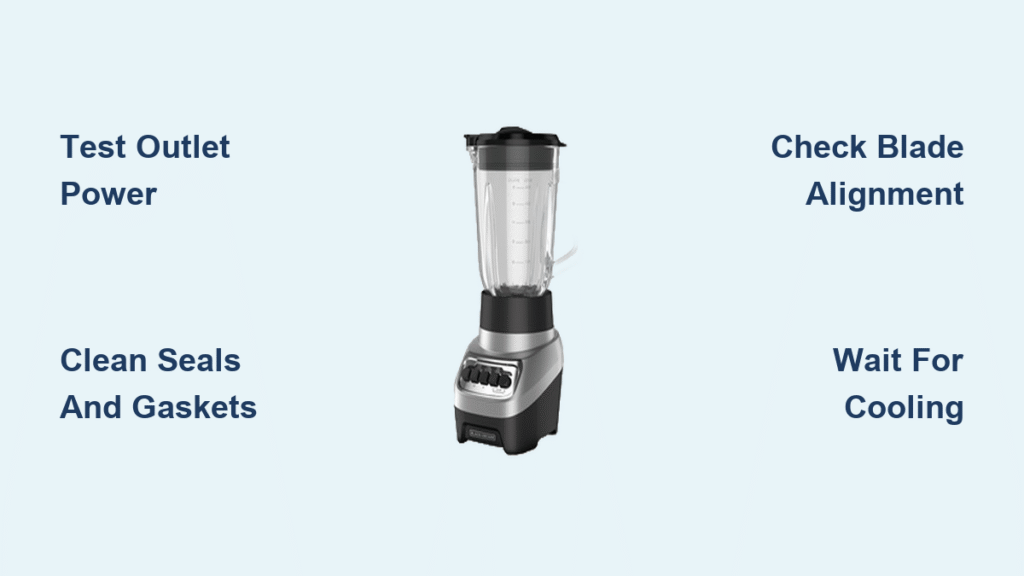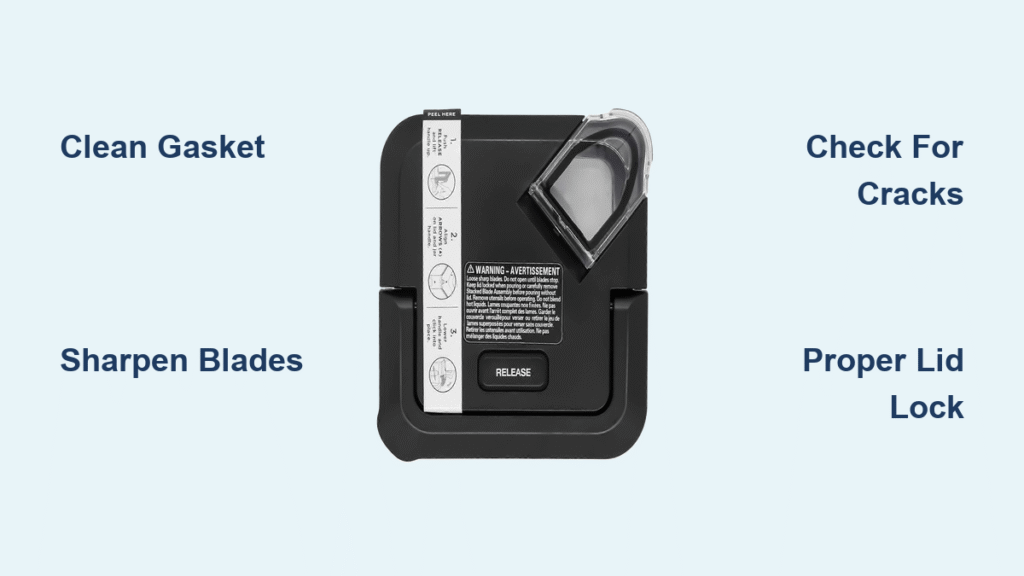
Your Ninja blender starts leaking within 10 seconds of blending, even when the lid feels tight. Liquid escapes around the base, creating a sticky counter mess and risking motor damage as it drips into the electrical components. This frustrating issue hits thousands of Ninja Professional 900W and Ultra Prep owners—often weeks after purchase or following years of reliable use. The culprit isn’t user error; it’s a mechanical flaw where high-speed blending gradually unscrews the lid. The good news? You can diagnose and fix 90% of leaks using simple tools already in your kitchen, often in under 10 minutes without buying parts.
Why Ninja Blender Lids Leak During Operation
Ninja lids loosen mid-blend because the motor’s high torque overpowers plastic threading. As blades spin at 20,000+ RPM, vibration creates rotational force that slowly unscrews the lid—especially with frozen ingredients or dull blades. This design limitation worsens with wear on three critical components.
Dull Blades Multiply Leak Risk
After 18-24 months of use, blades lose their factory sharpness from crushing ice and frozen fruit. Dull blades force the motor to work 30% harder, increasing vibration that accelerates lid loosening. One verified fix: Sharpening blades with a tapered diamond sharpener stopped leaks completely in a Ninja Professional model after years of persistent issues.
Hidden Cracks Break the Seal
Micro-cracks develop around the blade-bearing housing from repeated stress. These hairline fractures—often invisible without bright light—compromise the airtight seal, allowing liquid to seep through threading. Inspect for white stress marks where the blade shaft meets the plastic base; any wobble when pressing the shaft indicates critical failure.
Perform the Upside-Down Seal Test
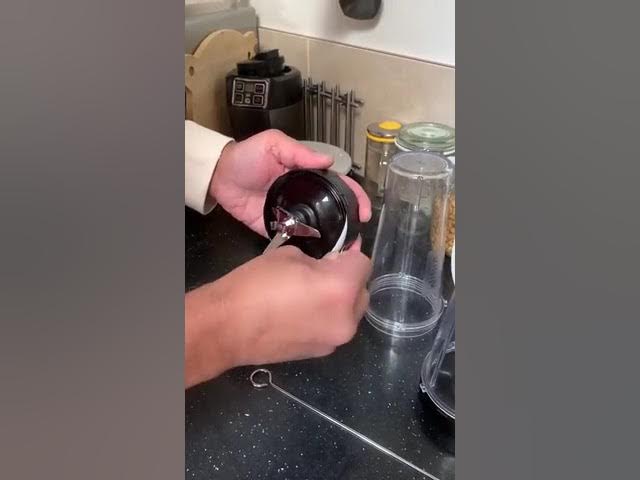
Step 1: Fill container halfway with water and secure the lid
Step 2: Turn counter-clockwise until you hear/feel a distinct click
Step 3: Tighten 1/8 turn past the click point (critical for full seal)
Step 4: Hold container upside-down over sink for 30 seconds
If water drips, you have either gasket contamination, blade issues, or structural damage. No leaks? Your problem likely stems from overfilling or improper locking technique during use.
Clean Gasket Buildup in Under 5 Minutes
Trapped food particles under the rubber gasket cause 40% of leaks. This fix works even when the gasket looks clean.
Remove and Deep-Clean the Gasket
- Twist off the blade assembly from the container base
- Gently lift the rubber gasket using your fingernail or plastic utensil (never metal)
- Rinse under warm water while inspecting for trapped seeds or pulp
- Use a soft-bristled toothbrush to dislodge debris from the gasket groove
- Check for permanent stretching or tears—replace if damaged
Reinstall for Maximum Seal
Press the gasket firmly into its channel, ensuring no twisting or bulges. The inner edge must sit completely flush against the plastic surface. A properly seated gasket creates visible tension when you lock the lid.
Sharpen Blades Without Full Disassembly
Dull blades increase vibration that loosens lids. Restore cutting power in 7 minutes:
What you need: Tapered diamond sharpener ($8 on Amazon) or ceramic honing rod
Critical safety step: Unplug blender and remove container from base
- Fill container halfway with warm, soapy water
- Run blender for 30 seconds to clean blade surface
- With blender OFF, insert sharpener at 15-degree angle to blade edge
- Make 3-4 smooth passes per blade while rotating assembly slowly
- Rinse container thoroughly 3x to eliminate metal particles
- Repeat for all six blades
Pro tip: Sharpen every 6 months to prevent torque-related leaks. Never use a knife sharpener while blades are attached to the motor base.
Diagnose Blade Assembly Cracks

Hairline fractures in the plastic base are silent leak culprits. Use this inspection method:
Light-Based Crack Detection
- Shine a flashlight at a 45-degree angle across the blade assembly base
- Rotate slowly while examining the plastic near the blade shaft
- Look for spiderweb patterns or milky-white discoloration
- Pay special attention to stress points where threads meet the base
Wobble Test for Bearing Failure
Press downward on the blade shaft while holding the plastic base. Any lateral movement—even slight—means the bearing is compromised. Stop using immediately; liquid will leak into the motor housing during blending.
Prevent Lid Loosening During Blending
Reduce torque spikes that unscrew lids with these technique adjustments:
- Frozen ingredient limit: Never exceed 1 cup frozen fruit per 48oz container
- Liquid-first rule: Always add ½ cup liquid before solids to cushion initial impact
- Pulse protocol: Use 3-second pulses instead of continuous blending for thick mixtures
- Fill line discipline: Stay 1.5 inches below max line—overfilling increases pressure 200%
Critical mistake: Forcing the lid when resistance is felt. This strips plastic threads permanently. If it won’t click into place, inspect for gasket misalignment first.
Replace Critical Worn Parts
When cleaning fails, specific components need replacement:
Gasket Replacement Guide
- Order part numbers: 351KKU6500 (Professional models) or 351KKU7500 (Ultra Prep)
- Verify fit: Inner diameter must measure 3.5 inches; stretch test by looping over finger
- Installation tip: Dip new gasket in warm water for 30 seconds to improve flexibility
- Replacement schedule: Every 12-18 months with daily use
Blade Assembly Swaps
Cracked bases require full assembly replacement. Confirm compatibility:
– Professional 900W: Use BL610 or BL660 assemblies
– Ultra Prep: Requires QB1000 series
– Match twist pattern: Count the locking tabs (3 vs 4) on your current assembly
Urgent warning: If you smell burning or see smoke during use, unplug immediately. Liquid infiltration causes electrical shorts that can destroy the motor.
Daily Leak Prevention Routine
Make these habits part of your workflow:
– After each use, rinse the gasket groove with a bottle brush
– Monthly blade sharpness check: Blend ice cubes—if they clump instead of pulverizing, sharpen
– Weekly crack inspection: Hold assembly against window light for 10 seconds
– Store with lid slightly loose to prevent gasket compression set
Emergency Leak Containment Protocol
For unavoidable immediate blends with minor leaks:
1. Place triple-folded dish towel under motor base
2. Hold lid firmly with oven-mitted hand (prevents burns from vibration)
3. Blend in 3-second pulses with 5-second rests
4. Stop if leak rate exceeds 1 drop/second
5. Wipe motor base thoroughly with dry microfiber cloth post-blend
Never ignore: Persistent leaks risk permanent motor damage. This is strictly a 1-2 use temporary solution.
Key Takeaways for Permanent Fixes

Ninja blender lid leaks almost always stem from three fixable issues: contaminated gaskets (40% of cases), dull blades increasing vibration (30%), or micro-cracks in the blade assembly (20%). Start with the upside-down seal test, then clean the gasket and sharpen blades—solving most problems in under 15 minutes. Replace worn gaskets every 18 months and inspect for cracks monthly to prevent leaks. If you smell burning or see smoke, stop using immediately and replace the blade assembly. With proper maintenance, your Ninja will deliver leak-free blending for years, saving you the $50-$80 cost of premature replacement. For persistent issues, upgrade to Ninja’s stainless steel containers which resist torque deformation better than plastic models.