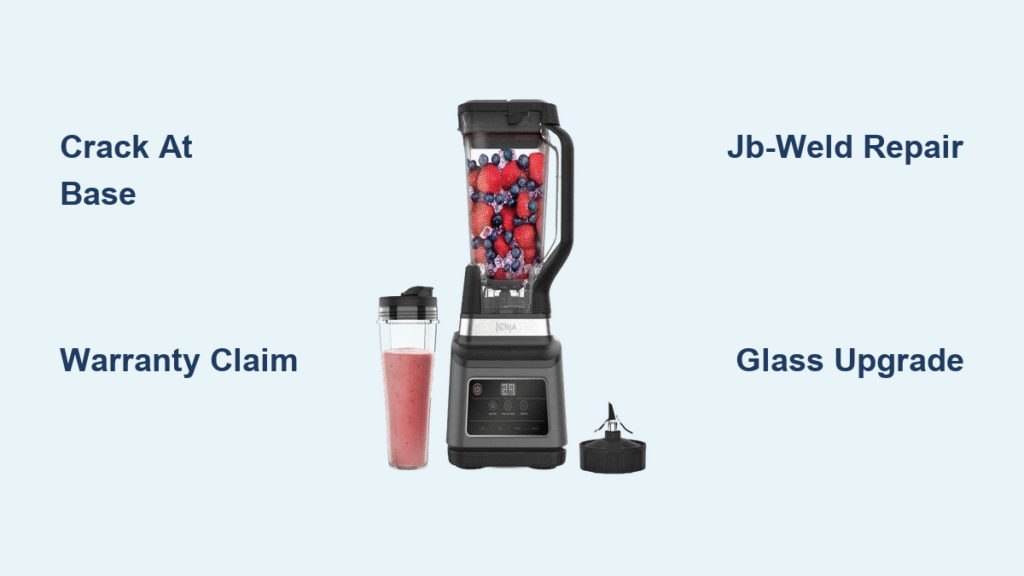
You’re blending your morning smoothie when brown sludge starts oozing from the base—again. That tiny crack you spotted last week has exploded into a full-blown leak disaster, ruining your countertop and your routine. If you own a Ninja blender, you’re not alone: thousands report identical pitcher failures within just 6–20 uses, despite careful hand-washing and no drops. This guide cuts through the frustration with actionable solutions for your broken Ninja pitcher—from pushing past warranty denials to permanent fixes—so you can stop replacing pitchers every few months and get back to blending with confidence.
Why Ninja Pitchers Crack at Base
Crack Pattern Every Owner Sees
Hairline fractures consistently appear where the blade assembly meets the black plastic base—a direct result of torque stress from the motor’s 1,000–1,500 watts of power. The plastic housing simply can’t withstand repeated rotational force against the blade stack, creating predictable stress fractures along this seam. Multiple users confirm identical crack patterns across different households, proving this isn’t random damage but a systemic design flaw.
Timeline From Perfect to Leaking
Most owners experience catastrophic failure shockingly fast: cracks emerge within the first 12 months, often after just 6–20 uses. Families report multi-generational failures—parents and adult children experiencing identical pitcher breakdowns across separate units. One online thread alone documents 4+ users on their third or fourth replacement pitcher, highlighting how quickly “like-new” condition turns into daily leaks.
Leak Warning Signs
Once cracks form, every blend cycle becomes a hazard. Liquid seeps through fractures during operation, creating sticky puddles under your blender and permanently staining countertops. The leakage worsens rapidly—what starts as minor seepage escalates to full fluid escape within days, making continued use impossible without risking electrical damage or kitchen cleanup nightmares.
Warranty Claim Success Strategy
Initial Denial Is Normal
Ninja’s customer service typically blames user damage during first contact, denying coverage despite perfect usage. Don’t accept this. The overwhelming pattern of identical failures across thousands of units proves this is a design issue, not user error. Persistent escalation is required to overcome this standard denial tactic.
Required Documentation
Gather these essentials before contacting Ninja:
– Original receipt (photo or email confirmation)
– Clear close-up photos showing crack locations from multiple angles
– Serial number from the base sticker
– Brief usage history confirming exclusive hand-washing and no drops
Escalation Path That Works
Follow this verified sequence for success:
1. Call Ninja at 1-866-826-6941 or visit support.ninjakitchen.com
2. State clearly: “This matches the documented pitcher cracking issue”
3. Request a supervisor immediately upon denial
4. Reference specific online forums showing identical failures
5. Insist on a one-time goodwill replacement—supervisors typically authorize these within 5–7 business days
Replacement Options Breakdown

Genuine Ninja 72 oz Pitcher
Expect to pay $80–$95 for the OEM pitcher through Amazon, Walmart, or Ninja direct. It includes a BPA-free pitcher, locking lid, and 6-blade assembly—but critically, it carries the same design flaw. Owners report identical cracking timelines, making this a temporary fix at best despite the premium price.
Aftermarket 72 oz Alternatives
Third-party pitchers cost $69–$75 and advertise “new model” designs with rim extensions for BL610, BL660, and BL770 series blenders. While ratings range from 3.3–4.4/5 stars, they still use plastic construction vulnerable to torque stress. Check for ASIN B0C6JV2Y7H or B0CN5L3V7C to ensure compatibility with your model.
OEM Part Numbers You Need
| Model Series | Part Number | Includes |
|---|---|---|
| BL770/BL771/BL772 | 507KKU770 | Pitcher + lid only |
| BN701/BN700 | 711KKU700 | Pitcher + lid + blade |
| BL610/BL710WM | 518KKU610 | Complete assembly |
DIY Repair Methods That Work
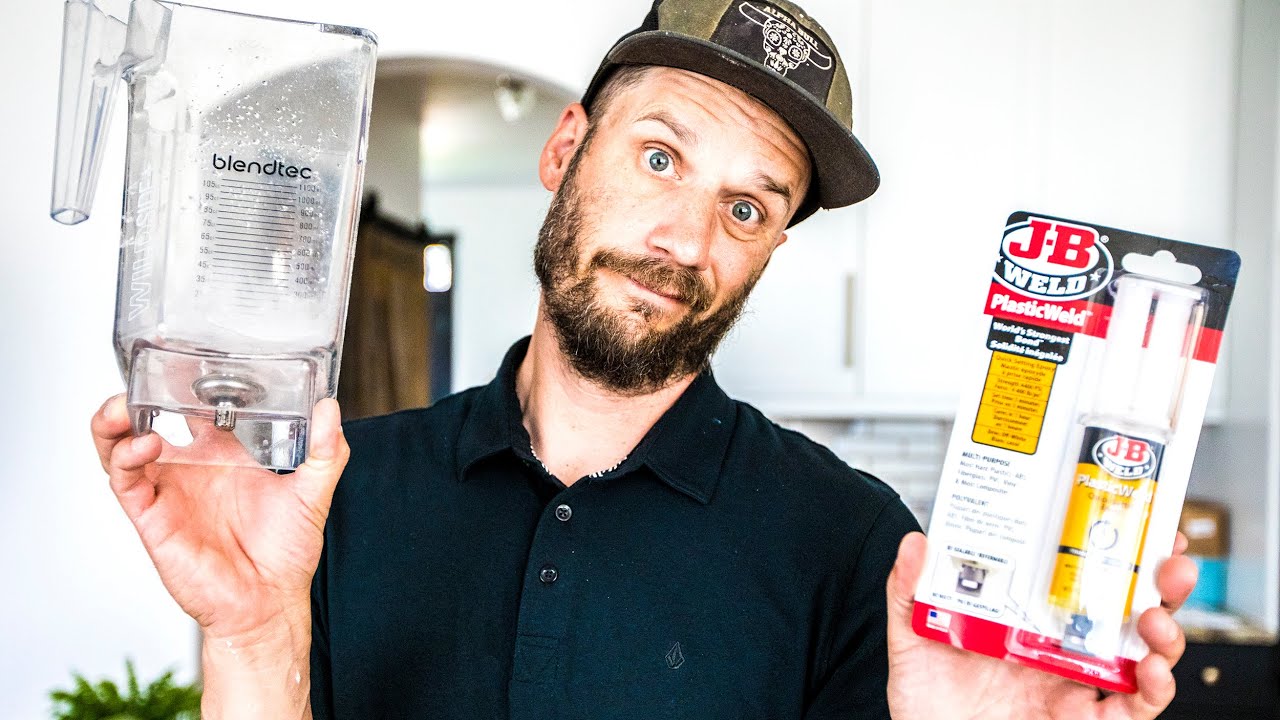
JB-Weld Epoxy Patch
Materials needed:
– JB-Weld 2-part epoxy
– Fine-grit sandpaper
– Gloves and well-ventilated workspace
Steps:
1. Lightly sand crack area to create grip
2. Mix epoxy thoroughly per instructions
3. Apply thin layer over entire crack
4. Cure undisturbed for 24+ hours
5. Test with light blends first
Warning: Not food-safe for direct contact—expect 3–4 weeks of limited use before reapplication. Aesthetics will be compromised with visible patching.
Marine Silicone Seal
Better food-safe solution:
– Use 100% food-grade marine silicone
– Apply thin bead along crack interior
– Smooth with gloved finger for seamless seal
– Cure 48 hours before first use
– Creates flexible, waterproof barrier that outlasts epoxy
Preventing Future Cracks
Torque Reduction Technique
During high-load blends (ice, frozen fruit, or dough), firmly hold the pitcher against the base. This reduces flex at the stress point where cracks originate. Users report significantly slower crack progression with this simple habit—turning a 20-use failure into 50+ cycles.
Cleaning Method That Matters
Never put your Ninja pitcher in the dishwasher. Instead:
– Fill with warm soapy water
– Pulse clean for 5–10 seconds
– Rinse thoroughly
– Air dry upside down
Dishwasher heat cycles accelerate plastic degradation, making cracks appear faster.
Upgrade Consideration
Many long-term users switch permanently to glass-pitcher blenders ($40–$200). While the initial cost is higher, satisfaction reports show zero crack issues and years of reliable use. If you’re on your second replacement pitcher, this investment eliminates recurring frustration.
Quick Compatibility Check

72 oz XL Models
Fits BL610, BL660, BL710WM, BL770, BL771, BL773, BL780, CO610B, CO650B, and CT610. Critical: Verify “new model” vs “old model” tab geometry before purchasing—mismatched tabs cause wobbling and accelerated cracking.
64 oz Processor Bowl
Designed for food processing (not blending), with part numbers 317KKU770 (bowl only) or 490KKU685 (bowl + lid). Fits BL770, BL771, BL772, BL780, and BL660 series.
48 oz Pulse Models
Square-base pitchers with twist-lock mechanism. Fits QB1004, QB900B, BL206, BL207, and BL250 models. Priced $22.33–$29.99 for pitcher only.
Where to Buy Safely
Amazon Prime
- Price range: $69.99–$98.99
- Shipping: Free Prime delivery by Friday
- Reviews: 25,000+ ratings averaging 4.1–4.4 stars
- Return policy: 30-day window
Walmart.com
- Aftermarket focus: $68.99–$74.99
- Warranty: 1-year coverage on select SKUs
- Convenience: Free store pickup available
eBay Used
- OEM price: $22.22–$45.00
- Shipping: $7–$12 extra
- Risk: No warranty, potential hidden cracks
- Best for: Budget fixes when immediate replacement isn’t critical
Final Decision Framework
Choose repair if:
– Crack is small and recent
– Budget under $20
– Temporary solution acceptable (3–4 weeks)
Choose replacement if:
– Leakage is severe
– Still within warranty period
– Need immediate functionality
Choose upgrade if:
– On 2nd+ replacement pitcher
– Frustrated with recurring failures
– Want permanent glass solution
The evidence is undeniable: Ninja’s plastic pitchers have an inherent design flaw that causes premature cracking. While warranty claims and temporary repairs can buy time, the long-term solution requires either switching to glass-pitcher alternatives or accepting recurring replacements. Document your failure thoroughly, push past initial warranty denials, and weigh repair costs against the peace of mind that comes with a reliable blender. Your countertop—and sanity—will thank you.