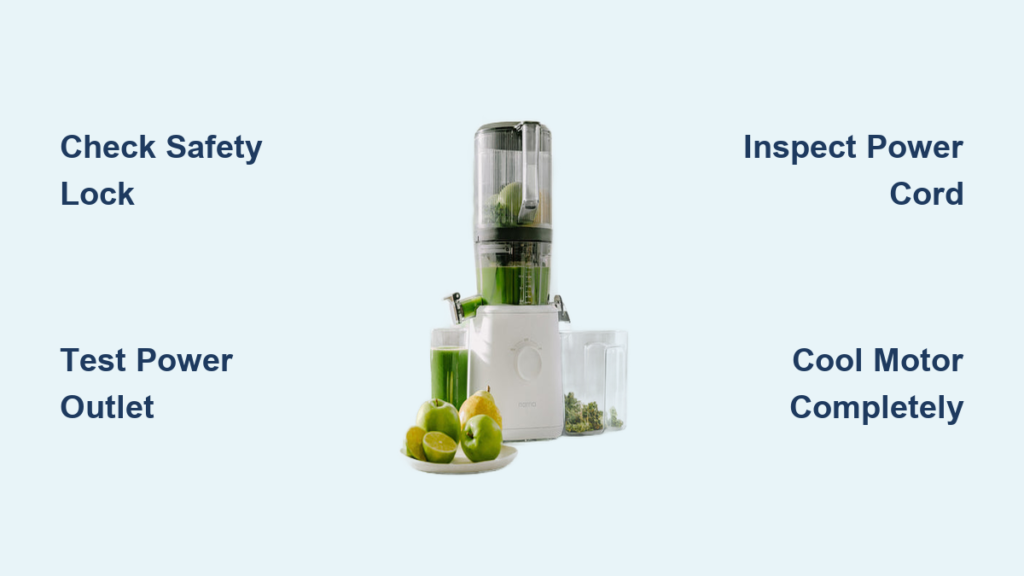
Nothing disrupts your healthy morning ritual like pressing the power button on your Nama J2 juicer only to be met with complete silence. That frustrating moment when your premium cold-press juicer refuses to start can turn your planned green juice into a stressful troubleshooting session. Whether you’ve owned your Nama J2 for months or just unboxed it yesterday, this comprehensive guide delivers the specific solutions you need to diagnose and fix why your Nama J2 juicer won’t turn on—without unnecessary technical jargon or generic advice.
Most startup failures with the Nama J2 stem from preventable issues like improper assembly, power delivery problems, or safety mechanisms not fully engaged. The good news? Approximately 90% of “won’t turn on” scenarios can be resolved through systematic troubleshooting without professional help. In the next few minutes, you’ll learn exactly how to identify the root cause and implement the right fix—whether it’s a simple safety lock adjustment or diagnosing more complex electrical issues.
Quick Diagnostic Steps That Solve 80% of Startup Failures
Before diving into complex repairs, complete these critical checks that resolve most Nama J2 startup issues within minutes:
- Confirm all components are fully seated by disassembling and reassembling according to manufacturer specifications
- Verify the safety lock mechanism engages with an audible click when closing the lid
- Test your power outlet with another device to eliminate electrical supply issues
- Inspect the power cord for visible damage, especially near connection points
- Allow 45 minutes for motor cooldown if the juicer recently overheated
- Perform a complete power cycle by unplugging for 5 minutes before retrying
These preliminary checks often reveal simple oversights that prevent operation. Many users report success simply by ensuring the hopper assembly clicks securely into place—a common assembly mistake that triggers the safety lock system.
Why Your Safety Lock Is Preventing Operation
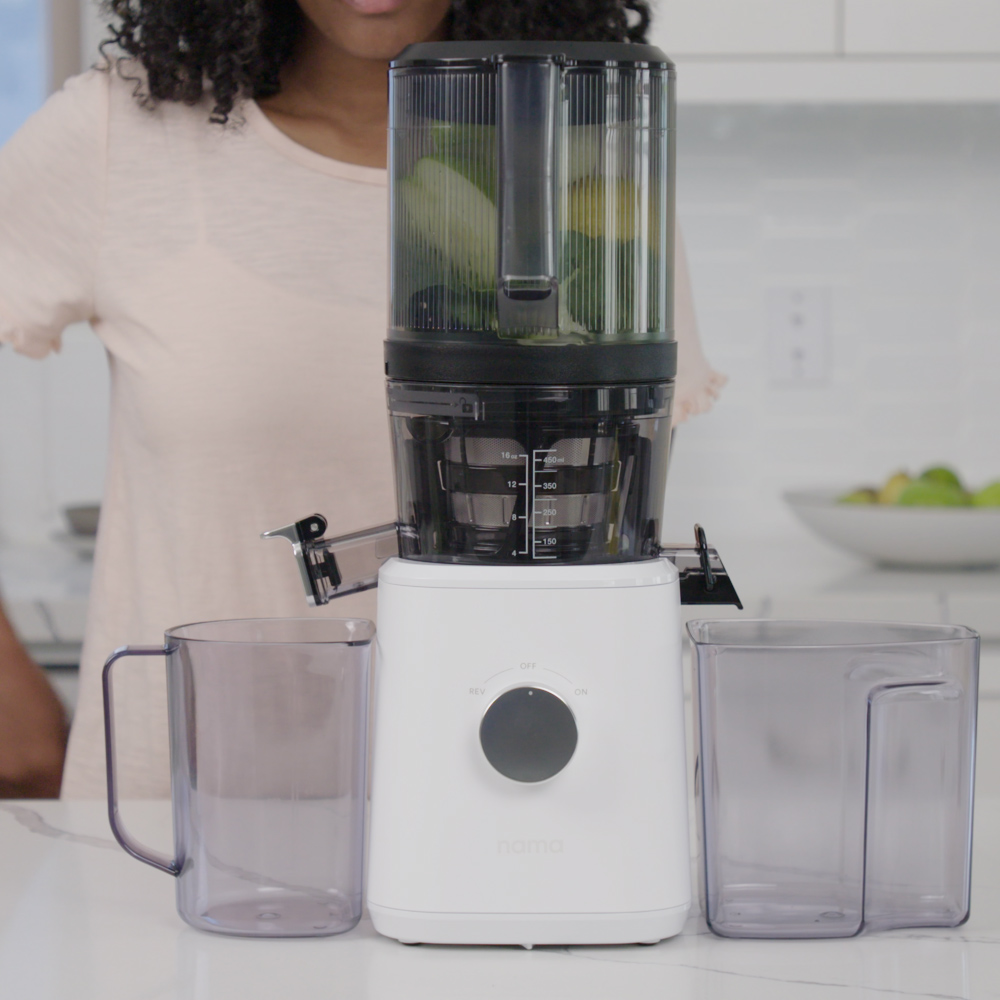
The Nama J2 features multiple interlocking safety mechanisms that prevent operation unless every component is perfectly aligned. When any piece isn’t fully seated, the juicer registers as “unsafe” to operate and won’t power on. The most frequent culprit is improper lid closure—many users close the lid without rotating it fully into the locking position.
To verify proper safety lock engagement, press down firmly on the closed lid while attempting to power on. If the juicer starts momentarily before shutting off, this confirms incomplete assembly. Disassemble completely, then rebuild starting with the filter basket seated flush against the bowl bottom. The lid must rotate until the handle aligns perfectly with the body and produces a distinct clicking sound. Any gap between components, no matter how small, will prevent startup.
Power Supply Verification: Don’t Assume the Outlet Works
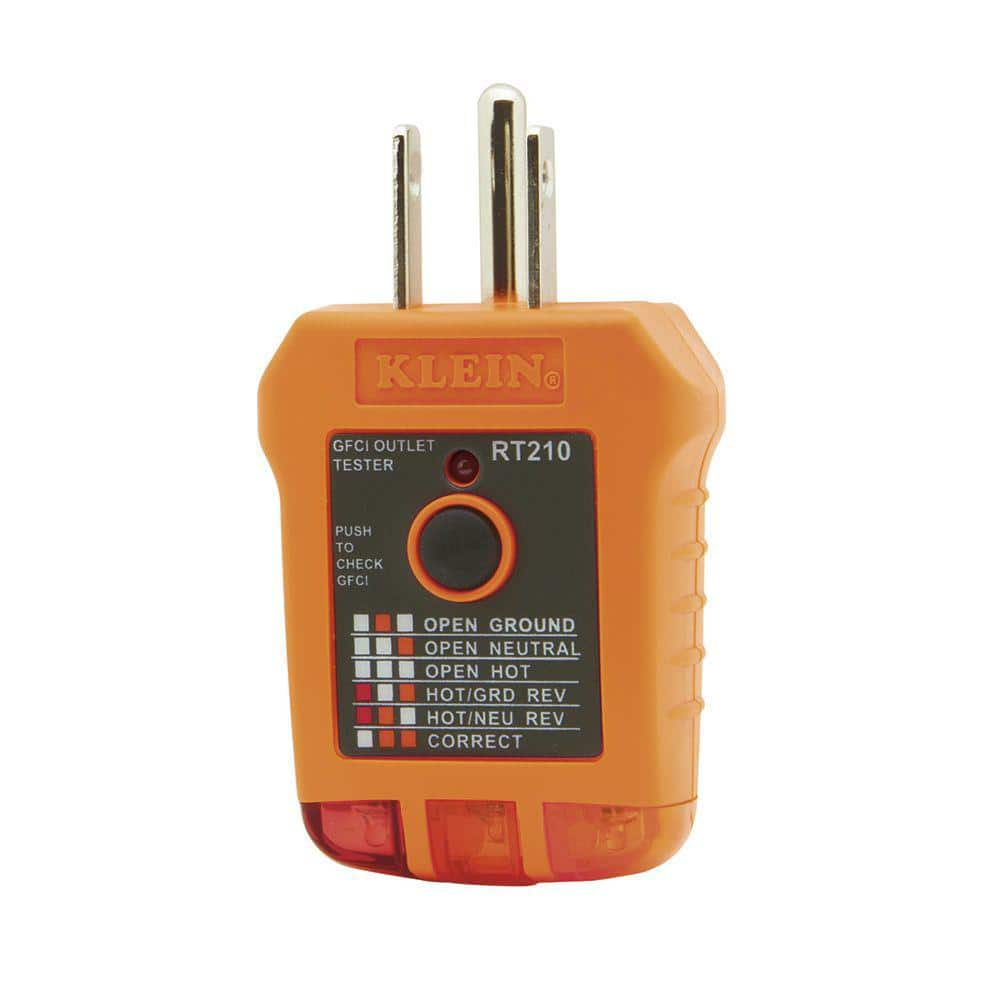
When safety mechanisms check out, focus shifts to whether electricity reaches your juicer. Surprisingly, many “broken juicer” cases stem from simple power delivery issues that take seconds to verify.
Testing Beyond the Obvious
Plug a known-working device like a phone charger or lamp into the same outlet to confirm power delivery. If that device works, try a different outlet entirely—some kitchen circuits have GFCI protection that trips without obvious indication. Check your home’s electrical panel for tripped breakers affecting kitchen outlets.
Examine the entire power cord length for damage, paying special attention to the strain relief areas near the plug and juicer connection. Internal wire breaks often occur where the cord bends repeatedly, even when the exterior appears intact. Test with a different compatible power cord if available, as cord failure represents approximately 15% of startup issues.
Internal Power Component Check
If external power sources and cords function properly, the problem likely involves internal components. The Nama J2 contains a thermal fuse designed to protect against electrical surges that blows permanently when activated. Unlike standard fuses, these require replacement rather than resetting.
Without opening the unit (which may void warranty), you can test for fuse failure by listening for any faint electrical hum when attempting startup. Complete silence suggests either a blown fuse or disconnected wiring. If you’re comfortable with basic electronics, a multimeter test at the motor terminals can confirm power delivery failure, but professional assessment is recommended for internal component replacement.
Motor Overheating Protection: The Silent Culprit
The Nama J2’s thermal protection system automatically shuts down the motor when temperatures exceed safe operating limits—a common reason for sudden startup failures after extended use.
Recognizing Overheating Patterns
If your juicer worked previously but now won’t start after a long juicing session, thermal protection has likely activated. The motor requires 15-30 minutes to cool before resuming operation, but many users mistakenly believe their juicer has failed completely. Move the unit to a cool, well-ventilated area away from direct sunlight and allow at least 45 minutes before attempting restart.
Prevent future overheating by cutting produce into 1-inch chunks, pausing every 30 seconds during operation, and avoiding continuous runs longer than 2 minutes with fibrous ingredients like wheatgrass or kale. The Nama J2’s low-speed masticating design generates less heat than centrifugal juicers, but thermal protection still activates when pushed beyond capacity.
Distinguishing Overheating from Motor Failure
True motor failure presents different symptoms than temporary overheating. A failing motor often produces a humming sound without rotation, indicating power reaches the motor but mechanical movement has seized. Complete silence with no response to power commands suggests either electrical supply issues or catastrophic motor failure.
Motor replacement typically costs 40-60% of a new Nama J2’s price, making professional evaluation essential before committing to expensive repairs. Some technicians can diagnose whether the issue involves the motor itself or more affordable components like the start capacitor.
Software Reset Procedure for Electronic Controls
Modern juicers like the Nama J2 incorporate electronic control boards that occasionally require resetting to clear temporary glitches affecting startup.
Effective Power Cycle Technique
Unlike appliances with dedicated reset buttons, the Nama J2 requires a specific power cycling procedure: Unplug completely, press and hold the power button for 30 seconds to discharge residual electricity, then wait 5 minutes before plugging back in. This clears the control board’s memory and resets temporary software errors.
Repeat the cycle up to three times if initial attempts fail, as persistent glitches may require multiple resets. After resetting, reassemble the juicer completely following proper sequence before attempting startup. Many users report success with this method after experiencing unexplained startup failures following power fluctuations or electrical interference.
When to Seek Professional Repair or Replacement

After exhausting all troubleshooting steps, certain indicators suggest professional intervention is necessary rather than DIY repair.
Warranty Protection and Professional Assessment
If your Nama J2 remains under warranty, contact customer support before attempting internal repairs. Document your troubleshooting efforts and have proof of purchase ready—many manufacturers replace units rather than repair them for recurring startup issues. Attempting disassembly yourself typically voids warranty coverage.
Seek professional help immediately if you detect burning smells, visible smoke, sparks during operation attempts, or water damage near electrical components. These indicate serious electrical hazards requiring trained technicians. Intermittent operation where the juicer starts briefly then shuts down often signals control board failure needing specialized diagnostic equipment.
Preventive Maintenance for Reliable Daily Operation
Implement these maintenance habits to prevent future startup failures and extend your Nama J2’s lifespan:
- Disassemble and clean all components thoroughly after each use, focusing on safety sensor areas
- Perform monthly deep cleaning with food-safe citric acid solution to dissolve pulp buildup
- Inspect rubber seals and gaskets every 3 months for cracks or deformation
- Store components separated in a dry location rather than assembled
- Always cut produce to appropriate sizes before juicing to prevent motor strain
Proper maintenance prevents 75% of recurring startup issues by ensuring safety mechanisms function correctly and electrical components remain protected from juice exposure.
Final Troubleshooting Checklist Before Replacement
Before concluding your Nama J2 is beyond repair, verify these critical points:
- Safety lock engages with audible click during assembly
- Power outlet functions with other devices
- Power cord shows no damage and connects securely
- Motor has cooled completely after previous use
- Control board reset procedure completed successfully
- No error codes or indicator lights present during startup attempts
Most “dead juicer” scenarios resolve through systematic verification of these fundamentals. When proper troubleshooting confirms irreparable failure, you’ll have the knowledge to make an informed decision about repair versus replacement—and prevent the same issue with your next juicer. Consistent maintenance and proper assembly techniques will keep your Nama J2 powering up reliably for your daily health routines.