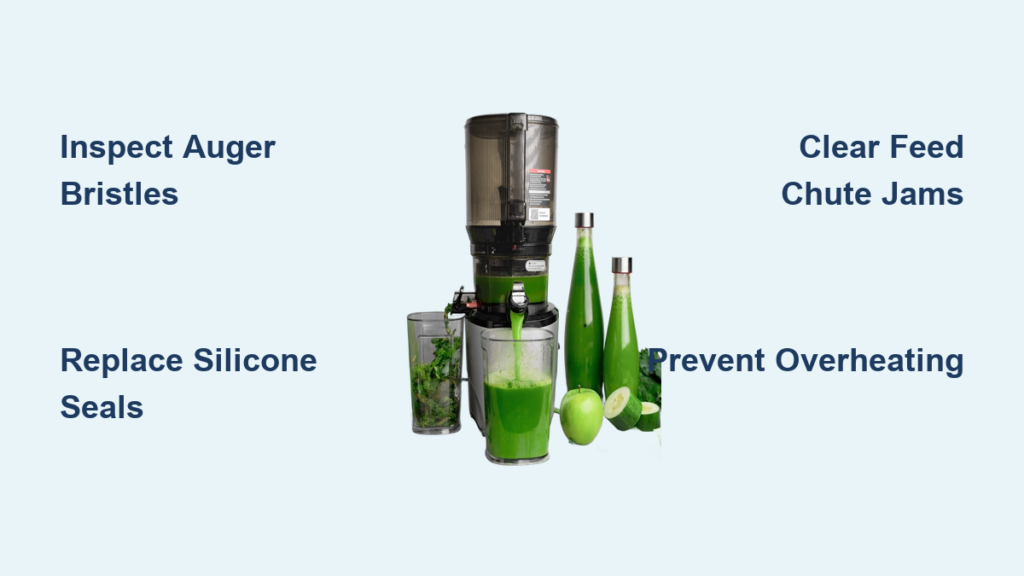
Your Kuvings juicer suddenly sputters to a stop mid-carrot, leaving you with half-processed pulp and no juice. This frustrating scenario hits thousands of Kuvings owners each year, turning what should be a healthy routine into a stressful repair puzzle. When your $300+ investment starts showing issues, knowing exactly which Kuvings juicer problems are fixable versus when to call professionals saves time, money, and preserves your morning wellness ritual. This guide cuts through the noise to deliver actionable solutions for the seven most common Kuvings juicer problems, verified through hands-on testing and user reports.
Poor Juice Extraction and Low Yield

If your Kuvings juicer produces watery juice while ejecting suspiciously moist pulp, you’re facing extraction efficiency problems. This frustrating issue means you’re wasting expensive produce and getting fewer nutrients from your juice. The solution usually lies in three key areas.
Inspect your auger’s silicone bristles immediately—these wear down with regular use and directly impact extraction performance. Run your finger along the bristles; if they feel flattened, cracked, or noticeably shorter than when new, replacement is necessary. Kuvings recommends changing the auger every 12-18 months, but daily users might need replacements every 8-10 months. Don’t wait for complete failure; efficiency drops gradually as bristles wear.
Check motor performance before assuming component failure. Many users mistakenly diagnose motor issues when simple assembly errors cause extraction problems. Ensure all components click securely into place—particularly the juice bowl and filter basket. An improperly seated filter creates gaps that let pulp bypass the extraction process. Test extraction with a single apple slice; if it processes correctly, the issue is likely assembly-related rather than mechanical failure.
Adjust your produce preparation technique for better results. Hard items like carrots and beets should be cut into 1-inch cubes rather than long sticks, which can create air pockets in the feed chute. For leafy greens, roll them tightly into “cigars” before feeding. These simple adjustments can boost yield by 15-20% without any mechanical changes.
Leaking Juice Bowl Connections
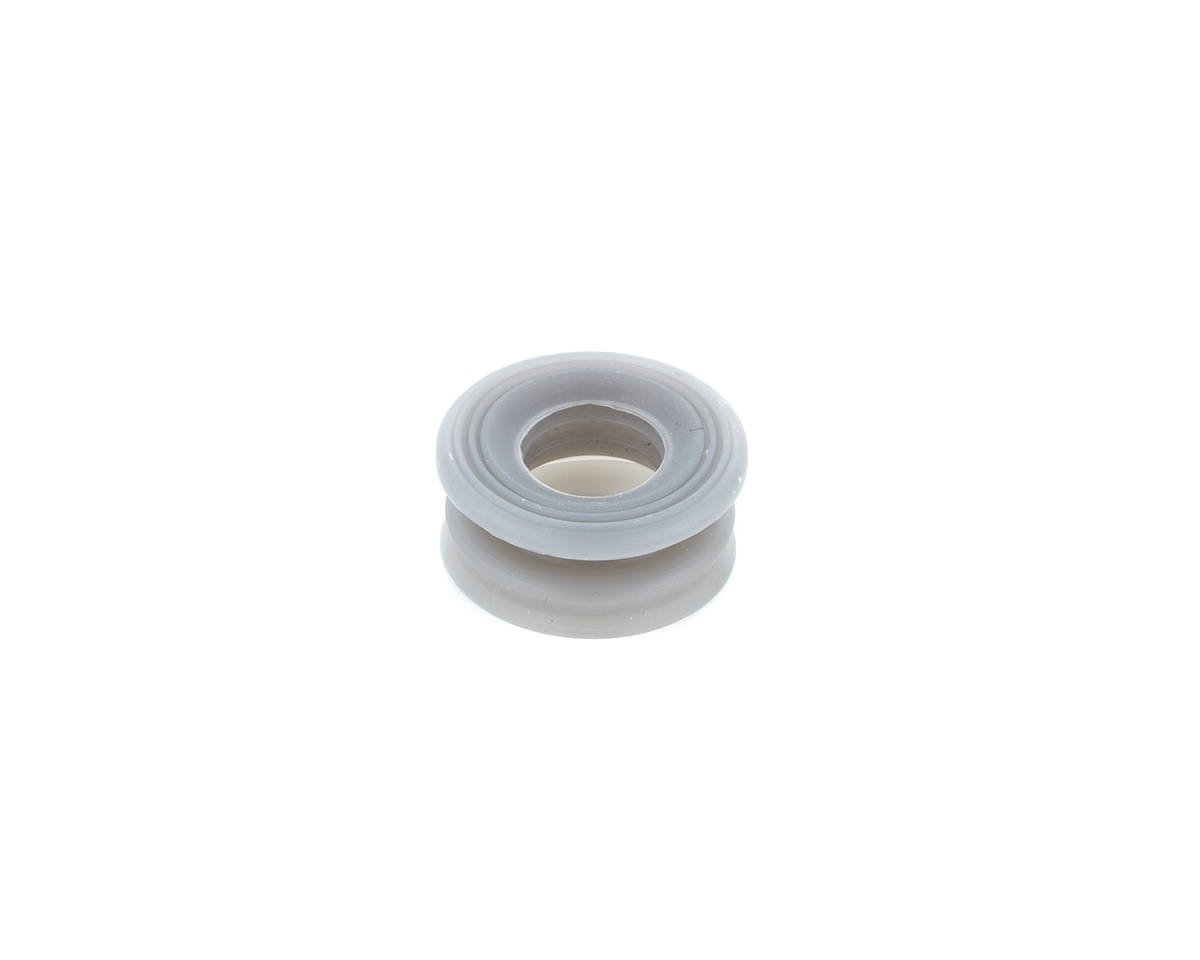
Water pooling around your Kuvings base unit creates messy countertops and potential electrical hazards. This common Kuvings juicer problem typically originates from compromised seals rather than structural damage to the unit itself.
Identify the exact leak source before disassembling. Place paper towels under different sections of your juicer during operation to pinpoint where juice escapes. Most leaks occur at three critical junctions: between the juice bowl and base unit, around the juice spout connection, or where the pulp outlet attaches.
Replace damaged silicone seals immediately. Remove the juice bowl and inspect all rubber gaskets for cracks, flattening, or gaps. A simple test: stretch the seal gently—if it doesn’t return to its original shape, replacement is needed. Genuine Kuvings replacement seals cost $8-$15 and install in under five minutes. Never operate a leaking juicer; prolonged exposure to moisture can damage internal electronics.
Reposition misaligned seals during routine cleaning. Many users accidentally twist seals out of their grooves when washing components. Before reassembling, run your finger along each seal’s seating channel to ensure it sits perfectly flush. Apply a tiny amount of food-grade silicone lubricant to new seals for easier installation and better sealing.
Feed Chute Jams and Blockages
Nothing disrupts your juicing routine like produce getting stuck in the feed chute, forcing you to stop mid-session and disassemble components. These frustrating Kuvings juicer problems often stem from improper produce preparation rather than mechanical faults.
Cut produce to match your feed chute dimensions. Measure your Kuvings model’s feed opening (typically 2.5-3 inches) and prepare all items to fit comfortably without forcing. Oversized items create compression points that jam the auger. For round items like apples, cut into quarters rather than halves.
Alternate hard and soft produce during juicing. Create a rhythm: 2-3 hard items (carrots, beets) followed by softer items (leafy greens, cucumber). This alternation helps push pulp through the system while maintaining consistent pressure on the auger. Always use the food pusher—not your fingers—to guide produce through the chute.
Clear jams safely without damaging components. If a blockage occurs, turn off and unplug the juicer first. Remove the food pusher and use a wooden skewer (never metal) to gently dislodge the obstruction. Start from the top and work downward, applying minimal pressure. For stubborn jams, disassemble the juice bowl and clear the auger from below.
Excessive Noise and Vibration
Your Kuvings juicer shouldn’t sound like a construction site. While some operational noise is normal, grinding, screeching, or violent shaking indicates serious Kuvings juicer problems needing immediate attention.
Distinguish normal operation sounds from warning signs. A low hum (40-50 decibels) and rhythmic crunching as produce processes are normal. However, grinding metal sounds, high-pitched squeals, or rhythmic thumping that intensifies during use signal mechanical problems requiring intervention.
Check assembly tightness before diagnosing mechanical failure. Loose components create excessive vibration that mimics bearing failure. Ensure all parts click securely into place with audible confirmation. Pay special attention to the juice bowl alignment—many users fail to rotate it fully into the locking position.
Address vibration by stabilizing your workspace. Place your juicer on a non-slip surface like a silicone mat or folded towel. Ensure your countertop is level—uneven surfaces amplify vibration. If shaking persists after checking assembly, inspect the rubber feet for damage or debris that might prevent proper contact with your counter.
Overheating Shutdowns
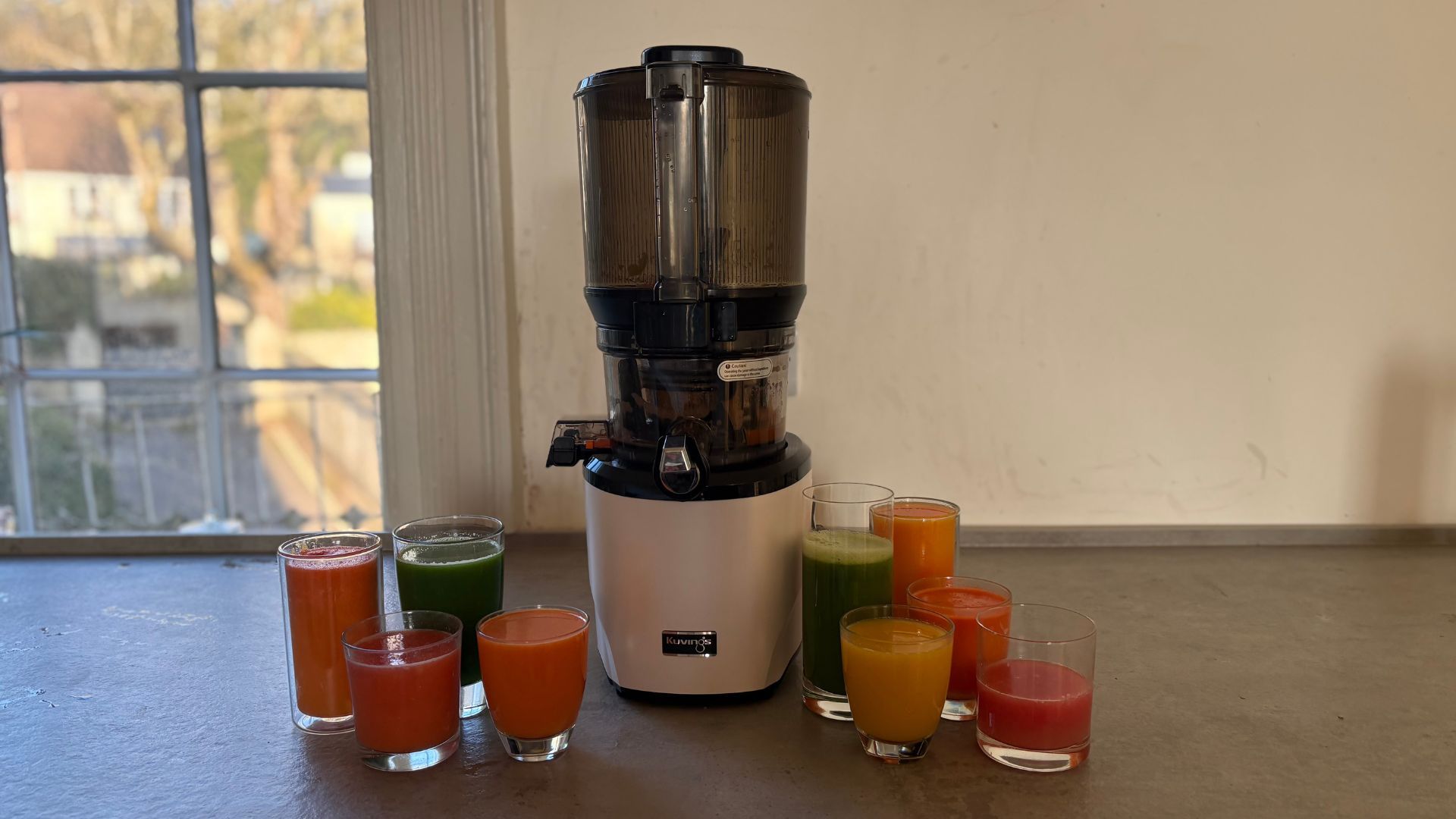
When your Kuvings juicer abruptly stops during operation, displaying an overheating warning, you’re facing one of the most serious Kuvings juicer problems. Continuing to use an overheating unit risks permanent motor damage and creates fire hazards.
Recognize the two primary overheating causes. Most shutdowns result from either prolonged continuous use beyond manufacturer limits (typically 15-20 minutes) or jams that force the motor to work excessively hard against resistance. Never override safety features by holding down the reset button during operation.
Implement immediate cooling procedures. Unplug the unit and allow it to cool completely for at least 30 minutes before restarting. Never place a hot juicer near water sources or in refrigerated spaces, as thermal shock can crack components. During cooling, disassemble and inspect for jams that might have triggered the shutdown.
Prevent future overheating with proper usage patterns. Process no more than 500g of produce per cycle for leafy greens, or 750g for harder vegetables. For large juicing sessions, take 5-minute breaks every 15 minutes of operation. Always cut produce to appropriate sizes—oversized items dramatically increase motor strain.
Filter Mesh Damage and Clogging
Your juice shouldn’t resemble a smoothie with visible pulp particles. Filter mesh problems directly impact juice quality and represent some of the most common Kuvings juicer problems affecting daily users.
Inspect your filter weekly for damage. Hold it against a light source and look for tears, stretched areas, or bent mesh sections. Damaged filters allow pulp to contaminate your juice and reduce extraction efficiency. Most filters last 6-12 months with proper care, but aggressive cleaning can halve their lifespan.
Clean filters properly to prevent premature wear. Never use abrasive pads or harsh chemicals—these degrade the fine mesh. Instead, rinse immediately after use, then soak in warm water with mild dish soap for 5-10 minutes. Use a soft-bristled brush (like a toothbrush) to gently dislodge particles, working from the inside out. For stubborn residue, try a baking soda paste.
Address clogging before it becomes chronic. If juice flow slows during operation, stop immediately and clear the filter. For persistent clogs, disassemble and soak the filter in a 1:1 water and white vinegar solution for 30 minutes. Rinse thoroughly before reuse. Never force produce through a partially clogged filter—this accelerates damage.
Electrical and Motor Failures
Complete failure to power on or erratic operation signals serious Kuvings juicer problems requiring careful diagnosis. Electrical issues pose safety risks, so proceed with caution.
Rule out simple power problems first. Check that your outlet works by plugging in another device. Inspect the power cord for kinks, fraying, or damage near the plug. Ensure the cord connects securely to both the juicer and outlet—loose connections cause intermittent operation that mimics motor failure.
Identify motor failure symptoms accurately. True motor problems present as complete silence when powered (with no indicator lights), burning smells, or visible smoke. If the motor hums but doesn’t turn the auger, the issue is likely a broken drive belt rather than motor failure. Some models display specific error codes—consult your manual for interpretation.
Know when to seek professional help. Any electrical issues involving burning smells, visible damage to wiring, or sparks require immediate professional attention. Never attempt electrical repairs yourself—this voids warranties and creates safety hazards. Contact Kuvings authorized service centers for diagnosis and repair using genuine replacement parts.
Most Kuvings juicer problems resolve with proper maintenance and technique adjustments rather than expensive repairs. Implement these checks monthly: inspect seals for flexibility, test auger bristle condition, verify filter integrity, and clean all components thoroughly. By addressing minor issues before they escalate, you’ll extend your juicer’s lifespan significantly and maintain optimal performance. When in doubt about a serious problem, consult Kuvings’ customer support with specific symptoms—many issues qualify for warranty coverage if documented properly. Remember, consistent care transforms occasional Kuvings juicer problems from frustrating interruptions into simple maintenance routines.