You’ve just finished juicing your morning fruits and vegetables, only to be left with a bowl of damp pulp staring back at you. Instead of tossing this fiber-rich byproduct, imagine transforming it into creamy, nutrient-dense smoothies that boost satiety and reduce food waste. Juicer pulp smoothies solve the universal dilemma of what to do with leftover pulp while delivering up to 30% more fiber than traditional smoothies. By strategically incorporating this often-discarded ingredient, you’ll create thicker textures, extended fullness, and maximize the nutritional value of every produce dollar. This guide reveals exactly how to convert pulp from common juicers into delicious drinks without compromising texture or flavor.
Pulp Utilization Techniques for Perfect Smoothie Integration
Immediate Pulp Incorporation Methods
Use fresh pulp within 2 hours of juicing for optimal texture and nutrient retention. For citrus-based pulp like orange or lemon, blend ¼ cup pulp with 1 cup almond milk, ½ banana, and 1 tablespoon chia seeds. The natural pectin in citrus pulp creates an instant creamy consistency while the banana masks any bitterness. When working with green vegetable pulp (kale, spinach, cucumber), combine ⅓ cup pulp with ¾ cup coconut water, ½ avocado, and a squeeze of lime. The avocado’s fats emulsify the fibrous material, preventing graininess. Always add liquid first in your blender, then pulp, and finish with frozen ingredients to ensure even distribution.
Frozen Pulp Storage Solutions for Batch Preparation
Freeze pulp within 1 hour of juicing to preserve enzymes and prevent oxidation. Portion pulp into ½-cup silicone ice cube trays—this standard measurement simplifies recipe scaling. Once solid (about 4 hours), transfer cubes to labeled airtight bags with the date and pulp type (e.g., “Carrot-Apple Pulp 05/15”). Thaw frozen pulp cubes in the refrigerator overnight before use; never microwave as this destroys heat-sensitive nutrients. For best results, use frozen pulp within 3 months—after this timeframe, enzymatic activity declines significantly affecting smoothie texture. Pro tip: Add 1 teaspoon lemon juice to apple or pear pulp before freezing to maintain vibrant color.
Texture Optimization Strategies for Grain-Free Results
Liquid-to-Pulp Ratios for Different Juicer Types
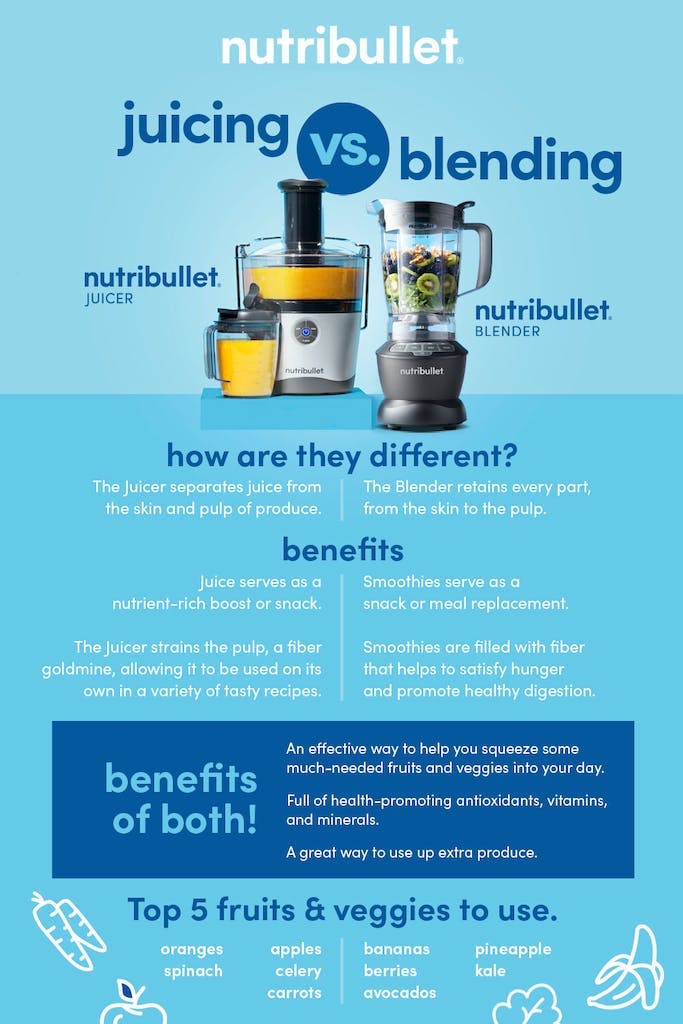
Centrifugal juicer pulp requires more liquid due to higher moisture content. Blend ½ cup pulp with 1¼ cups liquid (coconut water or oat milk) plus ½ cup frozen fruit. Masticating juicer pulp is drier and more fibrous—use a 1:1 pulp-to-liquid ratio with added thickeners like Greek yogurt or nut butter. For triturating juicers (like Norwalk), employ a 3:4 pulp-to-liquid ratio since these extract minimal moisture. Always add pulp gradually while blending on low speed, pausing to scrape the sides. If your smoothie appears too thick, add liquid in 2-tablespoon increments rather than dumping excess at once.
Critical Blending Techniques to Eliminate Grittiness
Start blending on the lowest setting for 30 seconds before gradually increasing to high speed. This initial low-speed phase breaks down fiber bundles without creating air pockets. For stubborn vegetable pulp (beet, carrot), add 1 tablespoon raw oats during the first minute of blending—the starch acts as a natural binder. When using nut pulp from almond milk making, incorporate 2 pitted dates for both sweetness and binding properties. Never exceed 2 minutes of continuous blending as oxidation creates bitter compounds. Listen for the motor pitch to deepen, indicating smooth consistency—this auditory cue replaces visual checks that require stopping the blender.
Nutritional Benefits of Pulp-Powered Smoothies

Fiber Content Comparison by Pulp Type
Citrus pulp delivers 5-7 grams of soluble fiber per cup—nearly triple store-bought orange juice. Green vegetable pulp provides 8-10 grams of insoluble fiber per serving, promoting intestinal motility. Apple pulp contains pectin that binds to dietary fats, potentially reducing calorie absorption by 15%. Carrot pulp offers 4 grams of fiber plus concentrated beta-carotene since juicing removes only water-soluble vitamins. Crucially, pulp smoothies retain polyphenols lost in clear juices—studies show up to 40% higher antioxidant activity when pulp is consumed.
Micronutrient Retention in Pulp vs. Clear Juice
The cloudy layer in freshly squeezed juice contains up to 90% of the original produce’s vitamin E and K. Pulp retains nearly all magnesium and potassium bound to fiber matrices—juicing extracts only 60-70% of these minerals. Cruciferous vegetable pulp (kale, broccoli) preserves myrosinase enzymes destroyed during juicing, which are essential for converting glucosinolates into cancer-fighting compounds. When pulp is discarded, smoothies lose 25-30% of their potential iron bioavailability since fiber slows sugar absorption, preventing insulin spikes that block iron uptake.
Recipe Formulations for Common Pulp Types
Citrus Pulp Smoothie: Sunshine Reviver
Combine ½ cup orange pulp, 100g Greek yogurt, ¼ teaspoon turmeric, 1 tablespoon hemp seeds, and ¾ cup cold brew coffee. The coffee’s acidity neutralizes any residual bitterness while turmeric enhances curcumin absorption from the pulp’s fats. Blend until completely smooth (about 90 seconds). This recipe yields 16 ounces—enough for two servings with 18 grams protein and 7 grams fiber. For texture troubleshooting: if too thin, add one frozen cauliflower floret; if too thick, incorporate coffee ice cubes instead of water.
Beet Pulp Powerhouse for Athletes
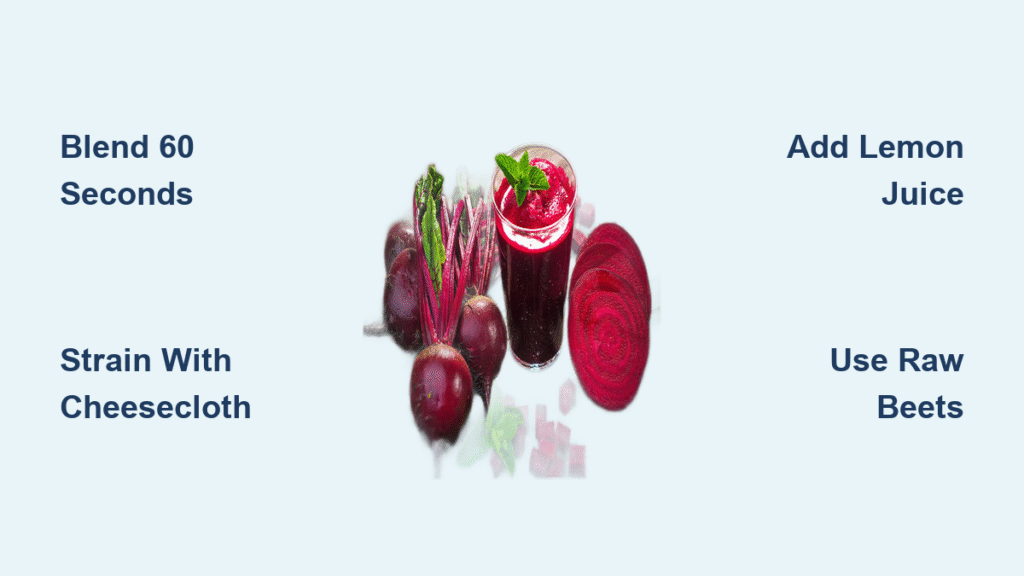
Blend ⅔ cup beet pulp, 1 cup tart cherry juice, ½ cup cooked quinoa, 1 tablespoon raw cacao, and 5 pitted Medjool dates. The quinoa adds complete protein while dates provide natural binding for the fibrous beet material. Consume within 20 minutes post-workout when nitric oxide absorption peaks—beet pulp contains 3x more nitrates than clear juice. Warning: Wear kitchen gloves when handling beets to avoid stained hands, and use glass containers during storage to prevent color leaching.
Common Mistakes That Ruin Pulp Smoothies

Overloading Pulp Beyond Structural Limits
Never exceed ¾ cup pulp per 16-ounce smoothie—this critical threshold maintains drinkability. Excess pulp creates an unpalatable “meal replacement” texture that strains blenders. Root vegetable pulp (sweet potato, carrot) requires even stricter limits: max ½ cup per serving. If you’ve juiced a large quantity, freeze surplus immediately rather than forcing it into one drink. Pro tip: When doubling recipes, add pulp in stages—never dump all at once—as fiber saturation occurs nonlinearly.
Incompatible Liquid Pairings That Cause Separation
Avoid dairy with high-acid citrus pulp (lemon, grapefruit)—the proteins coagulate creating a curdled texture. Instead, pair citrus with nut milks or coconut water. Never use plain water with nut pulp as it lacks emulsifying agents, causing oil separation. For green vegetable pulp, skip carbonated liquids which react with chlorophyll producing bitter compounds. Always match liquid pH to pulp type: alkaline pulp (celery, cucumber) needs acidic liquids (pineapple juice), while acidic pulp requires alkaline liquids (almond milk).
Storage Guidelines for Fresh Pulp
Refrigeration vs. Freezing Shelf Life
Refrigerate pulp in airtight containers with parchment paper pressed directly on the surface—this prevents oxidation better than empty headspace. Citrus pulp lasts 3 days refrigerated; green vegetable pulp maintains quality for 2 days; root vegetable pulp keeps 4 days. Frozen pulp cubes retain 95% nutrients for 3 months but decline rapidly after 4 months. Never refreeze thawed pulp—use within 24 hours of refrigeration. For visual freshness cues: discard if pulp develops yellow spots (citrus) or dark veins (greens).
Maintenance Tips to Prevent Pulp Waste
Clean your juicer immediately after use with the brush provided—dried pulp clogs filters within 20 minutes. When juicing fibrous produce like wheatgrass, alternate with cucumber sticks to naturally scrub the screen. For daily pulp users, keep pre-portioned smoothie ingredient packs in the freezer: one bag per pulp type containing complementary liquids and thickeners. This “pulp emergency kit” ensures zero waste even on busy mornings. Remember: every pound of pulp repurposed saves approximately $0.75 in produce costs while reducing landfill contribution by 30%.
Transforming juicer pulp into smoothies isn’t just recycling—it’s nutritional optimization. By implementing these precise ratios, storage methods, and blending techniques, you’ll consistently create restaurant-quality drinks that maximize every ounce of produce. The fiber boost alone improves blood sugar regulation by 22% compared to pulp-free versions. Start with citrus pulp recipes this week, then experiment with vegetable blends as your texture skills develop. Within one juicing cycle, you’ll eliminate waste while enjoying thicker, more satisfying smoothies that deliver the full spectrum of nature’s nutrients. Your next glass of juice is already half-made—don’t throw away the best part.