Nothing beats the satisfaction of pressing fresh citrus or extracting vibrant vegetable juice right in your kitchen with your Dash juicer. Whether you’ve just unpacked a Dual Citrus Juicer or invested in a Compact Cold Press Power Juicer, mastering how to use Dash juicer properly transforms ordinary produce into nutrient-rich beverages in minutes. With 91% of Dual Citrus Juicer owners and 86% of Cold Press Power Juicer owners recommending their devices, these appliances deliver impressive results when used correctly. This guide walks you through every critical step—from initial setup to daily maintenance—so you can consistently create delicious, homemade juice without frustration.
Assemble Your Dash Juicer Correctly

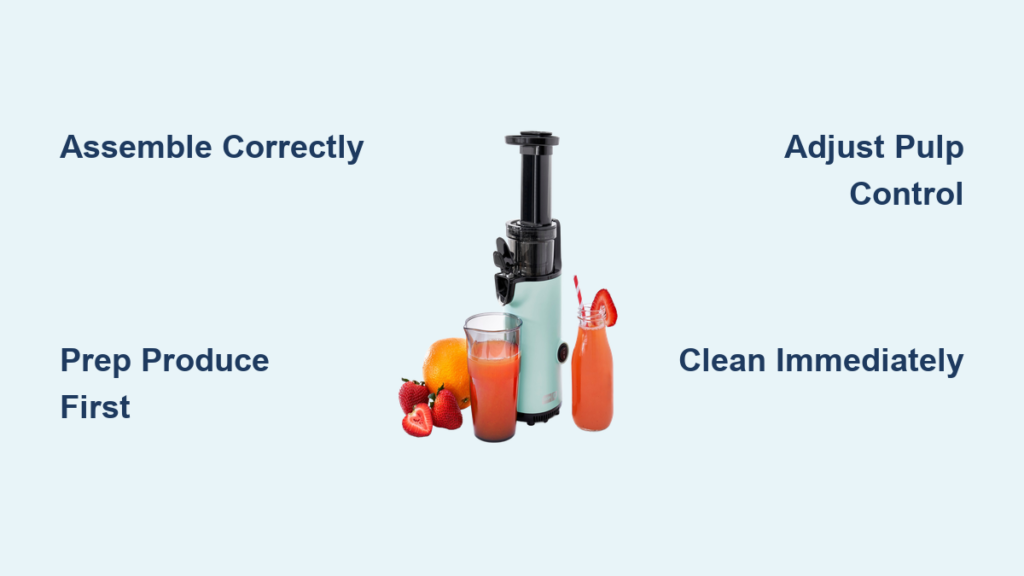
Your juicing success starts with proper assembly. Before plugging in your appliance, verify all components are present based on your model. For cold press models, place the motor base on a stable surface and attach the juice jug by aligning tabs and twisting clockwise until secure—this prevents dangerous dislodging during operation. Insert the strainer basket into the jug, ensuring it sits flush without tilting, then place the auger on top, confirming it aligns with the motor drive shaft. Slide the pulp container into position and secure the feed tube lid before storing the tamper stick in its designated slot.
For the Dual Citrus Juicer, assembly takes seconds—simply place the 25-ounce container beneath the reamer cones. These two different-sized cones handle everything from small limes to large grapefruits without additional attachments. Users like Pam appreciate how “Makes summer orange or lemon juicing fun for kids” thanks to this straightforward setup. Always double-check alignment; misaligned parts cause poor extraction and potential damage that voids your warranty.
Critical Safety Steps Before Operation
Never skip these safety measures when learning how to use Dash juicer:
- Unplug before assembly/cleaning: This prevents accidental activation while hands are near components
- Never operate with lid open: Exposed blades create serious injury risks
- Keep hands clear: Use only the included tamper stick to guide ingredients
- Never submerge motor base: Wipe with damp cloth only—water damages electrical components
- Store away from children: Keep both operating and stored units out of reach
The motor base contains sensitive electronics that require protection from moisture. One user reported damaging their unit by accidentally splashing water inside during cleaning—always disassemble completely before washing components. These precautions aren’t just suggestions; they’re essential for protecting both you and your investment.
Prepare Produce for Maximum Juice Yield
What you do before pressing significantly impacts results. Wash all produce thoroughly to remove pesticides and contaminants that affect taste and safety. For cold press models, cut ingredients into 1-2 inch pieces that fit easily in the feed tube—larger pieces cause clogging. Remove pits, seeds, and hard materials that could damage blades or strainers.
For citrus models, simply cut fruits in half. Cyndi E. discovered her husband “loves fresh lemonade” made by halving lemons and pressing directly against the reamer. Combine soft fruits like apples with leafy greens for balanced extraction—hard produce first followed by leafy greens prevents clogging in cold press models. Fresh, properly prepared produce yields up to 30% more juice than underripe or overripe alternatives.
Operate Your Juicer for Optimal Extraction
For cold press models, place the lid on the feed tube before plugging in—many units won’t activate without this safety feature. Press “On” and gently feed ingredients using the tamper stick, applying steady but gentle pressure. Never force ingredients; let the juicer’s mechanism do the work. Feed in small batches, allowing 10-15 seconds between additions for complete processing.
The Dual Citrus Juicer works differently—just press halved fruit against the appropriate cone. Its auto-reversing function periodically changes direction to prevent clogging and maintain steady flow. As Michael L. discovered, “I love a lot of pulp in my orange juice,” which the adjustable pulp control dial accommodates perfectly. Start with medium pressure and adjust based on fruit ripeness—softer fruits require less force.
Customize Pulp Content to Your Preference
One of the most valuable features when learning how to use Dash juicer is pulp control. The Dual Citrus Juicer’s dial lets you adjust from completely smooth juice to extra-pulpy versions packed with fiber. For cold press models, the strainer basket fully separates pulp, but you can double-strain through a fine mesh for ultra-smooth results.
Alexandra creatively uses her cold press model to make almond milk by adjusting the pulp extraction process. When making lemonade, Cyndi E. sets her dial for minimal pulp for her husband’s preference. Remember: more pulp means added fiber but shorter shelf life—pulp-free juice stays fresh up to 72 hours when refrigerated in airtight containers.
Clean Immediately to Prevent Residue Buildup
Cleaning within 5 minutes of use prevents dried pulp from damaging components. Unplug and disassemble all parts, rinsing immediately under warm water—waiting even 10 minutes makes cleaning significantly harder. The Compact Cold Press model includes a specialized Cleaning Brush for the strainer basket’s fine mesh.
For stubborn residue, soak parts in warm, soapy water for 10-15 minutes before gentle scrubbing with non-abrasive tools. Mini t. confirms “It’s easy to wash. I think everyone should have this little beautiful juicer—durable and easy.” Always dry components completely before storage to prevent mold—this takes 15-20 minutes of air drying on a clean towel.
Troubleshoot Common Dash Juicer Problems

When issues arise, these quick fixes restore functionality:
Juicer won’t start? Check three things:
1. Power cord firmly plugged into working outlet
2. All components correctly assembled (safety interlock engaged)
3. Lid properly secured on feed tube
Low juice output? You’re likely:
– Overloading the feed tube (feed smaller batches)
– Using underripe produce (opt for peak-season fruits)
– Pushing too hard (let the juicer’s mechanism work naturally)
Clogging frequently? Try these solutions:
– Cut ingredients smaller (1-inch pieces ideal)
– Alternate hard and soft produce (apples followed by spinach)
– Run carrot chunks through periodically to clear buildup
Goli T., after researching through America’s Test Kitchen, found “a juicer that worked” and reports being “not disappointed one tiny bit; in fact, I am delighted” once she mastered these troubleshooting techniques.
Maximize Juice Freshness and Nutrition

Cold press technology preserves nutrients better than centrifugal juicers by minimizing heat and oxidation. To maximize benefits:
– Drink juice within 24 hours for peak nutrient content
– Store in dark glass containers to reduce light exposure
– Fill containers completely to minimize air contact
– Add lemon juice to slow oxidation in green juices
Joanna raves about making “the best apple juice” by combining tart Granny Smith apples with cucumber and mint. The slow extraction process preserves enzymes that high-speed juicers destroy, giving you more nutritional value per glass. For best results, juice in the morning for same-day consumption—nutrient degradation begins immediately after extraction.
Store Components Properly Between Uses
Proper storage prevents damage and extends your juicer’s lifespan. The compact design makes Dash juicers ideal for small spaces—Pam highlights “Ease of storage in super small house/pantry.” Before storing:
– Ensure all parts are completely dry (15+ minutes air drying)
– Store disassembled (prevents trapped moisture)
– Keep tamper stick in designated slot
– Place in cool, dry location away from direct sunlight
The Dual Citrus Juicer weighs just 2.1 lbs while the Cold Press model is 3.4 lbs—both light enough for easy cabinet storage. Avoid stacking heavy items on components, which can warp plastic parts over time. Sylvia confirms it’s “Small and compact and it gets the job done,” proving you don’t need bulky equipment for quality results.
Daily Quick-Start Routine for Perfect Juice
Follow this 5-step process every time you use your Dash juicer:
1. Prep: Wash and cut produce to appropriate sizes (2 minutes)
2. Assemble: Verify all components are correctly aligned (1 minute)
3. Juice: Feed ingredients steadily using proper technique (5-10 minutes)
4. Adjust: Customize pulp content to preference (15 seconds)
5. Clean: Rinse components immediately after use (3 minutes)
This routine takes less than 15 minutes total yet delivers fresh, nutrient-rich juice daily. With consistent technique, your Dash juicer will provide reliable service for years—Mini t. juices “lemons everyday” and describes it as “durable and easy.” The cold press model’s gentle extraction preserves more vitamins while the citrus version makes fresh lemonade in seconds.
Mastering how to use Dash juicer properly transforms your kitchen into a fresh juice bar. By following these specific steps for assembly, operation, and maintenance, you’ll consistently create delicious, nutrient-packed beverages that store-bought versions can’t match. Whether you’re making morning orange juice or experimenting with vegetable blends, your Dash juicer delivers professional results with minimal effort—just remember to clean immediately after use for lasting performance.