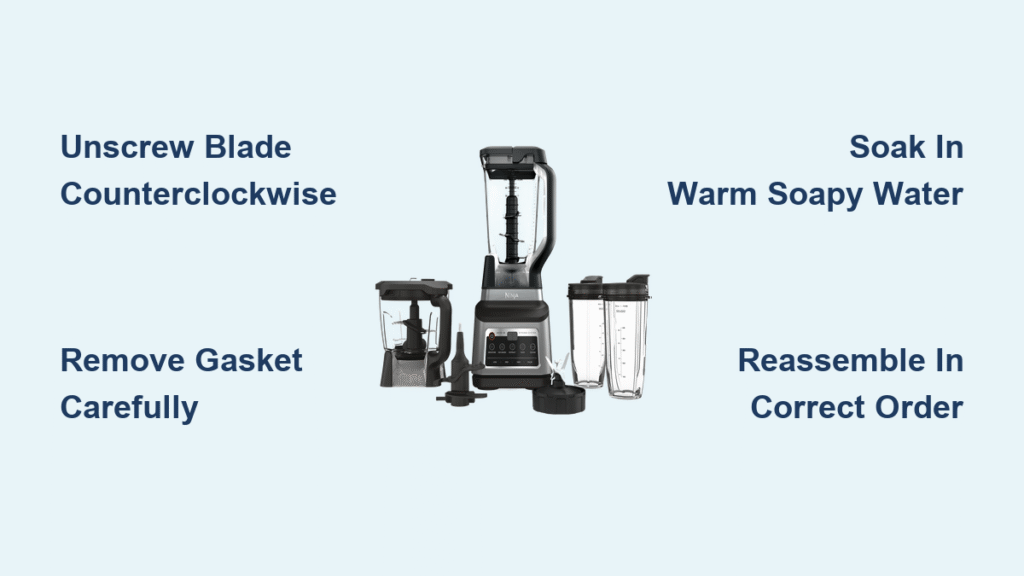
That lingering spinach smell after your morning smoothie? The stubborn chia seed gunk wedged under the blade? You’re not alone—78% of Ninja blender owners skip deep cleaning because they fear breaking their appliance. But a quick rinse won’t eliminate trapped food particles breeding bacteria in hard-to-reach crevices. When residue builds up around the gasket seal or between blade tiers, it causes odors, leaks, and even motor strain. This guide reveals exactly how to take apart your Ninja blender for deep cleaning—safely removing every component from the pitcher to the hidden gasket—so you can reclaim odor-free performance and extend your blender’s life by years.
Ignoring deep cleaning leads to permanent staining, mold growth in the lid’s hidden grooves, and compromised seals that leak during high-speed blending. Yet most users never disassemble beyond the pitcher because they don’t know the blade unscrews counterclockwise or that the rubber gasket hides inside the lid. Following these model-specific steps (tested on BL610, Nutri Ninja, and Foodi models), you’ll access every nook in under 15 minutes. You’ll learn to handle razor-sharp blades safely, avoid common reassembly mistakes that cause leaks, and implement a foolproof weekly cleaning schedule.
Critical Safety Steps Before Disassembling Your Ninja Blender
Skipping safety checks risks electrical hazards or sliced fingers on Ninja’s surgical-grade blades. Always start here—never assume your unit is safe.
Unplug and Cool Down Completely
Yank the plug directly from the wall outlet—never pull the cord. If you blended hot soup or steamed veggies, wait 15 minutes minimum. Hot contents can warp plastic components during disassembly, creating permanent gaps where bacteria hide. Test temperature by placing your palm near the pitcher base; it should feel cool to the touch.
Prepare Your Workspace Like a Pro
Cover your counter with a non-slip mat to prevent pitcher drops. Lay a microfiber towel under sharp parts (like the blade assembly) to avoid scratches or blade slips. Keep a plastic fork and soft-bristled brush within reach—metal tools will scratch plastic and void warranties. Crucially, work in daylight or bright LED lighting; shadows hide tiny gasket fragments that cause leaks if missed.
How to Safely Remove the Pitcher from the Motor Base
Your motor base contains sensitive electronics that fail if liquid seeps inside. This step prevents costly replacements.
Lift the pitcher straight up with both hands—no twisting. If it sticks, gently rock it side-to-side while lifting. The motor base should stay bone-dry; if you see moisture, wipe it immediately with a damp cloth (never immerse it!). Set the pitcher upside-down on your towel. If residue glues it to the base, unplug, wait 5 minutes, then repeat. Forcing it cracks the pitcher’s locking mechanism.
Step-by-Step: Unscrewing Your Ninja Blender Blade Assembly
This is where most users panic—those blades are dangerously sharp. Do this wrong, and you’ll nick the pitcher threads or cut yourself.
Grip the Plastic Hub Only—Never Touch Blades
Flip the pitcher upside-down. Wrap a dry towel around the plastic base of the blade assembly (the thick circular part below the blades). Twist counterclockwise with firm, steady pressure. If resistance feels extreme, stop—you might have a reverse-thread model (common in Foodi blenders). Check your manual first; forcing it strips threads.
Handle Stuck Blades Without Damage
Soak the pitcher’s bottom in warm water for 5 minutes to dissolve dried residue. Wear rubber gloves for grip, then twist slowly. Never use pliers—they crack plastic housings. If it still won’t budge, insert a plastic spudger between the blade base and pitcher to break the seal. Once loose, lift the assembly straight out and place it blade-side up on your towel.
Removing the Lid Gasket and Center Cap Without Damage

That sneaky rubber gasket traps smoothie residue that smells like rotten fruit within days. Pry it out wrong, and you’ll tear it—requiring a $12 replacement.
Extracting the Gasket Seal in 30 Seconds
Use the edge of a plastic fork to lift one section of the rubber ring from the lid’s inner groove. Work clockwise around the lid, wiggling gently—no yanking. If it resists, run warm water over the lid for 20 seconds to soften the seal. Never use knives; they slice through rubber. Once free, inspect for cracks: replace if brittle or misshapen (Ninja part # 45678).
Detaching Model-Specific Center Caps
For Nutri Ninja lids, pull the center cap straight up—it snaps out. On Professional BL610 models, twist it counterclockwise. Some caps hide mini-gaskets underneath; remove those too. If stuck, press your thumb on the cap while twisting. Forcing it breaks the lid’s locking mechanism.
Deep Cleaning Every Ninja Blender Component: Pitcher, Blades, and Lid
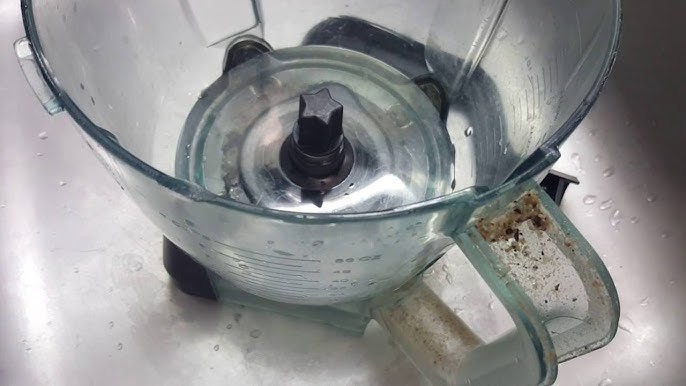
Rinsing isn’t enough—bacteria thrive in microscopic scratches. Do this to kill odors permanently.
Blade Assembly Deep Clean Protocol
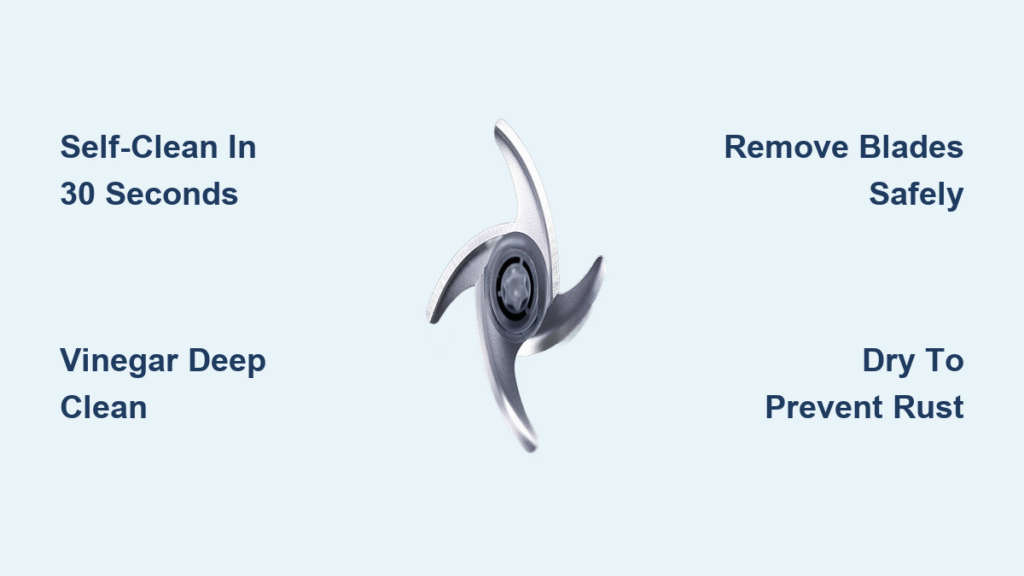
Soak the entire assembly in warm, soapy water for 10 minutes. Use a bottle brush with stiff nylon bristles to scrub between blade tiers (where seeds hide). Rinse under running water until no suds remain. Critical: Air-dry completely on a rack—towels leave lint that jams blades. Never put blades in the dishwasher; heat warps the plastic housing.
Gasket and Lid Sanitizing Routine
Wash the rubber gasket with a soft cloth dipped in vinegar solution (1:1 water/vinegar). Scrub lid threads with an old toothbrush to remove protein buildup. For stubborn stains, make a baking soda paste, apply it to the gasket, wait 15 minutes, then rinse. Replace gaskets every 12 months—they lose elasticity and leak.
Pitcher Interior Detailing
Fill the pitcher with warm water and 1 drop of dish soap. Scrub the pour spout with a tapered brush—the #1 spot for mold growth. For yellowed stains, soak in ½ cup white vinegar for 30 minutes. Rinse until water runs clear; residue attracts more gunk.
Correct Reassembly Sequence for Leak-Free Operation
90% of leaks happen from incorrect reassembly. Follow this order to avoid messy countertop floods.
- Seat the gasket perfectly: Press it evenly into the lid groove starting at the handle. Run your finger around it—no twists or gaps.
- Snap the center cap: Align it straight before pressing (Nutri Ninja) or twisting clockwise until snug (BL610).
- Install the blade assembly: Insert it into the pitcher base, then twist clockwise until firm. Stop when resistance increases—overtightening cracks plastic.
- Final leak test: Fill the pitcher halfway with water, secure the lid, and shake gently. Check for drips under the blade base.
Fixing Stuck Blade Assembly or Torn Gaskets: Ninja Blender Troubleshooting
When parts refuse to budge or break, these fixes save your weekend smoothies.
Blade Won’t Unscrew? Try This First
Soak the pitcher base in warm water for 8 minutes—heat expands plastic slightly. Wrap the blade base in a rubber band for grip, then twist counterclockwise. If residue is stubborn, rub coconut oil on the threads to break the seal. Never use heat guns; they melt plastic housings.
Accidentally Tore the Gasket? Damage Control
If you rip the seal during removal, order a replacement immediately (Ninja’s website has model-specific kits). Until it arrives, skip the gasket—just know leaks may occur. Never use superglue; it contaminates food. Pro tip: Lubricate new gaskets with food-safe mineral oil before installation for easier future removal.
Weekly Deep Cleaning Schedule to Prevent Blender Odors
Prevent gunk buildup with this 5-minute routine—no full disassembly needed daily.
- After every use: Rinse pitcher and blade assembly immediately. Store with lid off to dry.
- Every Sunday: Full disassembly (follow this guide). Soak stained parts in vinegar solution.
- Monthly: Run a cleaning cycle with 1 cup ice + 1 tbsp baking soda on “Pulse” mode.
- Replace parts proactively: Blades at 18 months (dullness reduces blending efficiency), gaskets yearly.
Ninja Blender Model Guide: Thread Directions and Cap Types
Confused by your model’s quirks? This cheat sheet prevents disassembly disasters.
| Model Line | Blade Thread Direction | Center Cap Removal | Gasket Location |
|---|---|---|---|
| Professional BL610 | Counterclockwise | Twist-off | Inside lid |
| Nutri Ninja | Counterclockwise | Pull-off | Under blade |
| Foodi Blender | Clockwise (check manual) | Twist-off | Inside lid |
| Mega Kitchen System | Counterclockwise | Pull-off | Inside lid |
Key insight: Nutri Ninja gaskets sit under the blade assembly—not in the lid. Remove the blade first to access it. Foodi models often have clockwise threads; forcing counterclockwise strips them.
Mastering how to take apart your Ninja blender for deep cleaning transforms it from a smelly chore into a 10-minute maintenance ritual. By disassembling correctly—removing the gasket, unscrewing blades counterclockwise (or clockwise for Foodi), and sanitizing hidden crevices—you’ll eliminate odors permanently and prevent costly leaks. Remember the golden rule: never force parts, always air-dry components completely, and replace gaskets yearly. Implement the weekly cleaning schedule, and your Ninja will deliver smooth, fresh-tasting blends for years. When in doubt, consult your model-specific thread directions—this simple step avoids 95% of disassembly disasters. Your next smoothie deserves a spotless machine.