Fresh pomegranate juice delivers a complex, wine-like flavor that bottled varieties simply cannot match. The bright, tangy characteristics with subtle tannic notes disappear during pasteurization, leaving a flat taste that disappoints anyone who has experienced truly fresh juice. Whether you have a countertop juicer, a citrus press, or no specialized equipment at all, this guide covers every method for extracting pomegranate juice successfully. You will learn how to prepare the fruit, choose the right technique for your equipment, and store your juice to maximize freshness. The process requires some effort, but the reward—a deep ruby beverage packed with three times more antioxidants than red wine or green tea—makes every step worthwhile.
Pomegranates contain between 200 and 1,400 jewel-like seeds called arils depending on variety and size, each consisting of a small white seed surrounded by juicy red flesh. Before any juicing method, you must access these arils by extracting them from the fruit’s tough outer skin and spongy internal membranes. The preparation steps remain consistent across most techniques, so mastering seed extraction first sets you up for success regardless of which juicing approach you ultimately choose.
Pick Perfectly Ripe Pomegranates for Maximum Juice Yield
Selecting the right pomegranates dramatically affects your juice yield and flavor. Pick fruits that feel heavy for their size, as this weight indicates juicy seeds packed inside. The skin should feel firm without any soft spots or signs of mold. Contrary to popular belief suggesting perfectly smooth bright red skin indicates quality, experienced juicers know that slightly cracked fruits with golden brown patches often contain the sweetest, deepest ruby arils. These minor surface imperfections typically signal peak ripeness and maximum sugar content.
Pomegranate season runs from September through February in the Northern Hemisphere, making this period ideal for finding fresh, flavorful fruit at reasonable prices. Southern Hemisphere readers should look for pomegranates from March through May. Room temperature pomegranates yield more juice than cold fruits, so consider letting refrigerated fruit warm up slightly before juicing for maximum extraction efficiency.
Remove Pomegranate Seeds Without the Mess: 2 Proven Methods
Proper seed extraction prevents mess and ensures you capture every usable aril. Begin by using a sharp knife to cut off the crown-like top of the pomegranate, angling the paring knife downward in a circular motion around the crown area. Score the pomegranate into sections by making cuts from top to bottom—four cuts work well for most fruits, though larger varieties may need additional incisions. Break open the pomegranate along the scored lines and pull the sections apart to access the seed chambers.
An alternative method that many juicers prefer involves cutting the pomegranate in half crosswise along the equator. Hold the fruit with seeds facing inward toward your palm over a deep, wide bowl. Using a large wooden spatula or spoon, tap the back of the pomegranate firmly but gently, starting with the center to loosen seeds before working around the sides. The arils will fall out naturally into your collection bowl. This water method—performing the separation in a bowl of water—makes cleanup easier because edible seeds sink while inedible pulp floats to the top for easy skimming.
Work in a protected area since pomegranate juice stains permanently on contact with most surfaces. Perform seed extraction in your sink or on towels, and wear old clothing you do not mind potentially discoloring. The deep magenta stain proves nearly impossible to remove from fabric and countertops once set.
Juice Pomegranates in Breville 850W Without Constant Clogging

Standard centrifugal and masticating electric juicers can process pomegranate arils, though they present specific challenges. After seeding the pomegranate, simply feed the ruby-red arils through the juicer’s feed chute. The machine extracts juice through the spout while separating pulp and waste, producing fresh juice in seconds.
The primary limitation of electric juicers is filter clogging. The seeds and fiber content cause rapid buildup that stops extraction after processing a small amount. You must disassemble and clean the filter before continuing, which defeats the purpose of using an electric appliance for efficiency. This makes standard electric juicers impractical for processing more than one or two pomegranates without multiple cleaning interruptions.
If you must use an electric juicer, the Breville dual-speed countertop juicer with its 850-watt motor handles pomegranate juice extraction effectively. Four large pomegranates yield approximately three cups of juice using this equipment. Process small batches only and clean the filter between each batch to maintain extraction efficiency.
Press Whole Pomegranate Halves in Citrus Juicer (No Seeding Required)
Citrus juicers offer the most convenient approach since they eliminate the need for prior seed extraction. Cut the pomegranate in half along the equator rather than top to bottom, then place the half directly into the juicer with the cut side facing outward toward the press mechanism.
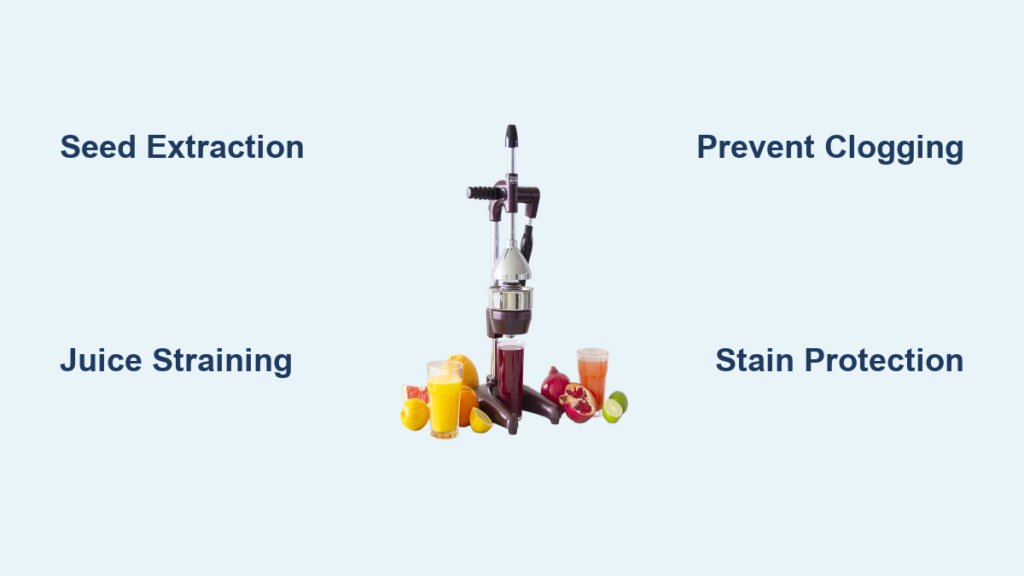
For manual citrus presses, apply firm, firm pressure using the hinged lever. The press mechanism extracts juice efficiently while containing most seeds and pulp. Work over a bowl or large glass measuring cup to catch the juice, as pomegranate juice sprays significantly during extraction. The fresh juice has that distinctive wine-like tannic quality that makes it exceptional for cocktails and culinary applications.
Electric citrus juicers provide more power but create considerable mess from spray. The rotating cone or reamer extracts slightly more juice than manual pressing, though cleanup becomes more intensive. Protect surrounding surfaces thoroughly before using electric models.
Quality manual presses for pomegranate work include:
– Zulay Kitchen Professional Citrus Juicer (with limited lifetime warranty)
– Weston West Pro Citrus Juicer
– VIVOHOME Heavy Duty Commercial Manual Hand Press
– Chef’n Fresh Force Citrus Juicer (handheld option)
When pressing harder pomegranate varieties like Salavatski, score each fruit and tear it into two pieces before pressing to facilitate extraction. After juicing, strain the juice through a fine mesh sieve to remove any seeds that passed through the press.
Extract Maximum Pomegranate Juice with Auger-Style Spiral Juicer
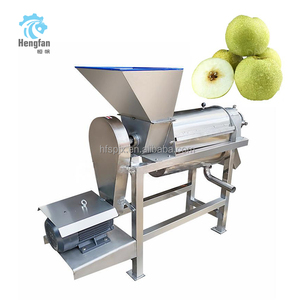
Spiral juicers, originally designed for wheatgrass, excel at pomegranate juice extraction and represent the best option for processing large quantities. The auger-style mechanism presses seeds slowly without clogging, extracting maximum juice efficiently.
Seed the pomegranates using the extraction techniques described earlier, then feed the arils through the spiral juicer’s feed chute. The machine automatically separates juice from pulp, collecting liquid in one container while waste exits through another opening. This continuous processing handles large batches without interruption for cleaning or filter maintenance.
Spiral juicers produce the highest juice yield compared to other methods and deliver excellent flavor results. Users consistently report the best tasting juice from this technique. Cleanup remains straightforward despite multiple pieces because nothing becomes clogged during operation. Quality spiral juicers cost around $140 new, though used units can often be found at restaurant supply stores or online marketplaces at reduced prices.
For those with pomegranate trees or who regularly process multiple fruits, the spiral juicer investment pays dividends in efficiency and juice quality over time.
Make Pomegranate Juice Without a Juicer Using Blender & Fine Mesh
High-speed blenders provide an effective alternative when dedicated juicing equipment is unavailable. After extracting the arils, add several scoops of seeds to the blender and blend on medium to high speed until fully broken down. The mixture becomes thick and pulpy—this is normal.
Position a double-mesh strainer over a bowl or container and pour the blended mixture through. Use a spoon to press and strain the juice, leaving pulp and seed fragments behind. Five to six large pomegranates yield approximately four cups of juice using this method.
This approach requires minimal specialized equipment and produces fresh, flavorful juice. However, the additional straining step adds time and cleanup. Some juice remains trapped in the pulp, though this can be composted or fed to chickens. The method works well for occasional juicing when investment in dedicated equipment is not justified.
Juice Pomegranate Seeds in Ziploc Bag: Emergency Method for 1-2 Fruits
When equipment is unavailable or you need to process just one or two pomegranates, the Ziploc bag technique provides a low-tech solution. Place extracted arils into a gallon-sized resealable plastic bag, seal it pressing out as much air as possible, then squeeze firmly with your hands. Alternatively, roll the bag on a counter with a rolling pin to extract juice through pressure.
Pour the juice collecting in the corner of the bag into a glass or container. Maximize yield by placing remaining seeds in a small strainer over a bowl and using the back of a spoon to squeeze out any remaining liquid.
This method costs nothing and requires no specialized equipment, making it ideal for minimal quantities. However, juice yield remains significantly lower than mechanical methods, and the manual squeezing demands substantial effort. The additional straining step makes this time-intensive for the amount of juice produced. Consider this technique an emergency option rather than a primary juicing method.
Keep Pomegranate Juice Fresh: Refrigerate for 5 Days or Freeze for 6 Months
Proper storage preserves your fresh juice’s flavor and nutritional benefits. For short-term storage, transfer juice to an airtight container and refrigerate immediately. Fresh pomegranate juice maintains optimal quality for up to five days in the refrigerator. Remove any foam that rises to the top after pouring to allow filling containers with maximum juice volume, and label containers with the extraction date to track freshness.
For long-term preservation, freeze pomegranate juice in resealable freezer bags or freezer-safe containers, leaving room for expansion as the liquid freezes. Frozen juice maintains quality for up to six months. The color and flavor remain excellent after thawing, making frozen juice a practical option for enjoying pomegranates year-round beyond their limited harvest season. Thaw in the refrigerator or under cold running water before serving.
Stop Pomegranate Juice Stains & Maximize Yield: 4 Critical Mistakes
Several issues commonly derail pomegranate juicing efforts. Staining represents the most frequent problem—pomegranate juice leaves permanent marks on countertops, clothing, and equipment. Always work in protected areas with towels, and clean spills immediately with damp cloths. Wipe down all equipment surfaces immediately after use to prevent staining that becomes permanent over time.
Seed management requires attention across all methods. Some techniques allow seeds or fragments to pass into the finished juice. Always strain juice through a fine mesh sieve before consuming or storing to ensure smooth texture and remove any seed pieces. This step proves particularly important with citrus presses, which may not fully contain all seeds.
Maximizing juice yield requires ripe, room temperature fruits. Underripe fruits yield less juice and produce more acidic flavor. Apply firm, consistent pressure when using manual methods, and take time to squeeze each batch thoroughly. The additional straining step with a fine mesh sieve and spoon pressing recovers significant liquid trapped in remaining pulp.
For electric juicers, stop frequently to check and clear filters before they become completely clogged. Partially clogged filters clean more easily than completely blocked ones, and frequent maintenance maintains extraction efficiency throughout your juicing session.
Fresh pomegranate juice offers a flavor complexity that bottled alternatives simply cannot replicate. The bright, tangy characteristics with subtle tannic notes disappear during pasteurization, leaving a flat taste experience. Once you taste fresh juice with its wine-like qualities, returning to bottled varieties becomes nearly impossible. The effort required to extract this extraordinary beverage from nature’s most dramatic fruit pays dividends in every refreshing sip.