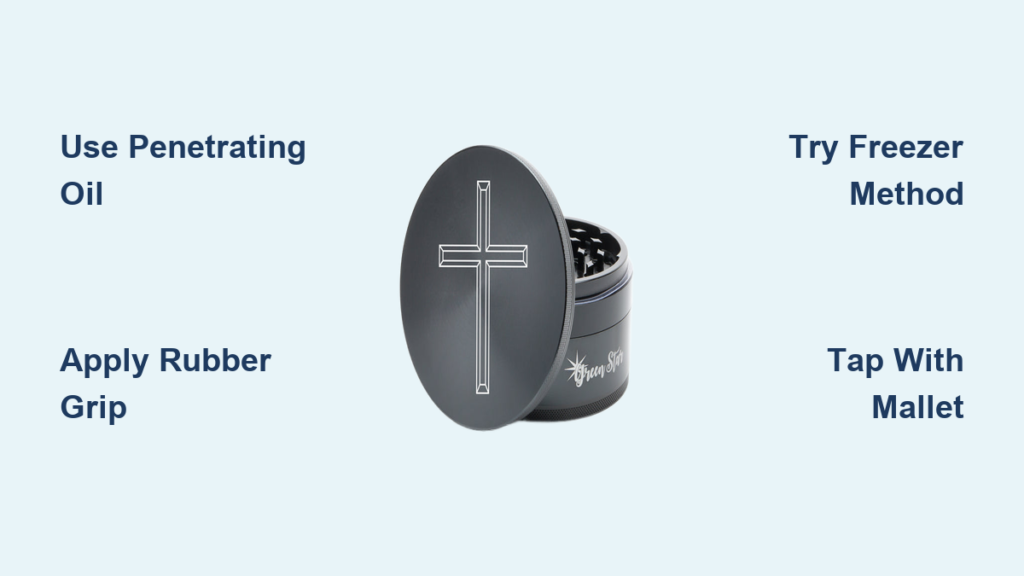
That moment when your grinder won’t budge—no matter how hard you twist—represents one of the most frustrating experiences for regular grinder users. When you’ve got a cross threaded grinder that feels permanently sealed shut, the solution isn’t just applying more force. In fact, forcing it often makes the problem worse by stripping threads or damaging your equipment. Whether you’re dealing with a zinc alloy grinder that cross-threaded after repeated use or a high-quality aluminum model that somehow got misaligned, the right approach can save your device from becoming permanent paperweight.
Most cross threaded grinders can be opened successfully using specific techniques that work with the mechanics of the problem rather than against them. This guide delivers exactly what you need: practical, step-by-step methods to free your stuck grinder without causing further damage. You’ll learn how to identify true cross-threading versus simple resin sticking, apply penetrating oils correctly, maximize grip with household items, and use temperature tricks that exploit metal’s physical properties. By the end, you’ll not only get your grinder open but also understand how to prevent this nightmare from happening again.
Why Grinders Become Cross Threaded
Cross-threaded grinders occur when the threads of your lid and body misalign during assembly, causing the threads to catch, strip, or fuse together permanently. Instead of the smooth engagement you expect when closing your grinder, the threads bite into each other at wrong angles, creating physical resistance that makes normal opening impossible. This differs significantly from simple sticking caused by resin buildup, though both problems often compound each other’s effects.
Your grinder’s material plays a crucial role in determining its vulnerability to cross-threading. Zinc alloy grinders prove particularly susceptible because zinc is a relatively soft metal—the threads can deform and strip with surprisingly little force. Aluminum and titanium grinders offer substantially better resistance since these metals maintain their thread shape under pressure. If you frequently encounter this issue, upgrading to a higher-quality grinder may be your best long-term solution.
Identifying true cross-threading versus resin-related sticking guides your approach. True cross-threading typically presents with a grinding or crunching sensation when you attempt to twist the pieces, whereas resin-related sticking usually feels like uniform resistance without the crunching. Cross-threaded grinders resist opening attempts equally from all angles, while resin-stuck pieces might give slightly at certain points. Recognizing which problem you’re facing prevents wasted effort on ineffective methods.
Penetrating Oil Treatment Methods That Free Stuck Threads
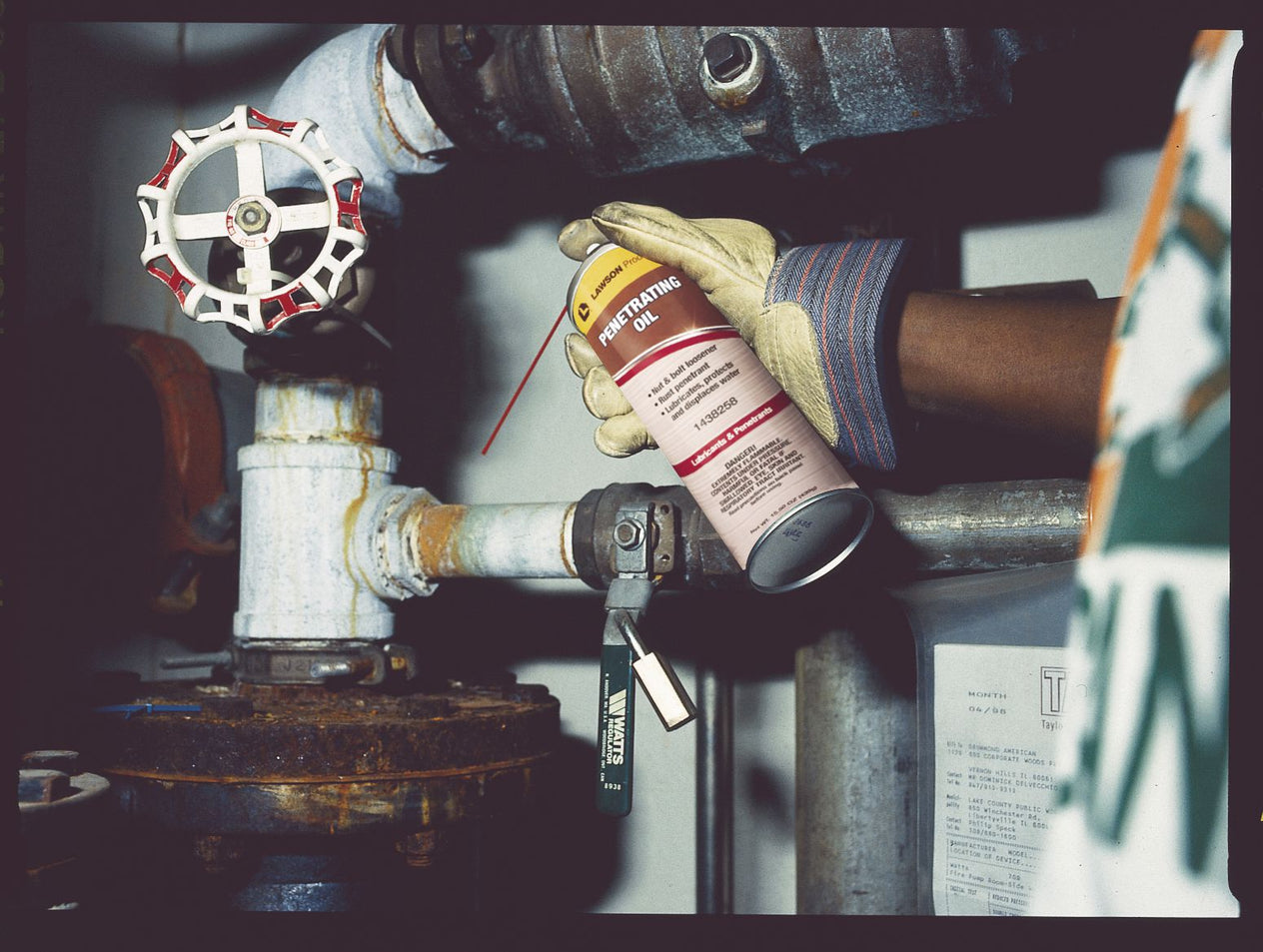
When dealing with a cross threaded grinder that’s been stuck for days or weeks, penetrating oil provides the most effective path to successful opening without causing further thread damage. The oil works its way into microscopic spaces between damaged threads, lubricating contact points and allowing movement to resume.
Food-safe oils are your only appropriate choice for grinders that will contact herbal material. Vegetable oil, olive oil, and coconut oil all work effectively, with coconut oil offering the additional benefit of natural antimicrobial properties. These oils penetrate reasonably well and leave no harmful residues. Isopropyl alcohol serves as an alternative for those who prefer a thinner penetrating agent that evaporates completely, though it requires more frequent reapplication.
Petroleum-based products like WD-40 should never touch your grinder threads. Beyond concerns about petroleum residues on consumable material, these products create cleaning challenges that far exceed their marginal benefits. Once petroleum gets into grinder threads, removing it completely requires extensive cleaning that defeats the purpose of using a quick-fix product.
Apply oil correctly by generously coating the seam where pieces meet, allowing it to pool and begin penetrating the threaded area. Wait fifteen to thirty minutes before attempting to twist the pieces apart, adding more oil periodically. During opening attempts, twist gently but firmly, allowing the oil to continue working into the threads with each movement. For grinders stuck for months rather than days, leaving the oil to penetrate overnight often produces dramatically better results. After successful opening, clean the grinder thoroughly before use.
Rubber Grip Techniques for Maximum Traction
Cross-threaded grinders often resist opening not because they’re stuck too tightly, but because your hands can’t generate enough grip. The rubber grip technique multiplies your twisting power dramatically without requiring tools or risking surface damage.
This method works because rubber dramatically increases friction between your hands and the grinder surface. By wrapping rubber material around both pieces before twisting, you effectively increase the surface area and coefficient of friction available for grip. Multiple rubber-based items work well: rubber jar openers deliver best results due to optimal texture and flexibility. Rubber dishwashing gloves provide a convenient alternative, while thick rubber bands wrapped around both pieces accomplish the same goal with materials most people have readily available.
Execute this technique by wrapping rubber material around both the top and bottom pieces separately, then twisting in opposite directions. This approach provides two to three times more grip than bare hands, often enough to overcome resistance that seemed impossible before. Combining rubber grip treatment with oil application produces synergistic results—the oil lubricates the threads while the rubber enables you to apply sufficient force to actually move them.
Temperature Methods That Exploit Metal Physics

Temperature manipulation exploits metal’s physical properties to create subtle changes that help release cross-threaded pieces. Both cold and heat applications have proven effective, with each method offering distinct advantages depending on your specific situation.
The freezer method causes metal to contract slightly, releasing tension in stripped or damaged threads that have become locked together. Place the entire grinder in a freezer for twenty to thirty minutes, then remove it immediately and attempt opening using rubber grips. The cold temperature also makes any resin brittle and easier to break free. This method achieves approximately a seventy percent success rate for resin-stuck grinders and performs reasonably well for pure cross-threading issues.
Heat application works through the opposite principle—expanding the metal to create separation. Using a hairdryer on high heat aimed at the stuck lid for thirty to sixty seconds causes the outer piece to expand away from the inner piece. Attempt to open immediately while the metal remains hot, but apply heat only to the outer stuck piece rather than the body. Never use open flame, as this damages finishes and creates safety hazards.
For maximum effectiveness, try the freezer method first to contract the metal and break initial tension, then apply heat to the lid only while the pieces are cold. The rapid temperature differential and alternating expansion and contraction frequently succeed where single-method approaches fail.
Mechanical Loosening Techniques for Stubborn Cases
Controlled mechanical shock can help break the bond between metal pieces that have fused together through cross-threading. The tap and shock technique uses vibrational force to disrupt the static friction holding threads in place.
Using a rubber mallet, tap gently around the sides of the stuck pieces while rotating slowly around the circumference. The vibrations and shock help break the seal without denting or damaging the grinder surface. Alternating tapping with opening attempts allows you to work the pieces gradually apart. When a rubber mallet isn’t available, household alternatives include pressing the bottom of your palm against a table edge while twisting or using a wooden spoon handle for controlled pressure.
The hot water bath offers another mechanical approach by combining heat penetration with physical agitation. Submerging the entire grinder in hot (not boiling) water for five to ten minutes allows heat to penetrate deeply while simultaneously softening resin. Remove using tongs and attempt opening immediately while the heat effect is maximized. This method works particularly well for grinders stuck from combined resin buildup and cross-threading, though it will wash away any kief.
Emergency Solutions Without Specialized Tools
When you face a cross-threaded grinder with no oil, no rubber grips, and no specialized tools available, several improvised approaches might save the day using only household items.
The two-person technique distributes the gripping challenge across two sets of hands. One person holds the bottom piece with both hands while the other grasps the top piece with both hands, then both twist in opposite directions simultaneously. This approach provides more total grip force than one person can generate alone and allows for better coordination.
Wedge one edge of the grinder against a door frame for leverage while twisting the other piece. This uses the door frame as a stable anchor point, multiplying the force you can apply without additional tools. A textured rubber floor mat provides excellent grip when placed on a flat surface—simply set the grinder on the mat and twist while the mat holds the bottom piece in place.
Sometimes the most effective approach is patience. Allowing the grinder to sit undisturbed for a day lets natural temperature changes work on the threads. Day-night temperature cycles cause subtle expansion and contraction that can slowly loosen threads that resist immediate opening. Combined with a few drops of whatever oil you might have available, this passive approach sometimes succeeds where active attempts fail.
Preventing cross-threading is significantly easier than fixing it. Always align threads carefully before twisting closed—if you feel resistance immediately, stop and realign rather than forcing the pieces together. Don’t over-tighten grinders when closing, as this increases cross-threading likelihood. Regular thread maintenance with food-grade oils creates a protective barrier that prevents metal-on-metal contact. Investing in quality grinders with anodized aluminum construction provides better thread durability and reduces cross-threading incidents dramatically compared to budget alternatives.