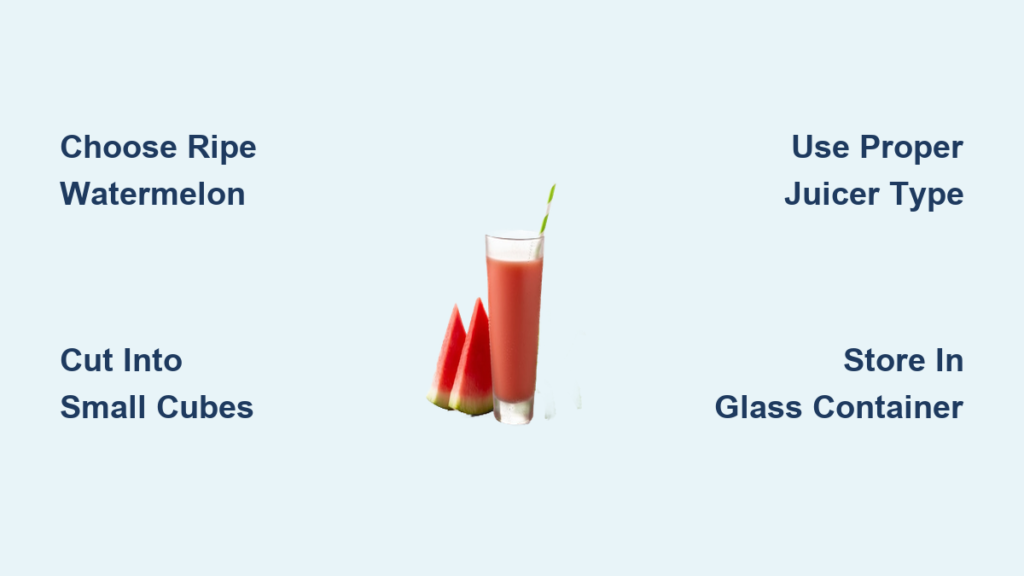
There’s something deeply satisfying about transforming a whole watermelon into a glass of refreshing, naturally sweet juice. Using a juicer makes this process remarkably simple—in just a few minutes, you can produce a vibrant, pink beverage that puts store-bought alternatives to shame. Store-bought watermelon juice often contains added sugars, preservatives, and artificial flavorings that strip away the fruit’s natural benefits. By making juice at home with a juicer, you maintain complete control over ingredients, ensuring a pure, all-natural drink that preserves the nutritional integrity of the original fruit.
Watermelon comprises approximately 92% water, making it the ideal fruit for juicing. When properly prepared and processed through a quality juicer, watermelon yields a beautiful pink-hued liquid that retains the fruit’s natural sweetness while eliminating the fibrous texture some people find less appealing. A single whole watermelon can produce several servings of juice at a fraction of the cost of commercially prepared alternatives, making homemade juice both economical and superior in quality.
This guide covers everything you need to know—from selecting the perfect watermelon and choosing the right juicer to mastering the extraction process and storing your juice properly. Whether you’re a juicing beginner or looking to refine your technique, these steps will help you create delicious watermelon juice every time.
Pick the Perfect Watermelon for Maximum Juice Yield
Selecting high-quality watermelon directly impacts your juice’s flavor, color, and volume. Many beginners overlook this critical step, resulting in disappointing yields and lackluster taste.
Feel for heavy watermelons relative to their size—this weight indicates high water content essential for abundant juice production. Examine the underside for a creamy yellow spot rather than white or green; this “ground spot” reveals proper ripening and sun exposure. Test ripeness by tapping: a ripe watermelon produces a hollow, deep sound while underripe melons yield a higher-pitched thud. These simple checks ensure you start with fruit that will deliver maximum juice with minimal effort.
Choose seedless varieties like Seedless Crimson when available—they dramatically reduce prep time by eliminating tedious seed removal. While these may contain small white immature seeds, they’re soft enough to pass through most juicers without damaging components or affecting texture. For households with children or casual juicing needs, mini watermelons (5-12 pounds) offer convenient single-serving sizes with often more concentrated sweetness.
Match Your Juicer Type to Watermelon’s Unique Properties

Watermelon’s high water content and fibrous texture demand specific juicer characteristics—using the wrong model leads to poor extraction and potential machine damage.
Centrifugal juicers deliver speed at the expense of nutritional quality. Their high-speed spinning baskets process watermelon in under five minutes but generate heat that degrades heat-sensitive nutrients like vitamin C. Expect significant foam formation requiring skimming and juice oxidation that limits shelf life to just 24 hours. Despite these drawbacks, their affordability makes them popular starter options.
Masticating (cold-press) juicers extract 20-30% more juice from watermelon through slow-crushing action. The lower RPM operation preserves enzymes and antioxidants while producing less foam and oxidation. Though processing takes longer (about 8-10 minutes per average watermelon), the superior yield and extended freshness (up to 5 days refrigerated) make them worthwhile investments for regular juicers.
Twin-gear juicers represent premium options for serious enthusiasts. Their counter-rotating gears maximize extraction efficiency and nutrient retention but require significant investment and complex cleaning. Reserve these for households where juicing is a frequent, valued practice rather than occasional treat.
Cut Watermelon Correctly to Avoid Juicer Clogs
Improperly sized watermelon pieces cause the most common juicing failures—from motor strain to incomplete extraction. Follow these precise cutting techniques for optimal results.
Wash the whole watermelon under cool running water using a vegetable brush to remove surface contaminants. While the rind doesn’t enter your juice, bacteria can transfer during cutting. Remove the tough outer green layer with a sharp knife—this prevents potential pesticide transfer and eliminates bitter compounds concentrated near the surface.
Slice watermelon into 2-4 inch cubes that comfortably fit your juicer’s feed chute. Smaller pieces process more efficiently while reducing motor strain. For seedless varieties, simply cut and feed; for seeded types, use a spoon to scoop seeds from cut pieces rather than attempting to de-seed the whole melon first. The white pith directly beneath the rind can impart bitterness, so maintain a clean cut between colored flesh and white layer.
Process Watermelon Through Your Juicer Without Mess
The actual juicing process requires specific techniques to maximize yield and prevent common problems like overflow or foam buildup.
Position your juicer on a stable counter with a large pitcher (minimum 2-quart capacity) beneath the juice spout—standard watermelons produce 8-15 cups of juice. Start the juicer motor before feeding watermelon for centrifugal models; for masticating types, feed first then start the machine. Introduce pieces gradually using the pusher, allowing each to fully process before adding the next. Listen for the motor’s normal hum—straining sounds indicate overfeeding or oversized pieces.
Watch the pulp chute for dry, crumbly output—this signals complete extraction. Wet pulp means you’re feeding too quickly or pieces are too large. For centrifugal juicers, expect foam accumulation; either skim it with a spoon or pour juice through a fine strainer. If using a masticating juicer, the juice should flow steadily with minimal foam, requiring no additional processing.
Prevent Watermelon Juice Oxidation During Storage
Freshly made watermelon juice begins degrading immediately—proper storage techniques preserve flavor, color, and nutritional value.
Transfer juice immediately to glass containers (plastic absorbs flavors and leaches chemicals), filling to within one inch of the top to minimize air exposure. Refrigerate promptly for consumption within 24 hours for peak quality, though properly stored juice remains safe for 3-5 days. The color will gradually darken from vibrant pink to reddish-brown as oxidation occurs—this doesn’t indicate spoilage but does reduce freshness.
For longer preservation, freeze juice in portion-sized containers with one inch of headspace for expansion. Thaw overnight in the refrigerator before serving. Note that freezing may slightly alter texture due to ice crystal formation, though flavor remains excellent. Ice cube trays create perfect portions for smoothies or single servings—simply pop out frozen cubes and store in freezer bags.
Solve Low Juice Yield and Motor Strain Immediately

When your juicer produces disappointing results, these targeted fixes restore optimal performance without requiring new equipment.
Low yield typically stems from underripe watermelon or improper preparation. Verify ripeness using the weight test and ground spot inspection before juicing. For stubborn cases, briefly blend watermelon pieces in a regular blender before juicing—this breaks cell walls for better extraction. Ensure pieces are at room temperature; cold melon releases juice less readily than room-temperature fruit.
Motor strain occurs when oversized pieces overwhelm the feed chute. Immediately stop the machine and cut remaining watermelon into smaller cubes. Allow the motor to rest for 5 minutes between processing sessions when making large batches. If problems persist, your juicer may lack sufficient power for dense fruits like watermelon—consider upgrading to a model with at least 800 watts for centrifugal types or 200+ RPM for masticating models.
Boost Watermelon Juice’s Nutritional Power Naturally

Maximize health benefits through strategic preparation techniques that preserve and enhance watermelon’s natural compounds.
Increase lycopene absorption by adding a small amount of healthy fat like chia seeds or flax oil to your juice—this fat-soluble antioxidant becomes more bioavailable. For maximum citrulline content (which supports vascular health), include a thin layer of white rind when cutting—this portion contains the highest concentration of this beneficial amino acid.
Preserve fiber content by leaving some pulp in your juice rather than straining completely—this slows sugar absorption and provides digestive benefits. For blood sugar management, consume watermelon juice with protein or healthy fats to further moderate glucose response. The natural electrolytes in watermelon make it ideal for post-workout hydration without added sugars found in commercial sports drinks.
Create Restaurant-Quality Watermelon Beverages at Home
Transform basic watermelon juice into sophisticated drinks with these professional techniques used by mixologists and chefs.
Make crystal-clear watermelon juice by double-straining through cheesecloth—this removes all pulp for a refined, restaurant-style presentation perfect for entertaining. Infuse with fresh mint by adding 10-15 leaves directly to the juicer with your watermelon pieces for a cooling summer beverage.
Combine watermelon juice with cucumber (1:1 ratio) and a squeeze of lime for a hydrating spa-style drink. For an adult version, mix 4 parts watermelon juice with 1 part vodka, add fresh basil leaves, and serve over ice with a lime wedge. The natural sweetness of watermelon reduces or eliminates the need for added sweeteners in cocktails.
Clean Your Juicer Within Minutes After Juicing
Delaying cleanup turns simple maintenance into a frustrating chore—follow these time-saving techniques for effortless cleaning.
Disassemble all components immediately after juicing while pulp remains moist. Rinse parts under warm water to remove loose debris, then soak the mesh filter in warm, soapy water for 10 minutes. Use a soft brush to gently scrub the filter—never use abrasive pads that damage the fine mesh. For stubborn residue, create a paste of baking soda and water to gently remove buildup without scratching.
Run citrus peels through your juicer after watermelon to clean residual fibers and leave a fresh scent. For masticating juicers, occasionally oil the auger bearings according to manufacturer instructions to maintain smooth operation. Store all parts completely dry to prevent mold growth between uses.
Why Your Watermelon Juice Separates and How to Fix It
Separation in fresh juice confuses many first-time juicers—understand this natural process and learn proper handling techniques.
Watermelon juice separates because pulp particles settle while clearer liquid rises—a sign your juice contains no artificial stabilizers. Simply shake or stir before serving to reincorporate all components. For presentations where separation looks unappealing, add 1 teaspoon of chia seeds per quart of juice—they absorb liquid and create natural suspension while adding nutritional benefits.
Avoid over-straining if you prefer consistent texture—leaving some pulp maintains natural fiber content and reduces separation. Refrigerated juice separates more quickly than room-temperature juice, so remix just before serving chilled beverages. This separation doesn’t indicate spoilage but rather the purity of your homemade product.
Making watermelon juice with a juicer transforms a simple fruit into a refreshing, nutritious beverage that rivals anything you can purchase. By selecting ripe watermelons, choosing the right equipment, and following proper preparation and storage techniques, you can enjoy fresh, preservative-free watermelon juice whenever you desire. The process requires minimal time and effort while delivering maximum flavor and health benefits.