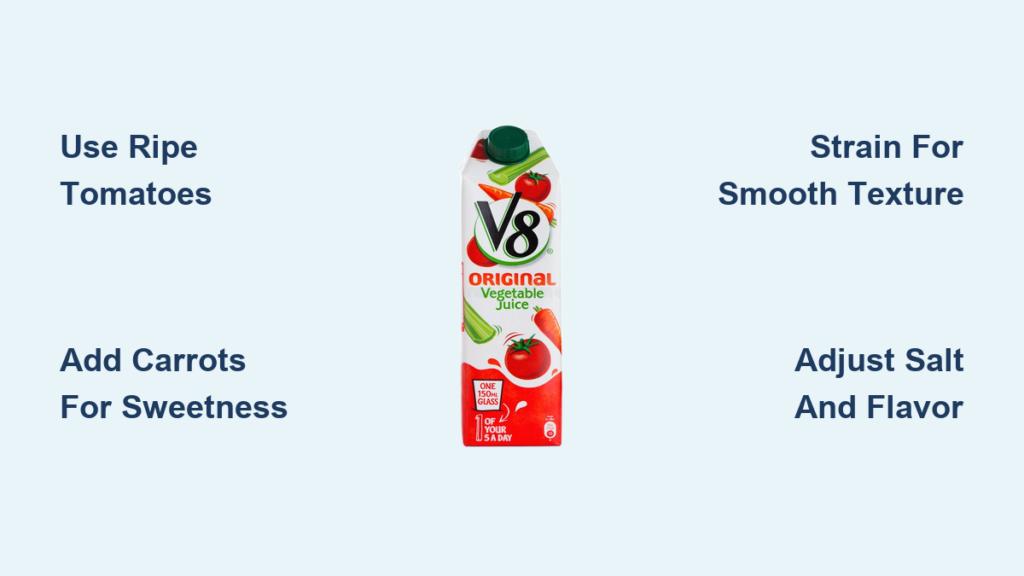
Nothing beats the satisfaction of creating that signature savory V8 flavor right in your kitchen with fresh ingredients you control. When you learn how to make V8 in a juicer, you skip the preservatives, excess sodium, and artificial flavors found in commercial bottles while gaining complete control over nutritional content. The process takes less than 15 minutes of active time and yields a vibrant, nutrient-packed beverage rich in lycopene, potassium, and vitamins A and C that supports overall health. Whether you own a centrifugal juicer or cold press model, this guide reveals exactly how to recreate that beloved vegetable-forward drink using simple kitchen equipment and fresh produce.
Most home juicers don’t realize they can perfectly replicate V8’s complex flavor profile without cooking or special additives. The secret lies in balancing tomatoes with specific supporting vegetables that create the signature taste while providing maximum nutrition. You’ll discover two proven methods—raw juicing for maximum enzyme retention and cooked blending for commercial-like smoothness—plus customization options for dietary needs and flavor preferences. By the end of this guide, you’ll confidently produce restaurant-quality V8 juice that rivals store-bought versions while costing pennies per serving.
Choose Your Juicer Based on V8 Texture Goals
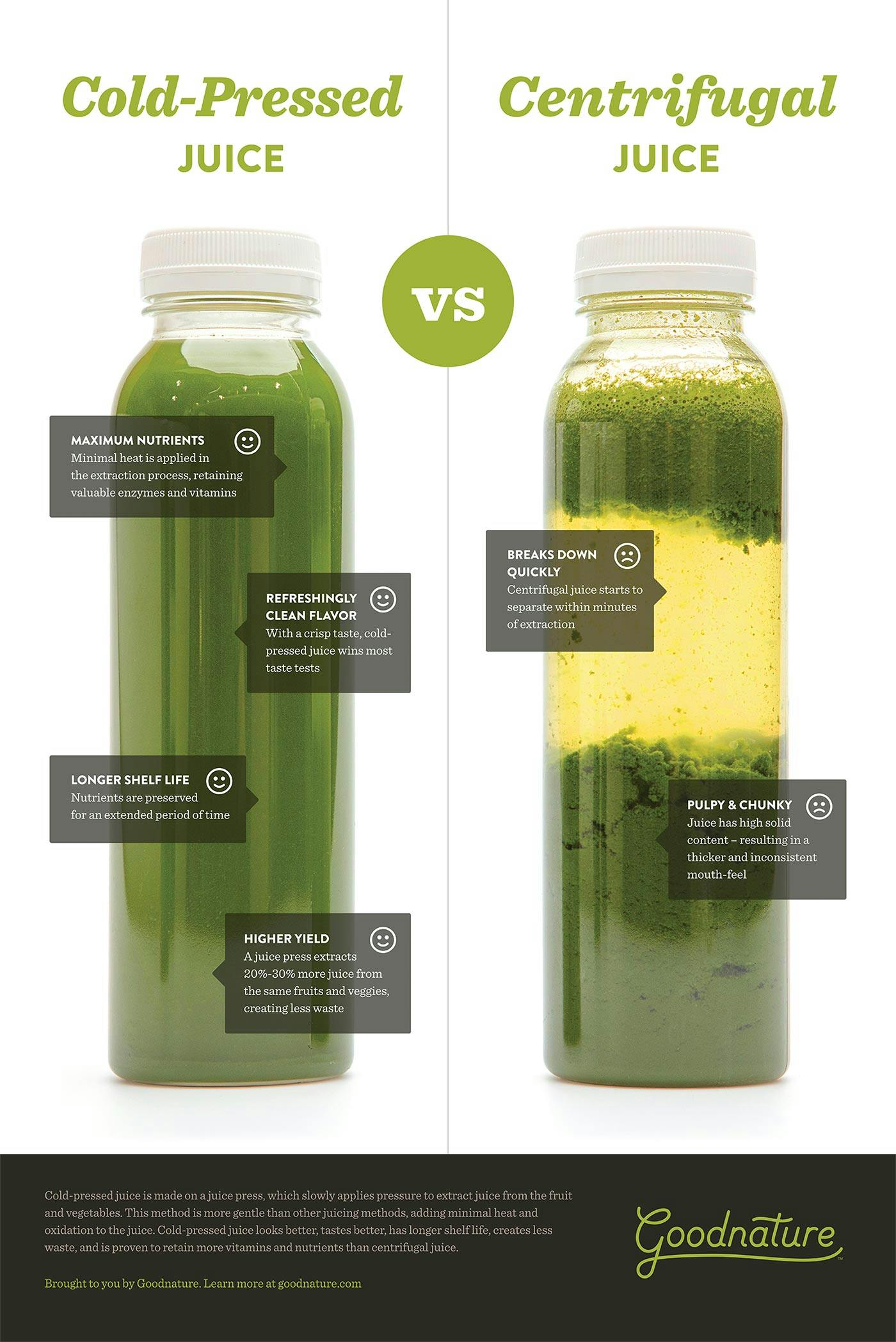
Selecting the right juicing equipment dramatically impacts both your workflow and final V8 consistency. Cold press juicers (also called masticating juicers) operate at slow speeds of 40-80 RPM, grinding vegetables into pulp before pressing out juice under high pressure. This gentle extraction preserves more nutrients, generates minimal heat that could degrade sensitive compounds, and yields 20-30% more juice from the same produce compared to centrifugal models. If you prioritize maximum nutrition and plan to make V8 regularly, the Goodnature Hummingbird cold press juicer delivers exceptional results with minimal foam and excellent flavor extraction.
Centrifugal juicers offer speed and convenience with spinning baskets that separate juice from pulp through centrifugal force. While they produce slightly less juice and generate more heat during operation, they remain perfectly capable of creating delicious V8 in half the time of cold press models. Expect more foam in your finished juice—simply strain through a fine-mesh sieve before serving for smoother texture. If you already own a centrifugal juicer, skip the upgrade; your current machine will produce satisfying results with proper technique.
For the cooked V8 method that mimics commercial texture, you’ll need additional equipment: a standard saucepan for simmering vegetables, a high-powered blender like the Vitamix 5200 for smooth blending, and a fine-mesh sieve for straining. Food mills such as the OXO Good Grips model provide another option for achieving commercial-like smoothness without seeds or large pulp pieces, particularly useful with cooked vegetables.
Measure Exact V8 Ingredients for Perfect Flavor Balance

Creating authentic V8 flavor requires precise vegetable ratios that balance sweetness, acidity, and savory depth. Tomatoes form the essential foundation—use 11.5 ounces (about 2 medium ripe tomatoes) that provide body, acidity, and the signature savory notes. Avoid underripe tomatoes which create harsh, acidic juice; select firm but fully colored specimens for optimal sweetness. Ripe Roma or plum tomatoes work best due to their meaty texture and lower seed count.
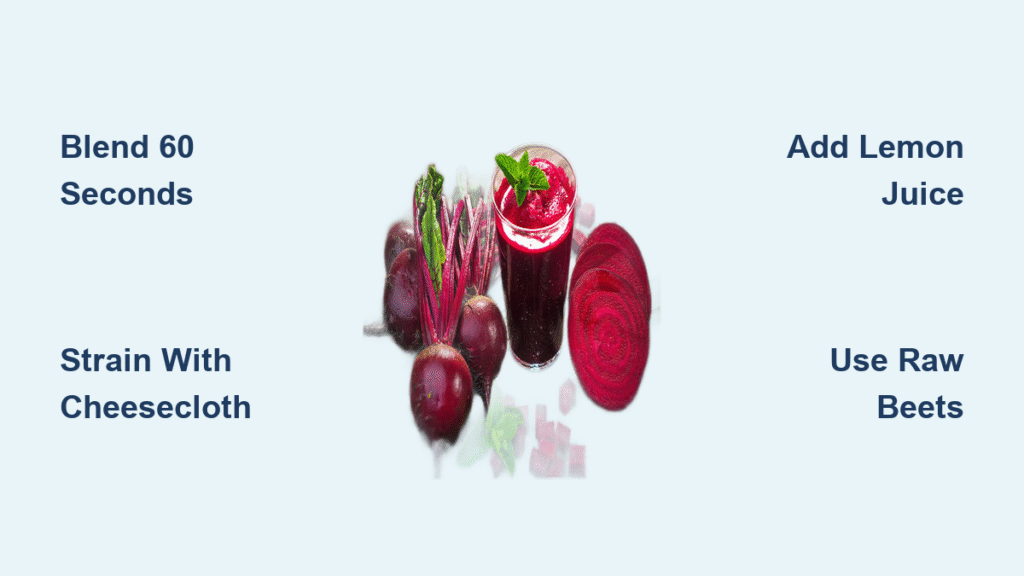
Carrots add critical natural sweetness and body with 3-4 medium specimens (3-4 ounces total). Their beta-carotene converts to Vitamin A while their sugars balance tomato acidity, reducing your need for added salt. Celery contributes distinctive savory notes with just 1-2 medium stalks (1-2 ounces)—its high water content boosts yield without overwhelming flavor. Beets serve primarily as color enhancers with a single 1-inch slice (0.1-0.2 ounces) providing deep red-purple hues along with earthiness and beneficial nitrates.
Complete your blend with:
– Spinach: 0.5-1 cup (18-30 grams) for concentrated nutrients without bitter notes
– Parsley: 0.25-0.5 cup chopped (10-15 grams) for fresh herbaceous complexity
– Optional flavor boosters: 1 red bell pepper for sweetness, 1-inch ginger for warmth, or 2 lime wedges for brightness
Prep Vegetables for Maximum V8 Juice Yield
Proper preparation prevents juicing disasters and significantly boosts your final yield. Begin by washing all produce thoroughly under running water to remove dirt and surface contaminants that could affect flavor. For vegetables with tough skins like carrots and cucumbers, peeling remains optional—keeping skin adds fiber and nutrition but may introduce bitter flavors in some varieties.
Remove the top ends of carrots and beets where soil accumulates and texture becomes fibrous. Trim any damaged or bruised areas from vegetables before processing, as these sections introduce off-flavors. For tomatoes, remove stems and verify they’re firm but ripe—overly soft tomatoes create textural issues while underripe specimens lack necessary sweetness.
Cut vegetables into 1-2 inch chunks that safely fit your juicer’s feed chute. This 5-minute preparation prevents jamming and ensures smooth extraction. When using centrifugal juicers, alternate between soft vegetables (tomatoes) and harder ones (carrots) during feeding for optimal extraction and reduced clogging. Cold press juicers handle larger chunks, but uniform sizing still improves efficiency.
Execute the Raw Juicing Method for Fresh V8 Flavor
This 10-minute raw method preserves maximum nutrients while delivering vibrant, refreshing V8 juice with bright vegetable flavors. Start your juicer according to manufacturer instructions, then feed vegetables systematically through the chute. Process tomatoes first—their juicy texture lubricates the machine—before moving to denser vegetables like carrots and beets. Continue until your juice container fills and pulp approaches capacity.
Examine the finished juice for foam. If you prefer commercial-style smoothness, strain through a fine-mesh sieve to remove excess foam and fiber. For maximum nutrition and satiety, retain the fiber by skipping this step. Add salt sparingly if needed—most find carrots and tomatoes provide adequate flavor balance without added sodium.
Your raw V8 yields approximately 12 ounces with just 60 calories per serving. Chill for 15-30 minutes before serving for optimal refreshment, or pour immediately over ice. For best nutrient retention, consume within 24 hours though properly refrigerated juice remains safe for one week.
Perfect the Cooked Blending Method for Commercial Texture
This 35-minute cooked approach creates smoother, more cohesive V8 with flavor characteristics closer to store-bought versions. Combine tomatoes, carrots, beet slice, 1 tablespoon Worcestershire sauce, ½ teaspoon salt, and ¼ teaspoon pepper in a saucepan with ½ cup water. Bring to boil over medium-high heat, then reduce to gentle simmer. Cover and maintain low simmer for 20 minutes, stirring occasionally.
Add spinach and parsley to the pot, continuing to simmer covered for 5 additional minutes. Remove from heat and cool for 10 minutes before transferring to a high-powered blender with remaining ½ cup water. Blend on high speed for 2 minutes until completely smooth, then strain through a fine-mesh sieve pressing with a spoon to extract maximum liquid.
Store in airtight containers in the refrigerator where it keeps for one week. The juice will naturally separate during storage—simply shake well before serving. This cooked version yields approximately 10 ounces with richer, more complex flavor that many consider closer to commercial V8.
Customize Your V8 for Dietary Needs and Preferences

Homemade V8 accommodates various dietary restrictions through simple substitutions. For vegan versions, omit Worcestershire sauce (contains anchovies) and substitute miso paste or additional lemon juice for umami depth. Low-sodium adaptations reduce or eliminate added salt while relying on vegetable sweetness—add one medium apple to your blend to naturally balance acidity without salt.
Flavor variations expand your options significantly:
– Spicy V8: Add pinch of cayenne (⅛-¼ teaspoon) for heat
– Herb-infused: Substitute basil or cilantro for parsley
– Root vegetable blend: Add sweet potato or fennel for earthiness
– Fruit-enhanced: Include apple or cucumber for refreshing sweetness
The V8 Plus recipe with apple specifically addresses low-sodium needs as fruit sugars reduce perceived acidity. For Virgin Bloody Mary versions, add extra Worcestershire sauce, celery salt, and hot sauce to your finished juice.
Troubleshoot Common V8 Juicing Problems Immediately
Bland flavor typically results from under-seasoning or using out-of-season vegetables. Fix this by adding:
– Small splash of Worcestershire sauce
– Pinch of sea salt (if acceptable)
– Extra lime juice for brightness
Excessive bitterness often comes from overusing strong-flavored greens or spoiled produce. Reduce bitter ingredients and select fresher vegetables—adding a small apple piece can also balance harsh notes. For thickness issues, dilute overly thick juice with water or add more tomatoes to thin juice.
Poor juice yield usually indicates improper vegetable prep or past-prime produce. Select firm, fresh vegetables and cut to appropriate sizes for your juicer type. Cold press juicers typically yield more juice than centrifugal models—adjust expectations based on your equipment.
Store Homemade V8 for Maximum Freshness and Safety
Refrigerate V8 in glass containers (non-reactive) for up to one week, though quality declines after 3-4 days. The juice will separate naturally during storage—shake vigorously before serving to redistribute settled solids. For maximum nutrient retention, consume raw V8 within 24 hours.
Freeze juice for longer storage (3-4 months) in freezer-safe containers with headspace for expansion. Thaw overnight in the refrigerator and shake well before serving—some texture changes may occur but nutritional value remains intact. Avoid plastic containers when possible as they can leach chemicals into acidic vegetable juice.
Pro Tip: Freeze V8 in ice cube trays for single-serving portions that thaw quickly. These make excellent additions to soups, stews, or as savory ice pops for kids.
Creating homemade V8 juice in your juicer delivers significant advantages over commercial products including complete ingredient control, reduced sodium, and fresh flavor. Whether you prefer the vibrant raw method or smoother cooked approach, you now have the exact measurements, techniques, and troubleshooting solutions needed to produce perfect V8 consistently. Start with the foundational recipes before exploring customizations—the more you make it, the better you’ll understand how to adjust vegetable ratios to match your personal taste preferences. With your new V8-making skills, you’ll never reach for a store-bought bottle again.