Transform ordinary nuts into restaurant-quality spreads using your Omega juicer—no high-speed blender required. Unlike commercial processors that generate destructive heat, your Omega’s cold press technology operates at just 80 RPM, preserving nutrients while releasing natural oils to create remarkably smooth nut butter. Homemade versions cost a fraction of store-bought alternatives (often $3-6 per cup versus $15+ retail) while avoiding preservatives and hydrogenated oils. This guide reveals exactly how to leverage your Omega juicer’s unique capabilities to produce creamy almond butter, rich cashew cream, and innovative flavored spreads that outperform even premium commercial products.
Identify Your Omega Juicer’s Nut Butter Capability

Your Omega juicer’s model determines its nut butter-making potential—horizontal models outperform vertical designs for this specific task. The Omega J8006 Nutrition Center delivers optimal results with its 1/3 horsepower motor and dual-stage masticating system that first crushes then presses ingredients through a fine aperture. Its included homogenizing attachment replaces the standard juicing screen, allowing properly textured butter to pass through without separation. Expect ten-year durability from this workhorse when making nut butter batches of 2-3 cups.
The Omega J8008 offers nearly identical nut butter performance with minor component updates, while the NC800 and NC900 models add five-stage pressure adjustment for customizing extraction based on nut oil content. Vertical juicer owners (VSJ843) can produce nut butter but must process more carefully to avoid jamming—the horizontal design’s larger feed tubes and optimized motor make them superior for continuous nut butter production.
Why Horizontal Models Excel for Nut Butter
Horizontal Omega juicers generate consistent pressure through their auger system that vertical models struggle to match. The 80 RPM speed creates sufficient friction to release natural oils without damaging heat, while the horizontal orientation allows thicker consistencies to flow smoothly through the homogenizing attachment. Attempting nut butter in vertical models often requires stopping to scrape down sides and risks motor strain from the denser mixture.
Select Best Nuts for Creamy Omega Juicer Butter
Nut selection directly impacts your butter’s texture, flavor, and processing time—some varieties transform into silky spreads while others require extra attention.
Almonds: The Classic Choice with Specific Requirements
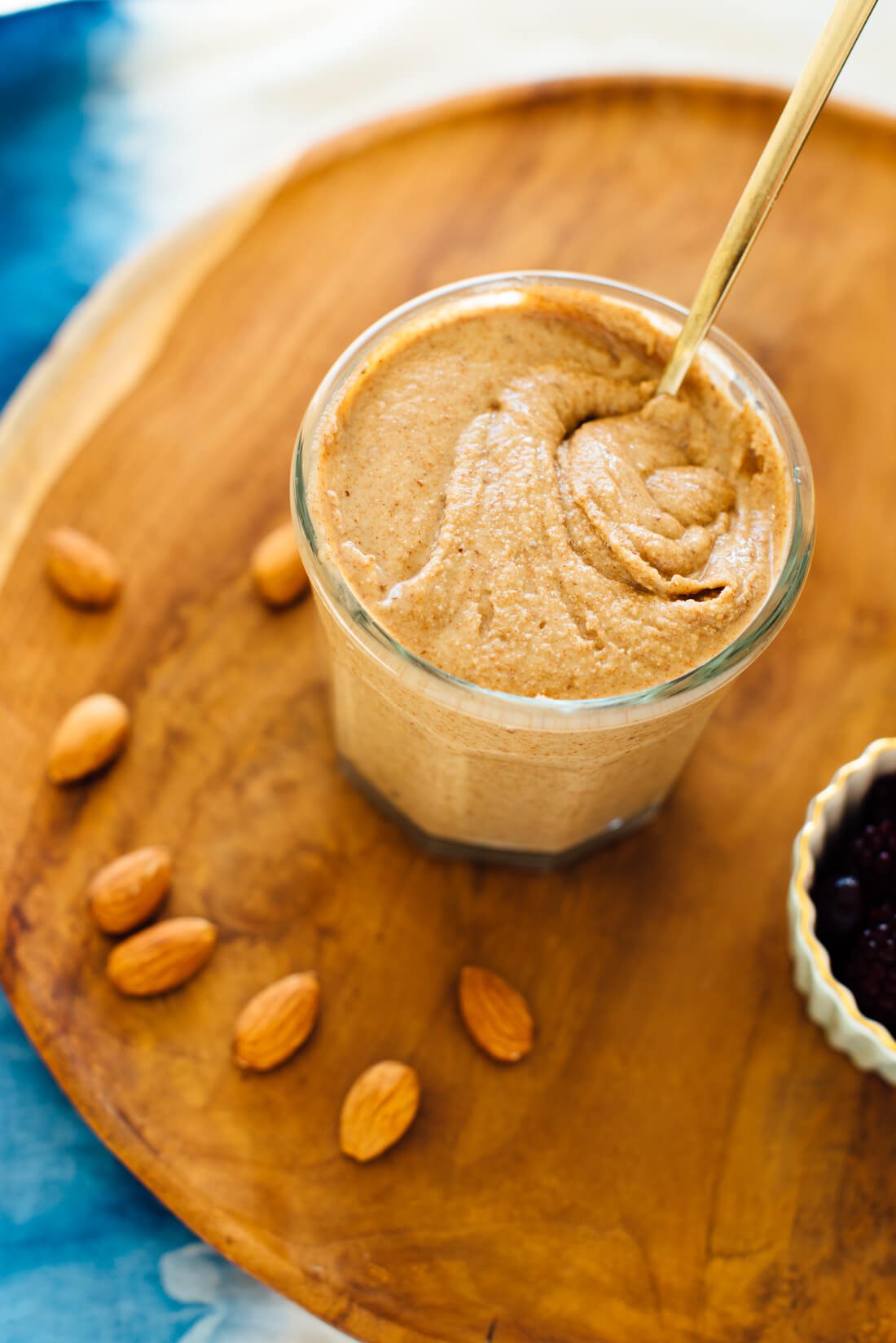
Raw California almonds produce lighter, enzyme-rich butter but require 15-25 minutes of processing to achieve smoothness. For faster results (10-18 minutes), dry-roast almonds at 350°F for 10-15 minutes before processing—this releases oils while developing deeper flavor. Expect one cup of butter from two cups of whole almonds, with roasted versions yielding slightly more due to reduced moisture content.
Cashews: The Easiest Option for Beginners
Cashews contain the highest natural oil content among common nuts, making them the simplest to process in your Omega juicer. Their mild, slightly sweet flavor adapts to both savory and sweet applications with minimal effort—typically 10-15 minutes processing yields exceptionally creamy results from two cups of raw cashews. Skip added oil since cashews’ natural creaminess rarely requires thinning.
Prepare Nuts for Optimal Omega Juicer Processing
Proper nut preparation prevents motor strain and ensures smooth texture—skip these steps at your butter’s peril.
Oven-Roasting Technique for Faster Processing
Preheat oven to 350°F and spread nuts in a single layer on a baking sheet. Roast almonds and cashews for 10-15 minutes, denser walnuts and hazelnuts for 12-18 minutes, stirring halfway through. Nuts are ready when fragrant with slightly golden edges. Crucially, allow complete cooling before processing—warm nuts can damage your juicer’s motor and create grainy texture.
Skin Removal for Ultra-Smooth Results
For hazelnuts (and optional for almonds), remove skins after roasting by placing hot nuts in a clean kitchen towel and rubbing vigorously. The skins will loosen and separate for easy winnowing. While this step affects only texture—not flavor—it’s essential for achieving silky-smooth hazelnut butter.
Make Perfect Nut Butter in 6 Essential Steps
Follow this precise sequence to transform nuts into spreadable perfection using your Omega juicer’s cold press technology.
Install Homogenizing Attachment Before Starting
Remove standard juicing screen and replace with homogenizing blank attachment—this critical step allows ground material to pass through without separation. Position a wide-mouth container beneath the output chute and verify all components lock securely. Plug in the machine and confirm smooth forward operation before adding ingredients.
Feed Nuts Gradually to Prevent Motor Strain
Start motor at normal speed and add nuts one handful at a time using the food pusher. Never overfill the feed tube—this causes jamming and uneven processing. The auger should grip nuts with audible motor strain indicating proper pressure. Process in batches of 2-3 cups maximum to protect your motor during extended operation.
Process Until Continuous Stream Forms
Monitor output as nuts transform into thick paste. Visible butter typically appears within 3-5 minutes, but continue until the output flows as a continuous stream rather than dripping or chunking. This requires 10-25 minutes depending on nut type—raw almonds need 15-25 minutes while cashews may be ready in 10-15.
Add Flavorings Only After Base Butter Smooths
Introduce optional ingredients only after base butter reaches smooth consistency. Add honey or maple syrup in small amounts (1-2 tbsp per cup), incorporating fully before adding more. For spices or extracts, process 30-60 seconds after each addition. To thin consistency, drizzle neutral oil (grapeseed or avocado) slowly through the running chute.
Fix Common Omega Nut Butter Problems

Even experienced users encounter issues—know these solutions before starting.
Motor Stalls During Processing? Cool Down & Reduce Load
If motor stalls, immediately unplug and allow 30+ minutes cooling time. Causes include overfilling the feed tube, processing excessively dry nuts, or exceeding capacity. Prevent recurrence by adding nuts more slowly, ensuring proper roasting, and limiting batches to 2-3 cups. Never force the motor—this risks permanent damage.
Grainy Texture? Extend Processing Time
Continue processing for several more minutes—the auger’s friction breaks down remaining particles and releases additional oils. If graininess persists with low-oil nuts like walnuts, add 1-2 tbsp neutral oil per cup during final processing. Macadamia nuts blended with other varieties dramatically improve overall creaminess.
Store Homemade Nut Butter for Maximum Freshness
Proper storage maintains flavor and prevents spoilage—don’t waste your effort with improper containers.
Room Temperature Storage for Immediate Use
Transfer warm butter to clean glass jars with tight seals, filling to the top to minimize air exposure. Properly stored nut butter lasts 2-3 weeks at room temperature in a cool, dark pantry location. Never store in direct sunlight—this accelerates oil oxidation and rancidity.
Refrigeration Extends Life to 2-3 Months
For longer storage, refrigerate butter in airtight containers. Before each use, stir thoroughly since natural separation occurs during cold storage. Allow 15-20 minutes at room temperature to regain spreadable consistency. Refrigeration significantly slows oxidation while preserving nutritional value.
Clean Your Omega Juicer Immediately After Use
Nut butter residues harden quickly—delayed cleaning risks permanent damage to screens and augers.
Rinse Components While Warm for Easy Removal
Disassemble the juicer while components remain warm and rinse under warm running water. Use the included cleaning brush to scrub the homogenizing screen thoroughly, paying special attention to screen holes where butter accumulates. Warm water alone removes most residue when cleaned promptly—avoid harsh chemicals that damage plastic components.
Never Submerge Motor Base in Water
Wipe the motor base exterior with a damp cloth only—never immerse in water. Ensure all moisture removes from attachment points before reassembly. Store the juicer in a clean, dry location with power cord loosely coiled. Periodically inspect the auger for wear, replacing damaged components with genuine Omega parts.
Master These 3 Foolproof Omega Nut Butter Recipes
Start with these proven formulations before experimenting with your own creations.
Basic Salted Almond Butter (2 cups)
Process 2 cups raw almonds until smooth (15-25 minutes), adding ½ tsp sea salt through the feeder once butter forms. Continue processing 30 seconds to incorporate. The salt enhances natural nut flavors without overpowering—ideal for toast or apple slices.
Honey Vanilla Cashew Butter (2 cups)
Process 2 cups raw cashews to smooth consistency (10-15 minutes), then add 1-2 tbsp honey and ½ tsp vanilla extract through the feeder. Cashews’ natural sweetness requires less added sweetener than other nuts—perfect for smoothies or oatmeal.
Spiced Maple Pecan Butter (2.5 cups)
Process 2.5 cups raw pecans until smooth (12-18 minutes), then add 2 tbsp maple syrup, ½ tsp cinnamon, ¼ tsp ginger, and pinch of nutmeg. This warming variation excels on pancakes or as dessert spread—pecans’ natural buttery flavor needs minimal enhancement.
Understand Exact Processing Times by Nut Type
Manage expectations with these verified processing durations for two-cup batches:
- Raw almonds: 15-25 minutes (yields 1 cup butter)
- Raw cashews: 10-15 minutes (yields nearly 1 cup)
- Walnuts/pecans: 12-20 minutes (may require oil addition)
- Hazelnuts: 20-30 minutes (skin removal recommended)
- Macadamias: 8-12 minutes (highest yield due to softness)
Pro Tip: Process no more than 2-3 cups at a time—even powerful Omega juicers need rest between batches to prevent motor strain. Larger quantities require multiple processing sessions with adequate cooling intervals.
Homemade nut butter from your Omega juicer delivers unparalleled freshness and customization impossible to find commercially. The initial equipment investment pays dividends through substantial savings on specialty spreads while granting complete control over ingredients and texture. Start with basic almond butter, master the timing for your preferred consistency, then experiment with flavor variations—the cold press technology preserves delicate nut flavors that commercial processing destroys. With proper technique, your Omega transforms ordinary nuts into extraordinary spreads that elevate everything from morning toast to gourmet desserts.