Picture this: you’re preparing your favorite recipe that calls for freshly ground spices, but your electric grinder has suddenly stopped working. Or perhaps you’re camping in the wilderness with no access to proper kitchen equipment. Many home cooks and outdoor enthusiasts have faced this frustrating situation where a proper grinder isn’t available when needed most. The good news is that you don’t need specialized equipment to grind herbs, spices, or coffee beans effectively. With common household items and some creativity, you can create a functional makeshift grinder that delivers surprisingly good results. In this guide, you’ll discover multiple proven methods to make a makeshift grinder using items you likely already have at home, along with safety considerations and tips for optimal performance.
Essential Household Items That Double as Grinders
Transforming a Mortar and Pestle into an Effective Grinding Tool
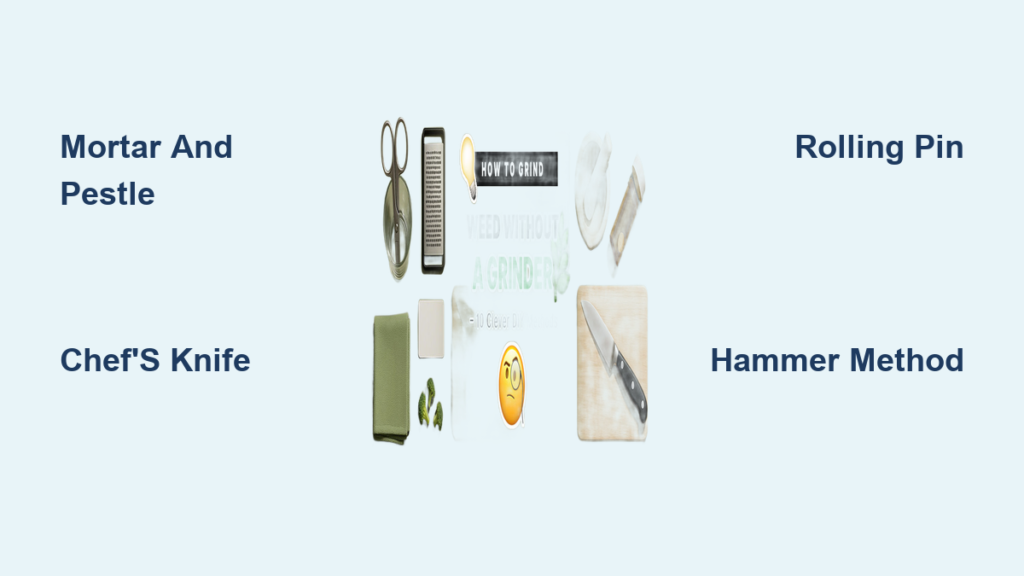
While not strictly “makeshift” since it’s designed for grinding, many households own a mortar and pestle but don’t realize its full potential as a backup grinder. This ancient tool works exceptionally well for spices, herbs, and even small quantities of coffee beans. Place your dry ingredients in the mortar and use a circular grinding motion with the pestle, applying steady pressure. For harder spices like peppercorns or cardamom pods, crack them first with the flat side of a knife before grinding. The key to effective grinding is maintaining consistent pressure while rotating the pestle in a circular motion rather than just pounding. This method preserves essential oils better than electric grinders and gives you complete control over the coarseness of your grind.
Using a Chef’s Knife for Effective Spice Grinding
Your kitchen knife can serve as an improvised grinder with the right technique. Start by placing whole spices on your cutting board. Chop them finely using a rocking motion with your knife. Once chopped, gather the spices into a pile and use the flat side of your knife to press and smear them against the cutting board. This “smashing” technique breaks down the cell structure of spices, releasing their essential oils and creating a coarse powder. For best results, work in small batches and use a back-and-forth pressing motion while applying firm downward pressure. This method works particularly well for spices like cumin seeds, coriander, and fennel seeds. Remember to keep your fingers clear of the blade at all times and use a stable cutting board to prevent accidents.
Creative Solutions Using Common Kitchen Tools
Transforming a Rolling Pin into a Grinding Device
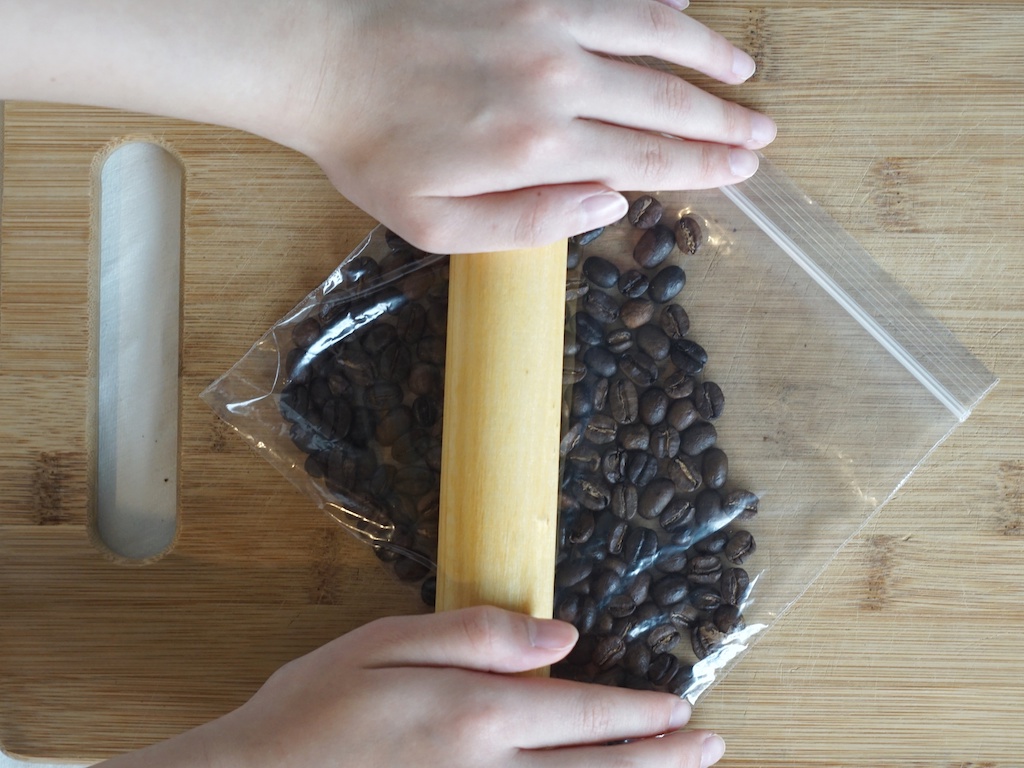
The rolling pin in your kitchen cabinet can double as an effective makeshift grinder with a simple technique. Place your dry ingredients inside a sturdy zip-top plastic bag or between two sheets of parchment paper. Seal the bag completely or secure the parchment paper with clips. Using firm, even pressure, roll the pin back and forth over the ingredients. Focus on applying consistent pressure while moving the pin in multiple directions rather than just back and forth. This method works well for coffee beans, nuts, and harder spices. For a finer grind, fold the material and repeat the process. The plastic bag or parchment paper contains the mess while protecting your rolling pin from staining. Important: Never use excessive force that could break the rolling pin or cause the bag to burst.
Creating a Coffee Bean Crusher with a Hammer
When you need to grind coffee beans without a grinder, a hammer and sturdy surface can produce excellent results. Place your coffee beans inside a thick zip-top plastic bag and remove as much air as possible before sealing. Lay the bag flat on a solid, stable surface like a concrete floor or workbench (not your kitchen counter). Using the flat side of a hammer, gently tap the beans in a systematic pattern, working from one side of the bag to the other. Apply moderate, consistent pressure rather than heavy blows that might pulverize the beans into dust. For a medium grind suitable for pour-over coffee, aim for pieces about the size of coarse sand. This method gives you precise control over the grind size and works surprisingly well for small to medium batches.
Safety-First Approach to Makeshift Grinding

Essential Safety Precautions for Improvised Grinding Methods
Always contain your ingredients properly to prevent flying debris when using hammer or rolling techniques. Use heavy-duty plastic bags designed for freezing or multiple layers of parchment paper. Ensure your work surface is stable and won’t slip during the grinding process—place a damp towel underneath cutting boards or work surfaces. When using sharp tools like knives, maintain proper hand positioning with fingers curled away from the blade. For hammer techniques, wear safety glasses to protect your eyes from potential fragments. Work in a well-lit area where you can clearly see what you’re doing, and keep children and pets away from your workspace. Remember that different materials require different pressure levels—start gently and increase force as needed rather than beginning with excessive pressure that could damage your ingredients or tools.
Common Mistakes to Avoid with Makeshift Grinders
Many beginners make the error of using too much force too quickly, resulting in uneven grinding or complete pulverization of ingredients. Another common mistake is attempting to grind overly large quantities at once, which leads to inconsistent results. Never try to grind wet or oily ingredients with these methods, as they will create a messy paste rather than a proper grind. Avoid using delicate glass or ceramic items that could shatter under pressure. Don’t use plastic containers not designed for impact, as they may crack or leach chemicals into your food. Perhaps most importantly, never compromise on safety to save time—taking proper precautions might add a minute to your process but prevents potential injuries. For coffee specifically, avoid grinding beans to a powder when a coarser grind is needed, as this will result in bitter, over-extracted coffee.
Specialized Techniques for Specific Ingredients
Grinding Coffee Beans with Limited Tools
For coffee enthusiasts without a grinder, the jar and screwdriver method offers surprising precision. Place your coffee beans in a sturdy glass jar. Insert a flat-head screwdriver through the lid’s opening (remove the metal insert first). Secure the lid tightly. Holding the jar firmly with one hand, use your other hand to twist the screwdriver in a circular motion, applying downward pressure. The screwdriver’s edge will gradually break down the beans. Periodically stop to shake the jar, redistributing the beans for even grinding. This technique allows you to control both the speed and pressure, resulting in a more consistent grind than hammer methods. For French press coffee, aim for pieces roughly the size of breadcrumbs; for pour-over, target a consistency similar to table salt.
Processing Herbs and Spices Without Electricity
When dealing with dried herbs like rosemary or thyme, the fork technique proves remarkably effective. Place your herbs on a cutting board and use the tines of a fork to press and twist the material against the board. The fork’s prongs will break down the herbs while containing them better than a knife. For leafy herbs, this method preserves more essential oils than chopping. With harder spices like cinnamon sticks, place them in a heavy-duty plastic bag and use the bottom of a drinking glass to apply steady, circular pressure. The curved surface of the glass bottom provides excellent control for creating a fine powder without creating dust clouds. For seeds like mustard or poppy, the plate and spoon method works well—place seeds on a plate and use the back of a spoon to press and rotate in small circles.
Maintaining Quality and Consistency

Achieving the Right Grind Size for Different Applications
Understanding your desired end result is crucial for successful makeshift grinding. For coffee, a coarse grind (similar to breadcrumbs) works best for French press, while pour-over methods require a medium grind (like table salt). Espresso needs the finest grind achievable with these methods (resembling powdered sugar but not quite as fine). When grinding spices, consider how they’ll be used—a finer grind works better for rubs, while coarser grinds add texture to dishes. Test small batches first to perfect your technique before processing larger quantities. After grinding, sift your results through a fine mesh strainer if needed—return larger pieces to the grinding process while using the finer particles immediately.
Cleaning and Storing Your Makeshift Grinding Tools
Proper cleaning ensures your improvised tools remain effective and don’t transfer flavors between uses. For plastic bags used in hammer or rolling methods, dispose of them after use to prevent flavor transfer. When using cutting boards, wash thoroughly with hot, soapy water immediately after grinding strong spices like cumin or coffee beans. For metal tools like knives or screwdrivers, clean promptly to prevent staining. If using a mortar and pestle, clean with warm water (no soap for stone mortars) and allow to air dry completely before storage. Never soak wooden rolling pins—wipe clean with a damp cloth and dry immediately. Store all tools in a dry place to prevent moisture buildup that could lead to mold or warping.
Final Note: Creating a makeshift grinder doesn’t require specialized knowledge or tools—just creativity and understanding of basic grinding principles. By mastering these techniques, you’ll never be without a way to process spices, coffee, or herbs regardless of your circumstances. Remember that consistent pressure and controlled force yield better results than aggressive pounding. With practice, you’ll develop a feel for how much pressure to apply for different ingredients and desired grind sizes. For best results, always work in small batches, contain your ingredients properly, and prioritize safety throughout the process. These methods may take slightly longer than electric grinders, but they give you unparalleled control over your final product while eliminating dependency on electrical equipment.