Fresh spinach juice packs one of the most powerful nutritional punches of any homemade beverage, delivering concentrated vitamins, minerals, and antioxidants that support overall health. Learning how to juice spinach in a juicer properly ensures you extract maximum nutrition while preserving the delicate enzymes and compounds that make this leafy green so valuable. Whether you’re new to juicing or refining your technique, mastering spinach juice preparation unlocks a simple way to boost your daily nutrient intake with minimal effort.
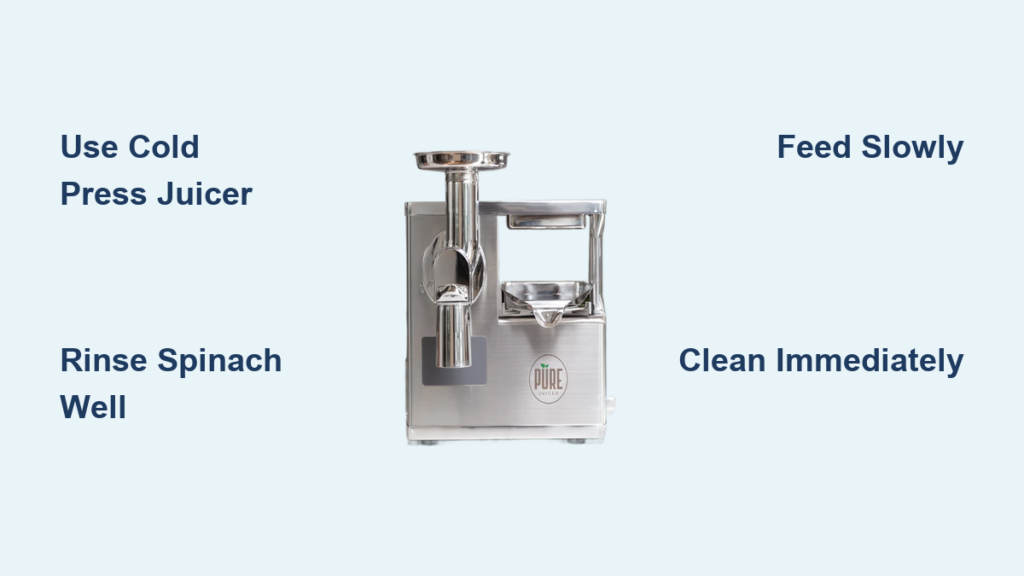
The method you choose for juicing spinach dramatically affects the quality and nutritional content of your final drink. Cold press juicers (masticating juicers) deliver superior results for leafy greens compared to high-speed centrifugal models because they operate at low speeds that minimize heat generation and oxidation. This gentle extraction process preserves vitamins, enzymes, and antioxidants that would otherwise degrade through heat exposure. By understanding proper techniques for selecting, preparing, and processing spinach, you can create delicious, nutrient-rich juice that becomes a valuable part of your healthy routine.
Why Cold Press Beats Centrifugal for Spinach Juice Extraction
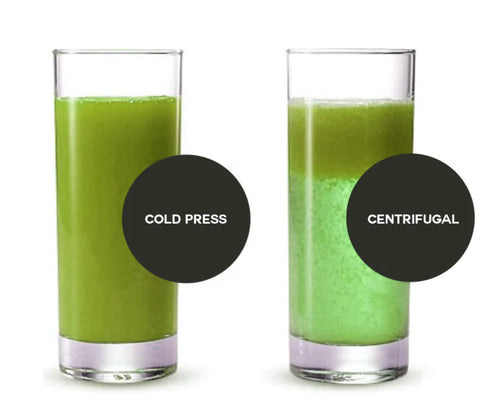
Cold press juicers outperform centrifugal models when juicing spinach due to their low-speed operation, typically between 40-100 RPM. The slow mastication process gently crushes spinach leaves without generating significant heat, which is critical because heat degrades heat-sensitive enzymes, vitamins, and antioxidants that give spinach its remarkable health benefits. Centrifugal juicers spin at thousands of RPM, creating friction that heats the juice and introduces air through rapid oxidation.
How Low-Speed Processing Preserves Spinach’s Nutrients
Spinach contains delicate compounds like vitamin C, folate, and various antioxidants that begin breaking down when exposed to heat above 118°F (48°C). Cold press juicers maintain temperatures well below this threshold throughout the extraction process, preserving these sensitive nutrients. The slow pressing action also minimizes cellular damage to the spinach, keeping enzymes intact that aid digestion and nutrient absorption when you drink the juice.
Avoiding Oxidation: The Key to Longer-Lasting Green Juice
Oxidation occurs when juice is exposed to air, causing nutrients to degrade and juice to spoil faster. Centrifugal juicers create foam and introduce significant air into the juice through their high-speed spinning action. Cold press juicers, however, gently press juice from spinach with minimal air exposure, resulting in juice that maintains its vibrant green color and nutritional integrity for up to 24 hours when properly stored. This reduced oxidation means more stable vitamins and a fresher taste in every glass.
Selecting Perfect Spinach for Maximum Juice Yield
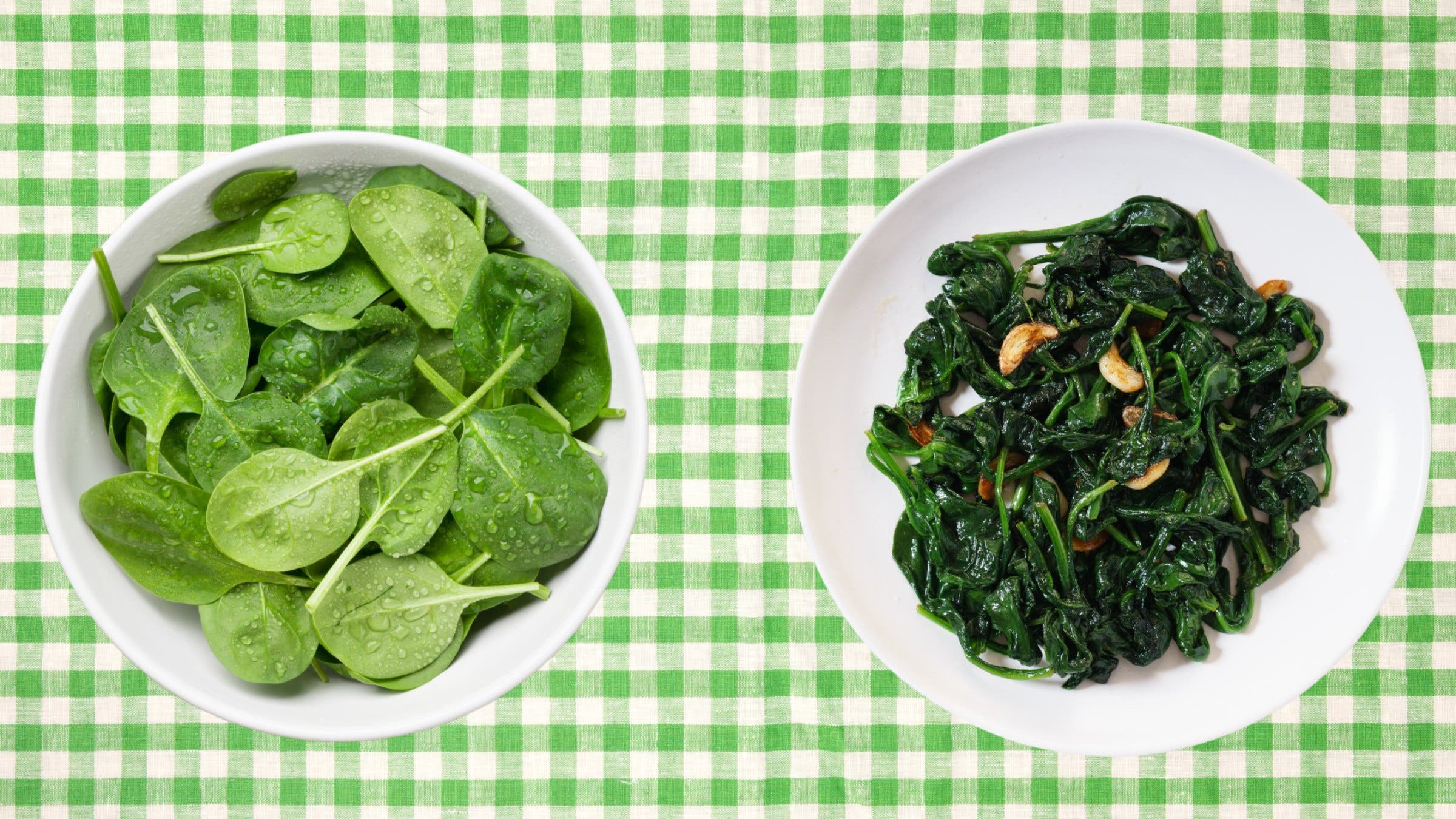
The quality of your spinach directly determines your juice’s nutritional value, flavor, and yield. Choose vibrant, deeply green leaves without yellowing, browning, or pale patches that indicate age. Fresh spinach should feel crisp and firm rather than limp or rubbery. Squeeze a leaf gently—it should spring back immediately, showing it retains moisture and nutrients. Avoid spinach with visible signs of wilting, yellow spots, or slimy texture, as these indicate spoilage.
Identifying Fresh vs. Wilted Spinach at the Store
When shopping for spinach, look for leaves that stand upright in the container rather than lying flat. Fresh spinach has a pleasant, slightly sweet aroma, while older spinach develops a sour or musty smell. Check the stem ends—bright green or white indicates freshness, while brown or black tips signal aging. If purchasing bagged spinach, avoid containers with excessive moisture or condensation, which accelerates spoilage. For best results, buy spinach the same day you plan to juice it.
Organic vs. Conventional: Which Is Better for Juicing?
Organic spinach represents the ideal choice for juicing whenever available, as organic farming practices minimize exposure to pesticides and synthetic fertilizers that may remain on conventionally grown produce. While organic spinach often costs more, the reduced chemical exposure and potential for higher nutrient density justify the investment for health-conscious juicers. If organic isn’t accessible, thoroughly wash conventional spinach under running water or soak it in a water and apple cider vinegar solution to help remove surface contaminants before juicing.
Preparing Spinach Properly Before Juicing
Thoroughly rinsing spinach under cold running water removes dirt, sand, and any small insects hiding among the leaves. For particularly sandy spinach, fill a bowl with cold water, submerge the leaves, and swish gently for several minutes to dislodge particles before giving a final rinse. Shake off excess water but don’t completely dry the leaves—some moisture actually helps the juicing process by providing lubrication through the machine.
Effective Cleaning Methods to Remove Hidden Sand and Dirt
Many people overlook the crevices where dirt hides in spinach leaves. Try this effective cleaning technique: Fill a large bowl with cold water, add your spinach, and let it soak for 5-10 minutes. Swish the leaves gently to release trapped particles, then lift them out of the water (don’t pour, as this returns dirt to the leaves). Repeat if the water appears cloudy. For stubborn dirt, use a salad spinner to rinse and dry the leaves before juicing.
When to Remove Stems vs. Keeping Them for Extra Nutrients
Small, tender stems contain valuable nutrients and process well in cold press juicers, so you can leave them attached to the leaves. However, large, thick, or woody stems should be removed before juicing, as these fibrous portions may clog your juicer and produce bitter, pulpy results. The best spinach for juicing features thin, succulent stems that bend easily without snapping. When in doubt, remove stems thicker than a pencil lead—they’ll improve your juice texture without sacrificing significant nutrition.
Cold Press Juicer Assembly Checklist for Spinach
Proper assembly ensures optimal performance and prevents messy accidents during juicing. Before beginning, verify all components are clean and completely dry, as residual moisture can affect operation. Cold press juicers typically include: the feed chute, masticating auger, strainer or juice screen, juicing bowl, and separate containers for juice and pulp. Consult your manufacturer’s manual for the specific assembly sequence required for your model.
Essential Components That Must Be Properly Aligned
Incorrect alignment of the strainer and auger is the most common cause of poor extraction with leafy greens. Ensure the strainer fits snugly into the juicing bowl with no gaps, and that the auger threads correctly into the strainer. Listen for the distinct “click” when parts lock into place—this indicates proper alignment. Misaligned components cause spinach to bypass the pressing mechanism, resulting in watery juice with excessive pulp.
Common Assembly Mistakes That Cause Clogs with Leafy Greens
Many users mistakenly install the strainer upside down when juicing leafy greens. The fine mesh side should face inward toward the auger for optimal leafy green extraction. Another frequent error is forgetting to attach the pulp control knob (if your model has one) in the “open” position for leafy greens, which allows pulp to exit freely. Without proper pulp ejection, spinach backs up in the machine, causing clogs and motor strain.
Step-by-Step Spinach Juicing Process for Best Results
Begin juicing by plugging in your assembled juicer and turning it on before adding spinach. Take small handfuls of prepared spinach (about the size of a golf ball) and feed them into the chute gradually rather than loading large quantities at once. Overloading causes clogs and uneven extraction. Use the pusher to apply steady, moderate pressure—don’t force the spinach, as the auger draws material through at its own pace.
Optimal Feed Rate: How Much Spinach to Add at Once
For smooth operation, maintain a consistent rhythm of adding spinach as the juicer processes each batch. The feed chute should never be completely empty (which strains the motor) or packed so tightly that the mechanism struggles. Watch the auger—when it’s processing at about half speed, it’s time to add more spinach. This “just-in-time” feeding approach prevents clogs and maximizes extraction efficiency, typically yielding 2-4 ounces of juice per cup of packed spinach.
Using the Tamper Correctly Without Damaging Your Juicer
Apply downward pressure with the tamper in a gentle, pulsing motion rather than continuous force. This technique allows the auger to grip and pull the spinach downward naturally. If you feel significant resistance, stop feeding and let the machine catch up. For stubborn clogs, reverse the juicer (if your model has this feature) rather than forcing material through. Never use metal utensils as tampers—they can damage the auger’s delicate components.
Recognizing When Your Juice Has Proper Consistency
High-quality spinach juice should flow steadily from the spout with a smooth, emerald green color and minimal foam. The separated pulp should feel relatively dry when squeezed—if it’s dripping wet, your strainer may be clogged or misaligned. Properly extracted spinach pulp resembles compacted sawdust rather than a soggy mass. If your juice appears thin or watery, you’re likely adding spinach too quickly or not applying enough pressure with the tamper.
How to Store Fresh Spinach Juice Without Nutrient Loss
Fresh spinach juice begins losing nutritional quality immediately after preparation, making immediate consumption ideal. If you must store it, transfer juice to airtight containers immediately after juicing, filling them as full as possible to minimize air exposure. Glass containers with tight-fitting lids work best, though food-grade plastic containers also suffice. Seal containers securely and refrigerate promptly—properly stored cold press spinach juice maintains acceptable quality for up to 24 hours.
Airtight Container Requirements for Maximum Freshness
Choose containers with minimal headspace—ideally, fill to within ½ inch of the top. Mason jars with two-piece lids create an excellent seal, as do containers specifically designed for juice storage with vacuum-sealing capabilities. Avoid using containers that previously held strong-smelling foods, as residual odors can affect your juice’s flavor. For best results, store spinach juice in the coldest part of your refrigerator (usually the back, bottom shelf).
24-Hour Shelf Life: Signs Your Spinach Juice Has Spoiled
Fresh spinach juice should maintain a bright green color and fresh, slightly grassy aroma. As it degrades, the color dulls to brownish-green, and the smell becomes unpleasant or fermented. Separation is normal—simply shake before drinking. However, if you notice bubbling, fizzing (signs of fermentation), visible mold, or an off taste beyond natural spinach flavor, discard it immediately. When uncertain about quality, preparing fresh juice is always safer than risking spoiled product.
Cleaning Your Juicer After Processing Spinach
Disassemble your juicer immediately after use—don’t let spinach residue dry on components. Rinse all parts under warm running water, paying special attention to the strainer where fibrous particles get trapped. For stubborn green residue, use a soft brush (many juicers include a cleaning brush) with warm, soapy water. Most cold press juicer parts are dishwasher safe, though hand washing preserves precision components longer.
The 5-Minute Post-Juicing Cleaning Routine
Save time with this efficient cleaning method: While the juicer is still running, feed a small amount of water through the machine to flush initial residue. Disassemble components and rinse under warm water for 30 seconds each. Soak the strainer in warm, soapy water for 2 minutes while cleaning other parts. Use the cleaning brush to remove trapped fibers from the strainer mesh. Rinse all components thoroughly and allow to air dry completely before reassembling.
Removing Stubborn Green Residue from Mesh Screens
For persistent green buildup on strainers, try this natural cleaning solution: Mix equal parts white vinegar and warm water in a container, submerge the strainer, and let soak for 10-15 minutes. The mild acidity breaks down plant compounds without damaging components. For extremely stubborn residue, gently scrub with a soft toothbrush (not metal) in circular motions. Avoid harsh chemicals or abrasive pads that can damage the fine mesh and affect future juice quality.
Regular juicing of spinach using proper cold press techniques provides a convenient method for consuming concentrated nutrients that support overall health. The substantial vitamin K, vitamin A, iron, magnesium, and antioxidant content in spinach juice contributes to bone health, vision protection, cardiovascular support, and immune function. By following these selection, preparation, and juicing guidelines, you can consistently produce high-quality spinach juice that delivers maximum nutritional benefit in a refreshing, easily consumable form.