Finding the perfect weed grinder transforms your cannabis experience from frustrating to flawless, yet most users grab whatever’s cheapest or most convenient without understanding the critical differences. A quality grinder breaks down flower into consistent particles that burn evenly, maximize potency extraction, and deliver smooth, flavorful hits every time. With options ranging from $5 plastic models to $100+ premium metal grinders, knowing exactly what matters prevents wasted money and disappointment. This guide cuts through the marketing hype to show you precisely which features impact performance and which are just flashy extras. By the end, you’ll know exactly how to choose a weed grinder that matches your consumption habits, budget, and quality expectations.
The right grinder does far more than simply break up flower—it unlocks the full potential of your cannabis. Properly ground material increases surface area dramatically, promoting even combustion in smoking devices, optimal heat transfer in vaporizers, and efficient infusion for edibles. Poorly ground material creates hot spots, inconsistent effects, wasted product, and frustrating clogs. Investing 15 minutes to understand grinder selection pays off in every single session you’ll enjoy for years to come. Let’s dive into the specific factors that actually matter when you’re trying to choose a weed grinder.
Identify Your Ideal Grinder Configuration
Your grinder’s piece count determines functionality, portability, and kief collection capabilities—selecting the wrong type creates immediate frustration.
Why Two-Piece Grinders Only Work for Minimal Use
Two-piece grinders (single-chamber models) offer basic functionality with a grinding surface and storage compartment in one unit. These compact, lightweight options work for occasional users who prioritize portability over performance. Without any screening system, they produce inconsistent particle sizes and trap fine material with larger pieces. If you mainly smoke small amounts occasionally or need something pocket-sized, a two-piece grinder might suffice. But regular users quickly outgrow their limitations when trying to achieve consistent results.
Three-Piece Grinders: The Daily User’s Sweet Spot
Three-piece grinders add a dedicated collection chamber between the grinding surface and storage area. This design separates ground material from kief as you grind, preventing the teeth from clogging during extended sessions. The middle chamber typically includes a basic screen that filters finer particles, creating more uniform consistency than two-piece models. For users who consume daily but don’t collect kief, this configuration delivers the best balance of portability, performance, and price. Look for models with stainless steel screens that resist corrosion and maintain tension over time.
Four-Piece Grinders: Essential for Kief Collectors
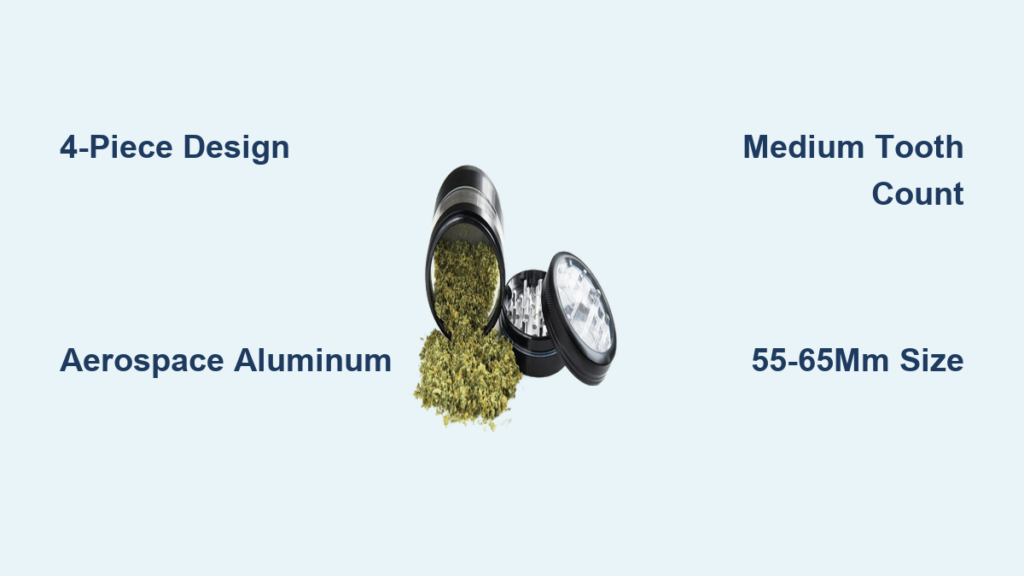
Four-piece grinders feature a top grinding section, middle collection chamber, dedicated kief catch chamber, and included scraping tool. The additional chamber separates trichomes (kief) from ground material through progressively finer screens, maximizing your yield over time. If you value building up kief reserves for enhanced sessions or making concentrates, this is the only practical manual option. Quality four-piece grinders produce noticeably more kief than three-piece models with proper maintenance. The scraping tool becomes indispensable after just a few sessions when kief accumulates along the chamber walls.
When Electric Grinders Actually Make Sense
Electric grinders eliminate manual effort with motorized blades or teeth that process material at the push of a button. These shine for users with hand mobility issues, those who grind large quantities regularly, or anyone prioritizing speed over tactile control. However, they generate heat during operation that may degrade terpenes, cost significantly more than manual options, and require charging or battery replacement. For most users, a quality manual grinder delivers better results with more control—reserve electric models for specific needs where convenience outweighs performance trade-offs.
Select the Right Material for Long-Term Performance

Grinder material directly impacts durability, grinding efficiency, and how well it withstands daily use—don’t sacrifice quality for minor savings.
Why Aerospace Aluminum Beats Cheap Metal Options
Aerospace-grade aluminum grinders deliver the best value for most users with their optimal strength-to-weight ratio and corrosion resistance. Quality aluminum models feature CNC-machined teeth that stay sharp longer than cast alternatives. Anodized surfaces provide scratch resistance while adding visual appeal. When evaluating aluminum grinders, check the weight—too light indicates thin, weak construction that will warp over time. Properly made aluminum grinders last years with minimal maintenance, making them the smart choice for regular users who want reliability without premium pricing.
The Hidden Problems with Acrylic and Plastic Grinders
Budget plastic grinders under $15 seem appealing initially but create frustrating issues within weeks of regular use. Plastic teeth dull rapidly, requiring excessive force that damages flower instead of cleanly cutting it. Static electricity causes ground material to cling stubbornly to chamber walls, wasting product and making collection tedious. Thin plastic construction cracks easily when dropped or stressed. While acceptable for occasional use, plastic grinders fail quickly for daily consumption. If you must choose plastic, look for reinforced models with metal teeth inserts that extend usability slightly.
When Titanium Justifies Its Premium Price
Titanium grinders command $75-$150+ but deliver exceptional durability and performance for heavy users. Titanium’s strength exceeds aluminum while maintaining light weight, and it doesn’t conduct temperature extremes during use. Precision-machined titanium teeth maintain sharpness significantly longer than other materials, delivering consistent performance for years. The substantial price premium makes sense only if you grind multiple times daily and want a grinder that performs flawlessly for 5+ years. For most users, quality aluminum provides nearly identical performance at half the cost.
Optimize Teeth Design for Your Preferred Consistency

Teeth configuration determines whether your grinder cuts cleanly or crushes your flower—most buyers overlook this critical factor.
How Tooth Shape Affects Your Grind Quality
Sharp, square or diamond-shaped teeth slice through flower cleanly, preserving trichomes and producing consistent particle sizes. Rounded or poorly designed teeth crush material instead of cutting it, damaging the plant structure and creating uneven consistency. Quality grinders feature precisely angled teeth that create a shearing action as you twist, minimizing heat generation that could degrade terpenes. When examining grinders, look for uniform tooth patterns with no gaps where material can slip through unprocessed.
Matching Tooth Count to Your Consumption Method
Higher tooth counts (more teeth per square inch) produce finer, more uniform grinds but require more effort and clog more easily with sticky material. Lower tooth counts work faster but leave inconsistent particle sizes. For vaporizers, choose moderate to high tooth counts for optimal surface area. For hand-rolled joints, slightly lower tooth counts create looser material that spreads evenly in papers. For pipes, medium tooth counts deliver the best balance of consistency and airflow. Your primary consumption method should dictate tooth configuration rather than aesthetics.
Size Your Grinder for Actual Usage Patterns

Choosing the wrong size creates immediate frustration—too small means constant reloading, too large sacrifices portability.
Why 55-65mm Hits the Capacity Sweet Spot
Grinders between 55-65mm in diameter offer the ideal balance for most users, holding 1-2 grams comfortably while remaining pocketable. Smaller 40-50mm grinders fit easily in pockets but require frequent reloading for standard sessions. Larger 70mm+ models process substantial quantities but become cumbersome to carry and operate. Measure your typical consumption amount—most users find 55-65mm handles 0.5-2 grams efficiently without constant reloading or excessive bulk. This size range also accommodates quality four-piece designs with functional kief chambers.
Chamber Depth Matters More Than You Think
Beyond diameter, chamber depth significantly impacts usability. Shallow chambers make accessing material difficult as levels drop, while excessively deep chambers create awkward loading angles. Four-piece grinders with kief chambers often have reduced effective capacity despite similar external dimensions. Look for models with tapered or angled collection chambers that guide material toward the center for easier access. If you primarily grind small amounts, prioritize shallow chambers that keep material accessible throughout use.
Match Your Grinder to Specific Consumption Methods
Different consumption techniques require distinct grind characteristics—using the wrong consistency wastes product and degrades experience.
Perfecting Grind for Vaporizers
Vaporizers demand precise consistency that varies by model type. Conduction vaporizers (where material contacts heating element directly) perform best with medium-fine grinds that maximize surface area without packing too tightly. Convection vaporizers (heated air passes through material) work optimally with slightly coarser grinds that maintain airflow through the chamber. Overly fine grinds clog vaporizer airflow paths and may draw material into the device. Check your vaporizer manufacturer’s recommendations, then adjust your grinder selection accordingly—many vaporizer users prefer three-piece models with medium tooth counts.
Rolling Joints? Skip the Powder-Fine Grind
Joint rollers make a critical mistake by grinding too finely, creating a dense pack that restricts airflow and burns unevenly. The ideal joint consistency features loose, fluffy material that spreads evenly in papers without constant poking. Two or three-piece grinders with moderate tooth counts deliver this optimal texture. Avoid four-piece models with fine screens that produce overly powdery results unless you plan to save the kief separately. Test different consistencies to find your personal sweet spot—most experienced rollers prefer material that holds its shape when squeezed but breaks apart with light pressure.
Avoid Costly Grinder Selection Mistakes
These common errors waste money and create frustration—know what to watch for before you buy.
Why Cheap Grinders Cost More Long-Term
Purchasing the cheapest available grinder seems economical initially but costs more over time through frequent replacements and wasted product. Budget grinders under $15 typically use thin materials that warp quickly, creating uneven grinding surfaces. Weak threads strip easily, and poor screen tension lets large chunks fall through while trapping fine kief. A quality $25-$40 aluminum grinder from a reputable brand typically lasts 2-3 years with regular use, while a $10 plastic model may fail within months. Calculate cost per use—premium grinders often cost pennies per session over their lifespan.
The Screen Quality Trap Most Buyers Fall For
Most shoppers focus on external appearance while ignoring screen quality—the component that determines kief collection efficiency. Cheap grinders use loosely tensioned screens with inconsistent hole sizes that either clog immediately or let large chunks pass through. Look for stainless steel screens with uniform mesh (72-150 holes per inch) that maintain tension under pressure. Quality screens feel rigid when pressed and show consistent hole patterns throughout. Test screen tension by pressing lightly—you shouldn’t be able to push it more than 1-2mm out of plane. This single feature makes or breaks four-piece grinder performance.
Final Selection Strategy for Your Perfect Grinder
Choosing how to pick a weed grinder comes down to matching four critical factors to your actual usage: configuration, material, size, and consumption method.
For most regular users, a 55-65mm aluminum four-piece grinder delivers the best overall value with reliable kief collection and consistent performance. If you prioritize portability over kief collection, choose a three-piece model in the same size range. Heavy users who grind multiple times daily should consider titanium construction despite the higher price. Whatever you choose, invest in the highest quality you can afford—your daily sessions will thank you for years to come. Remember, the best weed grinder is the one that fits your specific habits, not the flashiest option on the shelf.