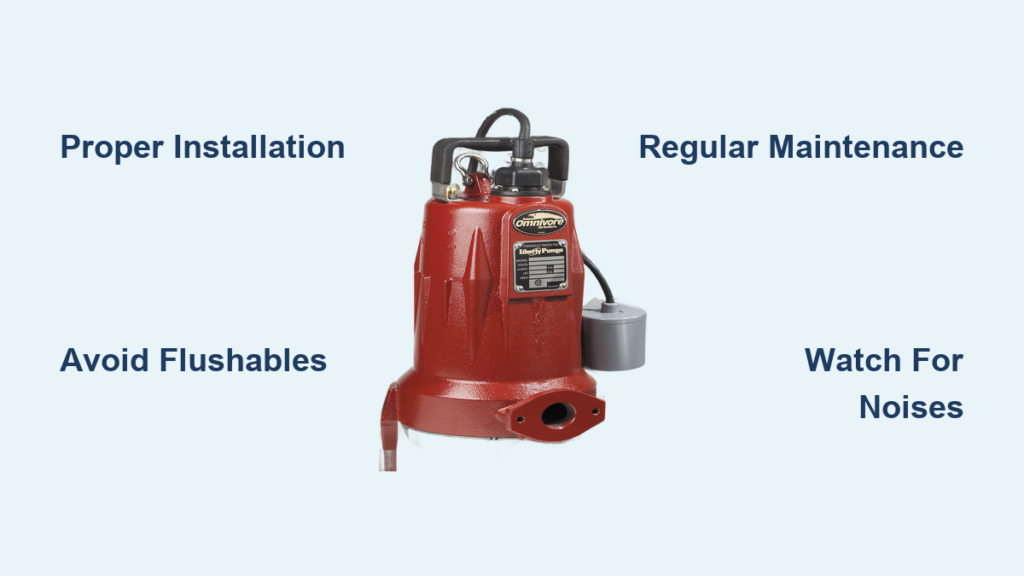
When your basement floods or sewage backs up, you quickly realize how essential your grinder pump system is to your home’s functionality. Many homeowners installing these critical wastewater systems wonder the same pressing question: how long do grinder pumps last before requiring replacement? The answer isn’t as simple as a single number, but understanding the variables that impact longevity can help you maximize your investment and avoid costly emergency repairs. Unlike standard sump pumps, grinder pumps perform the demanding task of pulverizing solid waste before pumping it to your septic system or municipal sewer line—subjecting them to significant wear. In this guide, you’ll learn the specific factors that determine your grinder pump’s service life, warning signs that indicate failure is imminent, and practical maintenance strategies that can extend performance for years beyond typical expectations.
Critical Factors That Determine Your Grinder Pump’s Service Life

Installation Quality and Proper System Sizing
The foundation of your grinder pump’s longevity begins with correct installation. A pump that’s improperly sized for your household’s wastewater volume will either cycle too frequently or struggle to handle demand, accelerating wear on motor components. Systems installed with inadequate ventilation suffer from excessive heat buildup, while improper electrical connections create voltage fluctuations that degrade internal circuitry over time. The placement of the pump within the basin affects how much solid material it must process—incorrect positioning leads to premature clogging of the grinding mechanism. Homeowners who invest in professional installation with proper check valves, correctly sized discharge piping, and adequate basin capacity typically see significantly longer service life than DIY installations that cut corners on these critical elements.
Usage Patterns and System Demand
Your household’s specific wastewater generation directly impacts how quickly your grinder pump wears out. A single-person household using minimal water creates far less stress on the system than a large family with frequent high-volume usage. The types of materials entering the system matter significantly—flushing non-degradable items, excessive grease, or fibrous materials forces the grinding mechanism to work harder, accelerating blade wear. Seasonal usage patterns also play a role; vacation homes with intermittent use may experience different failure modes than primary residences with consistent daily operation. Systems subjected to frequent power outages undergo additional stress during restart cycles, while those in areas with hard water face increased mineral buildup that affects internal components over time.
Environmental Conditions and Installation Location
The physical environment surrounding your grinder pump dramatically influences its lifespan. Pumps installed in consistently damp or humid locations face accelerated corrosion of electrical components and metal parts. Temperature extremes—both hot and cold—affect material integrity, with freezing conditions potentially causing housing cracks and excessive heat degrading seals and gaskets. The chemical composition of your wastewater matters too; highly acidic or alkaline effluent can corrode internal components faster than neutral pH waste. Groundwater infiltration into the pump basin introduces additional solids that weren’t accounted for in the system design, forcing the grinder to process unnecessary material and shortening its effective life.
Warning Signs Your Grinder Pump Is Nearing End of Life
Unusual Noises and Performance Changes
Listen carefully to your grinder pump’s normal operating sound so you can detect subtle changes that signal trouble. A healthy pump produces a consistent grinding hum followed by steady pumping action. Warning signs include grinding noises that become significantly louder or change pitch, indicating worn blades or foreign objects jammed in the mechanism. Intermittent operation where the pump cycles on and off rapidly without moving wastewater suggests electrical issues or a failing pressure switch. If you notice the pump running longer than usual to clear the basin, or requiring multiple attempts to activate, these performance changes often precede complete failure. Pay special attention to burning smells or unusual vibrations, which frequently indicate motor problems that could lead to imminent breakdown.
Visible Leaks and Electrical Issues
Physical evidence of failure often appears before complete system shutdown. Check regularly for water accumulation around the pump housing or basin that isn’t related to normal operation—this indicates seal failures allowing wastewater to escape containment. Corrosion on electrical connections or control panel components creates resistance that reduces efficiency and can cause intermittent operation. Frequent tripping of the circuit breaker serving your grinder pump suggests either an electrical fault within the pump or overloaded circuit conditions. Moisture inside the control panel housing creates short-circuit risks and should be addressed immediately. These visible issues rarely resolve themselves and typically worsen quickly without intervention.
Maximizing Your Grinder Pump’s Operational Lifespan

Essential Maintenance Practices That Deliver Results
Implement a structured maintenance schedule to catch small issues before they become major failures. Perform visual inspections monthly, checking for unusual accumulation of solids in the basin and verifying the float switch moves freely without obstruction. Clean the inlet screen every three to six months to prevent partial clogs that force the pump to work harder. Test system operation by slowly pouring five gallons of water into the basin to ensure proper activation and deactivation at correct levels. Keep a maintenance log tracking performance changes and service dates—this historical data helps identify developing problems before catastrophic failure. During each inspection, check for proper venting of the system, as blocked vents create vacuum conditions that strain the pump motor unnecessarily.
Common Mistakes That Unnecessarily Shorten Pump Life
Many homeowners unknowingly reduce their grinder pump’s lifespan through preventable errors. Flushing inappropriate materials like wipes (even “flushable” varieties), feminine hygiene products, or excessive paper creates constant strain on the grinding mechanism. Pouring grease down drains leads to buildup that eventually reaches the pump, coating internal components and reducing efficiency. Neglecting to address minor leaks allows corrosive wastewater to damage electrical components over time. Using the system as a trash disposal by grinding excessive food waste introduces unnecessary solids that accelerate wear. Perhaps most damaging is ignoring early warning signs—waiting until complete failure occurs often means the problem has progressed to the point where repair isn’t cost-effective.
When Replacement Becomes Necessary: Making the Right Decision
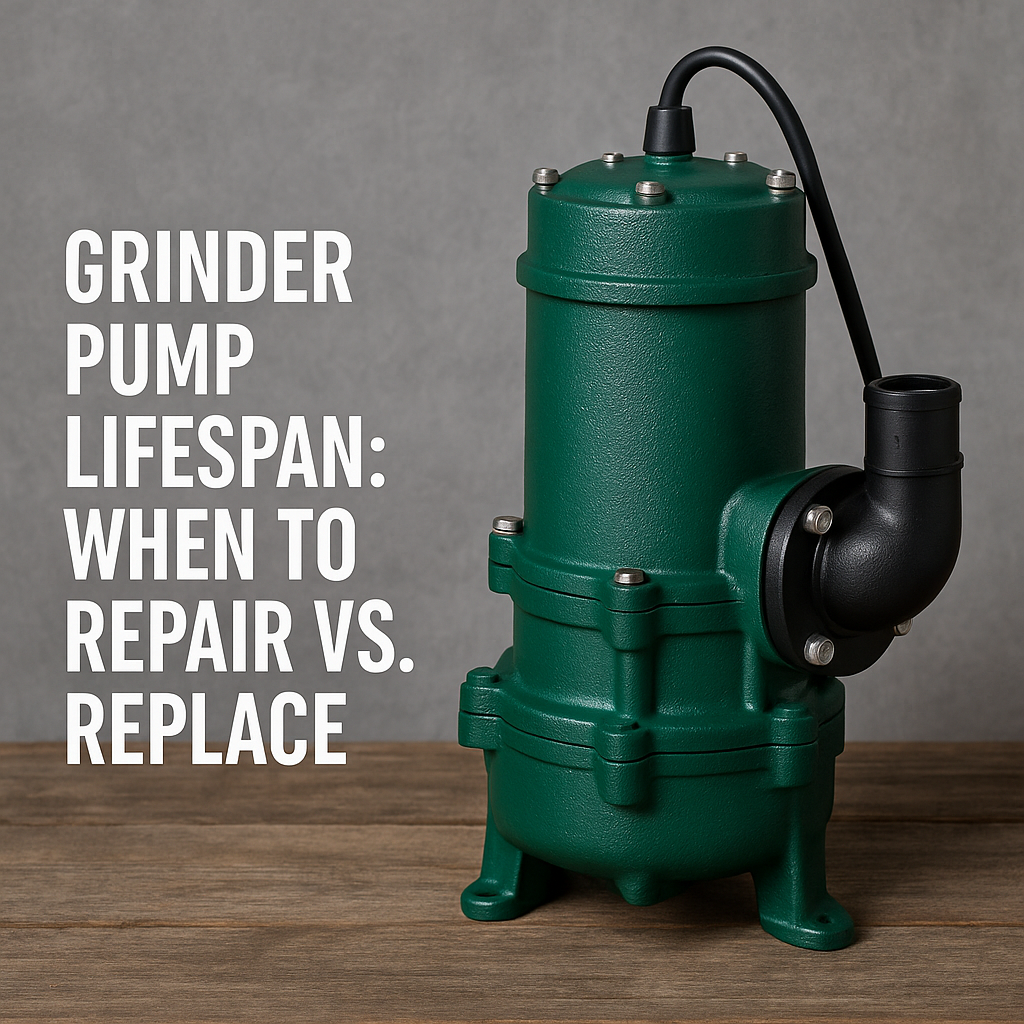
Evaluating Repair Versus Replacement Costs
When your grinder pump shows signs of failure, carefully weigh repair costs against replacement. For pumps under five years old with manufacturer warranties, repair is often the economical choice. However, for systems approaching or exceeding typical service life expectations, replacement frequently makes more financial sense than repeated repairs. Consider the cumulative cost of emergency service calls, which often exceed planned replacement expenses when spread over time. Newer models typically offer improved energy efficiency and advanced features that provide long-term savings. Consult multiple qualified technicians for assessments—reputable service providers will honestly evaluate whether your specific unit warrants repair based on its age, condition, and remaining useful life.
Selecting a Replacement Pump for Maximum Longevity
When replacement becomes necessary, make informed choices that optimize your new system’s lifespan. Research manufacturers known for durable components and reliable performance in residential applications. Verify warranty terms carefully, as comprehensive coverage often indicates manufacturer confidence in product longevity. Choose a model with appropriate capacity for your household size—not oversized, which causes short-cycling, nor undersized, which leads to overwork. Consider models with corrosion-resistant materials if you have hard water or high-mineral content wastewater. Discuss maintenance requirements with your installer to ensure the new system aligns with your ability to perform necessary upkeep. The right replacement choice, properly installed and maintained, can deliver reliable service for many years.
Final Note: Grinder pump lifespan depends on multiple interrelated factors rather than a single expiration date. By understanding the specific variables that impact your system’s longevity, recognizing early warning signs of failure, and implementing proper maintenance practices, you can maximize your investment and avoid unexpected sewage emergencies. When replacement becomes necessary, informed decisions about system sizing, quality components, and professional installation set the stage for extended service life. Regular monitoring and proactive maintenance remain your most effective tools for ensuring reliable wastewater management regardless of your pump’s age. For precise expectations about your specific model, always consult manufacturer documentation and work with qualified pump specialists who can assess your unique installation conditions.