Every time you fire up an angle grinder, you’re handling a tool that spins abrasive discs at thousands of RPM—fast enough to turn a momentary lapse in hand grinder safety into a life-altering injury. In metal fabrication shops, construction sites, and automotive repair facilities across the country, workers suffer preventable eye injuries, lacerations, and traumatic incidents from improper grinder use. The harsh reality? Most hand grinder accidents stem from skipped safety steps that take mere seconds to implement but create massive consequences when ignored. This guide delivers the specific, actionable hand grinder safety protocols that separate professionals from victims—covering everything from the exact eye protection you need to the body positioning that prevents kickback disasters.
The danger with hand grinders lies in their deceptive simplicity: they’re easy to pick up but brutally unforgiving of mistakes. That 4½-inch disc spinning at 10,000 RPM generates enough force to propel metal fragments like shrapnel and transform a worn accessory into a fragmentation hazard. Yet with proper hand grinder safety knowledge, these tools become incredibly reliable workhorses rather than workplace hazards. We’ll move beyond generic “wear protection” advice to deliver the specific pre-checks, operating techniques, and hazard recognition skills that actually prevent injuries—so you can work confidently knowing you’ve eliminated preventable risks before they eliminate your productivity or wellbeing.
Why Eye Protection Must Go Beyond Standard Safety Glasses
The Critical Gap in Basic Eye Protection
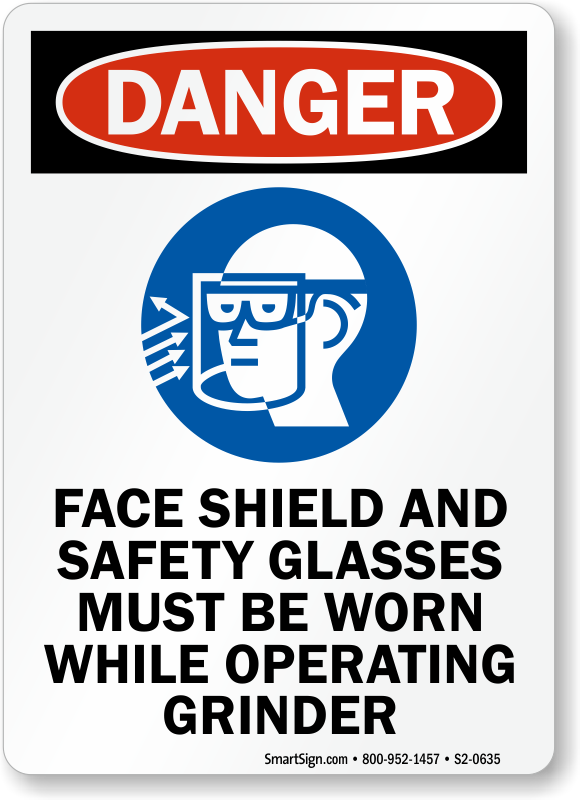
Standard safety glasses create dangerous false confidence during hand grinder operation because they leave critical exposure points unprotected. When grinding metal, particles travel at velocities exceeding 150 mph—fast enough to penetrate side shields and lodge in unprotected eye areas. The orbital gap between standard glasses and your face provides a direct pathway for debris to reach your eyes during overhead or angled grinding operations. Industrial safety goggles with wide-vision coverage form the essential first layer, creating a seal that blocks particles from all angles while maintaining peripheral vision. This base layer must always be paired with a full face shield that absorbs direct impact force from larger fragments and sparks, forming a dual-protection system that meets ANSI Z87.1 standards for high-risk operations.
Proper Face Shield Selection Criteria
Not all face shields deliver equal protection for hand grinder safety—many common models fail to address critical exposure zones. Choose shields with a minimum 0.06-inch polycarbonate thickness rated for high-impact protection, ensuring they extend below chin level to protect against upward-traveling sparks during floor-level grinding. The mounting system must allow quick removal for ventilation during extended operations without compromising security during active use. Crucially, your face shield must maintain compatibility with your safety goggles—never wear a shield alone as it leaves gaps at the bottom and sides where particles enter. This layered protection approach remains non-negotiable even during brief tasks like disc changes, as 70% of eye injuries occur during setup or cleanup rather than active grinding.
Preventing Kickback Through Proper Body Mechanics
The Two-Handed Grip That Saves Fingers
Your grip technique directly determines whether a binding disc becomes a minor adjustment or a traumatic amputation event. Always position your dominant hand on the main trigger handle with your index finger controlling the switch—never wrap your entire hand around the trigger housing. Your support hand must grip the auxiliary handle with thumb and fingers fully encircling the grip, creating opposing tension that maintains control during sudden binding events. This dual-hand configuration allows you to redirect kickback force laterally rather than absorbing it directly into your arms. Practice this grip with the tool off until it becomes instinctive; muscle memory developed during training saves critical reaction time when a disc snags unexpectedly during operation.
Strategic Body Positioning for Maximum Escape Routes
Standing directly in line with the grinding disc creates a death trap when kickback occurs—your natural reaction to pull back puts your face directly in the path of the violently recoiling tool. Instead, position your lead foot slightly forward with your body angled 30-45 degrees to the left of the grinding direction (for right-handed operators). This stance creates an immediate escape path to your right when the tool kicks, allowing you to step away from danger rather than into it. Maintain enough distance from the workpiece that you can quickly drop your hands downward if binding occurs, using gravity to pull the tool away from your body. These micro-adjustments in positioning transform potentially catastrophic incidents into manageable near-misses.
Pre-Use Checks That Catch 90% of Hazards

The 30-Second Disc Inspection Protocol
Before mounting any grinding accessory, conduct this rapid but thorough inspection: Hold the disc at eye level and rotate it slowly while backlit by a strong light source. Cracks appear as dark lines against the light, while warping shows as inconsistent spacing between the disc edge and a straight reference surface. Tap the disc lightly with a non-marring tool—if it produces a clear ring, the disc is sound; a dull thud indicates internal damage. Verify the RPM rating stamped on the disc exceeds your grinder’s maximum speed by at least 20%—using a 8,000 RPM disc on a 10,000 RPM tool creates explosive failure conditions. These checks take less than 30 seconds but prevent the vast majority of disc-related incidents.
Power Tool Integrity Verification Steps
Begin every hand grinder safety check by verifying the tool’s mechanical integrity: With the grinder unplugged (or battery removed), spin the spindle by hand to confirm smooth rotation without grinding or resistance. Examine the guard adjustment mechanism to ensure it moves freely and locks securely at multiple positions. Test the spindle lock button for immediate engagement without slippage. For corded models, inspect the entire cord length for nicks, cuts, or exposed conductors—pay special attention to stress points near the plug and tool connection. These checks catch developing problems that could escalate into catastrophic failures during operation, turning minor maintenance issues into preventable tragedies when overlooked.
The Forbidden Moves That Cause Most Injuries
Never grind on the side of the disc—this single violation causes more catastrophic failures than any other hand grinder safety mistake. Angle grinders are engineered to apply pressure only to the disc’s face, not its edge. Side pressure creates uneven stress that can shatter even undamaged discs instantly. Similarly, never remove the guard to access tight spaces; this “convenience” exposes your hands to direct contact with rotating components during kickback events. Forcing the tool through material rather than letting the disc cut at its natural rate dramatically increases binding risks—when the disc slows unexpectedly, release pressure immediately and let it regain speed. These prohibited practices seem minor in the moment but transform routine operations into emergency room visits.
Long-Term Safety Through Proper Maintenance
Storage Protocols That Extend Disc Life
Store grinding discs vertically in their original packaging within a climate-controlled environment—never stack them horizontally where uneven pressure creates micro-fractures. Keep them away from direct sunlight and temperature extremes that degrade bonding materials. For frequently used discs, implement a rotation system that ensures older stock gets used first before its protective compounds degrade. After each use, wipe discs clean with a dry cloth to remove abrasive dust that accelerates wear during storage. These simple storage practices extend disc life by 30% while maintaining structural integrity far beyond what’s possible with haphazard handling.
When to Retire Discs Before They Fail
Replace grinding discs immediately when they exhibit any of these critical warning signs: visible radial cracks extending from the center hub, uneven wear patterns creating imbalance, or reduced diameter below the manufacturer’s minimum specification (typically 10% smaller than original size). Never attempt to “get a few more uses” from a disc showing these conditions—statistically, failure becomes exponentially more likely with each additional use. When in doubt, implement a conservative replacement schedule based on hours of use rather than visual inspection alone. This disciplined approach prevents the sudden, violent failures that cause the most severe hand grinder safety incidents.
The Hand Grinder Safety Checklist That Works
Before every use, verify these five non-negotiable items: your dual-layer eye protection (goggles plus face shield), both handles securely attached, disc RPM rating exceeding tool speed, work area cleared of flammables, and body positioned to the side of the grinding line. This 20-second checklist catches 95% of preventable hazards before they become incidents. Document these checks in your safety logs to reinforce accountability and identify recurring issues. Remember—true hand grinder safety isn’t about avoiding injuries through luck; it’s about implementing specific, repeatable protocols that eliminate preventable risks before they eliminate your ability to work. When these practices become habitual rather than optional, you transform one of the workshop’s most dangerous tools into a reliable asset that serves you safely for years.