That piercing alarm from your grinder pump system signals trouble—water levels have exceeded normal thresholds or your pump has encountered an operational issue demanding immediate attention. These specialized systems handle wastewater from toilets, showers, sinks, and appliances in homes where gravity-assisted sewage flow isn’t possible. When the alarm activates, it’s your system’s urgent warning that intervention is needed before sewage backup occurs. Understanding grinder pump alarm troubleshooting can prevent costly emergency repairs and the unpleasant consequences of system failure. Most homeowners can resolve common alarm issues with basic diagnostics, saving hundreds in service calls while protecting their property from potential damage.
This guide delivers actionable solutions for the most frequent grinder pump alarm scenarios, including pumps that won’t start despite activation signals, systems that cycle on and off repeatedly, and mysterious alarms with no apparent cause. You’ll learn how to interpret manufacturer-specific indicator patterns, perform safe diagnostic procedures, and recognize when professional service becomes necessary. Most importantly, you’ll discover proven prevention strategies that reduce alarm frequency and extend your grinder pump’s service life.
Why Your Grinder Pump Alarm Sounded But Pump Won’t Start

When the alarm activates yet the pump remains silent, electrical issues rank among the most common culprits requiring immediate investigation. Don’t assume pump failure—many problems originate from the power supply rather than the pump itself.
Verify Voltage at Electrical Quick Disconnect (EQD): Before replacing components, check voltage directly at the EQD where the pump connects to your home’s wiring. Your pump nameplate specifies required voltage—typically 120V, 208V, or 240V. Operating a 240V pump on 208V supply prevents proper startup while triggering high-level alarms as water rises. Use a multimeter to confirm actual supply voltage matches manufacturer specifications exactly. Significant deviations require electrical system correction before pump operation can resume.
Inspect Breather Assembly for Blockages: Systems using Gore-Tex membrane components (common in E/One and AMGP pumps) develop alarm conditions when breathers become plugged. A damaged breather prevents proper pressure equalization, triggering false high-level alarms even when tank levels remain normal. Replace the Gore-Tex element according to manufacturer specifications rather than attempting to clean it.
Confirm Actual Fluid Level Matches Readings: False alarms often stem from malfunctioning sensors rather than genuine high water. Check for compromised alarm wiring, damaged sensing lines, or faulty float switches. If the pump basin appears normal despite alarm activation, sensor failure is likely the culprit requiring component replacement.
How to Fix Intermittent Grinder Pump Alarm Cycling

The most common—and frustrating—alarm pattern involves the alarm sounding, then silencing after a few minutes, only to reactivate in an endless cycle. This specific pattern indicates your pump is functional but facing hydraulic challenges rather than mechanical failure.
Address Excessive Water Inflow Immediately: Intermittent cycling occurs when water inflow temporarily exceeds your pump’s processing capacity. The pump activates at the alarm trigger level, reduces water below the threshold, then reactivates as more water enters. This pattern confirms pump functionality—your challenge is managing inflow volume. During heavy rainfall or snowmelt, significantly reduce water usage to give your system breathing room.
Clear Float Switch Obstructions Causing False Readings: Restricted float movement creates erratic level sensing that mimics high-water conditions. Inspect the float mechanism for debris, sediment buildup, or physical interference preventing full range of motion. Clean all components thoroughly and ensure unobstructed movement through the complete operational range.
Remove Debris From Impeller and Inlet Housing: Even moderate debris accumulation forces your pump to work harder, triggering protective alarms during high-inflow periods. Regularly inspect and clean these components to maintain optimal performance, especially if your household frequently disposes of food scraps or other particulates down drains.
Diagnose Frequent Alarms With No Obvious Cause
When alarms activate more frequently than your established baseline, focus your grinder pump alarm troubleshooting on factors increasing pump cycling or triggering false readings.
Identify Hidden Water Sources Overwhelming Capacity: Investigate potential elevated flows from hot tub drainage, sump pump connections to sewer lines, or groundwater infiltration through compromised seals. Properties in low-lying areas or at the bottom of slopes face particular susceptibility during wet conditions. If alarms subside when weather improves, groundwater infiltration is likely the culprit.
Check Vent and Breather for Partial Obstructions: Minor restrictions in breather assemblies or system vents create pressure differentials that trigger false high-water alarms. Inspect both components thoroughly for any degree of blockage—even small obstructions can generate misleading alarm signals that waste your time and cause unnecessary concern.
Test Sensing Line Integrity for Accurate Readings: Leaks in sensing lines or loose pressure sensing bells produce erroneous level signals. To verify integrity, remove the pump from the tank and check all sensing connections for tightness. Replace any cracked components immediately to restore accurate monitoring.
Stop Loud Grinder Pump Noises Triggering Alarms
Unusual pump sounds often accompany alarm activation, but distinguishing between normal grinding operation and warning signs requires careful assessment.
Establish Normal Operational Sound Baseline: Grinder pumps inherently produce noise during operation as cutting blades process waste. When unusual sounds emerge, begin by cleaning the basin and core assembly to remove accumulated debris. If noise persists after cleaning, perform these specific diagnostics:
Verify Correct Supply Voltage to Prevent Motor Strain: Low voltage causes motors to draw excessive current while failing to achieve proper speed, resulting in increased noise and reduced efficiency. Compare actual supply voltage against pump nameplate specifications. Significant deviations require electrical system investigation before continued operation.
Check for Discharge Line Obstructions Causing High Amperage: When amperage readings reach 8+ amps on systems not typically operating at that level, partial discharge line blockages are likely. Shut off the pump, inspect discharge piping for obstructions, clear any blockages, then verify normal amperage returns. Persistent high readings indicate internal pump damage requiring professional evaluation.
Decode Your Specific Manufacturer’s Alarm Codes
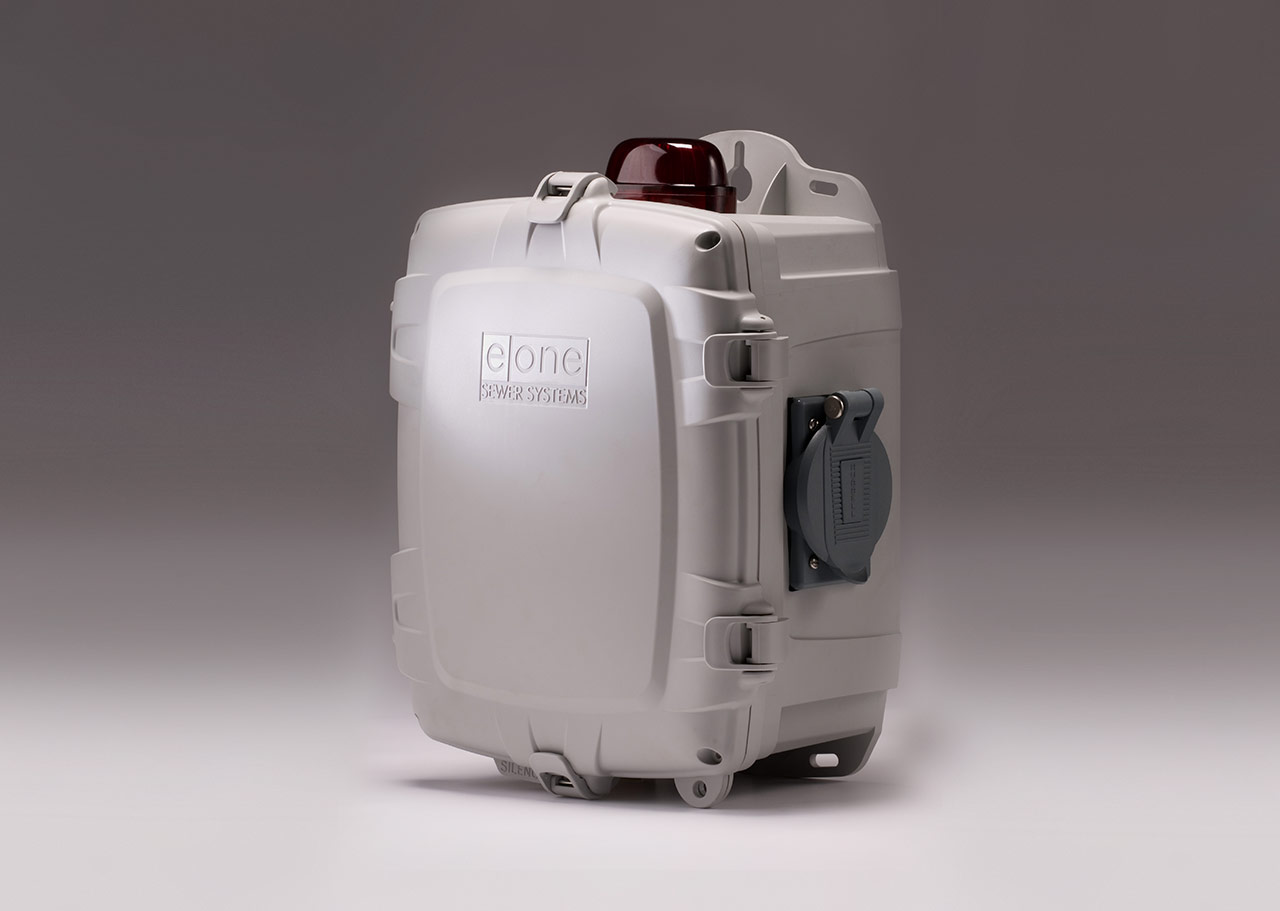
Different manufacturers use distinct indicator patterns that communicate precise system conditions—understanding your model’s language accelerates troubleshooting.
E/One DH071 Sentry Protect Panel Indicators:
– Red High Level Alarm LED + buzzer = tank level above normal threshold
– Run Dry LED = three unsuccessful pump start attempts (low power or run-dry condition)
– Overpressure LED = excessive pump power draw (discharge restriction)
– Brownout LED = supply voltage below acceptable levels
Zoeller EI820/E840 APak Alarm Panels:
– Green Power On light = alarm power available
– Red ALARM light + horn = high-water condition in basin
– Silence/Reset/Test button = silences audible horn (visual alarm remains active)
Liberty Pump ALM-Series Models:
– Red alarm ring/beacon + horn = high-water condition
– Green Power On light = alarm power confirmed
– Low-battery chirping = battery replacement needed
Essential Safety Steps Before Grinder Pump Troubleshooting
Working on grinder pump systems involves electrical hazards requiring strict safety protocols to protect you and your equipment.
Immediately Reduce Water Consumption: When alarms activate, stop laundry cycles, limit showering, and avoid dishwasher use to prevent tank overflow while diagnosis begins. This simple action gives your system critical time to process existing contents.
Check Circuit Breaker Before Proceeding: Verify the pump breaker hasn’t tripped due to power interruption. If tripped, reset once and observe. Immediate re-tripping indicates an electrical fault requiring professional service—do not repeatedly reset.
Disconnect Power Before Physical Inspection: Always disconnect power at the breaker panel before opening the pump basin or performing physical inspection. Working near sewage basins risks hazardous atmospheres and falls—contact authorized service personnel before attempting basin entry.
Prevent Future Grinder Pump Alarm Issues
Regular maintenance represents the most effective strategy for preventing alarm issues and extending system service life.
Enforce Strict Drainage Rules: Prohibit oil, grease, cat litter, feminine hygiene products, disposable wipes, and large food scraps from entering drainage systems. These materials accumulate in pipes and chambers, eventually creating obstructions that trigger alarms.
Schedule Professional Maintenance Annually: Professional service includes internal component inspection, performance testing, and preventive part replacement according to manufacturer recommendations. Regular maintenance catches developing issues before they trigger alarms.
Verify Proper Basin Sealing: Confirm your basin remains properly sealed to prevent surface water intrusion during heavy precipitation. Check seals around entry points and repair deterioration before it allows groundwater infiltration that overwhelms system capacity.
When to Call a Professional for Grinder Pump Alarm Troubleshooting
While many alarm conditions respond to systematic DIY troubleshooting, certain situations require professional expertise.
Persistent Problems After Basic Troubleshooting: If issues continue after checking voltage, clearing obstructions, and verifying float operation, conditions likely exist beyond simple fixes. Professional technicians have specialized testing equipment to identify subtle issues.
Electrical Problems Persisting After Reset: Electrical issues that persist after breaker reset or involve damaged wiring require licensed electrician involvement. DIY electrical repairs create shock hazards and can void equipment warranties.
Aged System Evaluation: Pump systems approaching 10-15 years of service benefit from professional evaluation even for minor conditions. Older systems often have accumulated wear making them susceptible to multiple simultaneous failures.
Understanding grinder pump alarm troubleshooting puts you in control of your home’s waste management infrastructure. Start with simple explanations—check the breaker, verify voltage, reduce water use—before progressing to complex diagnostics. Intermittent cycling typically indicates successful pump operation facing hydraulic challenges rather than mechanical failure. Persistent alarms combined with pump inoperation point toward electrical supply or control system issues. By implementing regular maintenance and appropriate household practices, you prevent the majority of alarm issues before they develop, protecting against the unpleasant consequences of system failure.