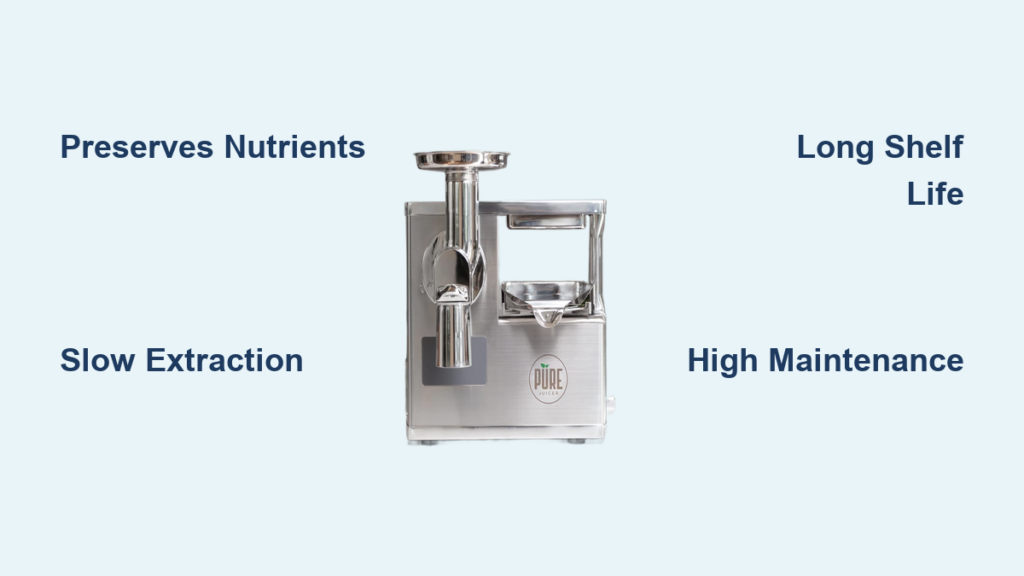
Imagine spending $500 on a premium cold press juicer, only to discover your morning routine now takes twice as long while your juice yield from oranges disappoints. This frustrating reality hits many new owners who didn’t fully understand the cold press juicer pros and cons before purchasing. Unlike centrifugal models that shred produce at high speeds, cold press juicers—also called masticating juicers—use slow grinding and hydraulic pressure to extract juice without generating heat. This fundamental difference creates dramatic variations in nutritional value, juice quality, and daily convenience that directly impact whether your investment pays off.
The cold press juicer pros and cons debate centers on a critical tradeoff: superior nutrient retention versus significant time investment. While cold-pressed juice can preserve up to five times more vitamins and enzymes than traditional methods, the slow extraction process demands more preparation, cleaning, and patience. Before you commit to this premium appliance, you need to know exactly how these machines perform in real-world conditions—not just the marketing claims. This guide cuts through the hype to reveal what daily cold press juicing actually looks like, so you can determine if the benefits outweigh the drawbacks for your specific lifestyle and health goals.
Why Your Juice Loses Nutrients with Regular Juicers (and How Cold Press Fixes This)

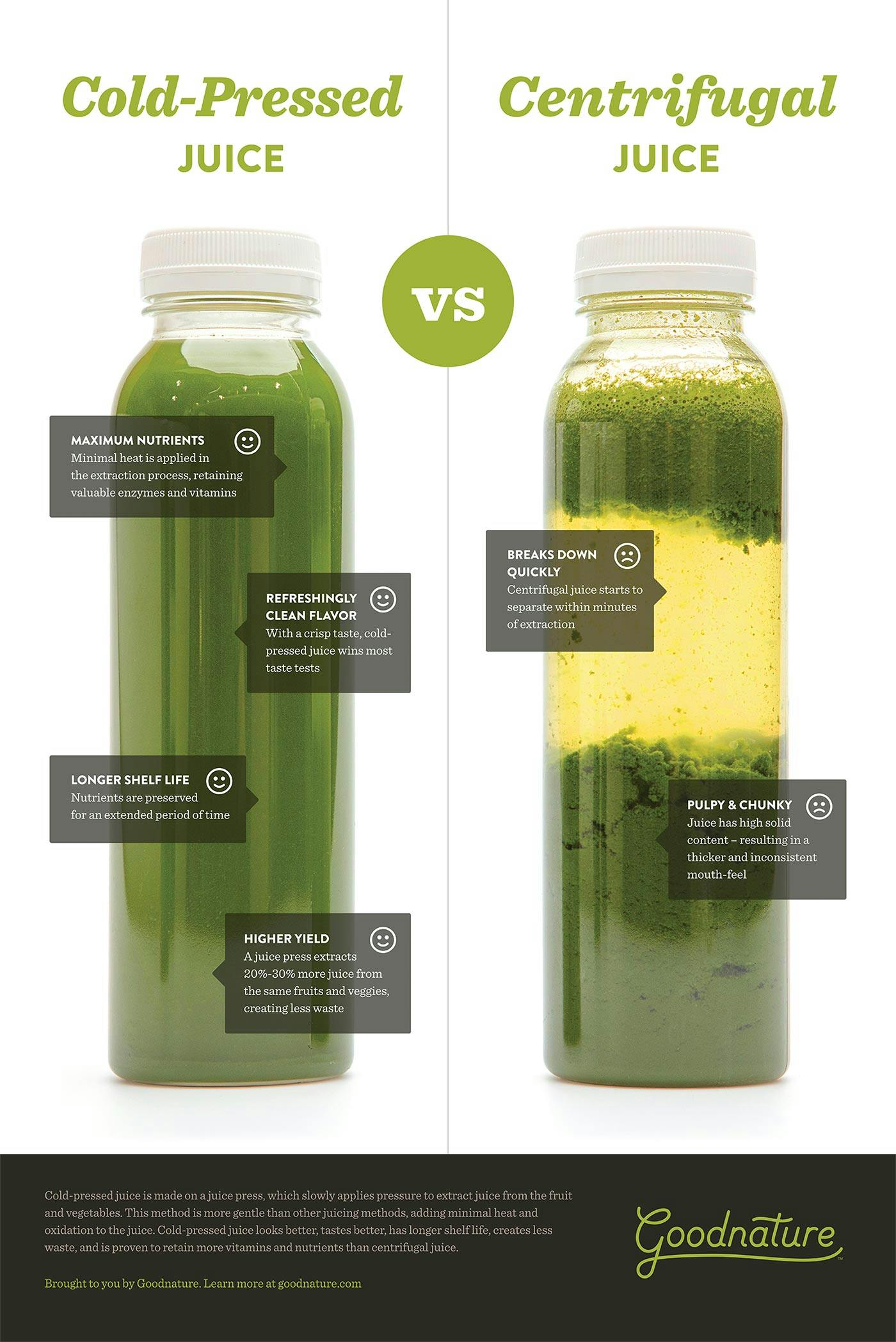
Centrifugal juicers create heat through high-speed spinning that destroys temperature-sensitive nutrients, while cold press technology operates at 40-80 RPM to protect delicate compounds. This fundamental difference explains why cold-pressed juice maintains significantly higher nutritional value—up to five times more vitamins and enzymes—compared to conventional methods that degrade heat-sensitive compounds like vitamin C and B vitamins during extraction.
The Heat Damage Problem in Traditional Juicing
When centrifugal juicers spin at thousands of RPM, the friction generates enough heat to denature enzymes and degrade nutrients before you even drink your juice. This thermal damage means you’re missing out on critical health benefits, particularly from leafy greens and delicate fruits. The oxidation from rapid spinning further accelerates nutrient loss, causing your juice to degrade within hours rather than days.
How Cold Press Technology Preserves Live Enzymes
Cold press juicers maintain enzyme activity by avoiding heat exposure during extraction. These preserved enzymes assist digestion and enhance nutrient absorption, providing benefits centrifugal juicers can’t match. The absence of oxygen exposure during cold press extraction also slows oxidation, keeping your juice fresher and more nutritious for up to 72 hours when properly stored.
Unexpected Cost Savings Hidden in Premium Cold Press Models
Despite their higher price tag ($300-$600 versus $50-$200 for centrifugal models), cold press juicers deliver hidden financial benefits that often get overlooked in the cold press juicer pros and cons conversation. The superior extraction efficiency means you get more juice from the same quantity of produce, reducing grocery costs over time while minimizing food waste from unused pulp.
How Higher Juice Yield Cuts Your Grocery Bill Long-Term
Cold press technology extracts up to 30% more juice from identical produce quantities compared to centrifugal methods. This efficiency translates to tangible savings—particularly when using expensive organic produce—by maximizing your return on each grocery purchase. Over six months of regular use, the additional juice yield often offsets a significant portion of the initial price difference between juicer types.
When the $500 Price Tag Actually Saves You Money
For daily juicers, the extended shelf life of cold-pressed juice (2-3 days versus 24 hours for centrifugal) reduces waste from spoiled batches. Combined with higher extraction yields, this means you’re getting more usable juice per produce purchase. Serious users typically recoup the price difference within 6-12 months through reduced grocery spending and less wasted juice.
The 3-Minute Daily Cleaning Ritual Most Buyers Forget
The complex construction of cold press juicers creates a significant drawback many buyers underestimate: cleaning time. With more components including augers, strainers, and multiple filters, disassembly and cleaning typically takes 3-5 minutes longer than centrifugal models—a critical factor for busy morning routines.
Why Your Centrifugal Juicer’s “Easy Clean” Claims Are Misleading
Centrifugal juicers often advertise “dishwasher-safe parts,” but their screens frequently become clogged with fine pulp that requires tedious scrubbing. Cold press juicers, while having more parts, feature simpler geometries that often clean faster with proper technique—especially when cleaned immediately after use before residue dries.
Streamlining Cold Press Maintenance Without Sacrificing Results
Master these three cleaning shortcuts to minimize your daily time investment:
– Rinse components immediately after juicing while pulp is still wet
– Use the “reverse function” (on compatible models) to clear blockages
– Keep a dedicated cleaning brush by your juicer for quick scrubbing
These simple habits transform what many consider a major con into a manageable 2-minute routine that preserves your machine’s longevity.
Realistic Time Commitment: How Long It Actually Takes to Make Cold-Pressed Juice
The slow extraction speed of cold press juicers (40-80 RPM versus 3,000-16,000 RPM in centrifugal models) creates the most significant practical drawback for time-conscious users. Processing the same quantity of produce takes 2-3 times longer than with centrifugal juicers—a critical factor in the cold press juicer pros and cons evaluation.
Morning Routine Nightmare or Worth the Extra 10 Minutes?
For a standard 16-ounce green juice, expect 8-12 minutes with a cold press versus 3-5 minutes with centrifugal. This time difference matters most during rushed mornings but becomes negligible when batch prepping for the week. Serious health enthusiasts often find the extra time worthwhile for superior nutrient density.
Batch Prep Strategies for Busy Professionals
Maximize efficiency with these time-saving techniques:
– Prep and store cut produce in airtight containers overnight
– Run your juicer while preparing other breakfast items
– Make 3-4 days’ worth of juice at once (thanks to extended shelf life)
– Designate one weekend morning for weekly juice production
Why Leafy Greens Thrive in Cold Press While Oranges Disappoint
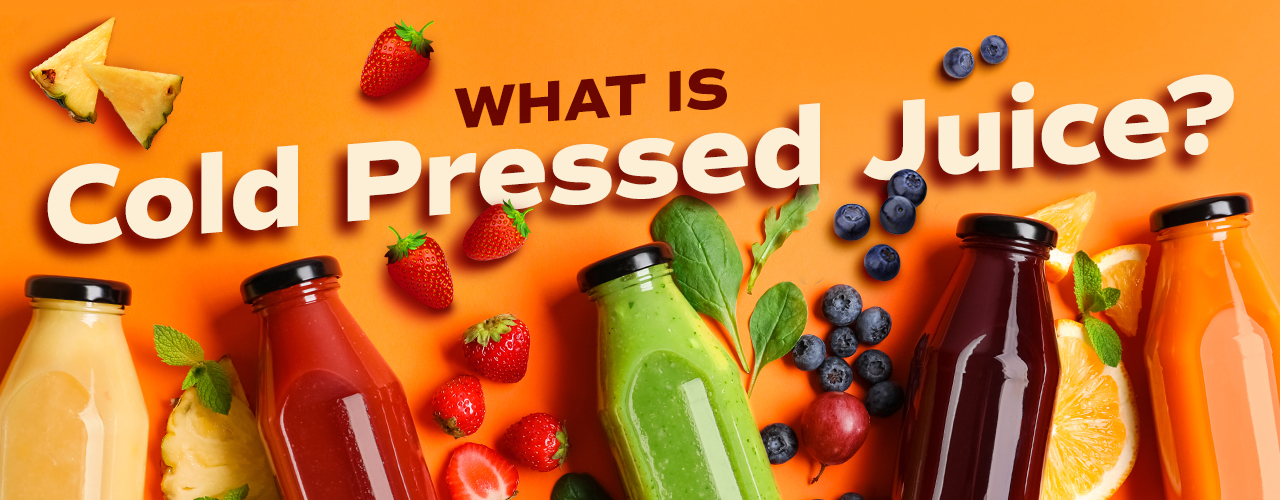
Cold press juicers excel with leafy greens, celery, and hard vegetables but struggle with soft fruits like oranges and berries—a critical performance variation many buyers discover too late. The auger mechanism efficiently processes fibrous materials but often extracts less juice from soft, high-water-content fruits compared to centrifugal methods.
Best Produce Combinations for Maximum Yield
Boost your cold press efficiency with these winning combinations:
– Alternate hard vegetables (carrots, beets) with leafy greens
– Follow fibrous ingredients with watery vegetables (cucumber, celery)
– Use apples as “pushers” between trickier ingredients
– Avoid overloading with too many leafy greens at once (causes clogs)
Worst Fruits to Run Through Your Cold Press (Save Your Machine)
These ingredients create common problems for cold press juicers:
– Whole citrus (peel clogs the auger)
– Very fibrous produce like coconut
– Overripe soft fruits (create blockages)
– Large quantities of leafy greens without alternating
Shelf Life Shock: Why Your Juice Lasts 72 Hours Instead of 24
The reduced oxidation during cold press extraction extends juice freshness to 2-3 days versus 24 hours for centrifugal juice—a major advantage often overlooked in cold press juicer pros and cons discussions. This extended shelf life makes batch preparation practical while reducing waste from spoiled juice.
The Oxygen Exposure Secret That Kills Centrifugal Juice
Centrifugal juicers incorporate air during high-speed spinning, accelerating oxidation that degrades nutrients and alters flavor within hours. Cold press technology minimizes oxygen exposure, preserving both nutritional content and taste quality throughout the juice’s extended shelf life.
Who Should Skip Cold Press (Despite the Hype) and What to Buy Instead
Cold press juicers aren’t for everyone—understanding who should avoid them is as important as knowing their benefits. Casual users who juice once a week, those on tight budgets, or apartment dwellers needing ultra-quiet operation may find centrifugal models more practical despite their nutritional drawbacks.
The Casual Juicer’s Better Alternative
If you juice less than three times weekly:
– Choose a mid-range centrifugal juicer ($80-$150)
– Prioritize wide feed chutes for minimal prep
– Look for dishwasher-safe components
– Consume juice immediately to maximize nutrient retention
Budget Buyers: When $100 Centrifugal Makes More Sense
For those spending less than $20 weekly on produce:
– Centrifugal juicers deliver 70-80% of cold press benefits at half the price
– The higher waste factor matters less with smaller produce quantities
– Cleaning time difference becomes negligible with infrequent use
– You’ll recoup the price difference through produce savings in under a year
Making Your Final Decision: Cold Press Worth It for You?
The cold press juicer pros and cons ultimately depend on your specific usage patterns and priorities. For daily juicers committed to maximum nutrient intake, the benefits outweigh the drawbacks. For occasional users prioritizing convenience and cost, centrifugal remains the smarter choice. Consider these three decisive factors before purchasing:
- Frequency: Will you use it 4+ times weekly? (Justifies time investment)
- Produce budget: Do you spend $40+ weekly on juicing produce? (Maximizes yield savings)
- Health goals: Are you pursuing specific wellness protocols requiring maximum nutrient density?
If two or more apply, invest in cold press. Otherwise, a quality centrifugal model delivers better value for your lifestyle. The right choice transforms juicing from a chore into a sustainable habit that consistently supports your health goals—regardless of which technology you choose.