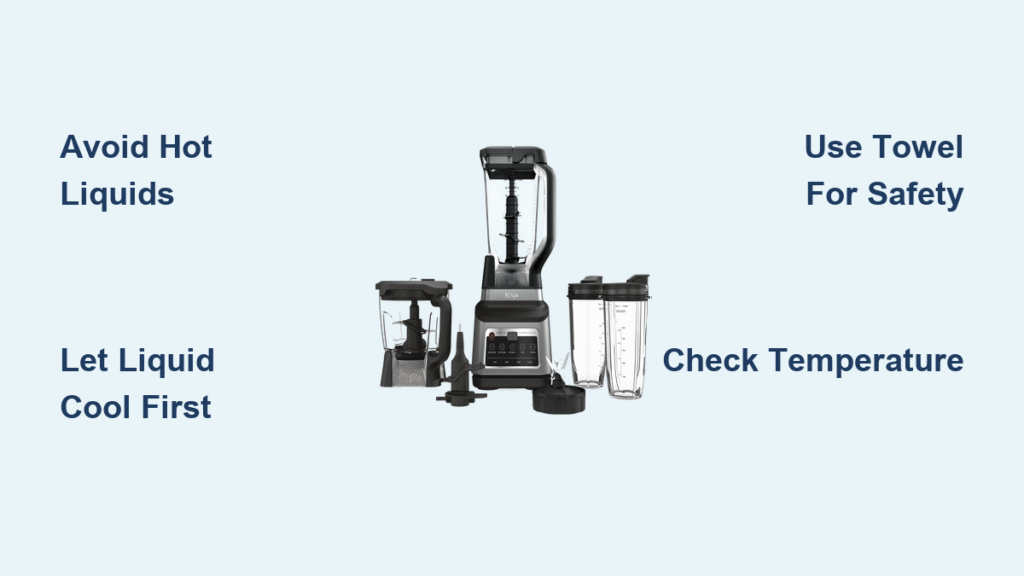
Picture this: You’ve just brewed the perfect pot of coffee for your morning bulletproof blend, steam rising from the surface at a scalding 200°F. Your Ninja blender sits ready on the counter, promising silky-smooth results. But before you pour that piping hot liquid into the pitcher, stop—this common mistake has sent countless users to the emergency room and destroyed expensive blenders. The answer to “can you put hot liquid in a Ninja blender” is a resounding no, and understanding why could save you from serious injury and costly replacements.
Hot liquids transform your Ninja blender into a dangerous pressure bomb waiting to explode. Unlike commercial blenders designed for hot applications, Ninja’s sealed system traps steam with nowhere to escape, creating explosive forces that can launch scalding liquid across your kitchen in seconds. This isn’t theoretical—users report cracked bases, ejected lids, and walls splattered with coffee hot enough to cause third-degree burns. Let’s explore the real risks, Ninja’s explicit warnings, and safe alternatives that preserve both your blender and your skin.
Ninja’s Official Position: Clear and Simple
Ninja’s support team leaves absolutely no room for interpretation: “We do not recommend blending any hot ingredients in this blender for safety reasons. Doing so may result in a pressure buildup and steam exposure.” This isn’t corporate liability speak—it’s a critical safety warning backed by extensive testing and user experiences.
The Nutri Ninja Nutri Bowl DUO manual explicitly states “do not use hot liquids,” and even with cold ingredients, users report hearing concerning pressure releases when removing lids. This indicates the system already operates near its pressure limits under normal conditions. Temperature limitations specifically state “not hot, only warm as recommended,” confirming that Ninja blenders are engineered exclusively for cold to lukewarm applications, not the high temperatures produced by freshly brewed coffee or hot soups.
What Happens When You Ignore This Warning
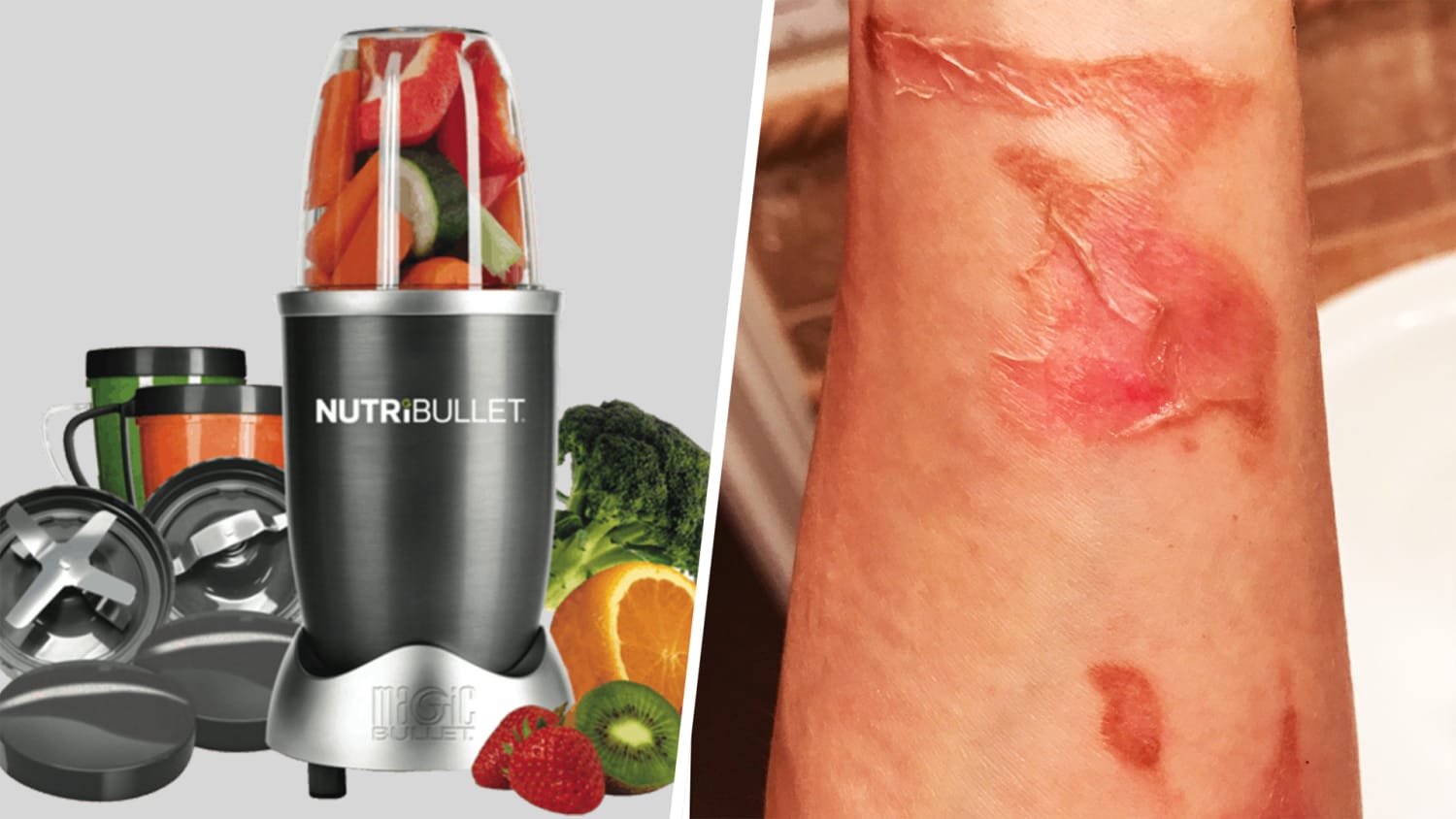
Explosive Pressure Buildup Risk
Hot liquids create steam that has nowhere to escape in Ninja’s sealed blending system. This pressure can:
- Blow the lid off completely like a champagne cork under extreme force
- Spray 200°F+ liquid across counters, up to ceilings, and across entire floors
- Cause severe burns to hands, face, and exposed skin within milliseconds
- Endanger pets and children who might be nearby without warning
- Damage cabinets and walls requiring expensive repainting or replacement
Real User Catastrophes
Users attempting bulletproof coffee report devastating failures that should serve as serious warnings:
- Base cracking: Multiple users returned units after bases cracked in three places from hot coffee use
- Persistent leaks: Coffee seeping from underneath after just two weeks of hot liquid use
- Explosive ejection: Lids popping off mid-blend, spraying hot coffee across entire kitchens
One verified user summarized the community consensus: “Destroyed my first Ninja trying to blend hot coffee. The base literally cracked in three places. Don’t learn the hard way like I did.” These aren’t isolated incidents—they’re predictable outcomes of ignoring Ninja’s explicit temperature limitations.
Temperature Guidelines That Actually Work
Safe Temperature Range Explained
Ninja blenders handle warm liquids only—think lukewarm coffee that’s comfortable to sip, not fresh from the pot. The exact temperature threshold isn’t specified in manuals, but if you can’t comfortably hold your finger in the liquid for 10 seconds, it’s dangerously too hot for your Ninja blender.
Reliable Temperature Testing Before Blending
Don’t guess—verify with these simple methods before pouring anything into your blender:
- Touch test: Liquid should feel warm but not hot to the touch
- Steam test: No visible steam should rise from the surface
- Time test: Let hot liquids sit for 15-20 minutes minimum after cooking
Safe Cooling Methods Before Blending

Natural Cooling Technique That Works
Transfer your hot liquid to a wide, shallow pan instead of the narrow blender pitcher. Stir occasionally to redistribute heat and release steam. This method typically takes 20-30 minutes for soup or coffee to reach safe blending temperatures while preventing uneven cooling.
Refrigerator Method for Time-Crunched Users
Pour hot liquid directly into your Ninja blender cup, then place the entire cup (without the blade assembly) in the refrigerator for 10-15 minutes. Check every 5 minutes to prevent overcooling—you want warm, not cold liquid for optimal texture in recipes like bulletproof coffee.
Multi-Task Cooling Strategy
Turn cooling time into productive kitchen time:
– Prepare other ingredients while waiting
– Clean prep dishes that would need washing anyway
– Set the table or organize your workspace
– Take a quick walk—your dog will thank you
– Check messages you’ve been meaning to respond to
If You Must Blend Warm Liquids: Emergency Protocol
Critical Warning: This section provides general blender safety education only. Ninja explicitly advises against hot liquid use, so these steps minimize—not eliminate—risks for warm (not hot) liquids.
Pre-Blend Safety Steps
- Fill blender no more than one-third full to allow room for expansion
- Remove the center lid cap to create a steam escape route
- Cover lid with a thick towel, holding firmly throughout operation
- Start on the lowest speed for 1-2 second pulses only
- Stop immediately if you feel pressure building beneath the towel
During Blending Protocol
- Keep face and body at least 12 inches away from the lid
- Hold towel-covered lid with one hand continuously while operating
- Pulse in short bursts (2-3 seconds), checking between each
- Stop immediately if contents bubble up toward the lid
- Never leave blender unattended for even a moment
Smart Alternatives for Hot Recipes
For Bulletproof Coffee Success
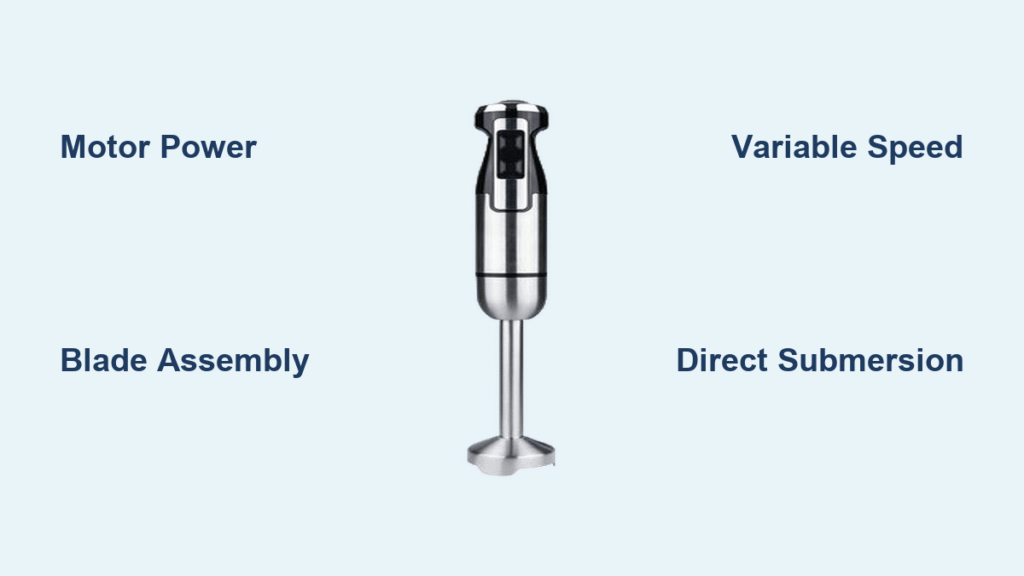
Brew coffee directly into your Ninja cup, let cool 20 minutes, then blend. Or use a separate container for cooling before transferring—this prevents thermal shock to the plastic components. For true convenience, consider an immersion blender designed for hot liquids.
For Hot Soups Without the Risk
- Stovetop finishing: Blend ingredients cold, then gently heat in a pot
- Immersion blender: Use a stick blender directly in your cooking pot for immediate results
- Cool and reheat: Blend cooled soup, then gently reheat on low to preserve texture
Equipment Alternatives Worth Considering
- Immersion blender: Specifically designed for hot liquids, eliminating transfer risks
- Countertop blenders with vented lids: Some high-end models feature steam-release valves
- Traditional stovetop methods: Whisking or hand-mixing for simple recipes avoids blender risks entirely
Understanding Why Ninja Can’t Handle Heat

Design Limitations You Should Know
Ninja blenders use plastic components and tight-sealing gaskets not engineered for high temperatures. The base-to-jar connection lacks the reinforced construction needed for thermal stress, explaining why users report cracked bases after hot liquid use. Unlike professional blenders with metal components, Ninja’s design prioritizes lightweight portability over heat resistance.
Pressure System Design Flaws
The safety release system works adequately for cold contents but becomes dangerously overwhelmed by hot liquid steam production. Unlike commercial blenders with vented lids, Ninja’s design prioritizes spill-proof sealing over steam management—a critical flaw when dealing with temperatures above 120°F.
Cold Liquid Best Practices to Prevent Accidents
Even with cold ingredients, follow these guidelines to prevent messy overflows:
- Fill to max line only: Leave room for expansion during high-speed blending
- Secure lid properly: Listen for the distinctive click before starting
- Start slow: Begin on low speed, then gradually increase to prevent sudden surges
- Add liquids first: Helps create the vortex needed for smoother blending
Final Safety Summary
The evidence is overwhelming: putting hot liquid in your Ninja blender risks equipment destruction, serious burns, and kitchen disasters. The 15-20 minutes needed for safe cooling saves you from potential emergency room visits and expensive appliance replacements. Remember: If it’s too hot to sip comfortably, it’s too hot to blend. Your Ninja excels at cold smoothies, room-temperature sauces, and warm (not hot) soups. Respect the temperature limits, and your blender will serve you safely for years to come.
Bottom line: When in doubt, let it cool. The perfect texture isn’t worth third-degree burns and a destroyed blender. Invest those few extra minutes in proper cooling techniques, and you’ll enjoy both culinary success and kitchen safety every time you reach for your Ninja.