Freshly extracted juice begins losing nutritional value the moment it exits your juicer. Cell walls rupture during juicing release enzymes that accelerate spoilage through oxidation, which is why knowing the best way to store juice from juicer transforms your juicing practice from a daily chore into a sustainable habit. Whether you’re batch-preparing juices for the week or preserving seasonal harvest yields, proper storage techniques extend juice life from mere hours to days or even months while maintaining the nutritional integrity that makes homemade juice superior to store-bought alternatives.
The biological processes behind juice degradation explain why storage methods focus on limiting oxygen exposure. Polyphenol oxidase, the enzyme responsible for browning in cut fruits, becomes active the moment cell walls are destroyed, working against your goal of maintaining fresh, great-tasting juice. By mastering preservation techniques grounded in this science, you capture the vitamins, enzymes, and minerals that commercial processing destroys while significantly reducing waste and maximizing your juicing investment.
Choose the Right Juicer for Maximum Juice Longevity
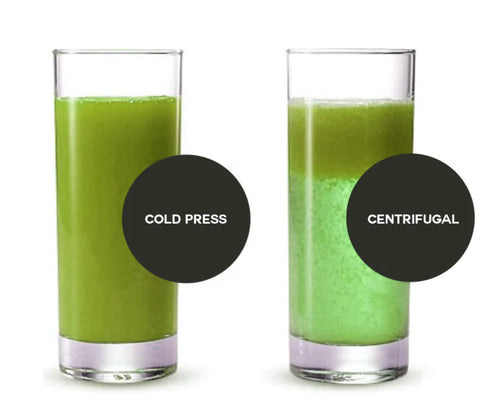
Cold-press juicers create juice that stores significantly better than centrifugal models. These machines squeeze produce between two hard, perforated surfaces with minimal heat generation—heat that accelerates nutrient degradation and oxidation. The gentler extraction preserves more vitamins and enzymes that break down quickly when exposed to air, giving you a better starting point for storage. If you’re serious about storing juice properly, cold-press extraction provides a 20-30% longer shelf life compared to other methods.
Centrifugal juicers operate using high-speed blades that spin against mesh baskets, introducing heat and forcing more air into your juice through centrifugal action. This accelerated oxidation damages flavor compounds and color faster, requiring more aggressive storage attention. If you use this type of machine, you’ll need to refrigerate juice immediately, prepare smaller batches, and consume within 24 hours for optimal quality. Never store centrifugal-juiced products for more than 48 hours regardless of preservation methods used.
Champion-style juicers fall between these extremes, introducing more oxidation than cold-press systems but less than centrifugal models. They excel at handling drier foods like wheatgrass but require storage techniques tailored to their specific output. Understanding your juicer’s characteristics allows you to adjust storage methods accordingly, extending your juice’s usable life regardless of equipment type.
Glass Containers Outperform Plastic for Juice Storage

Airtight glass containers represent the gold standard for storing fresh juice because glass is non-reactive and won’t interact with juice composition over time. Unlike plastic, glass doesn’t leach chemicals into juice, even during extended refrigeration, making it the safest choice for preserving both flavor and nutritional value. Dark-colored glass containers offer an additional advantage by minimizing light exposure, another factor that degrades juice quality.
Plastic containers create multiple problems for juice storage:
– Even BPA-free plastics break down when exposed to natural acids in juice
– Plastic allows more oxygen transmission compared to glass
– The porous nature of plastic accumulates stains and odors over time
– Plastic may impart unwanted flavors to your juice
Before filling containers, ensure they are completely clean and dry—any contaminants introduced at storage accelerate spoilage. Inspect lids for proper sealing capability; containers with loose-fitting lids allow air entry and dramatically reduce effective storage life. For freezing, use containers specifically designed for freezer use, as regular glass may crack during expansion.
Optimal Refrigeration Temperature & Placement Techniques
The ideal refrigerator temperature for storing fresh juice falls between 35 and 40 degrees Fahrenheit. Most refrigerators maintain this range in main compartments, but placing juice in the back away from door seals ensures the most consistent temperature exposure. Door compartments fluctuate with repeated opening, exposing juice to temperature swings that accelerate spoilage.
Container placement within the refrigerator directly impacts longevity:
– Store juice in the back of the main compartment for stable temperatures
– Avoid refrigerator door bins where temperature varies with each opening
– Use dedicated produce drawers if they maintain consistent cold temperatures
– Consider a separate mini-fridge for dedicated juice storage if juicing frequently
Temperature consistency proves crucial because fluctuations accelerate spoilage. Each warming and cooling cycle draws fresh oxygen through imperfect seals as air expands and contracts, while temperature swings encourage bacterial activity. A cooler bag with ice packs maintains safe temperatures for several hours when standard refrigerator space isn’t available.
Fill Containers Completely to Combat Oxidation

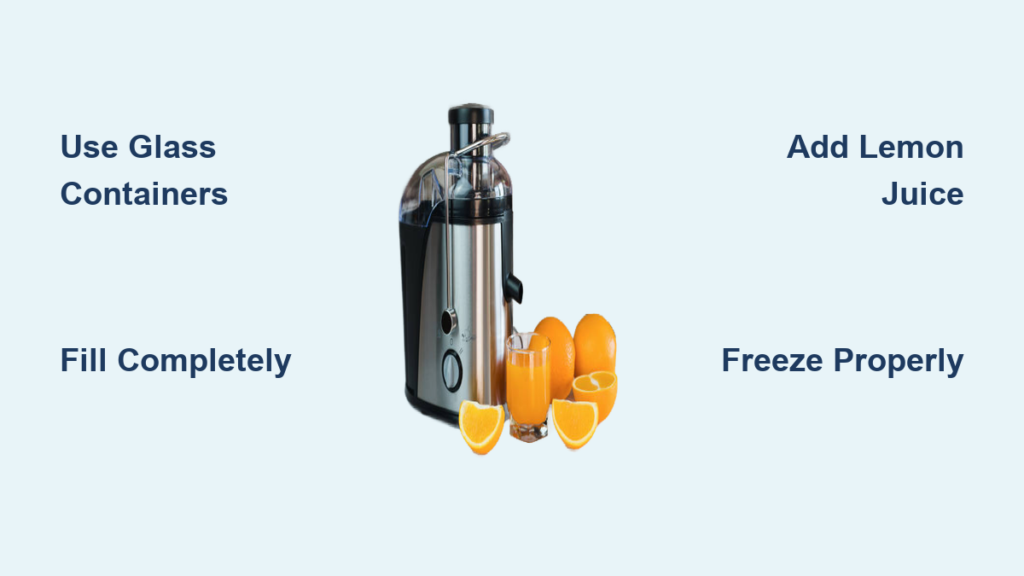
Filling containers to the very top minimizes trapped air volume, reducing oxygen available to react with the liquid and significantly slowing oxidation. When juice contacts air, oxygen reacts with nutrients, particularly vitamin C and antioxidants, breaking them down and altering flavor profiles. Juice in a full container has minimal surface area exposed to oxygen compared to partially filled containers where larger liquid surface area meets larger air volumes.
This principle applies regardless of container material but works best with airtight seals. Even in glass containers with tight lids, trapped air eventually affects quality. When juicing in bulk, using multiple smaller containers filled completely proves far more effective than one large container with significant headspace. For freezing, leave adequate headspace (typically one inch) since liquids expand during freezing—this is the main exception to the “fill completely” rule.
Add Lemon Juice to Naturally Preserve Your Juice
Adding lemon juice to fresh juice serves as one of the most effective natural preservation methods available. Citric acid acts as a powerful antioxidant that slows oxidation, helping maintain color and nutritional content. This preservation effect mirrors how citrus prevents browning in cut apples—when acid is present, enzymatic reactions causing discoloration are inhibited. For juices from oxidation-prone fruits like apples and peaches, lemon juice additions noticeably extend fresh appearance and flavor retention.
The recommended approach involves adding juice from one lemon per batch, adjusting quantities based on personal taste and storage volume. Some practitioners prefer adding a whole lemon slice to containers rather than pre-mixing, providing ongoing preservation as citrus compounds slowly diffuse. Lime and grapefruit juice offer similar preservation through their citric acid content, so experiment with different citrus varieties to find appealing flavor combinations.
Beyond citric acid, citrus additions boost overall vitamin C content rather than just preserving existing nutrients. Antioxidants in citrus peel oils contribute to flavor preservation, maintaining the bright taste distinguishing fresh juice from commercial alternatives. This technique proves particularly valuable for green juices with shorter shelf lives due to high chlorophyll and antioxidant content that degrades faster than compounds in fruit-based juices.
Freeze Juice Properly for Long-Term Storage
Freezing represents the most effective method for extending juice storage beyond the few days possible with refrigeration. When properly executed, freezing preserves quality for two to three months. Success depends on understanding preparation requirements and juice behavior during freezing and thawing.
Portion control becomes essential when preparing juice for freezing:
– Freeze in small containers or silicone ice trays for portion control
– Use freezer-safe glass jars designed to handle expansion
– Leave one inch of headspace to prevent cracked containers
– Label containers with date and juice type for easy identification
Thawing process affects quality outcomes. The recommended method transfers frozen juice from freezer to refrigerator, allowing slow overnight thawing. Rapid methods like warm water or microwave defrost create hot spots that partially cook juice, degrading flavor and nutrition. Once thawed, consume juice immediately rather than re-refrigerating, as the freeze-thaw cycle already stressed cellular structure.
Recognize Spoilage Signs Before Consuming Stored Juice
Even with optimal storage practices, juice eventually spoils, and recognizing spoiled juice prevents consumption of potentially harmful products. Three primary indicators signal spoilage: smell, appearance, and taste. Any concerning indicator warrants disposal, and multiple present indicators make the decision clear.
Smell provides the first and sometimes most obvious warning. Fresh juice has a pleasant, vibrant aroma characteristic of its ingredients. Spoiled juice develops sour, off-putting, or fermented odors distinctly different from original scents. If juice smells anything other than fresh and appealing, discard it immediately.
Appearance changes in spoiled juice include:
– Color alterations beyond expected oxidation
– Unusual cloudiness or murkiness
– Separation that doesn’t remix when shaken
– Visible mold growth (immediate disposal required)
Taste testing should be done cautiously after smell and appearance pass inspection, revealing sour, bitter, or “off” flavors indicating spoilage—dispose immediately if detected.
Pasteurization Extends Juice Shelf Life to Six Months
For those seeking maximum storage times, pasteurization extends shelf life to six months or longer in freezers. This process heats juice to 185 degrees Fahrenheit until just simmering (avoiding full rolling boils), then cools rapidly via ice-water bath to minimize elevated-temperature exposure time.
Home pasteurization steps:
1. Heat small batches of juice to 185°F to ensure even heating
2. Maintain temperature for specified time without boiling
3. Cool rapidly in ice-water bath
4. Transfer to freezer-safe containers with appropriate headspace
Cooled pasteurized juice maintains quality much longer than raw juice under identical storage conditions. This method proves valuable for preserving seasonal harvests or taking advantage of bulk produce sales, enabling fresh-tasting juice enjoyment year-round regardless of seasonal availability.
Quick Reference Guide: For best results, use a cold-press juicer, store immediately in completely filled glass containers, add lemon juice, refrigerate at 35-40°F in the back of your fridge, and consume within 72 hours. For longer storage, freeze in portion-sized containers with one inch of headspace. Always inspect for spoilage signs before consumption—when in doubt, throw it out. The fresher your juice is when stored, the better it will taste and the more nutrition it will retain throughout its storage life.