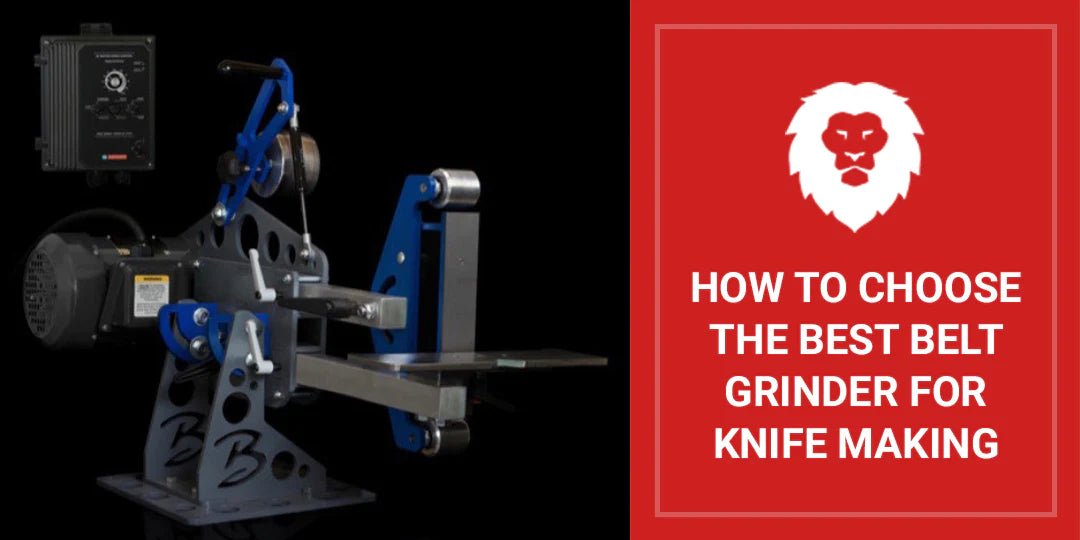
When you’re setting up a metalworking station or expanding your fabrication capabilities, selecting the appropriate belt grinder size can make or break your workflow efficiency. Many hobbyists and professionals alike face frustration after purchasing a grinder that doesn’t match their actual projects, leading to wasted money and workspace. Understanding the critical differences between belt grinder size categories helps you avoid common pitfalls and invest in equipment that will serve your specific needs for years to come. This guide breaks down the essential size classifications, their practical applications, and how to determine which configuration will deliver the best value for your particular work requirements.
Belt Grinder Size Categories and Their Practical Applications
Compact Benchtop Models (1″ x 42″ Belt Configuration)
Compact benchtop belt grinders represent the entry point for many hobbyists and knife makers working in limited spaces. These units typically accommodate 1″ wide by 42″ long belts and feature smaller contact wheels ranging from 1″ to 2″ in diameter. The compact design makes them ideal for detailed work like sharpening small blades, refining knife edges, and performing precision metal removal on smaller projects.
How do compact grinders handle detailed knife work?
The narrow belt width provides superior control when working on fine edges and intricate profiles. When shaping small knives or detailed metalwork, the reduced belt width allows for better maneuverability around tight curves and complex geometries. Many users report these models excel at tasks requiring precision but become inefficient for larger stock removal jobs that would benefit from wider belts and more aggressive grinding.
What space considerations should I evaluate?
Benchtop models typically require only 12-18 inches of workspace depth and weigh under 30 pounds, making them suitable for crowded workbenches or portable setups. The smaller footprint means you can position them exactly where needed without dedicating permanent floor space. However, this compact design often sacrifices power and stability when tackling heavier materials, so consider your typical project scale before committing to this size class.
Mid-Range Belt Grinders (2″ x 48″ to 2″ x 72″ Configurations)
Mid-range belt grinders strike the optimal balance between power, versatility, and workshop space requirements for most serious hobbyists and small shops. These units typically support 2″ wide belts in lengths ranging from 48″ to 72″, with contact wheel diameters between 2″ and 4″. This size category delivers significantly more stock removal capability while maintaining reasonable benchtop usability for many workshop configurations.
Why do most knife makers prefer mid-range models?
The 2″ belt width provides the perfect compromise between precision and material removal rate for knife making. With these grinders, you can efficiently shape blade profiles, remove substantial material during initial stock reduction, and still perform detailed edge work with appropriate contact wheels. The additional belt width compared to compact models means fewer passes needed for primary grinding, dramatically reducing project completion time for production work.
What motor power should I expect in this size class?
Mid-range units typically feature 1-1.5 horsepower motors capable of maintaining consistent speed under moderate pressure. This power range handles most knife making and small fabrication tasks without bogging down, though extremely demanding applications might require stepping up to larger industrial models. The increased motor size does require more careful consideration of electrical requirements, as many 1+ HP units need dedicated 15-20 amp circuits for reliable operation.
Industrial-Grade Belt Grinders (4″ x 72″ and Larger)
Industrial belt grinders represent the heavy-duty solution for professional metalworkers, fabricators, and high-volume knife producers. These substantial units accommodate 4″ wide belts (and sometimes wider) on 72″ or longer configurations, featuring robust frames, powerful 2+ horsepower motors, and substantial contact wheel options. The increased mass provides exceptional stability during aggressive grinding operations that would cause smaller units to vibrate excessively.
When does industrial size become necessary for metal fabrication?
If your work involves frequent stock removal on thick materials (1/4″ and above), large-scale fabrication projects, or production knife making, industrial grinders deliver unmatched efficiency. The wider belt removes material faster across broader surfaces, while the heavier construction minimizes vibration during sustained heavy use. Many professional shops find these units pay for themselves through increased productivity on demanding jobs that would take significantly longer on smaller equipment.
What workshop considerations come with industrial models?
These larger units typically require dedicated floor space with concrete flooring to handle their weight and vibration. Most industrial grinders weigh 100+ pounds and may need mounting to a substantial workbench or dedicated stand. While the initial investment and space requirements are greater, the long-term durability and performance benefits make them essential tools for serious metalworking operations where time equals money.
Critical Factors Beyond Basic Belt Dimensions
Contact Wheel Size and Configuration Impact

The contact wheel assembly significantly influences your grinder’s capabilities regardless of the basic belt size. Smaller contact wheels (1-2″) create tighter grinding radii for detailed work, while larger wheels (3-6″) provide flatter grinding surfaces for broad stock removal. Many advanced grinders feature interchangeable contact wheels, allowing you to adapt your machine to different tasks without purchasing multiple units.
How do contact wheel shapes affect grinding performance?
Flat contact wheels deliver consistent pressure across the entire belt width, ideal for flattening stock or creating precise bevels. Radius-edged wheels allow for rounded profiles during grinding, while crowned wheels help prevent belt tracking issues on wider configurations. Serious users often maintain multiple contact wheel setups to quickly switch between detailed work and aggressive material removal.
Belt Speed Requirements by Application
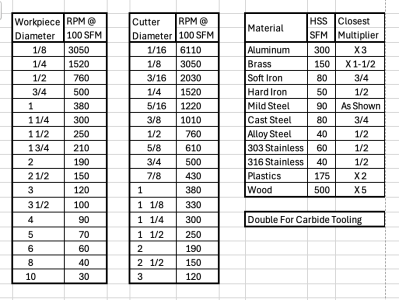
Belt speed (measured in surface feet per minute) dramatically affects grinding performance and varies significantly across size categories. Smaller benchtop units often operate at higher RPMs to compensate for smaller drive wheels, while industrial models may run at lower speeds with more torque. Understanding the optimal speed range for your specific materials and tasks prevents issues like heat buildup that can ruin hardened steel edges.
What speed considerations matter for knife making?
Most knife makers prefer belt speeds between 3,500-5,500 SFPM for optimal performance on tool steels. Higher speeds generate more heat, which can damage heat-treated blades, while lower speeds reduce efficiency during stock removal. Many quality grinders offer variable speed controls to optimize performance across different tasks and materials, providing greater flexibility regardless of the basic size classification.
Making Your Size Decision: A Practical Approach
Assessing Your Primary Work Requirements
Before selecting a belt grinder size, honestly evaluate your most common projects. If 80% of your work involves small knives and detailed metalwork, a compact or mid-range model will serve you better than an industrial unit that wastes space and costs more than necessary. Conversely, if you regularly work with thick stock or need high production capacity, stepping up to a larger size will dramatically improve your workflow efficiency.
How can I test if a size suits my needs?
Many experienced metalworkers recommend trying different size grinders at maker spaces or local workshops before purchasing. Pay attention to how the machine handles your typical materials and whether the belt width matches your common work dimensions. This hands-on experience provides more valuable insight than specifications alone when determining which size will integrate best with your existing workflow.
Future-Proofing Without Overbuying
Consider your likely progression as a metalworker when selecting grinder size. A beginner might start with a compact model but quickly outgrow it as skills develop. Many successful shops begin with a quality mid-range unit that handles 90% of their work while leaving room for future expansion. Look for models with upgrade paths—some manufacturers offer conversion kits to increase belt width or add variable speed controls as your needs evolve.
Essential Size-Related Maintenance Practices
All belt grinders require regular maintenance to perform optimally, but size-specific considerations exist. Larger units with more powerful motors need careful attention to belt tracking and tensioning to prevent premature wear. Smaller units benefit from frequent cleaning to remove fine metal particles that can accumulate in tighter spaces. Regardless of size, proper maintenance extends equipment life and ensures consistent performance across all your projects.
How does size affect belt replacement frequency?
Wider belts on larger grinders typically last longer per project since material removal is distributed across more surface area. However, the higher stock removal rates on industrial units mean you’ll process more material between replacements. Keep multiple belts on hand for your specific size configuration and track usage patterns to anticipate when replacements will be needed.
Final Considerations Before Your Purchase
Choosing the right belt grinder size requires balancing your current needs with future aspirations while respecting your workspace limitations. The most successful purchases align with your actual work patterns rather than theoretical capabilities. Take measurements of your available space, analyze your typical projects, and consider how the grinder will integrate with your existing workflow. Remember that the best grinder is the one you’ll use regularly and effectively—not necessarily the largest or most powerful option available.
What size grinder delivers the best value for most hobbyist knife makers?
Based on widespread user feedback, the 2″ x 72″ configuration provides the optimal balance of precision, power, and versatility for most knife makers progressing beyond beginner status. This size handles everything from detailed edge work to substantial stock removal without requiring excessive workspace. As you gain experience, you’ll develop a clearer understanding of whether your specific workflow would benefit from stepping up to industrial sizes or if a well-equipped mid-range unit will serve all your needs.