You’re in the middle of a critical metal-cutting job when suddenly your angle grinder sputters, overheats, and dies—leaving you with half-finished work and a potentially dangerous situation. This common scenario happens daily to tradespeople who neglect proper angle grinder maintenance. A well-maintained angle grinder delivers consistent cutting power, operates safely, and lasts decades rather than years. Skip these essential care steps, and you’ll face unexpected breakdowns, compromised safety, and unnecessary replacement costs. This guide reveals the exact maintenance procedures professionals use to keep their grinders running smoothly through thousands of hours of demanding work.
5-Minute Pre-Use Inspection That Prevents Angle Grinder Accidents
Before every use, dedicate five minutes to a systematic inspection that catches problems early. This simple routine prevents catastrophic failures and keeps you safe during operation.
Power System Verification: Stop Electrical Hazards Before They Start
Check your power cord thoroughly for cuts, frays, or exposed wires—replace damaged cords immediately rather than risking electrical shock or fire. Ensure the cord connects firmly to both the grinder and outlet, as loose connections cause dangerous sparking and inconsistent power delivery. For cordless models, inspect batteries for swelling, damage, or leakage, and never store batteries fully charged or completely drained—maintain 40-60% charge for optimal preservation during storage.
External Component Assessment: Critical Safety Checks You Can’t Skip
Grip your handle firmly to verify security and structural integrity—a loose or cracked handle compromises control during operation, potentially causing severe kickback injuries. Examine the wheel guard meticulously for cracks or warping, replacing it immediately if compromised, since a damaged guard cannot protect you from flying debris. Inspect grinding discs for cracks, chips, or wear below manufacturer specifications—never use damaged discs as they can shatter at high speeds.
Disc Compatibility Check: Avoid Catastrophic Tool Failure
Verify your disc matches both the grinder’s specifications and your specific task—using the wrong disc creates dangerous operating conditions and strains internal components. Check disc expiration dates, as bonding materials degrade over time even on unused discs. Keep multiple disc types readily available so you can replace damaged ones immediately without forcing incompatible alternatives.
Daily Angle Grinder Cleaning: Stop Dust From Destroying Your Motor
Cleaning represents the most overlooked yet critical aspect of angle grinder maintenance. Metal shavings and dust infiltrate critical components, causing overheating and premature wear.
Exterior Cleaning Protocol: 3 Steps for Maximum Protection
- Wipe the grinder’s exterior with a clean dry rag before each use to remove previous work debris
- After cooling completely, use a soft damp cloth for stubborn residue—never use solvents that degrade rubber grips and plastic housings
- Dry all surfaces thoroughly, paying special attention to the spindle area to prevent rust formation
Ventilation System Care: Prevent Costly Overheating Damage
Blocked vents cause 70% of premature angle grinder failures. Blow out all ventilation slots with compressed air after each use, focusing on motor housing areas where fine metal particles accumulate. Check vents weekly even if the tool appears clean externally, as microscopic dust clogs cooling passages rapidly during metal grinding operations.
Internal Component Attention: Eliminate Hidden Debris Buildup
After metal grinding tasks, use a wire brush to remove metal buildup from the spindle and flange areas. Inspect the spindle for smooth rotation and clean any residue that affects disc mounting accuracy. This simple step prevents vibration that accelerates bearing wear and causes uneven cutting performance.
Carbon Brush Replacement: Fix Power Loss in Your Angle Grinder
Carbon brushes transfer electricity to the motor’s armature and wear down with use. Ignoring this critical maintenance point leads to expensive motor damage.
Recognizing Brush Wear: 4 Warning Signs You Can’t Ignore
- Increased sparking from motor housing vents
- Inconsistent power delivery during operation
- Difficulty starting the tool
- Noticeable power loss under normal load
Replace carbon brushes when worn to 1/4 of original length—typically every 100-200 hours of use. Delaying replacement damages the commutator, requiring costly professional repair.
Replacement Procedure: Complete in Under 10 Minutes
- Locate and remove the brush access covers (usually two screws)
- Note brush orientation before removal
- Insert new brushes matched to your specific model
- Allow 5-10 minutes of light use to seat new brushes properly
Never operate with worn brushes—the cost of replacement brushes is minimal compared to motor rebuild expenses.
Bearing Maintenance: Eliminate Grinding Noises in Your Angle Grinder
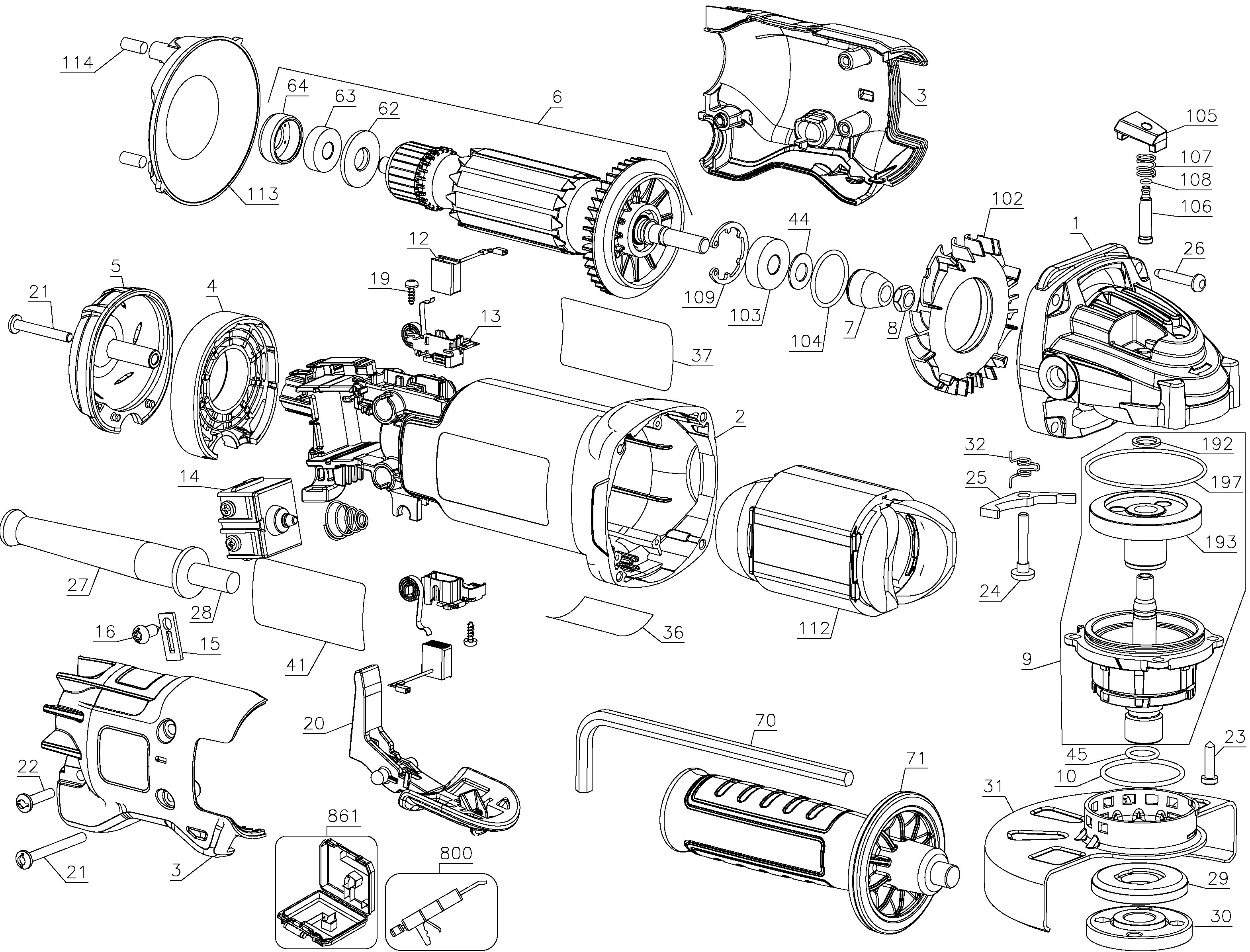
Worn bearings cause vibration, noise, and premature tool failure. Proper bearing care extends your grinder’s life significantly.
Bearing Inspection: What to Listen For
Spin the spindle by hand—smooth, quiet rotation indicates healthy bearings. Listen for grinding, clicking, or whirring sounds during operation, and feel for resistance when rotating the spindle manually. Replace bearings immediately if you detect unusual noises—continued use damages the spindle and housing.
Lubrication Protocol: The Right Way to Extend Bearing Life
Apply manufacturer-specified grease to bearings every 100-150 hours of use. Avoid over-lubrication—excess grease attracts dust and metal particles that accelerate wear. Clean old grease completely before applying new lubricant for optimal performance.
Proper Angle Grinder Lubrication: Avoid Overheating Damage

Friction destroys internal components faster than most users realize. Correct lubrication prevents premature wear and overheating.
Gear Housing Lubrication: Critical Timing You Must Follow
Replace gear housing lubricant every 100-150 hours of use or annually—whichever comes first. Inspect lubricant regularly for metal particles that indicate internal wear. Use only manufacturer-specified lubricants—different formulations have varying thermal properties that affect gear protection.
Lubrication Mistakes That Destroy Angle Grinders
- Using automotive grease instead of tool-specific lubricants
- Overfilling gear housing compartments
- Mixing different lubricant types
- Ignoring manufacturer specifications
Winter Storage Guide: Prevent Rust in Your Angle Grinder
Proper storage prevents corrosion and component degradation when your grinder sits idle.
Environmental Control: Optimal Storage Conditions
Store your angle grinder in a climate-controlled space with consistent temperature and humidity. Avoid garages or sheds where temperature fluctuations create condensation inside motor housings. Ideal storage conditions maintain 40-60% humidity and 60-75°F temperature year-round.
Physical Storage Methods: Protect Against Damage
- Store in original case or protective bag
- Remove batteries from cordless models
- Hang vertically to prevent pressure on guards
- Keep away from chemicals or solvents
Never store with discs mounted—this creates pressure on flanges that can cause distortion over time.
Critical Safety Checks Before Every Angle Grinder Use
Safety isn’t just about PPE—it’s built into proper maintenance procedures.
Essential Protective Equipment Verification
- Safety glasses with side shields (minimum)
- Heavy-duty work gloves
- Hearing protection
- Respirator with P100 filters for metal grinding
Upgrade to a full-face shield for high-risk applications where disc fragments could cause eye injury.
Operating Technique That Extends Tool Life
Maintain firm two-handed grip throughout operation, applying moderate pressure that lets the tool work at natural speed. Never force the grinder through material—that overheats the motor and accelerates wear. Take 5-minute cooling breaks during extended sessions to prevent thermal damage to internal components.
Why Your Angle Grinder Overheats: 3 Fixes That Work

Overheating causes permanent damage if not addressed immediately.
Overheating Indicators and Solutions
| Symptom | Likely Cause | Immediate Action |
|---|---|---|
| Excessive heat from motor housing | Blocked vents | Stop use, clean vents, allow complete cooling |
| Burning smell during operation | Worn carbon brushes | Replace brushes before resuming use |
| Automatic shutdown | Thermal overload | Let cool completely, inspect for underlying issues |
Never ignore overheating signs—continued operation damages windings and bearings beyond repair.
Angle Grinder Maintenance Schedule: 4 Simple Steps
Follow this structured maintenance routine tailored to usage frequency:
Daily or Before Each Use
- Wipe exterior clean
- Inspect power cord and connections
- Check disc condition and mounting
- Verify wheel guard security
Weekly or Every 40-50 Hours
- Thorough vent cleaning with compressed air
- Carbon brush inspection
- Bearing rotation check
- Fastener security verification
Monthly or Every 100-150 Hours
- Gear housing lubricant replacement
- Detailed bearing inspection
- Spindle runout check
- Complete functional test
Annually
- Comprehensive internal inspection
- Carbon brush replacement (preventative)
- Safety feature verification
- Performance benchmarking
Consistent maintenance adds thousands of hours to your angle grinder’s operational life while ensuring safe, reliable performance. The few minutes invested in proper care prevent costly repairs, dangerous failures, and premature replacement—keeping you productive and protected on every job.