There’s nothing quite like the vibrant red hue and sweet-tart flavor of fresh strawberry juice made in your own kitchen. Unlike store-bought versions loaded with preservatives and added sugars, homemade strawberry juice delivers pure, unadulterated flavor while preserving the maximum nutritional benefits of this beloved summer fruit. Whether you’re looking to boost your vitamin C intake, create refreshing beverages for your family, or simply enjoy the taste of ripe strawberries year-round, mastering the art of strawberry juicing transforms your kitchen into a personal juice bar. This guide cuts through the confusion to show you exactly how to select the right equipment, prepare your berries properly, and extract the most flavorful, nutrient-rich strawberry juice using whatever juicer you own.
Selecting the Best Juicer for Strawberry Extraction

Your choice of juicer dramatically impacts both the quality and quantity of strawberry juice you’ll produce. Understanding which type works best for soft fruits like strawberries prevents frustration and wasted produce.
Centrifugal juicers operate at high speeds (typically 3,000-16,000 RPM) using a fast-spinning blade to shred strawberries against a mesh filter. While these models process berries quickly with minimal prep work, the heat generated during operation can degrade delicate nutrients and enzymes. The resulting juice often has a slightly frothy texture and should be consumed within 24 hours for best flavor. These juicers work adequately for occasional strawberry juicing but aren’t ideal for health-focused users prioritizing maximum nutrient retention.
Masticating juicers (cold-press models) crush strawberries slowly using a single auger that rotates at approximately 40-160 RPM. This gentle extraction process minimizes heat and oxidation, preserving more vitamins, enzymes, and antioxidants while yielding noticeably more juice from the same quantity of berries. The juice produced has a smoother texture with less foam and maintains its freshness for up to 72 hours when properly stored. For households serious about regular strawberry juicing, the higher initial investment pays off through better yields and superior nutritional value.
Twin-gear juicers represent the premium option with two interlocking gears that slowly press strawberries to extract every possible drop of juice. These units deliver the highest yield (up to 30% more than centrifugal models) and best nutrient preservation but require more time, cost significantly more, and involve more complex cleaning procedures. Unless you’re a serious juicing enthusiast or have specific health requirements demanding maximum extraction, a quality masticating juicer typically offers the best balance for strawberry juice production.
Perfect Strawberry Selection and Preparation Techniques

The foundation of exceptional strawberry juice begins long before you turn on your juicer—starting with how you select and prepare your berries.
Seasonal selection makes all the difference in juice quality. Peak strawberry season varies by region but generally occurs from late spring through early summer when berries ripen naturally on the vine. During this period, local farmers’ market strawberries deliver the most intense flavor and natural sweetness, requiring no added sweeteners. When selecting berries, look for uniformly bright red color (avoid white shoulders or green tips), fresh green caps that aren’t wilted, and a sweet, fragrant aroma at the stem end. Medium-sized berries often concentrate more flavor than oversized varieties bred for shipping durability.
Organic versus conventional strawberries presents an important consideration since strawberries consistently rank among produce with the highest pesticide residues. If budget allows, choosing organic berries for juicing—especially when serving children—reduces exposure to potentially harmful chemicals. When organic isn’t feasible, an effective cleaning solution involves soaking conventional strawberries in a mixture of one part white vinegar to three parts water for five minutes, followed by thorough rinsing under cold running water.
Proper preparation prevents juicer clogs and maximizes juice yield. Completely remove stems and leaves before juicing, as these bitter components can affect flavor and potentially damage your juicer’s components. Contrary to some recommendations, peeling strawberries isn’t necessary—simply wash them thoroughly to remove dirt while preserving the nutrient-rich skin. Cutting berries into quarters or smaller pieces allows for easier feeding through the juicer chute and promotes more efficient extraction, especially with masticating models that process smaller pieces more effectively.
Mastering the Basic Strawberry Juice Recipe
This foundational recipe produces approximately 16 ounces of pure, refreshing strawberry juice without any added sweeteners—letting the natural flavor of ripe berries shine.
Ingredient ratios matter for optimal flavor. Use two to three pounds of fresh strawberries to yield one pint (16 ounces) of juice, which translates to roughly 12-18 medium strawberries per cup of finished juice. The exact yield varies based on berry ripeness and your specific juicer model—overripe berries yield more juice while underripe fruit produces less. For best results, use berries at room temperature rather than cold from the refrigerator, as warmer produce releases juice more readily.
The step-by-step juicing process begins with properly prepared strawberries fed slowly through your juicer. Push berries through the chute using the provided tamper with gentle, consistent pressure rather than forcing large quantities at once. Pause every few seconds to allow the juicer to process efficiently and prevent straining the motor. As juice collects in your container, you’ll notice the vibrant red color developing—stir gently before serving to ensure consistent flavor throughout.
Serving suggestions enhance enjoyment of your fresh strawberry juice. Serve immediately over ice for maximum freshness, or mix with sparkling water for a refreshing spritzer. For a nutrient boost, combine equal parts strawberry juice and coconut water, then garnish with a fresh strawberry slice and mint leaf. The natural sweetness of ripe strawberries usually requires no additional sweeteners, though a small drizzle of raw honey or maple syrup can enhance flavor for those who prefer sweeter beverages.
Troubleshooting Common Strawberry Juicing Problems
Even experienced juicers encounter issues when working with soft fruits like strawberries—knowing how to solve these problems keeps your juicing sessions frustration-free.
Low juice yield typically stems from several preventable causes. Underripe berries (with white shoulders) produce less juice than fully red, ripe strawberries. Cold berries straight from the refrigerator yield less than those brought to room temperature for 30-60 minutes before juicing. Dull blades or worn parts in your juicer also reduce efficiency—regular maintenance prevents this issue. Remember that strawberries naturally yield less juice than watery fruits like watermelon, so adjust expectations accordingly.
Juicer clogs or stoppages often occur when processing large quantities of soft fruit. Feed strawberries gradually rather than overloading the chute, and use the tamper with gentle, consistent pressure. If your juicer stops mid-process, disassemble and clean the filter screen—strawberry pulp can accumulate and block the mesh. Centrifugal models are particularly prone to clogging with soft fruits, making masticating juicers a better choice for regular strawberry juicing.
Excessive foam or separation happens naturally with fresh juice but can be minimized. Let the juice sit for five minutes after extraction—foam will rise to the top where it can be easily skimmed off. Stirring before serving recombines any separated components. Masticating juicers naturally produce less foam than centrifugal models due to their slower extraction process. If foam bothers you, consider adding a teaspoon of lemon juice which helps stabilize the juice.
Cleaning and Maintenance for Long-Lasting Performance
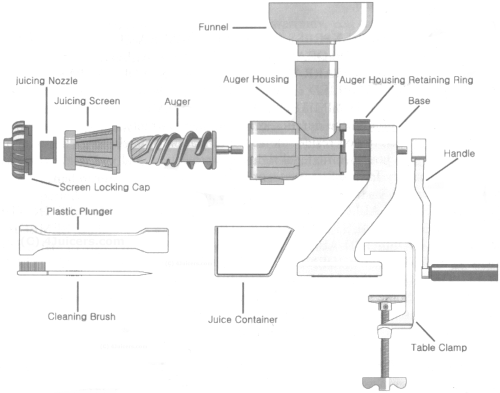
Proper cleaning after making strawberry juice preserves your juicer’s performance and extends its lifespan significantly.
Immediate post-juicing cleaning prevents dried-on pulp. Disassemble your juicer right after use while components are still moist—strawberry residue becomes difficult to remove once dried. Rinse each part under warm running water immediately, using a soft brush to clean the mesh filter where pulp accumulates. Most juicer components are top-rack dishwasher safe, but hand washing with mild dish soap preserves rubber seals and plastic parts longer.
Weekly deep cleaning maintains optimal performance. Soak removable parts in warm, soapy water for 10-15 minutes to loosen stubborn residue, then scrub with appropriate brushes. Pay special attention to the mesh filter and any crevices where strawberry seeds might lodge. For persistent buildup, a solution of equal parts water and white vinegar effectively dissolves organic residue without damaging components. Always dry parts completely before reassembly to prevent mold growth.
Regular maintenance prevents costly repairs. Check manufacturer recommendations for lubricating moving parts—some juicers require occasional food-grade lubricant on gears or augers. Inspect blades and screens for wear; replace parts as needed rather than waiting for complete failure. Store your juicer with all parts properly assembled to maintain alignment and prevent damage to delicate components.
Storage Guidelines for Maximum Freshness
Proper storage techniques preserve both the flavor and nutritional value of your freshly made strawberry juice.
Refrigeration extends short-term usability. Store juice in airtight glass containers filled to the top to minimize oxygen exposure, which degrades nutrients and flavor. Properly stored, fresh strawberry juice maintains quality for 24-48 hours in the refrigerator. Always label containers with the preparation date—after 48 hours, noticeable flavor degradation occurs as delicate compounds break down. For best results, consume within 24 hours when possible.
Freezing preserves juice for future enjoyment. Leave one to two inches of headspace in containers (liquid expands when frozen) and label with contents and date. Frozen strawberry juice maintains quality for three to six months. Thaw overnight in the refrigerator and consume within 24 hours of thawing. While freezing slightly affects texture, frozen juice works perfectly in smoothies or as a base for sauces and dressings.
Recognize signs of spoilage immediately. Discard juice showing off odors, mold growth, fermentation bubbles, or unusual flavors. Fresh strawberry juice should have a bright red color and sweet-tart aroma—any sour or fermented smell indicates spoilage. When in doubt, throw it out—food safety should never be compromised for the sake of saving a small amount of juice.
Fresh strawberry juice made with your own hands delivers unparalleled flavor and nutritional benefits compared to store-bought alternatives. By selecting the right juicer, preparing berries properly, and following these proven techniques, you’ll consistently create vibrant, delicious strawberry juice that captures the essence of summer in every glass—whether enjoyed as a refreshing beverage, incorporated into recipes, or shared with family and friends.