Your citrus juicer shouldn’t collect dust in the cabinet after squeezing the occasional lemon for fish. With the right recipes and techniques, your machine can transform everyday citrus into vibrant drinks that boost immunity, enhance meals, and impress guests. Whether you have a manual reamer or electric centrifugal juicer, these 15 recipes deliver maximum flavor with minimal effort. You’ll discover how to extract every drop of juice while avoiding bitter pith, create refreshing combinations that go beyond basic orange juice, and even use citrus in surprising ways that extend your juicer’s versatility year-round.
Most home cooks underestimate their citrus juicer’s potential, using it only for morning orange juice before it gets buried in the kitchen cabinet. Properly utilized, your juicer can produce 30% more juice with less effort while creating everything from immunity-boosting morning tonics to cocktail mixers that elevate your entertaining. This guide reveals professional techniques for selecting perfectly ripe citrus, preparing fruit for maximum yield, and combining flavors that complement rather than compete. You’ll learn why room-temperature fruit yields 25% more juice, how to prevent bitter notes from the pith, and which citrus varieties work best with different juicer types.
Perfect Citrus Selection Techniques for Maximum Juice Yield

How to Identify Peak-Ripe Citrus at the Grocery Store
Choose citrus that feels heavy for its size—this indicates higher juice content rather than dried-out fruit. Oranges and grapefruits should have firm, smooth skin without soft spots or blemishes. Lemons and limes with slightly textured skin typically contain more juice than perfectly smooth specimens. Give fruits a gentle squeeze; they should yield slightly but not feel mushy. Avoid fruits with visible bruising or punctures that compromise juice quality.
Room Temperature vs. Cold Citrus: The 25% Juice Difference
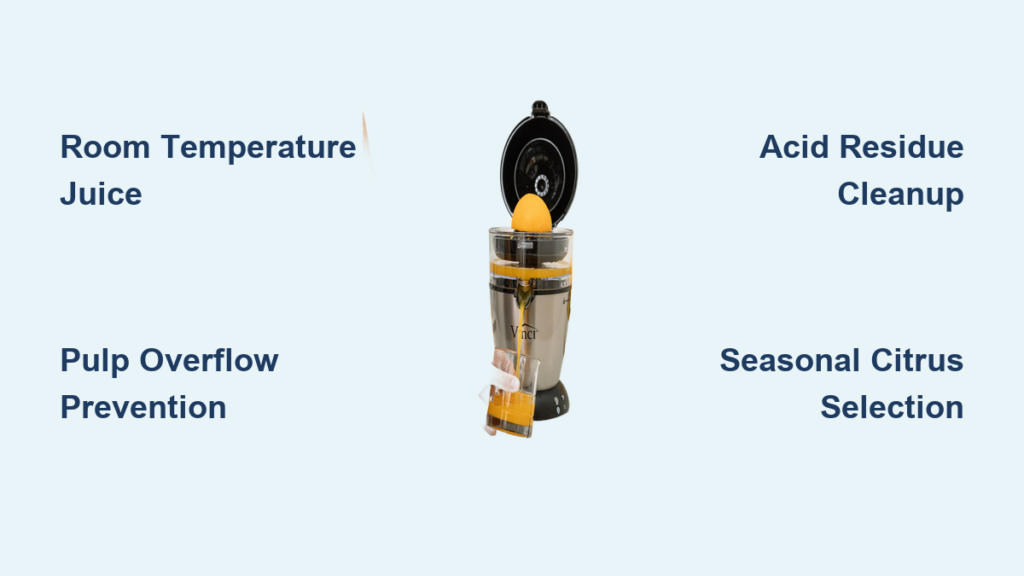
Never juice refrigerated citrus directly—cold temperatures cause membranes to contract, trapping juice inside. Allow fruits to reach room temperature for 30-60 minutes before juicing. This simple step increases yield by up to 25% while reducing strain on your juicer motor. For quick warming, roll cold citrus firmly on your countertop with your palm, applying pressure to break down internal membranes without damaging the peel.
Microwave Trick for Stubborn Dry Citrus
When perfectly ripe citrus isn’t available, revive slightly dry fruit by microwaving for 10-15 seconds. This gentle warming mimics room temperature benefits without cooking the fruit. Test with one piece first—overheating creates bitter flavors. Always cut fruits in half before microwaving to prevent explosions from built-up pressure in the membranes.
5 Essential Single-Fruit Citrus Juices Done Right

Perfect Morning Orange Juice Without the Pulp Mess
Juice navel oranges at peak season (December-March) for naturally sweet, pulpy-free results. Cut oranges crosswise (not stem-to-stem) to expose maximum juice vesicles. For smooth juice, use your juicer’s fine strainer. If your model lacks straining options, pour freshly extracted juice through a fine-mesh sieve, pressing gently with a spoon—never stir vigorously which releases bitter pith compounds.
Ruby Red Grapefruit Juice That’s Actually Sweet
Choose deep red-fleshed varieties like Rio Red or Star Ruby for naturally sweeter juice requiring less added sweetener. Remove the white pith completely before juicing—this bitter membrane concentrates in grapefruit more than other citrus. Add a pinch of salt to neutralize bitterness without adding calories. Best consumed within 20 minutes to preserve antioxidant compounds that degrade quickly.
7 Creative Citrus Juice Combinations
Immunity-Boosting Lemon-Ginger Shot
Juice 2 organic lemons (thoroughly washed) and 1-inch fresh ginger root through your juicer’s smallest feed chute. The centrifugal force extracts ginger juice more efficiently than grating. Mix with 1 teaspoon raw honey while still cold. Store in 2-ounce glass bottles in the refrigerator for up to 48 hours. Drink immediately after extraction for maximum vitamin C benefits.
Summer Refresher: Grapefruit-Mint Sparkler
Juice 1 pink grapefruit and add 8 fresh mint leaves directly into the juice container. Let steep for 15 minutes before straining. Pour over ice and top with sparkling water in a 2:1 ratio. The mint’s essential oils infuse better in freshly extracted juice than when muddled, preserving bright flavor without bitterness.
Holiday Cranberry-Orange Cocktail Mixer
Combine 2 cups fresh orange juice with 1 cup cranberry juice through your juicer (using the larger feed chute for whole cranberries). Add 1 cinnamon stick and orange peel strips during extraction for subtle spice notes. This vibrant mixer stays fresh in the refrigerator for 3 days and makes an impressive base for holiday cocktails without artificial ingredients.
3 Unexpected Non-Drink Citrus Juicer Applications
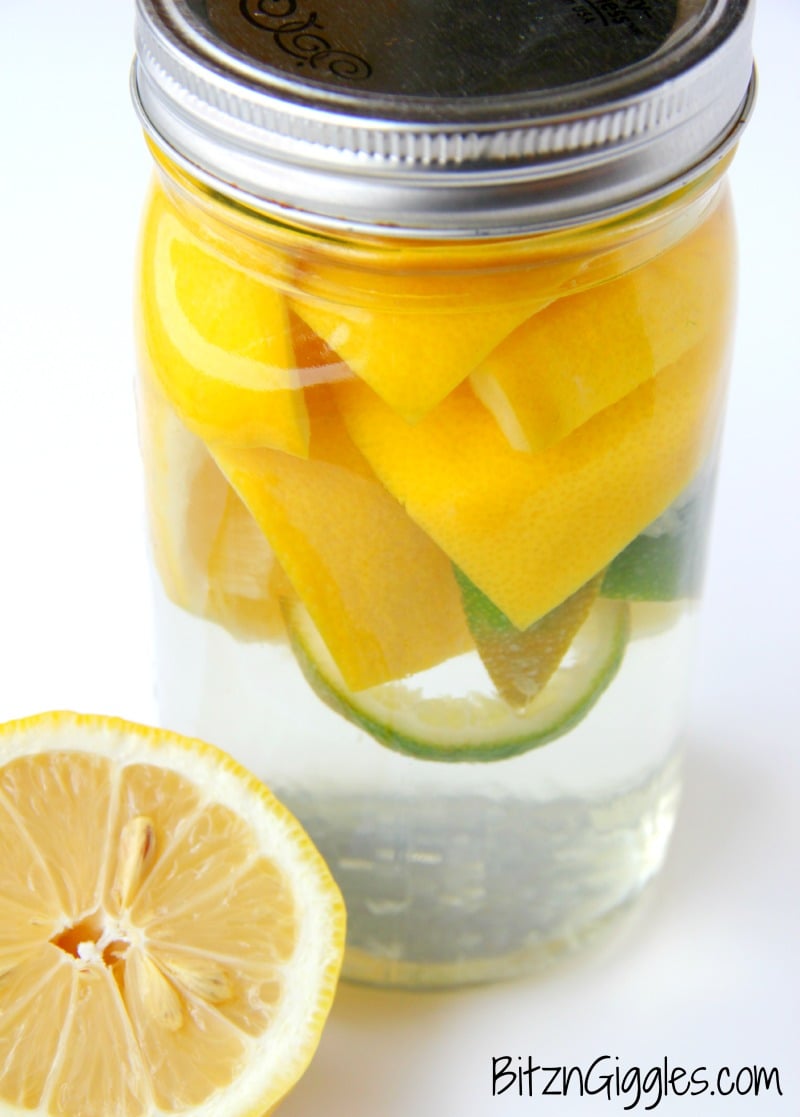
Fresh Citrus Vinegar for Gourmet Salads
Fill your juicer with lemon and lime halves, then pour high-quality white wine vinegar over the fruit during extraction. The machine efficiently separates juice from solids while infusing vinegar with bright citrus notes. Store in airtight bottles away from light for 2 weeks before using in vinaigrettes. This technique produces more consistent results than stovetop infusion methods.
Citrus-Infused Salt for Finishing Dishes
Juice 3 lemons, then spread 1 cup coarse sea salt on a baking sheet. Drizzle fresh lemon juice evenly over the salt and let dry at room temperature for 24 hours. Break up clumps and store in an airtight container. The natural citric acid enhances the salt’s flavor-carrying properties while adding subtle brightness to grilled fish or roasted vegetables.
Citrus Juicer Maintenance Mistakes That Shorten Machine Life
The Pulp Overflow Danger You’re Ignoring
Never let pulp containers fill beyond ¾ capacity—overflowing pulp strains the motor and creates electrical hazards in electric models. For continuous juicing sessions, stop every 3-4 fruits to empty the pulp basket. This 10-second pause prevents costly motor burnout and maintains consistent extraction pressure for maximum yield.
Acidic Juice Residue: The Silent Corrosion Culprit
Citrus acids eat away at metal components when left uncleaned. Disassemble all removable parts immediately after juicing and rinse under warm water before acids set. Use a soft brush on mesh filters—never metal scrubbers that damage protective coatings. For stubborn residue, soak parts in equal parts water and white vinegar for 15 minutes before rinsing.
Year-Round Citrus Buying Guide by Season
Winter (December-February)
Prioritize blood oranges for their striking color and berry-like flavor. Navel oranges reach peak sweetness during these months with minimal acidity. Meyer lemons appear in late winter with their distinctive thin skin and floral notes perfect for delicate recipes.
Spring (March-May)
Look for ripe Cara Cara oranges with their pink flesh and complex flavor profile. Early Valencia oranges begin appearing in April with higher juice content than navels. Key limes become more abundant for authentic margarita juice.
Summer (June-August)
Choose seedless Persian limes for consistent juicing results. Ruby Red grapefruit peaks in summer with optimal sweetness. Tangerines and clementines become available late summer for unique juice blends.
Fall (September-November)
Valencia oranges dominate with exceptional juicing qualities. Early blood oranges appear in November. Pomelos become available for mild, refreshing juice with lower acidity.
Final Note: Rotate through these seasonal citrus juicer recipes to enjoy peak flavor year-round while extending your machine’s lifespan. Remember to always use room-temperature fruit for maximum yield, clean your juicer immediately after each use, and experiment with unexpected combinations beyond basic orange juice. When stored properly in airtight containers away from light, fresh citrus juice maintains 80% of its vitamin C content for up to 72 hours—though flavor is always best when consumed immediately. Share your favorite citrus creations with friends and watch your juicer transform from occasional appliance to kitchen essential.