There’s nothing quite like the taste of fresh homemade grape juice, but traditional juicing methods often leave you with bitter tannins and wasted pulp. Steam juicers solve these problems by gently extracting pure juice while preserving flavor and nutrients. If you’ve ever struggled with cloudy juice, inconsistent yields, or bitter aftertastes from your home grape harvest, a steam juicer could be your solution. This specialized equipment uses steam to break down fruit cell walls without grinding seeds or skins that create bitterness.
Making grape juice with a steam juicer produces noticeably clearer, sweeter juice compared to other methods because the steam gently releases juice without crushing seeds that release tannins. The process takes advantage of natural fruit enzymes that activate at specific temperatures, maximizing your juice yield while maintaining that perfect balance of sweet and tart flavors characteristic of fresh grapes. Whether you’re working with Concord, Niagara, or other varieties from your backyard vines, this method consistently delivers professional-quality results with minimal effort.
By the end of this guide, you’ll know exactly how to prepare your grapes, set up your steam juicer correctly, monitor the critical temperature ranges, and store your juice for year-round enjoyment. You’ll also learn common mistakes that ruin juice clarity and flavor—mistakes most beginners make without realizing it.
Selecting and Preparing Your Grapes for Steam Juicing
Why Grape Variety Matters for Juice Quality
Not all grapes create equally delicious juice. Concord grapes remain the gold standard for steam juicing due to their thick skins and perfect sweet-tart balance that intensifies when heated. Avoid using table grapes like Thompson Seedless, which lack the complex flavor compounds needed for vibrant juice. If harvesting from your vines, wait until grapes reach full maturity when they easily slip from the stems with a gentle twist. Underripe grapes yield thin, overly tart juice that requires excessive sweetening.
Proper Grape Washing and Stem Removal Techniques
Before processing, sort through your grapes to remove any moldy or damaged fruit that could spoil your entire batch. Fill a large container with cool water and gently swish grapes to dislodge dirt and insects—never soak them as this dilutes flavor. Use kitchen shears to quickly remove stems while leaving the fruit intact; crushing grapes during destemming releases bitter compounds. Work in small batches to prevent bruising, and never use warm water which damages delicate skins. For small home harvests, the “towel roll method” works wonders: spread grapes on a clean towel, roll gently to separate stems, then lift the towel to collect clean fruit.
Steam Juicer Setup and Operation Essentials

Correct Assembly Sequence for Optimal Performance
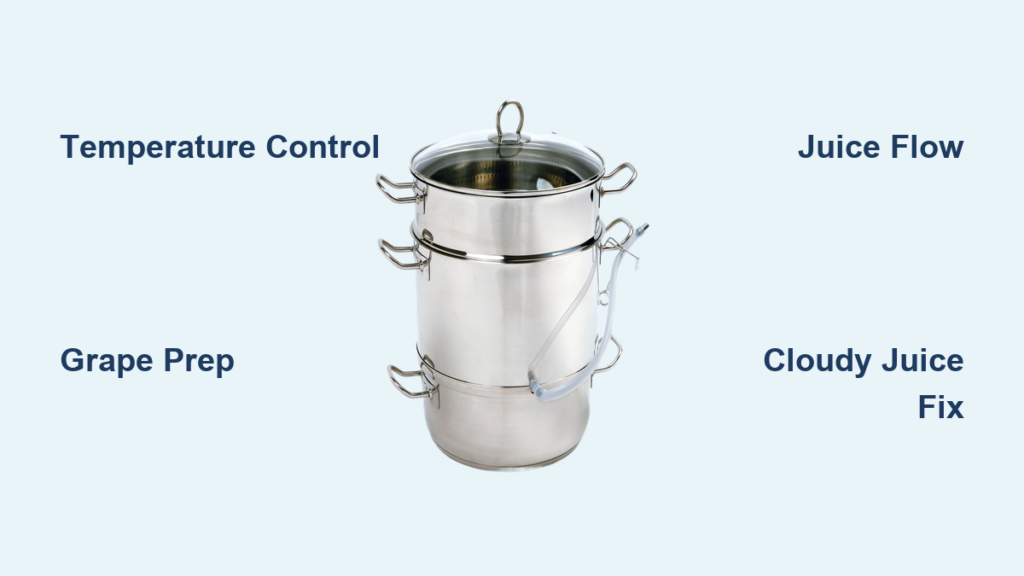
Your steam juicer has three critical components that must be assembled in precise order: the boiling chamber, juice collection bowl, and fruit basket. Start by filling the base with water to the manufacturer’s marked line—typically 1-2 inches below the steam vent. Place the collection bowl on top, ensuring the spout aligns with the opening. Finally, add the perforated fruit basket and secure the lid with the rubber gasket properly seated. A common mistake that causes poor extraction is overfilling the water chamber, which leads to boiling over into your juice.
Temperature Control: The Secret to Maximum Juice Yield

Maintaining 180-190°F steam temperature throughout the process creates ideal juice extraction without cooking the fruit. Higher temperatures cause pectin breakdown that creates cloudy juice, while lower temperatures leave valuable liquid trapped in the fruit. Use a clip-on thermometer to monitor water temperature in the base chamber. When the water reaches a gentle simmer (not a rolling boil), add your grapes to the top basket. The first few drops should appear within 15-20 minutes—if it’s taking longer, increase heat slightly. Properly heated grapes will collapse completely within 45-60 minutes, signaling extraction is complete.
Troubleshooting Common Steam Juicing Problems
Why Your Grape Juice Isn’t Flowing Properly
If juice stops flowing before grapes are fully processed, check these three critical points: water level in the base (top up with boiling water if low), steam vent blockage (clean with a pipe cleaner), and fruit basket packing density (overpacking restricts steam flow). Never let the base boil dry as this warps the unit and creates dangerous steam pressure. For stubborn blockages, briefly remove the fruit basket while keeping the heat on to clear the steam path, then return grapes and continue processing.
Fixing Cloudy or Bitter-Tasting Juice
Cloudiness usually indicates either excessive heat during processing or improper settling. Immediately after juicing, pour hot juice through a fine-mesh strainer lined with cheesecloth to remove any stray particles. Let juice settle undisturbed for 24 hours in the refrigerator before bottling—this allows sediment to separate naturally. Bitterness typically comes from crushed seeds; ensure you’re using whole grapes and not overprocessing. If bitterness persists, add 1/4 teaspoon of calcium carbonate per gallon during processing to neutralize tannins without affecting flavor.
Maximizing Your Juice Yield and Quality
The Critical Processing Time Window
Timing is everything when steam juicing grapes. Under-processing leaves valuable juice trapped in the fruit, while over-processing extracts bitter compounds from seeds. Watch for these visual cues: grapes should appear completely collapsed but not disintegrated, with skins still recognizable but very soft. Most varieties reach perfect extraction in 50-70 minutes. Test by gently squeezing a grape—it should release no additional liquid. If you’re juicing multiple batches, process them consecutively without cooling the unit to maintain consistent temperature.
Sweetening and Flavor Enhancement Techniques
Adjust sweetness after juicing when you can accurately taste the final product. For every gallon of juice, start with 1-2 cups of sugar dissolved in a small amount of hot juice, then blend back into the main batch. Honey or maple syrup work well for alternative sweeteners but add distinct flavors. To enhance natural grape notes, add a squeeze of lemon juice (1 tablespoon per gallon) which brightens flavor without making it taste citrusy. Never add sweeteners before juicing as this interferes with the steam extraction process and creates inconsistent results.
Proper Storage and Preservation Methods
Safe Canning Procedures for Long-Term Storage
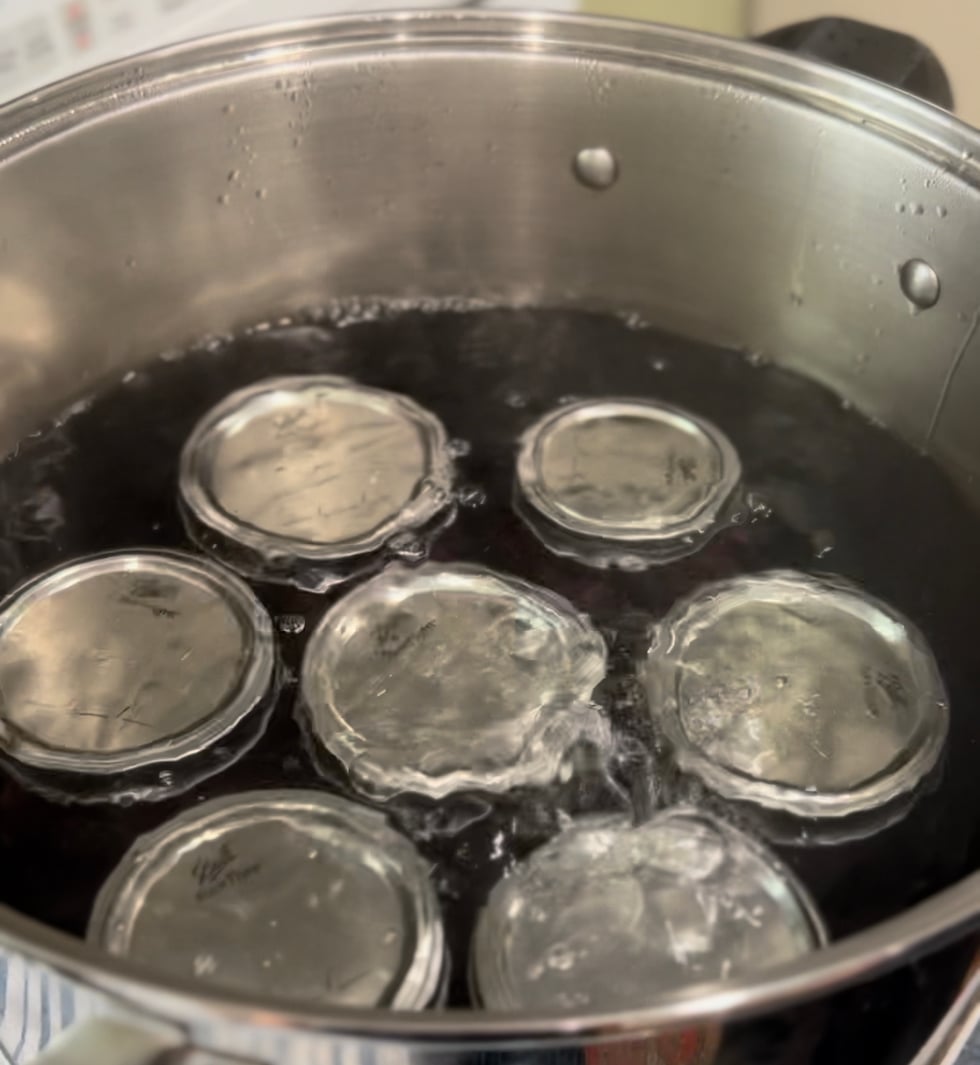
To safely preserve your grape juice, process filled jars in a boiling water bath for 10 minutes (adjust for altitude). Use only tested canning jars with new lids—recycled jars risk seal failure. Fill jars leaving 1/4-inch headspace to allow for expansion. After processing, check seals by pressing the center of each lid; it should not flex up and down. Properly canned juice maintains peak flavor for 12-18 months when stored in a cool, dark place. Refrigerate opened jars and consume within 7-10 days.
Freezing as an Alternative Preservation Method
Freezing preserves more fresh flavor than canning but requires proper technique. Cool juice completely before pouring into freezer-safe containers, leaving 1-inch headspace for expansion. Glass jars work well if you leave adequate space and freeze juice gradually (start upright in refrigerator, then move to freezer). For convenient portioning, freeze juice in ice cube trays first, then transfer cubes to heavy-duty freezer bags. Frozen grape juice maintains excellent quality for 24 months and thaws quickly for immediate use.
Cleaning and Maintaining Your Steam Juicer
Immediate Post-Use Cleaning Protocol
Disassemble your steam juicer while components are still warm (not hot) for easiest cleaning. Soak all parts in warm, soapy water for 15 minutes before scrubbing—never use abrasive cleaners that scratch surfaces. Pay special attention to the steam vent tube and juice spout where residue builds up. For stubborn deposits, use a 50/50 vinegar-water solution and let it sit for 30 minutes before rinsing thoroughly. Proper cleaning prevents mineral buildup that affects performance in future uses.
Seasonal Maintenance for Long Equipment Life
After your final juicing session of the season, perform a deep cleaning with a dedicated appliance cleaner to remove any hidden residue. Completely dry all components before storage to prevent mold growth. Store the unit fully assembled with a moisture-absorbing packet inside to protect against humidity damage. Check rubber gaskets annually for cracks or hardening, replacing them before they fail during use. With proper care, a quality steam juicer will last 10-15 years of reliable service.
Final Note: Making grape juice with a steam juicer transforms your harvest into crystal-clear, intensely flavorful juice with minimal effort once you master the temperature control and timing. The key to success lies in maintaining that critical 180-190°F temperature range while watching for visual cues that extraction is complete. By following these precise techniques, you’ll consistently achieve professional-quality results that showcase the true essence of your grapes. Properly stored, your homemade juice will bring summer’s harvest to your table all year long—just remember to leave adequate headspace when canning and always check seals before storage.