That vibrant green wheatgrass shot you see at health food stores isn’t magic—it’s the result of proper technique and the right equipment. If you’ve ever tried juicing wheatgrass at home only to end up with disappointing results, you’re not alone. Many beginners make critical mistakes that waste precious greens and leave them with watery, weak-tasting juice. The good news is that with the right approach, you can extract up to 30% more juice from the same amount of wheatgrass. Whether you’re using a high-end masticating juicer or troubleshooting why your centrifugal model struggles with fibrous greens, this guide delivers proven methods to transform your wheatgrass juicing experience from frustrating to flawless.
Why Your Wheatgrass Juice Comes Out Watery and Weak
The most common complaint from new wheatgrass juicers is watery, diluted juice with minimal nutritional punch. This happens primarily because wheatgrass contains tough cellulose fibers that resist extraction, especially with improper preparation or unsuitable equipment. Unlike fruits and vegetables with high water content, wheatgrass requires specific handling to break down its fibrous structure effectively. When you feed whole, unprepared wheatgrass into your machine, the juicer can’t fully penetrate these dense fibers, leaving valuable nutrients trapped in the pulp. Understanding this fundamental challenge is the first step toward dramatically improving your juice quality and yield.
How to Properly Prepare Wheatgrass Before Juicing
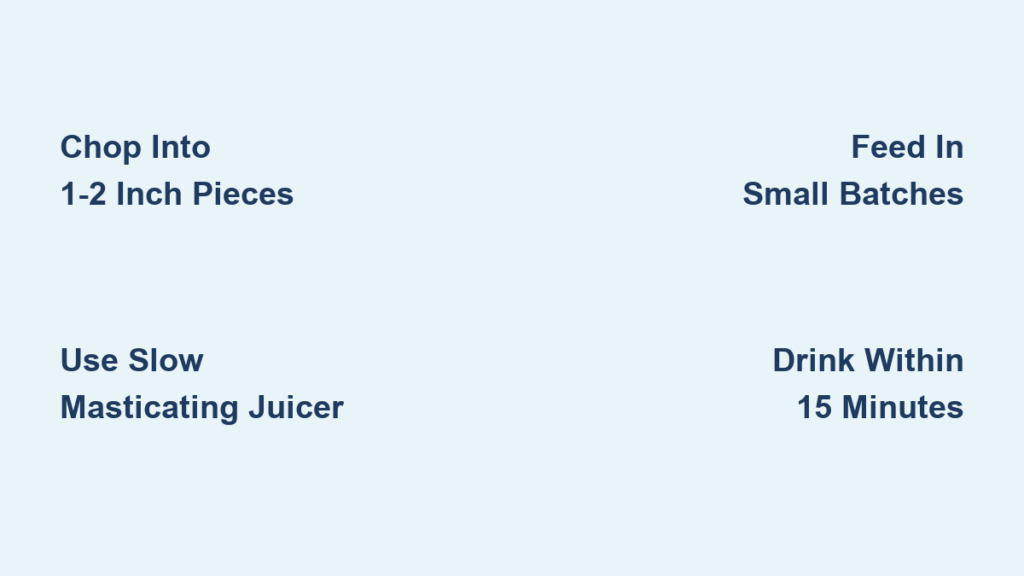
Chop wheatgrass into 1-2 inch segments using kitchen shears—this critical step dramatically increases juice extraction. Whole wheatgrass stalks tend to slide through juicers without proper breakdown, especially in centrifugal models. Cutting creates more surface area for the juicer to work on, allowing for more thorough fiber breakdown. After harvesting or purchasing fresh wheatgrass, rinse thoroughly under cool running water to remove soil particles that could damage your juicer’s mechanism. Gently shake off excess water but don’t completely dry—some moisture helps the juicing process. For best results, juice immediately after preparation as wheatgrass begins losing nutrients within minutes of cutting.
Why Your Centrifugal Juicer Struggles With Wheatgrass
Centrifugal juicers spin at high speeds (typically 3,000-16,000 RPM) that generate heat and oxidation, which is problematic for delicate wheatgrass nutrients. These fast-spinning blades work well for hard produce like apples and carrots but often fail to fully extract juice from fibrous wheatgrass. The rapid spinning tends to shred rather than crush wheatgrass, leaving significant moisture in the pulp. If you’re committed to using a centrifugal model, feed wheatgrass through the juicer at a slow, steady pace—forcing too much at once overwhelms the mechanism. Consider investing in a specialized wheatgrass juicing attachment if available for your model, as these narrow feed chutes help compress the grass more effectively.
Masticating Juicers: The Gold Standard for Wheatgrass Extraction
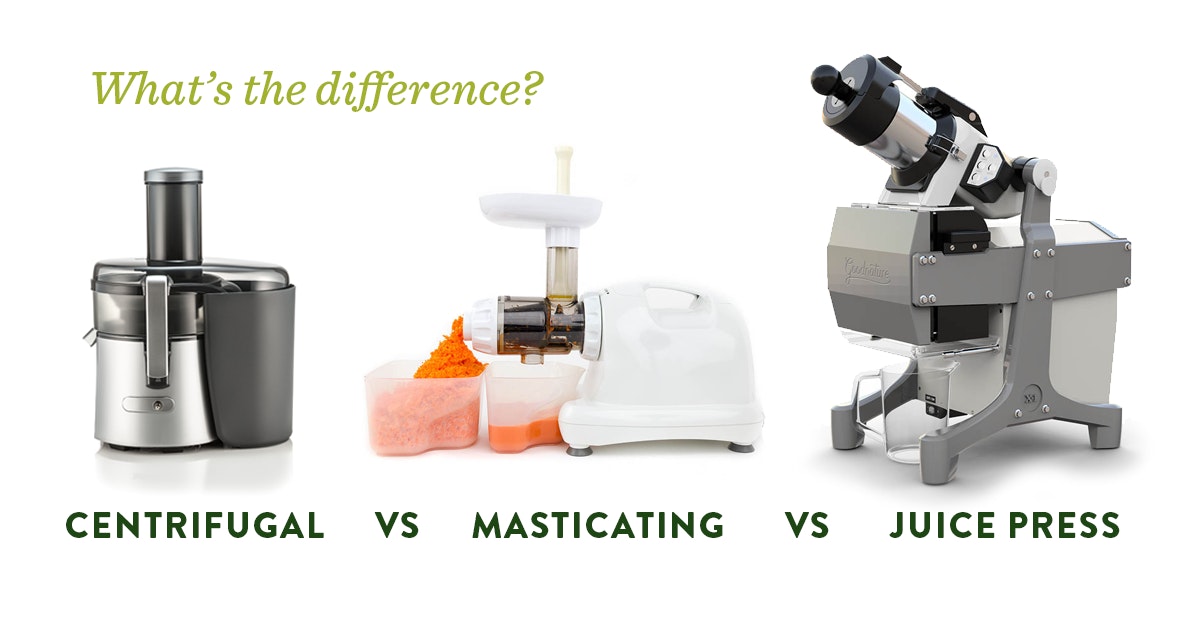
Masticating (cold-press) juicers operate at much slower speeds (typically 40-160 RPM), using an auger to crush and press produce against a fine mesh screen. This gentle, thorough extraction process makes them ideal for wheatgrass, yielding up to 30% more juice than centrifugal models while preserving heat-sensitive nutrients. The slow mastication process breaks down wheatgrass fibers more completely, resulting in thicker, more vibrant green juice with higher chlorophyll content. When using a masticating juicer for wheatgrass, feed the chopped grass in small, consistent batches rather than overloading the chute. The first few passes may seem slow, but this method ensures maximum extraction.
Step-by-Step: Perfect Wheatgrass Juice with a Masticating Juicer
- Prep your juicer with the wheatgrass screen if your model includes a specialized attachment (many do)
- Feed 3-5 stalks at a time through the chute, using the pusher to apply steady pressure
- Pause briefly between batches to allow the mechanism to clear and prevent clogging
- Collect juice immediately in a small glass or shot glass—wheatgrass juice oxidizes quickly
- Run a small apple or cucumber through afterward to clean residual pulp from the screen
This method typically yields 1-2 ounces of concentrated wheatgrass juice from 2-3 ounces of fresh wheatgrass. The juice should have a thick, almost syrupy consistency—not watery—and a vibrant emerald green color. If your juice appears pale or thin, you’re likely not extracting fully or using insufficiently mature wheatgrass.
Troubleshooting Common Wheatgrass Juicing Problems

Problem: Wheatgrass clogs the juicer chute
Solution: Chop grass into smaller 1-inch pieces and feed more slowly. For masticating juicers, try mixing a small amount of leafy greens like spinach to help lubricate the process.
Problem: Juice has a bitter, unpleasant taste
Solution: Harvest wheatgrass at the optimal 7-10 day growth stage when flavor is sweetest. Older wheatgrass develops stronger, more bitter compounds. Adding a small slice of green apple during juicing can balance flavor without diluting.
Problem: Low juice yield despite proper prep
Solution: Check wheatgrass maturity—juice is best extracted when grass reaches 7-8 inches tall with a second blade visible. Overly young or mature grass yields less. Also ensure your juicer screen isn’t clogged with previous pulp.
Essential Post-Juicing Practices for Maximum Benefits
Wheatgrass juice begins oxidizing the moment it’s extracted, losing valuable nutrients rapidly. Consume your juice within 15 minutes for maximum nutritional benefit—this isn’t just advice, it’s chemistry. Pour through a fine-mesh strainer to catch any remaining pulp fibers that could irritate your digestive system. Drink slowly, holding each sip in your mouth for 10-15 seconds to activate enzymatic digestion before swallowing. For best results, consume on an empty stomach first thing in the morning, waiting 20-30 minutes before eating anything else to allow for optimal nutrient absorption.
Cleaning Your Juicer After Wheatgrass Processing
Wheatgrass leaves behind stubborn green residue that can stain and damage your juicer if not cleaned properly. Disassemble all parts immediately after juicing while components are still moist—dried wheatgrass pulp becomes extremely difficult to remove. Soak the screen, auger, and other components in warm, soapy water for 10-15 minutes before scrubbing with a soft brush. For persistent green stains, create a paste of baking soda and water, apply to affected areas, and let sit for 5 minutes before rinsing. Never use abrasive cleaners that could damage the fine mesh screens essential for proper wheatgrass extraction.
How to Store Leftover Wheatgrass Properly

While fresh is always best, you can extend wheatgrass shelf life with proper storage. Wrap unwashed wheatgrass tightly in slightly damp paper towels and store in an airtight container in the refrigerator’s crisper drawer. This method keeps wheatgrass fresh for 5-7 days. Avoid washing until just before juicing, as excess moisture accelerates spoilage. For longer storage, cut wheatgrass into juicing-sized pieces, spread on a baking sheet, and freeze before transferring to an airtight container—this flash-freezing method preserves nutrients for up to 3 months, though fresh is always preferable for maximum enzyme activity.
Why Double-Juicing Wheatgrass Boosts Nutrient Density
For serious enthusiasts seeking maximum extraction, run your initial pulp through the juicer a second time with a small amount of water or apple juice. This technique can yield an additional 15-20% juice from the same wheatgrass, though the second pass will be slightly less concentrated. The key is to moisten the dry pulp slightly before reintroducing it to the juicer—completely dry pulp won’t extract well. While purists argue this dilutes potency, the additional nutrients recovered often outweigh this minor concern, especially when using expensive, organic wheatgrass.
Wheatgrass Juice Timing and Consumption Best Practices
The optimal time to drink wheatgrass juice is 20-30 minutes before breakfast on an empty stomach. This timing allows for maximum absorption of chlorophyll and nutrients without competing with other foods. Start with small 1-ounce servings if you’re new to wheatgrass, gradually increasing to 2-4 ounces as your body adjusts. Avoid mixing with other juices initially—wheatgrass has a potent detoxifying effect that can cause nausea when combined with other substances in sensitive individuals. Wait at least 20 minutes after consumption before eating or drinking anything else to allow full absorption.
Final Pro Tips: Always choose vibrant green wheatgrass with no yellowing tips for peak nutrition. Store your juice in a dark glass container if you must wait to drink it—light accelerates nutrient degradation. Keep a small bowl of coconut oil nearby; a teaspoon after drinking helps bind fat-soluble nutrients for better absorption. With these techniques, you’ll transform your wheatgrass juicing from a frustrating chore into a reliable source of potent, nutrient-dense green vitality that makes the commercial versions taste watered down by comparison.