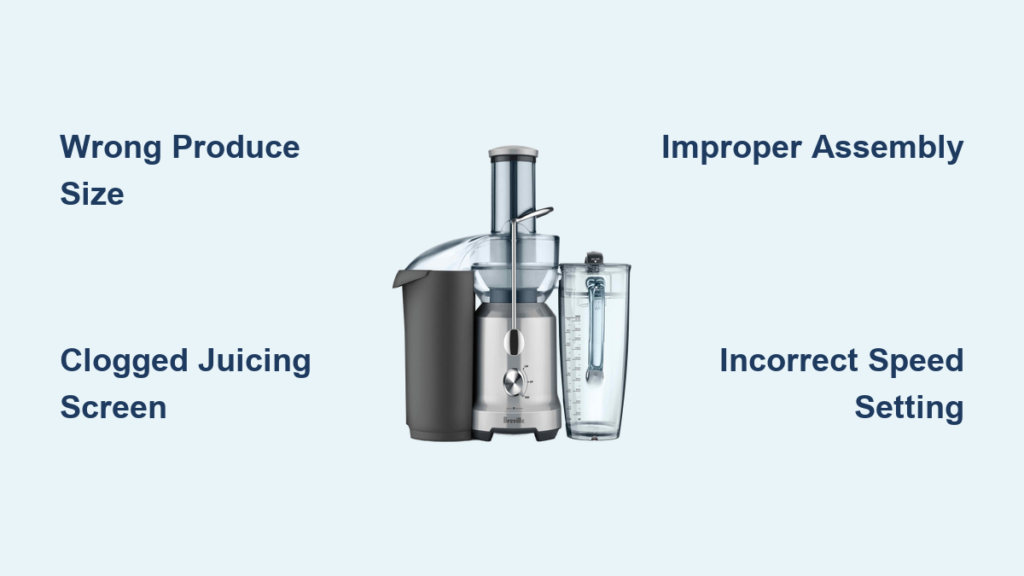
You’ve invested in a Breville juicer expecting fresh, nutrient-packed juices at home, but lately it’s struggling to extract juice efficiently. Instead of vibrant liquid pouring from the spout, you’re getting more pulp than juice, leaving you frustrated and wondering if your expensive appliance is broken. Poor juice extraction is one of the most common complaints among Breville juicer owners, with many users reporting they’re getting significantly less juice than expected despite using quality produce. The good news is that in most cases, this isn’t a sign of permanent damage but rather a fixable issue related to usage, maintenance, or simple adjustments. This guide will walk you through the most common reasons your Breville juicer isn’t juicing well and provide practical, step-by-step solutions to restore its peak performance.
Incorrect Produce Preparation Causing Poor Extraction
How Fruit and Vegetable Size Affects Juice Yield
The size and shape of your produce significantly impacts how efficiently your Breville juicer can extract juice. When ingredients are too large or irregularly shaped, they can’t properly feed into the juicing mechanism, resulting in incomplete processing. Hard vegetables like carrots and beets need to be cut into 1-inch chunks rather than long sticks to prevent jamming and ensure consistent pressure against the juicing screen. Leafy greens require an entirely different approach—you must roll them tightly into “cigarette” shapes and follow with a denser fruit like apple to push them through the system effectively. Skipping this preparation step is one of the top reasons users experience disappointing juice yields despite having a high-performance machine.
Temperature Matters More Than You Think
Many users don’t realize that produce temperature dramatically affects juice extraction. Cold fruits and vegetables straight from the refrigerator contain more rigid cellular structures that resist breaking down during juicing. For optimal results, allow your produce to reach room temperature for 20-30 minutes before juicing. This simple step softens cell walls slightly, making it easier for the juicer’s centrifugal force to separate liquid from pulp. Tropical fruits like pineapple particularly benefit from this—cold pineapple yields noticeably less juice than fruit at room temperature. If you’re in a hurry, cut cold produce into smaller pieces to compensate for the temperature difference.
Clogged Juicing Screen Reducing Efficiency
Identifying Partial Screen Blockages
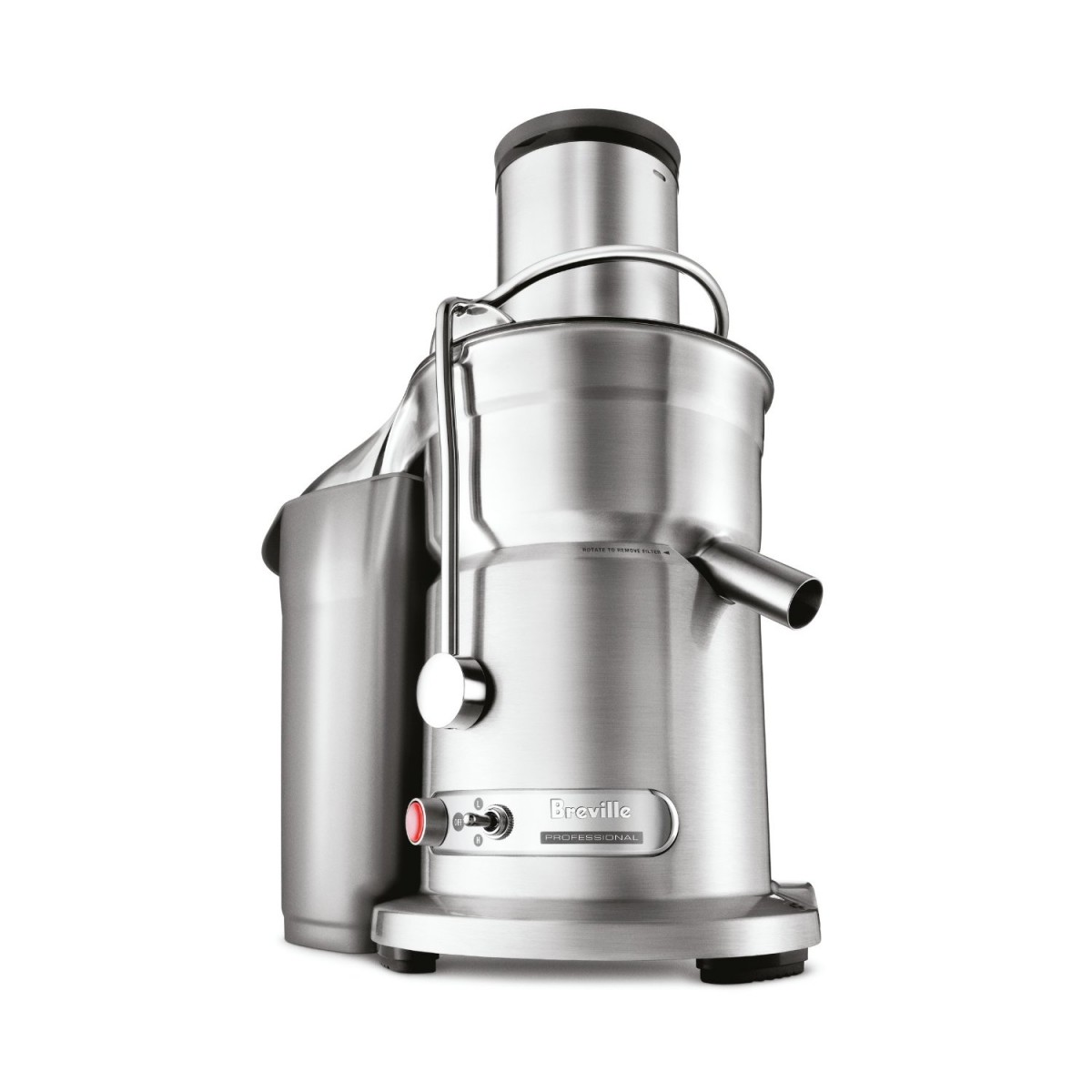
A partially clogged juicing screen is the silent killer of juice extraction performance. While complete blockages stop juice flow entirely, partial clogs are sneakier—they allow some juice through while significantly reducing yield. Look for these telltale signs: juice flowing only from certain sections of the spout, increased pulp moisture (dripping wet pulp indicates poor extraction), or unusual vibration during operation. The fine mesh of Breville juicer screens can become obstructed by fibrous materials like celery strings, wheatgrass fibers, or even minute particles from over-processed leafy greens. These micro-clogs restrict liquid passage while allowing pulp to move through, sending precious juice straight to the waste bin.
Proper Screen Cleaning Technique for Maximum Flow
Most users clean their juicer screens but do it incorrectly, leaving behind residue that accumulates over time. The critical step many miss is cleaning from the OUTSIDE of the screen inward. Always use the provided cleaning brush (or a soft toothbrush) to scrub from the exterior surface toward the interior—this pushes trapped particles through rather than packing them deeper into the mesh. For stubborn clogs, soak the screen in warm, soapy water for 10 minutes before brushing. Never use metal utensils or abrasive pads that can damage the delicate mesh. After cleaning, hold the screen up to light to verify all holes are clear—any obscured openings will reduce juice yield during your next session.
Improper Assembly Compromising Performance
Alignment Issues with Juicing Components
Incorrect assembly is a surprisingly common cause of poor juice extraction that often goes undetected. The juicing screen, pulp container, and juice bowl must align perfectly for optimal hydraulic pressure during operation. If the pulp container isn’t fully locked into position, pressure leaks occur, reducing the force needed to extract every drop of juice. Similarly, if the juicing screen isn’t seated completely flat in its housing, produce slips past without proper processing. Before each use, perform this quick check: with all components assembled but before adding produce, run the juicer empty for 5 seconds. If you hear unusual rattling or see components shifting, disassemble and reassemble carefully, ensuring each part clicks securely into place.
How Container Fullness Affects Juice Extraction
The amount of pulp in your waste container directly impacts extraction efficiency as your juicing session progresses. When the pulp container becomes more than two-thirds full, back pressure builds up, reducing the machine’s ability to force liquid through the screen. This explains why many users notice decreasing juice yield as they work through larger batches. The solution is counterintuitive—stop juicing when the pulp container reaches the ½ to ⅔ mark, empty it completely, then resume. This maintains consistent pressure throughout your session. For large juicing jobs, keep two pulp containers ready (if your model allows) to minimize downtime while maintaining optimal extraction pressure.
Motor Speed Settings Misconfigured for Produce Type

Matching Speed Selection to Ingredient Density
Breville juicers feature multiple speed settings for good reason—using the wrong speed for your produce type dramatically affects juice yield. Hard produce like carrots, beets, and apples require HIGH speed to generate sufficient centrifugal force for proper extraction. Using low speed with these dense ingredients results in partially processed pulp with trapped juice. Conversely, soft fruits like watermelon, grapes, and most leafy greens perform better at MEDIUM speed—high speed literally pulverizes these delicate items too quickly, causing them to bypass proper extraction. The critical mistake many users make is using one speed setting for all ingredients rather than adjusting as they switch produce types during a session.
The Strategic Order of Processing Ingredients
What you juice first significantly impacts overall yield for the entire session. Always begin with harder, denser produce to create a solid foundation in the juicing mechanism. Start with apples or carrots, which help “prime” the system by creating optimal pressure against the screen. Follow with moderately dense vegetables like cucumber or celery. Save leafy greens and soft fruits for last, pushing them through with a final piece of harder produce. This sequence creates continuous pressure that maximizes extraction at each stage. Juicing in reverse order (starting with greens) means the machine never achieves proper pressure buildup, resulting in consistently poor yields throughout your session.
Essential Maintenance Practices for Consistent Performance
Weekly Deep Cleaning Protocol
Beyond daily cleaning, Breville juicers require weekly deep maintenance to maintain peak extraction performance. The areas most often neglected are the housing where the screen sits and the connection points between the motor base and juicing bowl. Food particles accumulate in these crevices over time, creating microscopic gaps that reduce hydraulic pressure. During your weekly maintenance, use a cotton swab dipped in white vinegar to clean all rubber gaskets and connection points. Pay special attention to the central spindle area where the screen mounts—any residue here prevents perfect alignment. This 10-minute weekly ritual prevents the gradual performance decline many users mistake for permanent damage.
When to Replace Worn Components
Even with perfect care, certain juicer components wear out over time and need replacement to maintain optimal juice extraction. The juicing screen typically lasts 1-2 years with regular use before microscopic wear reduces its effectiveness. Signs it’s time for replacement include consistently wetter pulp than when the machine was new, visible distortion in the screen mesh when held to light, or decreased juice yield despite perfect produce preparation. The rubber gaskets around container connections also degrade over time, causing subtle pressure leaks. If you’ve ruled out all other issues and still experience poor extraction, consult Breville’s parts catalog for your specific model—replacing these relatively inexpensive components often restores near-new performance.
When to Contact Breville Support
If you’ve systematically worked through all these troubleshooting steps and still experience poor juice extraction, it’s time to contact Breville directly. Before reaching out, document your process: note the specific produce types you’re using, your preparation method, speed settings, and any observations about pulp moisture content. Breville’s technical support team can often diagnose issues over the phone that aren’t obvious to users. Many performance problems turn out to be covered under warranty, especially if your machine is less than two years old. Keep your proof of purchase handy, as Breville typically requires this for warranty service. Remember that persistent extraction issues after proper troubleshooting could indicate internal component failure that requires professional service rather than user adjustment.
Properly maintained, your Breville juicer should deliver consistent, high-yield juice extraction for years. By addressing these common issues—produce preparation, screen maintenance, proper assembly, speed selection, and regular deep cleaning—you’ll maximize both the quantity and quality of juice from every session. The key insight is that poor extraction is rarely about the machine itself but rather how it’s being used and maintained. Implement these adjustments today, and you’ll likely rediscover why you invested in a Breville juicer in the first place—fresh, vibrant, nutrient-rich juice with minimal waste. For ongoing success, establish a routine that includes immediate post-use cleaning, weekly deep maintenance, and mindful produce preparation tailored to your specific model’s capabilities.