Fresh ginger juice delivers a powerful punch of flavor and potential health benefits, but extracting it effectively requires more effort than typical fruits and vegetables. The fibrous texture of ginger root presents unique challenges that can overwhelm unprepared juicers and leave you with disappointing yields. Learning the proper techniques for selecting, preparing, and processing ginger transforms this challenging root into a versatile ingredient that enhances everything from morning smoothies to savory marinades.
This guide covers everything you need to know about juicing ginger at home, from choosing the right equipment to storing your finished juice for maximum freshness. Whether you’re adding ginger juice to your wellness routine or simply exploring new culinary possibilities, mastering these techniques ensures you get the most value from every piece of ginger you process.
Select High-Quality Ginger Root That Maximizes Juice Yield
The foundation of successful ginger juicing begins with selecting rhizomes that will yield the best results. Fresh ginger root should feel firm and solid when you press it gently, with smooth skin that hasn’t developed wrinkles or dried patches. Heavy ginger for its size indicates high moisture content, which translates to better juice yields during processing. Avoid any pieces showing signs of mold, soft spots, or fermentation, as these defects will affect both safety and flavor.
The age of your ginger significantly impacts your final juice. Young ginger, sometimes called spring or baby ginger, features thinner, more tender skin and a milder, slightly sweeter flavor profile. This variety juices more easily and produces a less intense product that works well for those new to ginger juice. Mature ginger develops thicker, tougher skin with more pronounced spiciness and higher concentrations of the compounds responsible for ginger’s characteristic heat. Both types produce excellent juice, but your choice affects preparation requirements and flavor intensity.
Organic ginger is strongly recommended for juicing purposes because the concentrated nature of juice means any pesticide residues on the skin become concentrated in your final product. When organic options aren’t available, thorough washing with a vegetable brush and peeling when necessary removes surface contaminants. The extra effort protects the purity of your juice and ensures you’re consuming only the beneficial compounds ginger provides.
Choose the Best Juicer for Ginger Root Processing
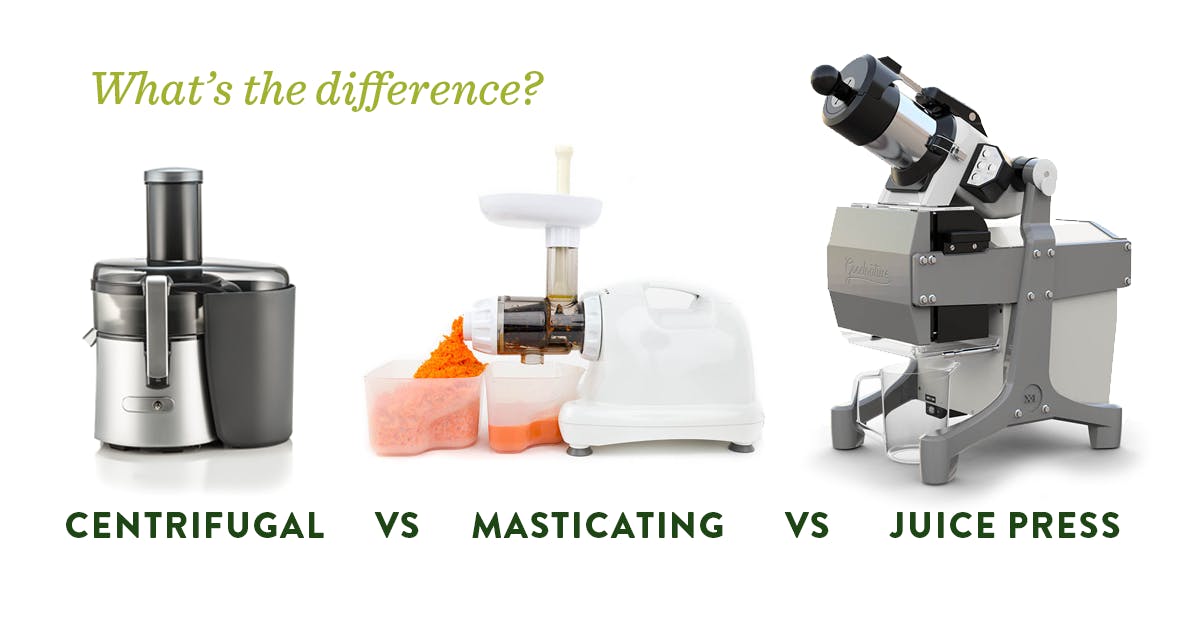
Not all juicers handle fibrous ginger equally well, and selecting appropriate equipment dramatically affects your results. Centrifugal juicers work fine for occasional ginger processing but present limitations due to ginger’s high fiber content. These machines grind ingredients against a rapidly spinning mesh filter, and the fibrous texture can clog the filter, reduce extraction efficiency, and increase cleanup requirements. If using a centrifugal juicer, process small batches at low to medium speeds and cut ginger into one-inch pieces for smoother processing.
Masticating (cold-press) juicers excel at processing ginger because their slow, grinding extraction method handles fibrous ingredients effectively. Operating at 80 to 160 revolutions per minute, these machines generate less heat and preserve more of ginger’s beneficial compounds. The auger-style mechanism breaks down ginger’s fibrous structure without the clogging issues common with centrifugal models. Horizontal masticating juicers typically outperform vertical models with ginger, as their design includes more powerful motors specifically engineered for tough, fibrous produce.
Twin-gear (triturating) juicers represent the premium option for serious ginger juicing. These machines use two interlocking gears that slowly grind and press ingredients between them, achieving the highest extraction rates and producing juice with the most complete nutrient profile. While requiring a higher initial investment, their efficiency with fibrous roots like ginger makes them invaluable for regular juicing. The superior build quality and durability also suit heavy-duty, frequent use without degradation in performance.
Why Centrifugal Juicers Struggle with Ginger Root
Centrifugal juicers spin at high speeds (typically 3,000-16,000 RPM), which creates heat that can degrade some of ginger’s beneficial compounds. The rapid spinning also causes ginger fibers to wrap around the blade assembly, leading to frequent clogs. To minimize these issues when using a centrifugal model:
- Cut ginger into small, uniform pieces (no larger than 1 inch)
- Process ginger in small batches (3-4 pieces at a time)
- Alternate ginger with high-moisture fruits like apples to maintain consistent feeding
- Run the juicer at the lowest speed setting to reduce heat generation
Prepare Ginger for Juicing to Prevent Equipment Clogs
Proper preparation dramatically affects extraction efficiency and equipment longevity. Start by rinsing ginger root thoroughly under cool running water, using a soft vegetable brush to scrub the surface, particularly in the crevices between knobby sections. For conventionally grown ginger, a five-minute soak in a solution of one part white vinegar to three parts water helps remove pesticide residues, followed by thorough rinsing with clean water.
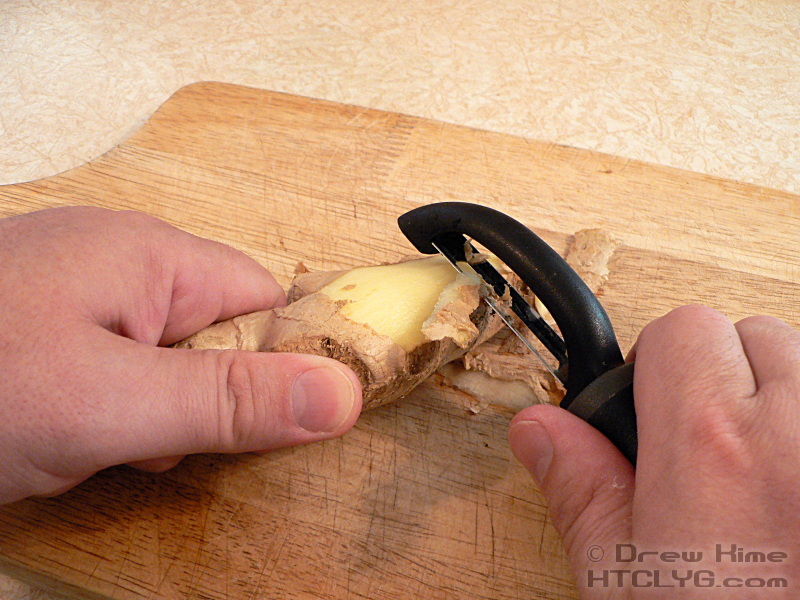
Deciding whether to peel ginger depends on the root’s age and your equipment type. Young ginger often benefits from leaving the skin intact since it contains beneficial compounds and adds fiber. Mature ginger with thicker, tougher skin may impart bitter notes, making peeling advisable. A simple vegetable peeler or the edge of a spoon effectively removes the thin outer layer. Whatever your choice, consistency matters since mixed preparations can produce uneven extraction.
Cutting ginger into appropriate sizes ensures smooth processing without straining your equipment. Pieces no larger than one to two inches feed through most juicers efficiently. For masticating and twin-gear juicers, longer continuous pieces often feed more smoothly than small cubes, which may require pushing or packing. Experimenting with different piece sizes helps identify optimal preparation for your specific equipment. Some users find that alternating ginger with softer produce like apples or carrots maintains consistent feeding and extraction.
Master the Juicing Technique for Maximum Ginger Extraction
Successful ginger juicing requires understanding both your equipment’s capabilities and ginger’s unique properties. Begin by assembling and testing your juicer according to manufacturer instructions, ensuring all components are properly locked before processing. For masticating juicers, the reverse function helps clear blockages if they occur, though this should be used sparingly to avoid forcing fiber through the system.
Feed ginger pieces slowly into the juicer opening, using the pusher tool to guide them without forcing. Allow the machine to pull pieces through at its own pace rather than pushing aggressively, which causes jamming or uneven extraction. For centrifugal juicers, operating at lower speeds preserves more nutrients and reduces heat that can degrade beneficial compounds like gingerol. Listen to your machine—unusual noises often indicate pieces are too large or too densely packed.
The juice emerging from properly juiced ginger should flow smoothly without excessive foam or large fiber particles. If your juice contains significant pulp, a quick strain through cheesecloth or a fine mesh sieve removes the fiber for a smoother final product. Depending on your intended use, you may prefer to keep the fiber for its additional nutritional benefits or remove it for a cleaner texture that integrates more easily into beverages and recipes.
Boost Juice Yield Efficiently with These Proven Methods

Several proven techniques increase the quantity of juice extracted from each piece of ginger root. Pre-soaking ginger in warm water for fifteen to thirty minutes before juicing softens the cellular structure and improves extraction rates. This technique proves particularly beneficial for older, drier ginger that has lost moisture during storage. The extra few minutes of preparation can significantly increase your overall yield.
For masticating juicers, multiple passes through the machine extract additional juice from the initial pulp. Some models include attachments specifically designed for re-processing pulp, while others benefit from simply feeding the pulp through a second time. This process increases yield but also increases fiber content in the final juice. Consider your intended use when deciding whether to re-process—smoothies benefit from extra fiber, while beverages may feel more pleasant without it.
Combining ginger with high-moisture produce like apples, pears, or cucumbers improves overall extraction and dilutes the intense ginger flavor to more palatable levels. This technique especially helps those new to ginger juice, as undiluted product can be overwhelming for first-time consumers. A typical ratio of two parts apple to one part ginger produces a mild, drinkable juice that delivers ginger benefits without overwhelming spiciness.
Store Fresh Ginger Juice Properly to Maintain Quality
Fresh ginger juice requires proper storage to maintain quality and safety. Refrigerated in airtight containers, preferably glass jars with tight-fitting lids, ginger juice remains optimal for consumption within three to seven days. Fill containers as full as possible to minimize air space that promotes oxidation. The natural separation of fiber and liquid during storage is normal and doesn’t indicate spoilage—simply shake the container before use to redistribute the fiber.
Freezing extends storage life to three to six months while preserving the majority of beneficial compounds. Ice cube trays provide convenient portion-controlled freezing, creating cubes that thaw quickly for individual use. A standard ice cube holds approximately one tablespoon of juice, making it easy to add precise amounts to recipes or beverages. Freeze in larger containers for those who use ginger juice regularly in cooking.
For extended storage without refrigeration, ginger juice can be combined with natural preservatives like lemon juice or apple cider vinegar. One tablespoon of lemon juice or vinegar per cup of ginger juice lowers the pH and creates an environment less hospitable to bacterial growth. This method affects the final flavor profile but significantly extends usability. Pasteurization through brief heating to 160°F for thirty seconds also extends shelf life, though it degrades some heat-sensitive beneficial compounds.
Troubleshoot Common Ginger Juicing Problems Immediately
When juicer performance declines during ginger processing, several adjustments typically resolve the issue. Unusual noises often indicate pieces are too large or too densely packed, requiring smaller pieces or slower feeding. Decreased extraction efficiency may result from dull blades or worn components that require replacement according to manufacturer guidelines. Regular inspection and maintenance prevent these issues from developing.
Clogging occurs more frequently with fibrous produce like ginger and may require stopping the machine to clear the feed chute or pulp outlet. Running the juicer in reverse for a few seconds often dislodges blockages in masticating models. Preventive measures include alternating ginger with higher-moisture produce and processing smaller batches more frequently rather than overwhelming the machine with large quantities at once.
Bitter or off-flavors in ginger juice may result from using mature ginger with tough skin, processing too aggressively, or including spoiled sections. Ensuring only fresh, quality ginger enters the juicer and removing any discolored or soft sections before processing typically resolves these issues. Excessive spiciness is addressed through dilution with other juices, water, or incorporation into recipes that balance the heat through sweet or acidic components.
Clean Your Juicer Properly After Ginger Processing
Prompt cleaning after each juicing session prevents residue buildup that becomes increasingly difficult to remove over time. Disassemble the juicer according to manufacturer instructions, removing all components that contacted ginger pulp. Soak parts in warm water for five to ten minutes to loosen fiber before scrubbing with appropriate brushes. The mesh filter requires particular attention, as ginger fiber easily lodges in small openings.
Use the cleaning brush provided with most juicers, scrubbing in one direction to avoid damaging the mesh. For stubborn residue, a solution of warm water with a small amount of dish soap effectively breaks down the oils and fibers that water alone cannot remove. Avoid abrasive scrubbers that can scratch surfaces and create places for residue to accumulate in future use.
Weekly deep cleaning ensures optimal performance and extends juicer lifespan. Soak all components in a solution of warm water and baking soda for thirty minutes, followed by thorough scrubbing and rinsing. Wipe the motor base with a damp cloth only, never submerging it in liquid. Inspect components regularly for wear, particularly the auger, blade, and mesh filter, replacing worn parts according to manufacturer specifications to maintain extraction efficiency.