Nothing ruins your morning routine like wrestling with a complicated juicer while you’re still trying to wake up. The Norwalk juicer’s hydraulic extraction system delivers unparalleled nutrition from fruits and vegetables, but its two-stage grinding and pressing process can leave beginners frustrated with throwback issues, bursting bags, and disappointing yields. Understanding exactly how to use Norwalk juicer properly transforms this sophisticated machine from a confusing appliance into your most reliable source of fresh, nutrient-dense juice. In this guide, you’ll discover the specific techniques that prevent common mistakes and maximize your daily juice production—techniques that separate novice users from those who get perfect results every time.
Unlike centrifugal juicers that spin at high speeds, the Norwalk requires deliberate technique to harness its full potential. Many first-time users make critical errors during assembly or ingredient processing that compromise both juice quality and equipment longevity. By the end of this guide, you’ll know precisely how to prevent throwback with dense vegetables, select the right grid plate for your ingredients, fill pressing bags without risking bursts, and maintain your machine for years of reliable service. These practical, actionable steps come directly from experienced Norwalk users who’ve transformed their juicing experience from frustrating to flawless.
Master Norwalk Juicer Assembly Before First Use
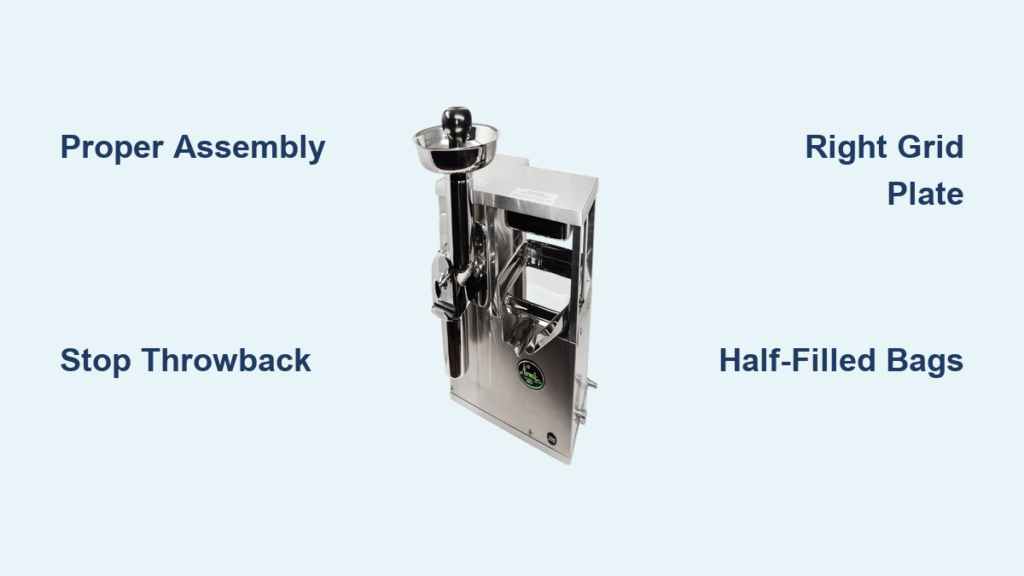
Before you touch a single carrot or apple, proper assembly determines whether your Norwalk juicer performs reliably or becomes a source of constant frustration. Many users skip this critical preparation phase only to encounter jamming issues, poor extraction, or even safety hazards during operation. The machine’s grinding mechanism, pressing bag system, and hydraulic press must align perfectly to function as designed, and visual instruction proves far more effective than text alone for understanding this process.
Watch official Norwalk instructional videos at least twice before attempting assembly—this single step prevents 90% of beginner mistakes. These videos demonstrate subtle alignment details that written manuals often overlook, such as the precise angle for attaching the grinding head or how much tension to apply when securing the hydraulic components. Pay special attention to the sequence for installing the grinding plate and feed tube, as improper installation here causes immediate throwback problems with hard vegetables.
Gather these essential items before beginning:
– Your Norwalk juicer base unit
– Selected grinding grid plate
– Pressing bags (new or thoroughly cleaned)
– Juice collection container
– Small brush for cleaning components
Place your assembled Norwalk on a stable surface with at least 18 inches of clear workspace on all sides—this prevents frantic reaching during operation and reduces the risk of spills. The hydraulic press requires firm, downward force, so an unstable surface could cause dangerous tipping during use. If you hear any unusual grinding noises during your first test run, stop immediately and recheck your assembly against the video instructions before proceeding.
How to Verify Correct Assembly in 60 Seconds
After assembling your Norwalk juicer, perform this quick check before adding ingredients: Insert your hand (without ingredients) into the feed tube and gently turn the hand crank. You should feel smooth, consistent resistance without any grinding or sticking points. If you encounter resistance at specific rotation points, disassemble and check for misaligned components. Properly assembled, the grinding mechanism should rotate freely with even pressure throughout each full revolution. This simple test catches assembly errors that would otherwise damage your machine or compromise juice extraction during actual use.
Stop Norwalk Juicer Throwback with Proper Feeding Technique
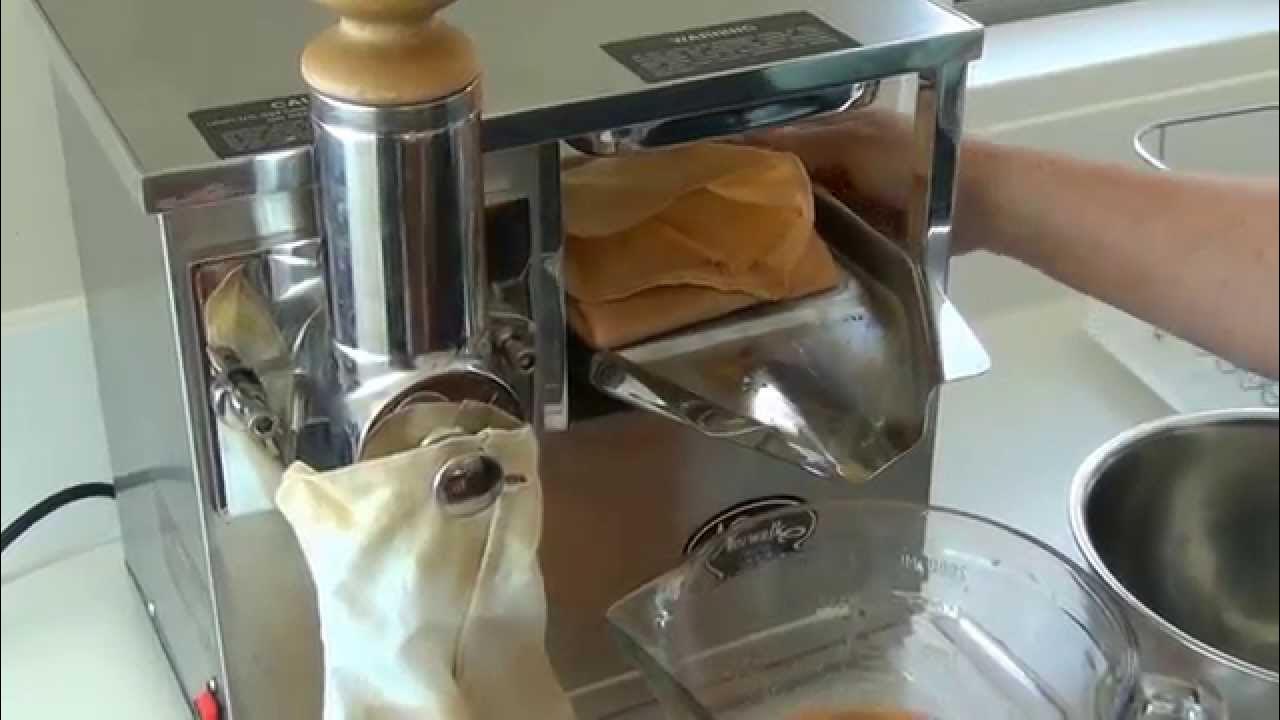
Throwback—when hard vegetables like carrots violently eject from the feed tube instead of grinding properly—is the #1 frustration for new Norwalk users. This dangerous issue wastes ingredients, creates messes, and often leads users to force ingredients downward, risking injury or equipment damage. The solution isn’t pushing harder but applying the correct hand placement technique that guides ingredients smoothly into the grinding mechanism.
Place your palm firmly over the feed tube opening while inserting the first few carrots, applying just enough downward pressure to prevent bouncing. Your hand acts as a temporary cover that contains the ingredients while they engage with the grinding plate. As you turn the hand crank, maintain light but consistent pressure that allows ingredients to feed naturally rather than fighting the machine’s mechanics. This technique requires practice—expect some throwback during your first 3-5 juicing sessions as you develop the right touch.
Which Vegetables Cause Most Throwback Issues?
Hard, dense vegetables present the greatest throwback risk:
– Carrots (especially large, straight ones)
– Beets
– Parsnips
– Sweet potatoes
– Celery root
Cut these problem vegetables into 2-3 inch chunks rather than long strips—they feed more smoothly into the grinding mechanism. For extremely hard vegetables, run a softer item like cucumber through first to create initial pulp that helps grip subsequent harder ingredients. Never force stuck ingredients downward with tools—this damages the grinding plate and creates dangerous pressure points.
Select the Perfect Grid Plate for Your Ingredients

Your Norwalk juicer’s interchangeable grid plates dramatically impact juice yield, extraction efficiency, and processing time—but choosing the wrong grid turns juicing into a constant battle with clogs and poor performance. The coarseness level you select should match your primary ingredients, not your desired juice texture, as many beginners mistakenly believe.
Use coarse grid plates (larger holes) when processing fibrous greens or large batches—these handle kale, wheatgrass, and mixed vegetable combinations without constant clogging. The larger openings allow fibrous material to pass through more easily, reducing cleaning interruptions and maintaining steady workflow. While juice yield might be 5-7% lower than with finer grids, the time saved during high-volume processing makes coarse grids the practical choice for daily use with mixed ingredients.
Switch to fine grid plates (smaller holes) only for soft fruits and non-fibrous vegetables like apples, pears, or cucumbers. Fine grids produce marginally drier pulp and extract slightly more juice from these ingredients, but they require frequent cleaning when processing anything with significant fiber content. Many experienced users keep both grid types readily available and change them between batches when processing mixed ingredient combinations.
Fill Pressing Bags to Exactly 50% Capacity

The most costly mistake Norwalk juicer users make involves overfilling pressing bags—a seemingly efficient practice that actually destroys bags, wastes juice, and creates messy cleanup situations. When bags exceed half capacity, hydraulic pressure has nowhere to distribute during pressing, causing catastrophic seam failures that release pulp directly into your juice container.
Fill each pressing bag to only 50% capacity regardless of how much ground pulp you’ve accumulated. This guideline isn’t arbitrary—it’s based on the physics of hydraulic pressure distribution during extraction. Half-filled bags allow ingredients to spread evenly under pressure, maximizing juice extraction while maintaining structural integrity. The dry, almost powdery pulp left after proper pressing confirms you’ve achieved maximum yield without risking bag failure.
How to Tell When Bags Are Properly Filled
Your filled pressing bag should:
– Maintain a clear rectangular shape without bulging sides
– Feel soft and malleable when gently squeezed
– Show visible space between the pulp surface and bag top
– Easily fold in half without resistance
If you’ve processed more pulp than fits in one half-filled bag, simply press multiple batches rather than overfilling. The extra 30 seconds per additional bag pays back tenfold in protected equipment and consistent juice quality. Many users develop a “knuckle test”—filling bags until pulp reaches the second knuckle of their index finger—to maintain consistent fill levels across sessions.
Clean and Maintain Your Norwalk After Every Use
The single biggest factor determining your Norwalk juicer’s lifespan isn’t usage frequency but post-juicing cleaning habits. Residual pulp left to dry in the grinding mechanism creates permanent buildup that compromises extraction efficiency and eventually requires costly professional servicing. Clean all components within 20 minutes of finishing juicing while pulp remains moist and easily removable.
Disassemble these critical components immediately after use:
– Grinding plate and housing
– Feed tube
– Pressing bag frame
– Hydraulic press surfaces
Use the small brush included with your Norwalk to clean grinding plate holes—dried pulp here causes immediate throwback issues during your next session. Never soak plastic components in hot water, as this warps precision parts over time. Air-dry all components completely before storage to prevent mold growth in hidden crevices.
How Often to Replace Pressing Bags
Monitor your pressing bags for these wear indicators:
– Visible thinning in high-pressure areas
– Stiffness or loss of flexibility
– Small holes or seam separation
– Persistent discoloration after cleaning
Most users get 50-75 pressing cycles from quality bags when following proper filling techniques. Using worn bags risks catastrophic failure during pressing, which wastes ingredients and creates extensive cleanup. Keep two spare bags on hand so you can rotate replacements without interrupting your juicing routine.
Mastering how to use Norwalk juicer properly transforms what initially seems complex into a streamlined process that delivers superior nutrition with minimal fuss. By focusing on these three critical areas—proper assembly before your first use, preventing throwback through correct hand placement, and filling pressing bags to exactly half capacity—you’ll avoid the pitfalls that frustrate most beginners. Remember that grid selection should match your primary ingredients rather than desired juice texture, and immediate cleaning after each session protects your investment for years of reliable service.
The true measure of successful Norwalk juicer operation appears in your daily juice yield and quality. When everything works correctly, you’ll notice drier pulp, brighter juice color, and noticeably higher volumes compared to other extraction methods. These results make the initial learning curve well worth the effort. Start implementing these techniques today, and within a week, you’ll move from struggling with the machine to enjoying perfectly extracted juice that nourishes your body at the cellular level.