Fresh lemon juice elevates countless recipes, from tangy dressings to classic lemonade, yet many home cooks struggle to extract maximum juice from their citrus. Learning how to put a lemon in a juicer correctly—and preparing the fruit beforehand—dramatically increases your yield while minimizing mess and frustration. Whether you own an electric citrus juicer, a simple handheld squeezer, or no specialized tools at all, mastering these techniques ensures you squeeze every drop from your lemons. This guide covers essential preparation methods, walks through every juicing approach from manual to motorized, and helps you choose the best technique for your kitchen needs.
The average lemon contains just 2 to 3 tablespoons of juice, but that amount varies significantly based on ripeness, size, and how you prepare the fruit before juicing. A lemon that feels heavy for its size and gives slightly when pressed typically holds the most liquid inside. Understanding how to properly prep and press your lemons transforms what seems like a simple task into a technique that can double your juice output with the same amount of fruit. You’ll discover why the right preparation makes all the difference—and how to avoid common mistakes that leave precious juice trapped inside the pulp.
Master These Prep Techniques Before You Put a Lemon in a Juicer
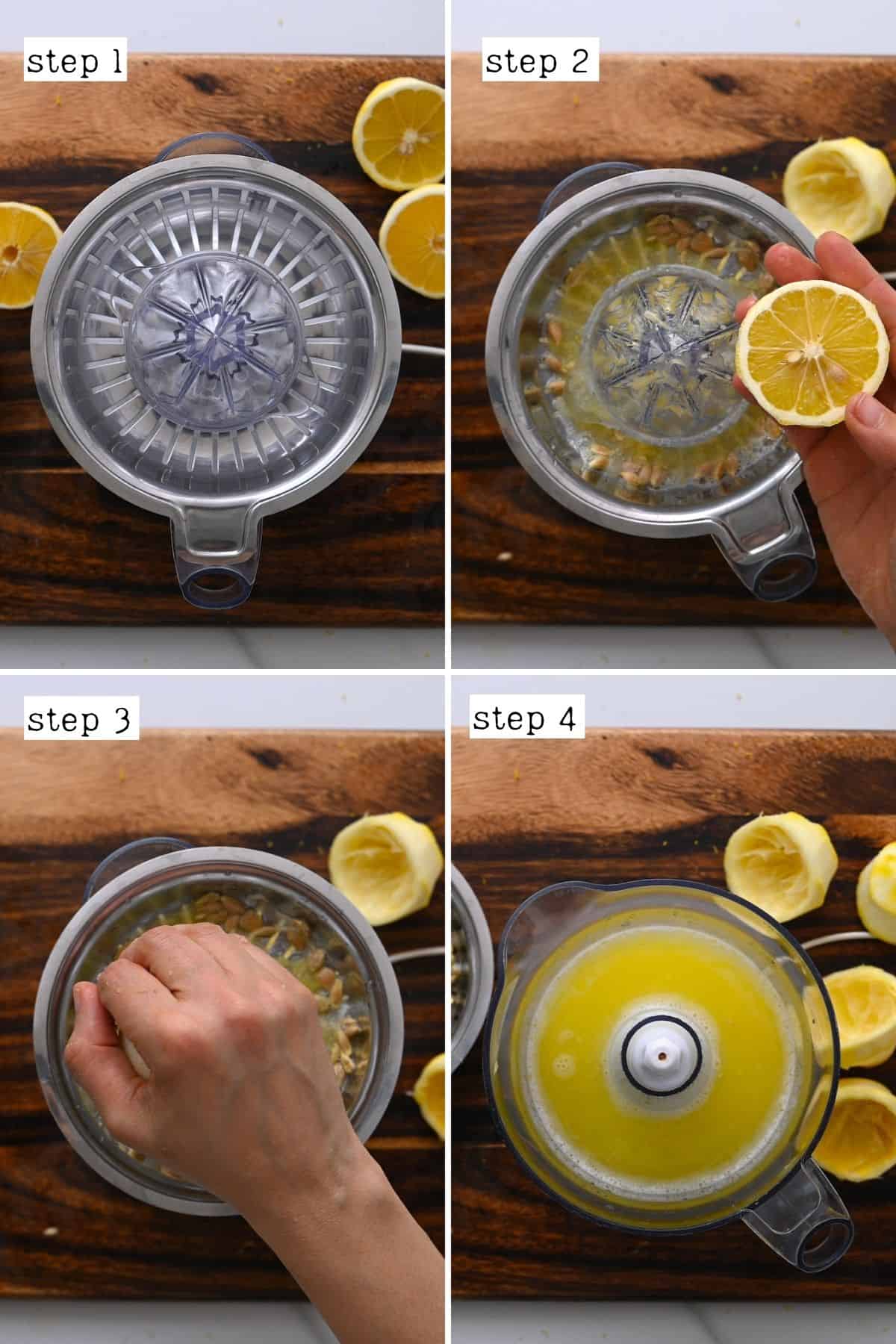
Before you even think about how to put a lemon in a juicer, proper preparation determines whether you’ll get a trickle or a torrent of juice. These science-backed techniques break down internal membranes so juice flows freely when pressure is applied.
Roll Lemons Like a Pro for Instant Yield Boost
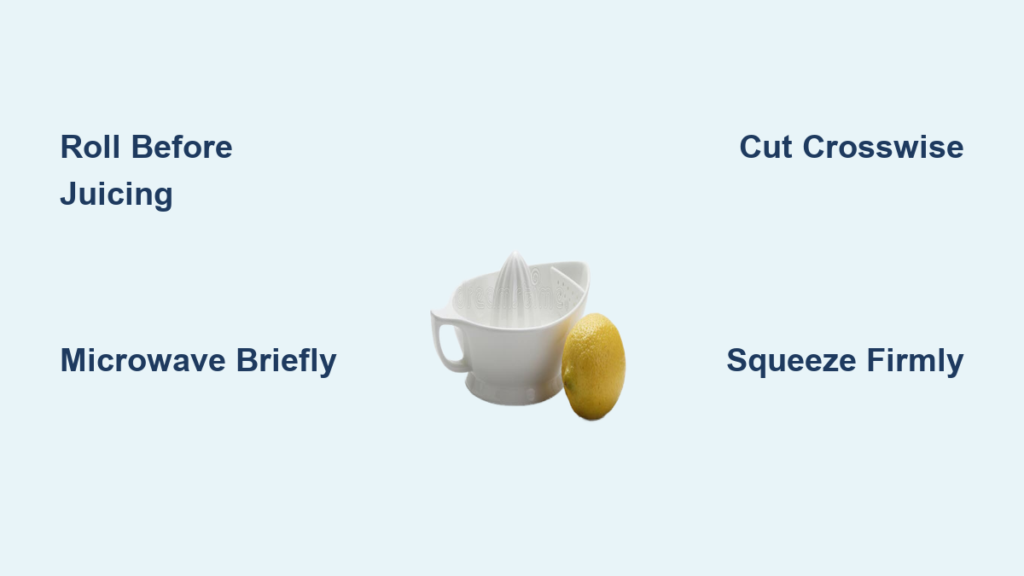
Place your lemon on a clean countertop and apply firm, consistent pressure while rolling it back and forth for 30 seconds. Watch for the lemon to soften slightly—this visual cue confirms the internal membranes are breaking down. Professional chefs use this technique because it works: rolling ruptures juice sacs without damaging the peel, allowing 20-30% more juice to flow out during extraction. This method is especially crucial for refrigerated lemons, which become rock-hard when cold. For best results, roll before cutting—once sliced, you lose leverage needed for effective rolling.
Microwave Magic for Cold Lemons
If your lemons have been refrigerated, nuke them for 15-20 seconds before juicing. The ideal temperature is warm to the touch but not hot—about 80-90°F (27-32°C). This brief warming softens the pectin in internal membranes, releasing juice that would otherwise remain trapped. Never microwave cut lemons—this causes explosive juice loss. After microwaving, immediately proceed to juicing; waiting even 30 seconds allows membranes to reharden. For safety, always prick the lemon with a fork before microwaving to prevent pressure buildup.
Pick Perfect Juice-Yielding Lemons
Not all lemons are created equal. Choose fruits that feel heavy for their size—this indicates high juice content. Gently squeeze the lemon; it should yield slightly like a stress ball, not feel hard as a baseball. Avoid lemons with soft spots (signs of decay) or wrinkled skin (indicating dehydration). For consistent results across multiple lemons, select fruits of similar size and ripeness—this prevents one lemon from dominating your juice yield calculations. When shopping, give lemons a gentle shake; you should hear a slight slosh indicating ample liquid inside.
Handheld Squeezer: The Easiest Way to Put a Lemon in a Juicer
The handheld squeezer stands out as the most efficient method for everyday juicing, combining maximum yield with minimal effort. You’ll know you’ve extracted all juice when the peel completely inverts and appears shriveled.
To use this tool:
1. Cut the lemon crosswise (not stem-to-stem)
2. Place half in the squeezer with cut side down
3. Squeeze handles firmly while twisting slightly
4. Continue until peel collapses inward completely
This method yields approximately 1/4 cup per lemon with zero seeds in your juice. The ergonomic design requires only 5 pounds of pressure—ideal for those with arthritis or weak grip strength. Cleanup takes seconds: just rinse under running water or toss in the dishwasher. For stubborn pulp, use a small brush to clean the mesh screen. Pro tip: Place a folded paper towel beneath the squeezer to catch drips during use.
Electric Citrus Juicer: Perfect for Frequent Juicing
When you need to put multiple lemons in a juicer quickly, an electric model saves significant time and effort—but requires proper technique to maximize yield.
Place cut lemon halves firmly on the reamer cone with moderate downward pressure. Watch for the juice to flow steadily—if it’s spotty, rotate the lemon slightly to access untouched sections. Most models have automatic shutoff sensors, so maintain consistent pressure until the motor stops. After juicing, immediately disassemble the juicer according to manufacturer instructions; dried pulp hardens quickly and becomes difficult to remove.
Common mistake: Using too little pressure causes incomplete extraction, while excessive force jams the motor. Start with light pressure and gradually increase until juice flows steadily. Electric juicers work best with room-temperature lemons—cold fruit requires more pressure and strains the motor. For optimal results, juice lemons immediately after preparation; waiting more than 2 minutes allows membranes to reharden.
The “Poke-a-Hole” Technique for Intermittent Juicing

This innovative method lets you extract juice while preserving the lemon’s integrity for later use—perfect for recipes requiring small amounts of juice over time.
Insert a metal skewer or chopstick into the blossom end (the dimpled end opposite the stem) about 3/4 of the way through. Look for juice to begin seeping from the puncture point before squeezing. Apply firm, even pressure with both hands while holding the lemon over your container. The juice will flow through the created channel while the peel remains intact.
Critical tip: Use only ripe, slightly soft lemons for this method—firm lemons require excessive pressure that often causes the skin to rupture messily. After extracting what you need, store the lemon in an airtight container in the refrigerator. The puncture hole seals naturally, preserving moisture for up to 5 days. This technique works best when you need just 1-2 tablespoons of juice at a time, eliminating waste from partially used cut lemons.
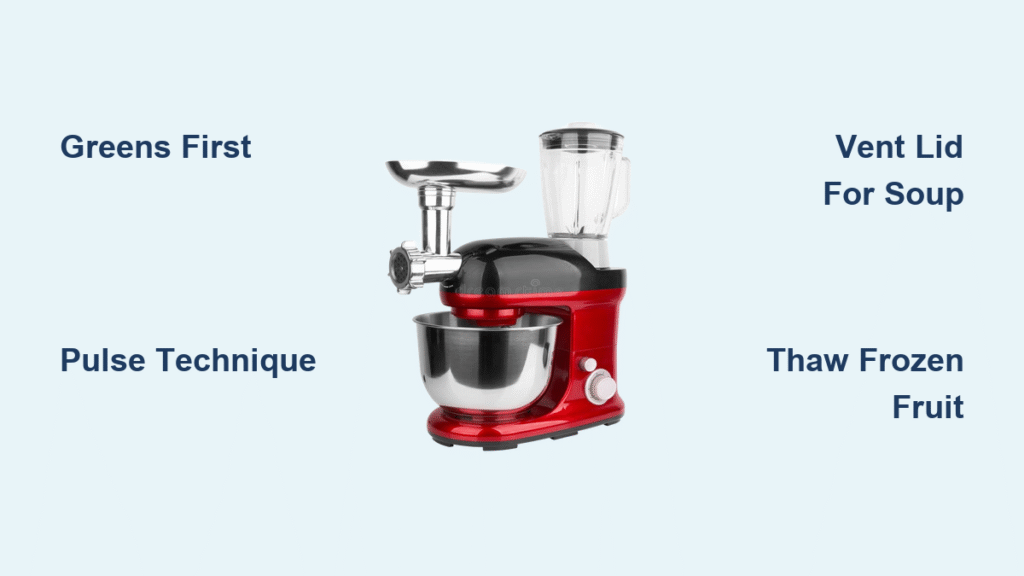
Stand Mixer Method for Large Batches
When you need to put multiple lemons in a juicer for parties or meal prep, your stand mixer transforms into a high-yield extraction machine with superior flavor.
Quarter lemons (including peel) and place in the mixer bowl with paddle attachment. Mix on medium speed for exactly 2 minutes—any longer creates excessive foam. Watch for the mixture to turn bright yellow with visible oil droplets, indicating essential oils have been released from the zest. Immediately strain through a fine-mesh sieve lined with cheesecloth for crystal-clear juice.
This method yields up to 50% more juice than hand-squeezing while incorporating flavorful citrus oils that enhance taste. The trade-off is additional cleanup: you’ll need to wash the bowl, paddle, and straining equipment. Pro tip: Add a pinch of sugar to the mixer bowl before juicing—it helps break down membranes for even greater yield. For best results, use this technique only with room-temperature lemons; cold fruit requires longer mixing times that degrade flavor.
Avoid These Common Juicing Mistakes
Even experienced cooks make these critical errors when trying to put a lemon in a juicer:
- Cutting stem-to-stem instead of crosswise: This orientation follows the fruit’s natural segments, yielding significantly less juice
- Using cold lemons without warming: Refrigerated lemons yield up to 40% less juice than room-temperature counterparts
- Squeezing too quickly: Apply pressure gradually over 5-7 seconds for maximum extraction
- Ignoring visual cues: Stop when the peel turns pale yellow and feels completely deflated
- Not straining immediately: Pulp continues to break down, making separation difficult after 30 seconds
Most costly mistake: Waiting to juice after cutting. Lemon halves lose 15% of their juice content within the first 5 minutes after cutting due to oxidation and moisture loss. Always juice immediately after preparation.
Which Method Should You Use?
Your perfect juicing solution depends on three factors: quantity needed, available tools, and desired juice clarity.
- For 1-2 lemons: Handheld squeezer (best balance of yield and cleanup)
- For refrigerated lemons: Microwave + manual press (reverses cold storage effects)
- For pulp-free juice: Manual press with light pressure (controls pulp extraction)
- For large batches: Stand mixer (maximum yield with enhanced flavor)
- For intermittent use: Poke-a-hole method (preserves unused portion)
Pro insight: The handheld squeezer outperforms all methods for most home kitchens, delivering professional results with minimal effort. If you only buy one juicing tool, choose a high-quality handheld model with a comfortable grip and fine mesh screen.
Final Juice Storage Tips
Fresh lemon juice tastes best within 24 hours but maintains quality for 3-5 days when stored properly. Always store juice in an airtight container—glass works best as plastic can absorb citrus flavors. Fill the container completely to minimize air exposure, and refrigerate immediately. For longer storage, freeze juice in ice cube trays then transfer cubes to freezer bags—thaw as needed for cooking.
The next time you need to put a lemon in a juicer, remember: preparation matters more than the tool itself. Master these techniques, and you’ll never waste precious citrus juice again. Whether you’re making a quick salad dressing or large-batch lemonade, these methods ensure you get every drop nature intended.