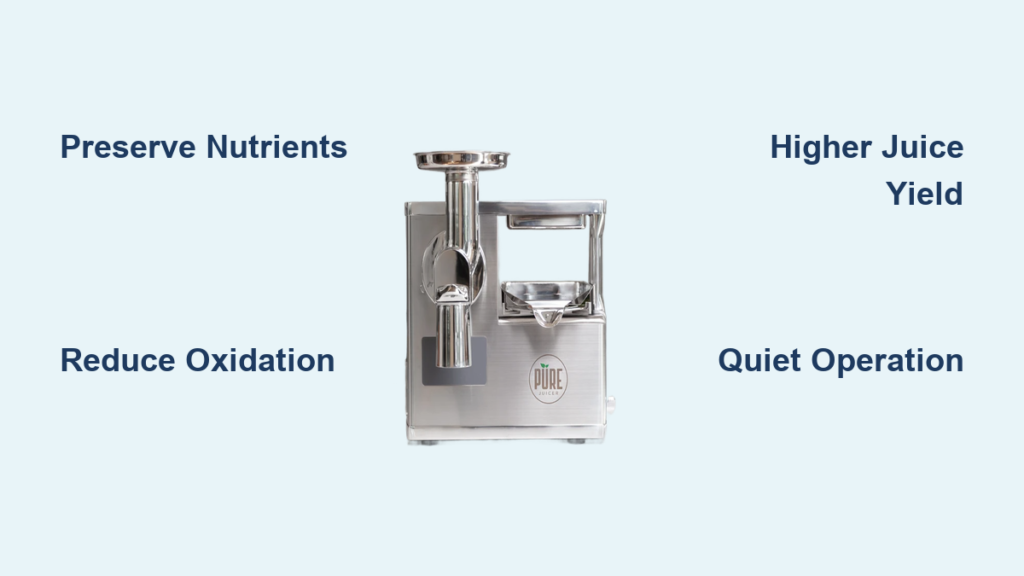
Your morning glass of fresh juice shouldn’t lose half its nutritional value before you finish drinking it. Traditional centrifugal juicers spin at up to 16,000 RPM, generating heat that destroys heat-sensitive vitamins and enzymes while accelerating oxidation that turns your vibrant green juice brown within minutes. Cold press juicers solve this fundamental problem by using slow, mechanical compression at just 43-110 RPM—preserving the delicate nutrients that make juicing worth your time and money. This revolutionary extraction method delivers juice with significantly higher nutrient density, longer shelf life, and noticeably better taste compared to conventional juicing methods.
The cold press juicer benefits extend far beyond basic nutrition into tangible economic savings and practical convenience that transform your daily wellness routine. Home users report saving $500+ annually by maximizing juice yield from their produce and eliminating expensive store-bought cold-pressed juices that cost $8-$15 per bottle. Commercial operations have recognized these advantages for years, making cold press technology the standard in premium juice bars where nutrient preservation directly impacts customer satisfaction and repeat business. Whether you’re a health-conscious parent seeking better nutrition for your family or an entrepreneur exploring juice business opportunities, understanding the comprehensive cold press juicer benefits will help you make an informed investment that pays dividends for years to come.
Why 43 RPM Outperforms 16,000 RPM for Nutrient Preservation

The dramatic difference in rotational speed between cold press and centrifugal juicers creates fundamentally different outcomes for your juice’s nutritional profile. While centrifugal juicers shred produce at blistering speeds up to 16,000 RPM, generating temperatures that can exceed 175°F, cold press juicers operate at a gentle 43-110 RPM—keeping temperatures consistently below 104°F. This critical temperature threshold prevents the degradation of heat-sensitive vitamins like vitamin C and B-complex vitamins that begin breaking down at just 118°F. The slow auger action crushes rather than shreds produce, opening cell membranes to release nutrients without damaging their molecular structure.
Your cold press juicer’s micro-perforated strainer (featuring up to 6,612 precisely engineered holes) plays a crucial role in maximizing juice quality. This fine filtration separates liquid from pulp with surgical precision, capturing more of the valuable phytonutrients that centrifugal juicers expel with the pulp. The complete separation process means you’re not just getting juice—you’re extracting the deep cellular nutrients that remain locked in produce processed by high-speed methods. Look for strainers with stainless steel construction and precisely calibrated perforations to ensure optimal extraction without compromising nutrient integrity.
How Heat and Oxidation Destroy Juice Nutrition Within Minutes
Centrifugal juicing creates a perfect storm for nutrient destruction through combined heat and oxidation effects. As high-speed blades violently shred produce, they simultaneously generate heat through friction while introducing excessive air into the juice—accelerating oxidative degradation that begins the moment extraction starts. This oxidation process visibly manifests as browning (similar to an apple slice left on your counter) but more importantly destroys delicate antioxidants and enzymes before you even take your first sip. Within 20 minutes, centrifugal-pressed juice can lose up to 40% of its vitamin C content due to this combined thermal and oxidative damage.
Cold press technology dramatically reduces both threats through its fundamental design. The slow pressing action minimizes air incorporation, reducing oxidation by up to 70% compared to centrifugal methods. This preservation advantage means your cold-pressed juice maintains its vibrant color, fresh flavor, and nutritional potency for 3-5 days when properly refrigerated—compared to just 24 hours for centrifugal juice. The reduced oxidation also translates to higher retention of critical compounds like polyphenols and flavonoids that support cellular health and combat inflammation throughout your body.
Boosting Immunity With Live Enzymes and Antioxidants

Cold press juicers uniquely preserve live enzymes that play essential roles in digestion and nutrient absorption—compounds completely destroyed by centrifugal juicing’s high heat. Enzymes like amylase, lipase, and protease remain active in cold-pressed juice, helping your body break down food more efficiently and absorb maximum nutrients from everything you eat. This enzymatic activity supports gut health even though fiber has been removed, making cold-pressed juice particularly valuable for individuals with digestive sensitivities or those recovering from illness. You’ll notice improved digestion and sustained energy as your body expends less energy processing nutrients.
The antioxidant concentration in cold-pressed juice delivers measurable immune system benefits through multiple mechanisms. Vitamin C from citrus and leafy greens stimulates white blood cell production, while beta-carotene from carrots and sweet potatoes strengthens mucosal barriers that prevent pathogen entry. Cruciferous vegetables like kale and broccoli release sulforaphane during cold pressing—a potent compound shown to activate over 200 protective genes in your DNA. For maximum immune support, rotate your ingredients weekly to access diverse phytonutrient profiles that create a comprehensive defense system against seasonal threats.
Sustained Energy and Radiant Skin Without the Crash
Unlike coffee or energy drinks that deliver temporary spikes followed by debilitating crashes, cold-pressed juice provides steady energy through natural carbohydrates combined with B-vitamins that support cellular energy production. The slow extraction process preserves the full spectrum of B-complex vitamins—particularly B2 (riboflavin) and B3 (niacin)—that convert food into usable energy at the cellular level. You’ll experience alertness without jitters as your body receives these nutrients in their most bioavailable form, perfectly balanced with natural electrolytes from ingredients like cucumber and celery that support hydration and nerve function.
The skin benefits of regular cold-pressed juice consumption become visible within weeks through multiple pathways. Vitamin C stimulates collagen production while protecting existing collagen from free radical damage, and vitamin E works synergistically to maintain skin moisture and elasticity. Chlorophyll from leafy greens detoxifies the bloodstream, reducing inflammation that manifests as acne or redness. For targeted skin benefits, create “glow formulas” featuring cucumber (88% water content), carrots (beta-carotene), and citrus (vitamin C)—ingredients that work together to hydrate from within and combat the visible signs of aging more effectively than topical creams alone.
Save $500+ Annually Through Higher Juice Yield and Reduced Waste
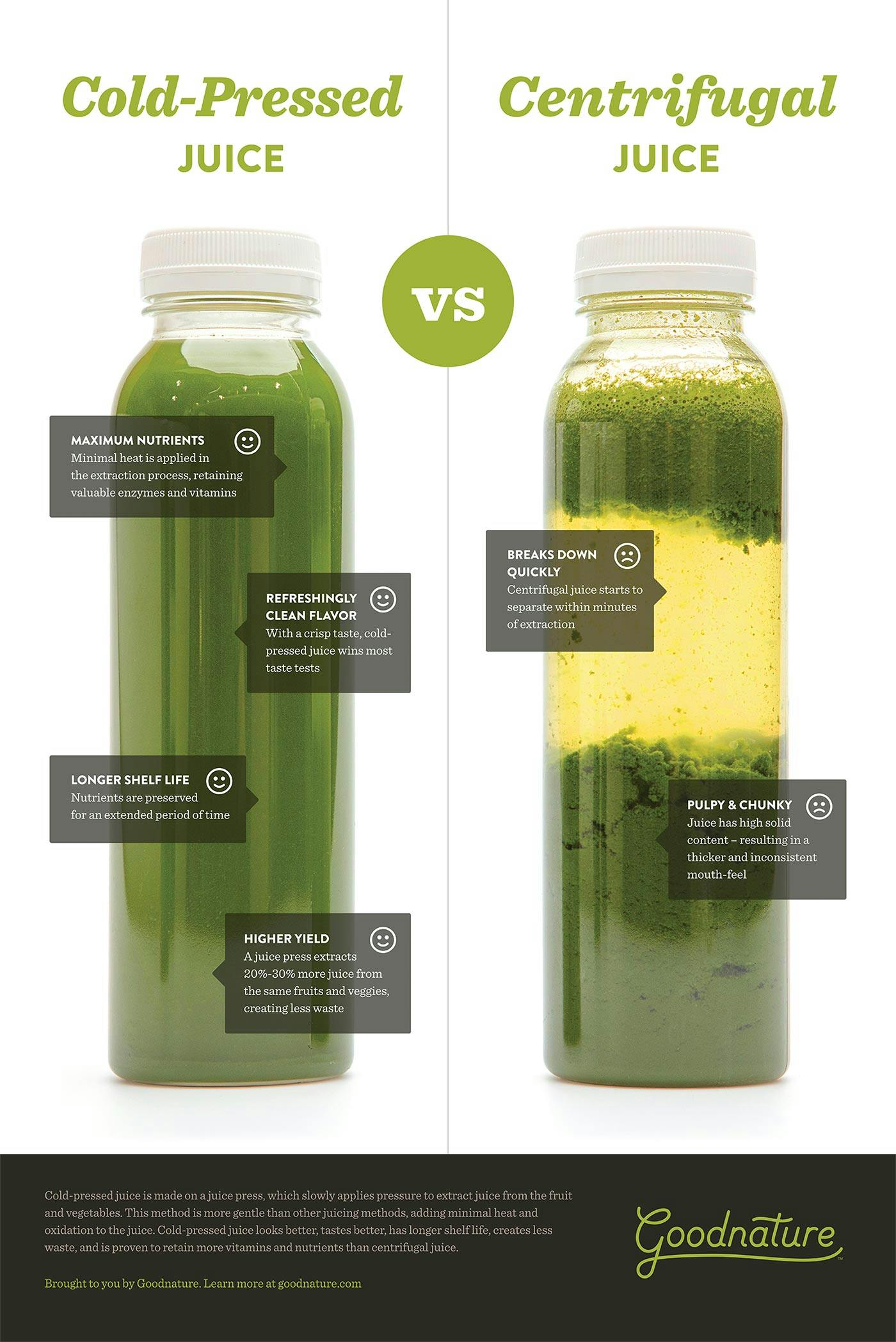
Cold press juicers extract 20-25% more juice from identical produce compared to centrifugal models—a difference that translates to tangible savings on your grocery bill. The slow, thorough pressing action squeezes additional liquid from pulp that centrifugal juicers discard as waste, meaning you get 25% more servings from the same bag of spinach or carrots. Over a year, this increased yield can save the average juicing household $300-$400 on produce costs alone. The higher yield is particularly noticeable with leafy greens and fibrous vegetables like wheatgrass, where cold press technology extracts significantly more liquid than high-speed alternatives.
Your cold press juicer pays for itself through eliminated commercial juice purchases—typically $8-$15 per bottle at juice bars and health food stores. By preparing just two 16-ounce bottles of juice at home each week, you’ll save approximately $800 annually compared to store-bought cold-pressed options. The investment makes even more sense when you consider that quality cold press juicers last 10-15 years with proper maintenance, turning that initial $300-$500 purchase into a mere $20-$50 annual cost. For families or frequent juicers, the economic advantage becomes even more compelling as daily use maximizes your return on investment.
Quiet Operation and Blockage-Free Performance for Daily Convenience
The low-speed operation of cold press juicers creates a remarkably quiet juicing experience—typically 40-60 decibels compared to centrifugal juicers’ 80-90 decibel roar. This whisper-quiet performance means you can prepare juice at 5 AM without disturbing sleeping household members, making healthy morning routines actually sustainable. The reduced noise level serves as an audible indicator of the gentle extraction process that preserves nutrients, with many users reporting that the quiet hum becomes a soothing part of their daily ritual rather than a disruptive chore.
Modern cold press juicers feature reverse motor technology that instantly clears blockages—a game-changer for fibrous greens like kale or wheatgrass that traditionally caused juicing frustration. When you encounter resistance, simply flip the reverse switch for 3-5 seconds to dislodge stubborn material without disassembling the machine. This blockage-free operation saves valuable time and reduces cleanup while ensuring consistent juice flow throughout your session. Look for models with commercial-grade motors that maintain torque even with challenging ingredients, delivering reliable performance session after session without straining or overheating.
Get Maximum Value From Your Cold Press Juicer: Pro Tips for Success
Your cold press juicer delivers optimal results when processing fresh, preferably organic produce at peak ripeness. While organic ingredients eliminate pesticide exposure and may contain marginally higher nutrient levels, the most critical factor is freshness—wilted or aged produce yields significantly less juice regardless of extraction method. For best results, juice within 24 hours of purchasing produce, store ingredients properly in the crisper drawer, and rotate your recipes weekly to access diverse phytonutrient profiles. Warning: Avoid using frozen produce directly in your juicer, as ice crystals can damage the auger and strainer components.
Cold-pressed juice should complement—not replace—whole fruits and vegetables in your diet to maintain adequate fiber intake. The juicing process removes beneficial fiber that supports digestive health and blood sugar regulation, so balance your juice consumption with whole food sources. Aim for a ratio of 80% vegetables to 20% fruit in your recipes to minimize sugar content while maximizing nutrient density. For those managing blood sugar levels, prioritize low-glycemic ingredients like leafy greens, celery, cucumber, and lemon while limiting high-sugar fruits like apples and carrots. This balanced approach ensures you reap all the cold press juicer benefits without compromising other aspects of nutritional health.