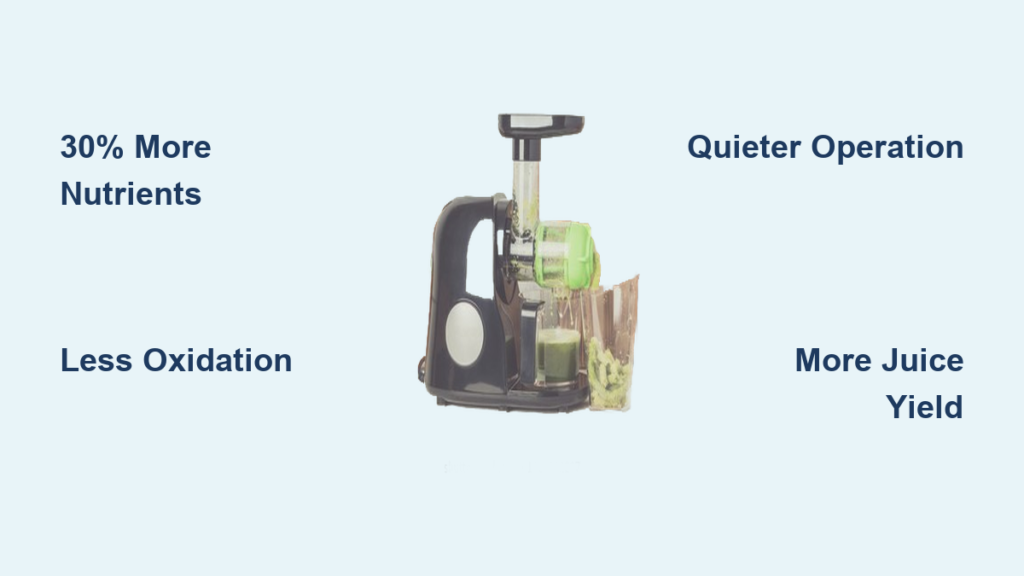
Have you ever poured yourself a fresh glass of juice only to notice it separating within minutes, developing an unappetizing foam layer while losing its vibrant color? That frustrating experience is exactly what happens with high-speed centrifugal juicers that destroy delicate nutrients through heat and oxidation. When you invest in a slow masticating juicer, you’re choosing technology that preserves up to 30% more vital enzymes, vitamins, and antioxidants compared to conventional juicing methods. Understanding the benefits of slow masticating juicers reveals why health-conscious consumers consistently report brighter energy levels, better digestion, and noticeably richer flavors in every glass they produce.
The difference comes down to physics: instead of shredding produce at 6,000-16,000 RPM like centrifugal models, masticating juicers operate at a gentle 40-100 RPM, using an auger that mimics your teeth’s chewing motion to systematically break down plant cell walls. This cold-press extraction method keeps juice temperature near room temperature, preventing thermal degradation of heat-sensitive compounds like vitamin C and digestive enzymes. You’ll immediately notice the difference in your glass—thicker consistency, richer color, and a flavor that tastes remarkably closer to the whole fruit or vegetable you started with.
This isn’t just marketing hype. Peer-reviewed research comparing extraction methods confirms that slow masticating juicers deliver superior nutritional density. When you choose a masticating juicer, you’re ensuring that every ounce of produce you invest in transforms into maximum nutritional benefit rather than wasted pulp and degraded nutrients.
Unlock Maximum Nutrient Retention from Your Produce
The most scientifically validated benefit of slow masticating juicers is their unmatched ability to preserve nutrients that high-speed extraction destroys. When you use a centrifugal juicer, the violent spinning generates heat above 120°F—enough to denature delicate enzymes and degrade heat-sensitive vitamins like C and B-complex. Your masticating juicer operates cool enough that you can place your hand against the juice container mid-extraction and feel no temperature increase, protecting the very compounds you’re juicing to obtain.
Independent studies published in Food Science & Technology demonstrate this dramatic difference. When researchers compared grape juice extraction methods, masticating juicer output contained significantly higher levels of total polyphenols, flavonoids, anthocyanins, and vitamin C compared to both centrifugal and blender methods. The nutrient degradation followed a clear pattern: masticating juice retained the most nutrients, followed by blender juice, with centrifugal juice showing the poorest retention—particularly in the valuable skin and seed materials where antioxidants concentrate.
Prevent Enzyme Destruction During Extraction
When you’re juicing for digestive health, enzyme preservation becomes critical—yet centrifugal juicers destroy these fragile proteins through heat and oxidation. Masticating juicers maintain the integrity of digestive enzymes like amylase and lipase that help your body break down food more efficiently. You’ll notice the difference when your body processes nutrients more effectively, reducing bloating and supporting gut health without requiring additional enzyme supplements.
Capture More Antioxidants from Every Vegetable
Your slow masticating juicer extracts significantly higher levels of valuable antioxidants like lycopene from tomatoes and beta-carotene from carrots compared to high-speed alternatives. Research shows masticating extraction produces tomato juice with elevated levels of total polyphenols, vitamin C, and lycopene—the very compounds responsible for many of tomatoes’ health benefits. When you’re investing in organic produce, you deserve to capture every possible antioxidant, not sacrifice them to inefficient extraction methods.
Extract 30% More Juice While Reducing Food Waste
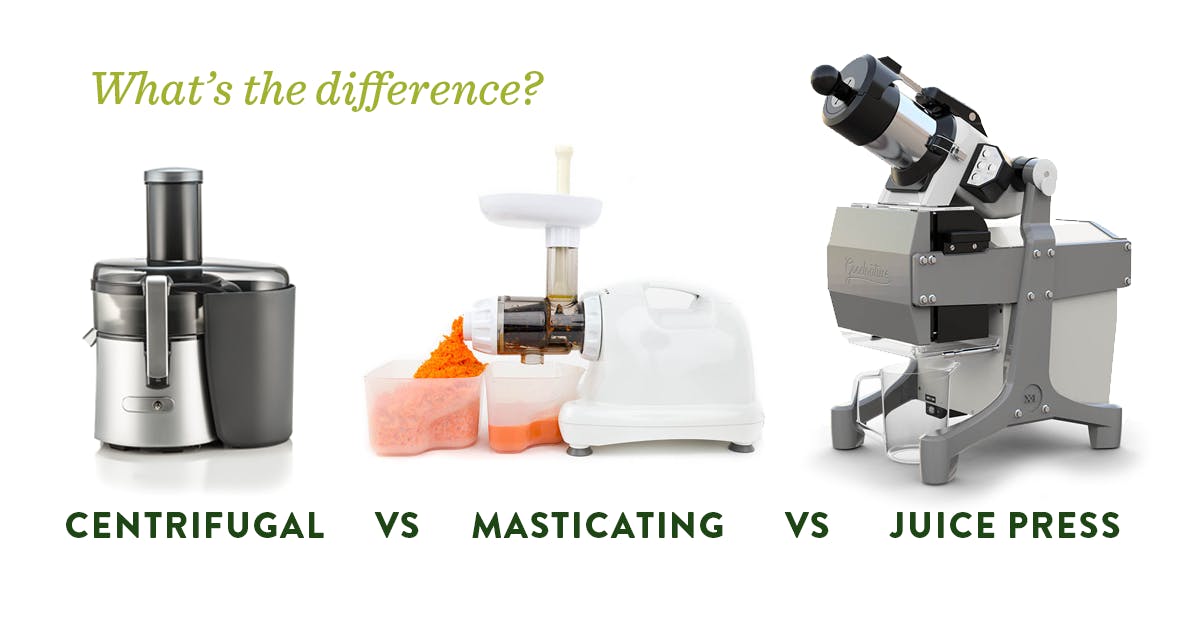
One immediate benefit of slow masticating juicers you’ll notice is the dramatically drier pulp coming from the machine. Unlike centrifugal juicers that leave pulp saturated with juice, your masticating juicer’s auger applies continuous pressure that squeezes out every possible drop. This translates to 30-50% more juice from the same ingredients, meaning you purchase fewer fruits and vegetables to produce your daily juice regimen.
When you calculate the savings, the higher initial investment in a masticating juicer pays for itself within months through reduced grocery bills. Consider this comparison:
- Centrifugal juicer: Requires 4 pounds of kale to produce 16 ounces of juice
- Masticating juicer: Needs only 2.8 pounds of kale for the same 16 ounces
Repurpose Dry Pulp for Additional Value
The drier pulp produced by your slow juicer has practical uses that further reduce waste. Unlike the wet, quickly-molding pulp from centrifugal machines, masticating juicer pulp remains usable for:
- Baking ingredient in muffins and breads
- Base for vegetable broth or soup
- Compost material that breaks down more efficiently
- Animal feed for chickens or rabbits
This practical benefit transforms what would be waste into valuable resources, aligning with sustainable kitchen practices that conscientious consumers appreciate.
Experience Superior Flavor and Longer Freshness
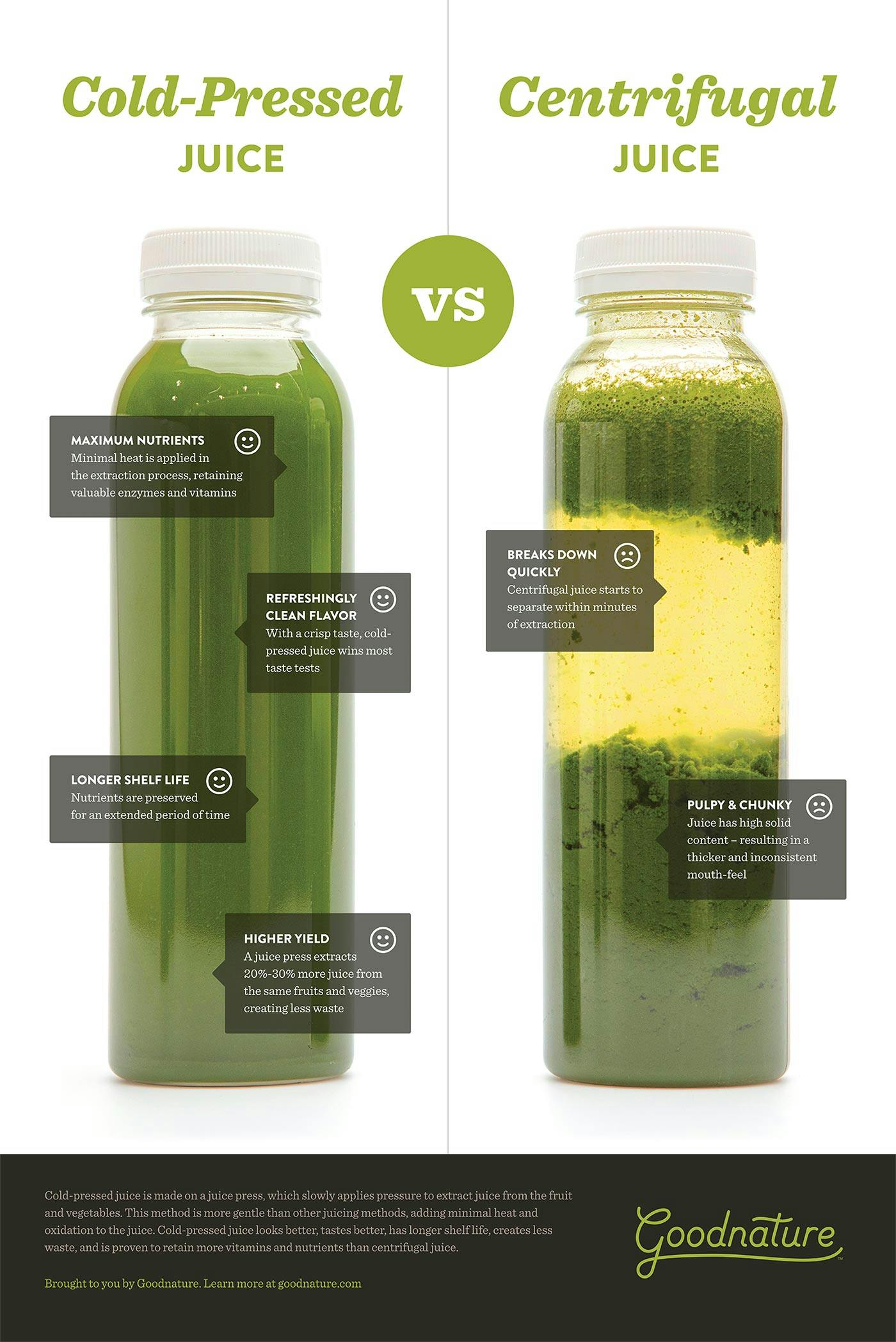
When you pour juice from your masticating juicer, you’ll immediately notice the difference in texture and appearance—thicker consistency, richer color, and minimal foam compared to centrifugal juice. This isn’t just aesthetic; the absence of excessive oxidation preserves the natural flavor compounds that make produce taste vibrant and fresh. Your morning green juice will taste remarkably closer to the whole ingredients you started with, without the metallic or “cooked” flavor centrifugal juice sometimes develops.
Enjoy Juice That Stays Fresh for Days
One practical benefit you’ll appreciate is how your masticating juicer’s output maintains quality during storage. The minimal oxidation during extraction means your juice remains nutritionally stable for 48-72 hours when properly refrigerated in airtight containers. Centrifugal juice often separates within hours and loses significant nutritional value within 24 hours. This extended shelf life allows you to prepare multiple days’ worth of juice in a single session, saving valuable morning time while still enjoying fresh, nutrient-dense beverages.
Operate Quietly While Maximizing Your Time
You’ll be pleasantly surprised by how quietly your slow masticating juicer operates compared to the loud whirring of centrifugal models. While centrifugal juicers can reach noise levels comparable to vacuum cleaners (70-80 decibels), your masticating juicer hums along at 40-50 decibels—quiet enough to use while others sleep or during early morning routines without disturbing household members.
Implement Hands-Free Juicing for Busy Mornings
The true time-saving benefit emerges in how your masticating juicer fits into your routine. Unlike centrifugal models that require constant attention, your slow juicer operates hands-free once ingredients are loaded. Start your juicing process, then prepare breakfast or review your schedule while the machine works. This multitasking capability makes daily juicing sustainable for even the busiest professionals—no longer does fresh juice require dedicated morning time you don’t have.
Transform Your Kitchen with Multi-Functional Capabilities
Your slow masticating juicer becomes far more than just a juice extractor—it transforms into a versatile kitchen workstation capable of numerous food preparation tasks. The powerful auger that efficiently extracts juice also handles these additional functions:
- Create nut butters from almonds, cashews, or peanuts
- Make fresh almond or oat milk
- Prepare baby food from steamed vegetables
- Produce frozen sorbets using just fruit
- Extrude fresh pasta dough
- Make herb-infused oils and sauces
Process Ingredients Centrifugal Juicers Can’t Handle
You’ll discover your masticating juicer handles leafy greens like kale and spinach with ease—ingredients that typically jam or perform poorly in centrifugal models. Wheatgrass, celery, and other fibrous vegetables yield dramatically more juice through slow extraction. When you’re investing in specialty greens for their nutritional benefits, you deserve a machine that can fully extract their value rather than leaving nutrients trapped in the pulp.
Maximize Long-Term Value Through Durability
While your initial investment in a quality masticating juicer may cost more than budget centrifugal models, the long-term value becomes apparent through years of reliable service. The simpler mechanical design with fewer moving parts operating at low speeds means less wear and tear. Many masticating juicers continue performing optimally after 5-10 years of daily use, while centrifugal models often require replacement after 2-3 years due to motor burnout or plastic component failure.
Calculate Your True Cost Per Use
When you factor in the higher juice yield, reduced produce costs, and extended lifespan, your masticating juicer delivers superior cost-effectiveness. Consider this realistic comparison over three years:
| Factor | Masticating Juicer | Centrifugal Juicer |
|---|---|---|
| Initial cost | $300 | $150 |
| Produce savings | $240/year | $0 |
| Replacement cost | $0 | $150 (year 3) |
| Total 3-year cost | $220 | $600 |
This calculation demonstrates why health-conscious consumers view masticating juicers as a smart investment rather than an expense.
Choose Your Ideal Model Based on Real Needs
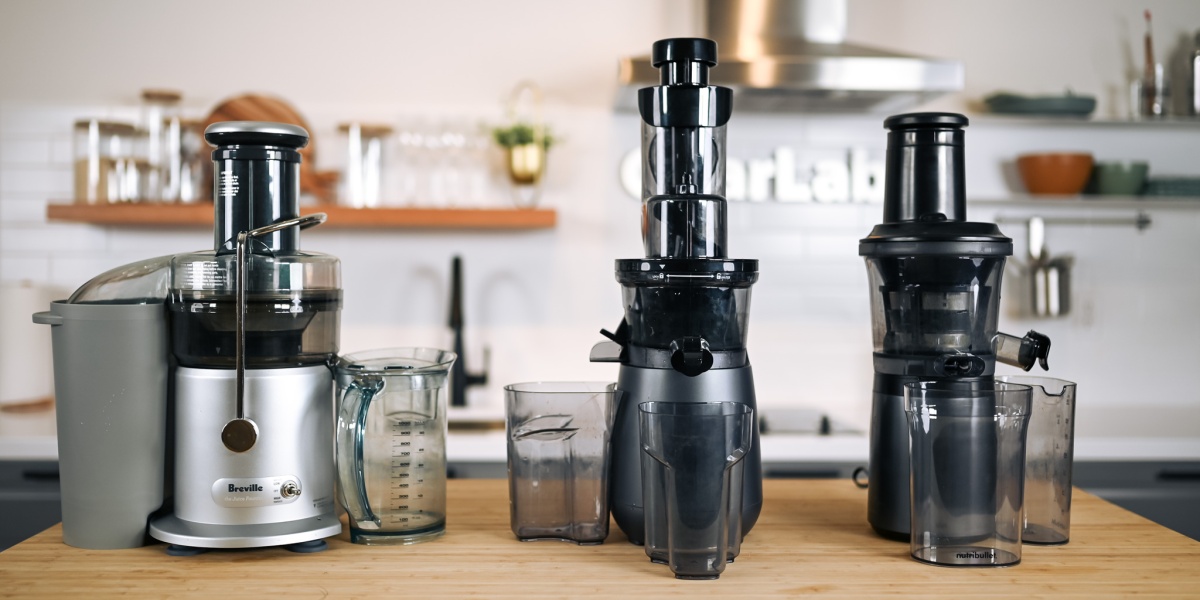
When selecting your masticating juicer, focus on models that deliver proven performance for your specific requirements. The Omega J8006 consistently delivers the best value for most home users, combining reliable extraction with versatile functionality at a reasonable price point. Its ability to handle leafy greens and soft produce with equal efficiency makes it the ideal starting point for new juicers.
For those with limited counter space, the Hurom H-600A offers exceptional extraction in a compact design with quiet operation. If you frequently juice large quantities or want maximum convenience, the Breville Juice Fountain Deluxe provides a wider feed chute that reduces prep time while maintaining cold-press benefits.
Make the Smart Choice for Your Health and Budget
When you understand the comprehensive benefits of slow masticating juicers, the decision becomes clear for anyone serious about maximizing the health value of fresh juice. Your investment delivers superior nutrition through better nutrient retention, higher juice yield, extended freshness, and versatile functionality—all while operating quietly and efficiently in your kitchen. Unlike short-lived centrifugal models that degrade the very nutrients you’re seeking, a quality masticating juicer preserves the complete nutritional profile of your produce, transforming each glass into a truly functional food that supports your health goals.
By choosing a slow masticating juicer, you’re not just buying an appliance—you’re investing in a daily ritual that delivers measurable improvements in energy, digestion, and overall wellness. The richer flavor, increased yield, and practical convenience ensure that juicing becomes a sustainable habit rather than a chore, helping you consistently incorporate more fruits and vegetables into your diet without compromise.