Ever wonder how your countertop juicer transforms a whole apple into a glass of fresh juice in seconds? Electric juicers break down plant cell walls through mechanical force to liberate the liquid nutrients trapped inside fruits and vegetables. Unlike blenders that pulverize everything into a fibrous mixture, juicers specifically separate the valuable liquid from the indigestible pulp and fiber. Understanding how does an electric juicer work reveals why some models produce clearer, more nutrient-dense juice than others—knowledge that directly impacts your health investment and daily kitchen routine.
The magic happens through physics and biology working together: plant cells contain water, vitamins, and minerals surrounded by cellulose walls, and juicers apply precisely calibrated force to rupture these walls while filtering out the fibrous material. Different juicer types accomplish this through distinct mechanisms that dramatically affect juice quality, yield, and nutritional value. Whether you’re extracting carrot juice for immunity or wheatgrass for detox, the extraction method determines how much of those precious nutrients actually make it into your glass.
Why Centrifugal Juicers Spin at 16,000 RPM to Extract Juice
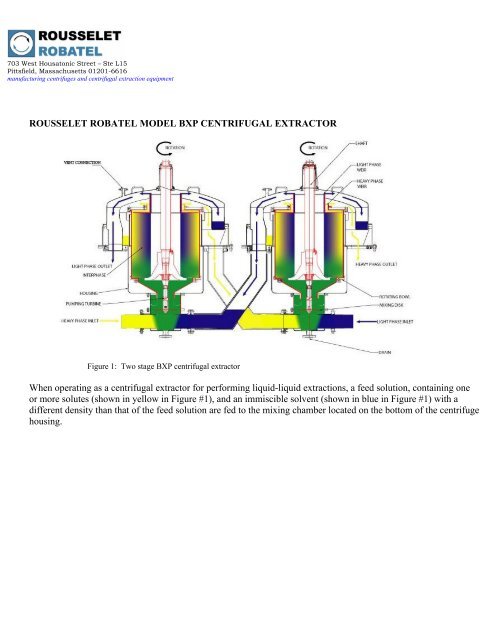
Centrifugal juicers dominate kitchen cabinets thanks to their lightning-fast operation, but their high-speed approach creates specific trade-offs you should know. These machines use a flat, toothed disc that shreds produce into microscopic particles the moment it contacts the spinning blade. Operating between 3,000-16,000 RPM, the disc generates centrifugal force powerful enough to propel liquid outward through a fine mesh filter while trapping heavier pulp against the filter walls.
What Happens During Centrifugal Extraction
As you feed an apple wedge into the chute, the blade instantly shreds it into a pulp slurry. The extreme rotational speed creates a vortex that separates components by density—liquid shoots through the filter while pulp gets pressed against the mesh. Juice flows downward into your waiting pitcher in seconds, ready to drink. This speed makes centrifugal juicers ideal for quick morning routines where time matters most.
Why Your Centrifugal Juice Separates and Oxidizes Faster
The high-speed operation generates significant heat and introduces oxygen into your juice, accelerating oxidation that degrades nutrients and alters flavor. Within minutes, you’ll notice separation in your glass as compounds settle out—a clear sign of reduced stability. Centrifugal juice typically lasts only 24 hours refrigerated compared to 72+ hours for cold-pressed varieties. For leafy greens and wheatgrass, centrifugal models leave up to 30% more moisture in the pulp, wasting valuable nutrients.
How Masticating Juicers Preserve Nutrients at 80 RPM
Masticating juicers take the opposite approach, using a single auger that rotates at just 40-100 RPM to crush produce against a screen—mimicking how our teeth break down food. This slow, deliberate action generates minimal heat, preserving heat-sensitive enzymes and vitamins that high-speed juicers destroy through friction.
Step-by-Step Masticating Juice Extraction
- Feed prepared produce through the wider chute (less chopping required)
- The spiral auger gradually presses ingredients against the screen
- Sustained pressure ruptures plant cells without shredding them
- Juice flows through the mesh while dry pulp ejects separately
- Collection pitcher fills with smooth, foam-free liquid
This method extracts 20-30% more juice from the same amount of produce compared to centrifugal models, especially with leafy greens and soft fruits. The resulting juice maintains color and flavor longer due to reduced oxidation, giving you more time to enjoy maximum nutritional benefits.
Cold Press Juice Extraction: 5,000 PSI Force vs. Heat Damage

True cold press juicers use hydraulic systems that apply over 5,000 pounds per square inch of pressure to extract every possible drop of liquid—without generating heat that degrades nutrients. Unlike high-speed or slow juicers, these machines follow a precise two-stage process that maximizes both yield and quality.
Why Cold Press Juice Tastes Different (And Better)
First, a stainless steel blade chops produce into coarse chunks rather than fine shreds. This preserves more cellular integrity before the critical pressing stage, where hydraulic pressure squeezes juice through fine filters. The extreme force extracts significantly more liquid from hard vegetables like beets and carrots while producing exceptionally smooth results from leafy greens. Cold press juice maintains vibrant color and complex flavors because the absence of heat prevents enzymatic browning and nutrient breakdown.
When Cold Press Justifies the Investment
If you juice daily or run a small juice business, cold press technology delivers noticeable advantages: higher yields (less produce wasted), longer shelf life (3-5 days refrigerated), and superior nutrient retention. The trade-off is higher cost and slower operation—expect to pay 3-5x more than centrifugal models and wait 2-3 minutes per serving. For serious health enthusiasts who consider juice a nutritional cornerstone, these machines deliver measurable returns.
Twin-Gear Juicers: Double Crushing for Maximum Yield from Carrots
Twin-gear juicers employ two interlocking gears rotating in opposite directions to process produce through dual crushing stages—making them the most efficient extraction method available. As ingredients pass between the meshing teeth, they experience both shredding and pressing actions that thoroughly break down cellular structures before final filtration.
Why Twin-Gear Excels with Wheatgrass and Leafy Greens
The dual-gear system creates a “scissoring” action that completely ruptures tough plant fibers wheatgrass and kale. Unlike single-auger masticating juicers that sometimes struggle with fibrous greens, twin-gear models extract up to 15% more juice while producing remarkably dry pulp. The slow 80 RPM operation preserves enzymes and nutrients while generating virtually no heat during processing.
The Hidden Cost of Premium Performance
Twin-gear juicers deliver professional-grade results but come with significant trade-offs: purchase prices often exceed $400, operation is slower than centrifugal models, and cleanup requires disassembling multiple precision components. If you juice primarily hard vegetables and occasionally process greens, a standard masticating juicer may offer better value. But for wheatgrass devotees or those maximizing expensive organic produce, twin-gear efficiency justifies the investment.
Step-by-Step: From Whole Apple to Fresh Juice in 60 Seconds
Every electric juicer follows the same fundamental extraction sequence regardless of mechanism. Mastering these steps ensures optimal results whether you’re using a $50 centrifugal model or $500 cold press system.
Critical Prep: Why Cutting Size Matters
Wash all produce thoroughly to remove pesticides and contaminants. Cut items to match your juicer’s feed tube size—1-inch cubes for centrifugal models, larger chunks for masticating types. Remove hard pits and seeds that could damage blades. For leafy greens, roll kale or spinach into tight bundles before feeding to prevent clogging.
Feeding Technique: Avoid These Two Costly Mistakes
Never force produce through the chute—that causes jams and reduces yield. Instead, use steady, moderate pressure with the included tamper. Alternate hard and soft ingredients (like carrots followed by cucumber) to maintain consistent flow. Overfilling the chute creates blockages; underfeeding causes inefficient processing and wasted produce.
3 Costly Mistakes to Avoid When Buying Your First Juicer
Most beginners regret these oversights when their new juicer fails to meet expectations. Understanding how does an electric juicer work reveals why these mistakes happen and how to prevent them.
Mistake #1: Ignoring Your Primary Ingredients
Centrifugal juicers excel with hard fruits but struggle with leafy greens. If your goal is daily green juice, invest in a masticating or twin-gear model instead. Match the juicer type to your most frequent ingredients—this single decision impacts 80% of your satisfaction.
Mistake #2: Underestimating Cleanup Time
All juicers require immediate cleaning to prevent residue buildup. Centrifugal models typically clean in 5-7 minutes; masticating and cold press units take 10-15 minutes due to more components. If you hate cleanup, choose a model with dishwasher-safe parts or minimal assembly.
Centrifugal vs Masticating: Which Works Best for Daily Green Juice?

Your juice goals determine the ideal juicer type. For quick orange juice 2-3 times weekly, a $70 centrifugal model suffices. But if you’re committed to daily green juices with wheatgrass and leafy vegetables, a $200 masticating juicer delivers superior results with higher yields and better nutrient retention.
When Centrifugal Makes Sense
- You prioritize speed over juice quality
- Most ingredients are hard fruits/vegetables
- Budget is under $100
- Cleanup time must be minimal
When to Choose Masticating
- Daily juicing with leafy greens
- Maximum nutrient preservation matters
- You process wheatgrass regularly
- Willing to spend 10+ minutes cleaning
The right match prevents frustration and wasted produce—ensuring your juicing habit becomes sustainable rather than abandoned after a few attempts. Understanding how does an electric juicer work transforms you from a casual user into an informed operator who extracts maximum value from every piece of produce.