Your juicer has stopped performing like it used to—pulp is mixing with your juice, extraction seems inefficient, and that stubborn residue won’t come off with a quick rinse. If you’ve ever wondered how to take apart a juicer properly to access those hard-to-reach components, you’re not alone. Thousands of juicer owners struggle with incomplete cleaning that leads to reduced performance and premature wear. Proper disassembly isn’t just about cleaning—it’s essential maintenance that extends your appliance’s lifespan and ensures you’re getting the maximum nutritional value from your fruits and vegetables. In this guide, you’ll learn the precise steps to safely disassemble any standard centrifugal or masticating juicer, identify problem areas most users miss, and establish a maintenance routine that keeps your juicer operating at peak efficiency.
Essential Safety Precautions Before Disassembling Your Juicer
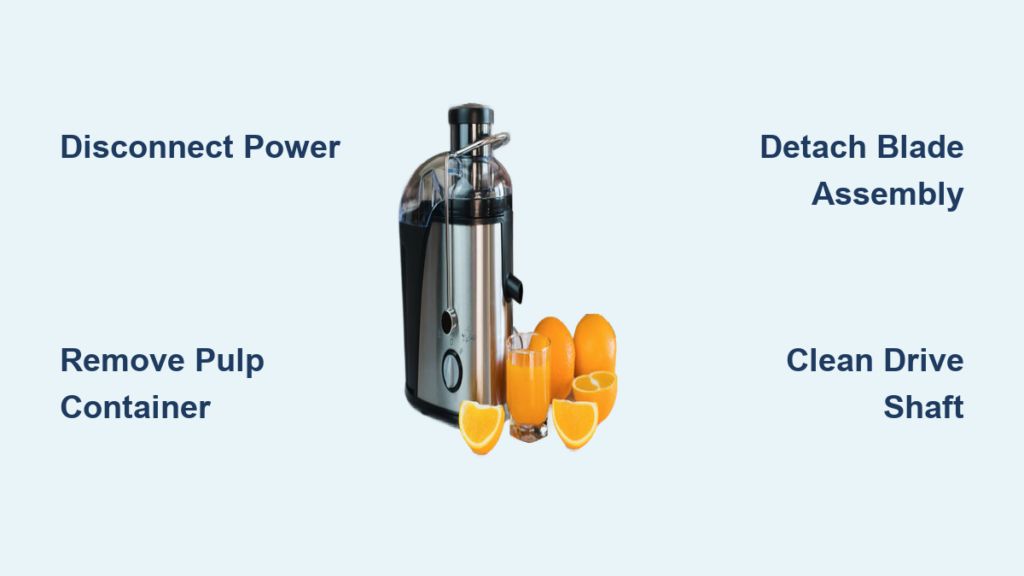
Never attempt juicer disassembly while the appliance remains plugged in or immediately after use. Allow your juicer to cool completely—most motor housings retain heat for 20-30 minutes after operation. Working with warm components increases the risk of warping plastic parts and creates potential slipping hazards when handling sharp blades. Always disconnect power at the source, not just by turning off the machine, as residual electrical current could activate the motor during disassembly. Keep children and pets away from your workspace, as juicer blades maintain surgical sharpness even after extensive use.
Critical Safety Gear You Must Wear
- Cut-resistant gloves (Kevlar or stainless steel mesh)
- Safety glasses to protect against flying pulp residue
- Non-slip work surface mat to prevent component sliding
- Dedicated container for sharp parts (never leave blades loose on your counter)
Identifying Your Juicer Type and Components Before Disassembly

Centrifugal and masticating juicers require different disassembly approaches. Centrifugal models (like Breville or Hamilton Beach) use fast-spinning baskets and blades, while masticating units (such as Omega or Tribest) feature slow-turning augers. Locate your model number—typically found on the bottom plate or near the power cord entry—and consult your manual for specific disassembly warnings. Most juicers share these core components:
- Feed chute and pusher assembly
- Strainer basket or filter screen
- Blade assembly or auger
- Pulp container and juice collector
- Motor housing with drive shaft
How to Determine If Your Juicer Needs Full Disassembly
- Persistent cloudy juice despite regular cleaning
- Unusual grinding noises during operation
- Visible buildup between mesh layers
- Decreased juice yield from identical produce
- Difficulty inserting the pusher due to residue accumulation
Step-by-Step Guide to Disassembling Centrifugal Juicers
Begin with the removable components you use daily—the pulp container, juice jug, and lid. Most users skip checking the locking mechanisms that secure these parts to the main housing. Rotate each piece counterclockwise while applying slight upward pressure; many juicers have hidden tabs that require specific alignment for removal. Never force components, as this cracks the plastic housing.
Removing the Strainer Basket and Blade Assembly
- Locate the central locking nut above the strainer basket
- Place your thumb on the drive shaft button (usually recessed)
- Rotate the basket counterclockwise while holding the shaft stationary
- Lift the basket straight up to avoid bending the teeth
- Carefully slide the blade assembly off the drive shaft
Critical warning: Juicer blades remain extremely sharp even after years of use. Always handle blades by the plastic hub, never the cutting edges. If you encounter resistance during removal, check for pulp jams around the drive shaft before applying additional force.
Deep Cleaning the Motor Housing and Drive Shaft
With the main components removed, inspect the drive shaft protruding from the motor housing. Use a soft-bristled brush (never metal) to remove debris from the shaft grooves. For stubborn residue, dampen a cloth with white vinegar and wrap it around the shaft while gently rotating. Never immerse the motor housing in water or run it under the tap—moisture intrusion causes irreversible electrical damage. Wipe the housing interior with a microfiber cloth, paying special attention to the rubber gasket area where mold commonly develops.
Disassembling Masticating (Slow) Juicers Properly
Masticating juicers require different handling than centrifugal models. Start by removing the end cap from the auger housing—this often twists off or releases with a quarter-turn. Unlike centrifugal juicers, masticating units contain multiple interlocking components that must be removed in precise sequence. The auger itself typically slides out after removing the screen holder, but some models require loosening set screws first.
Removing the Auger and Screen Assembly
- Place the juicer on its side with the auger end facing up
- Locate and remove any retaining rings or clips
- Gently pull the auger straight out—never twist
- Separate the screen from the screen holder by releasing tabs
- Remove the pulp pusher mechanism from the feed chute
Pro tip: Take photos at each disassembly stage with your phone. This visual reference prevents reassembly errors, especially with multi-part screens that have specific orientation requirements.
Cleaning the Masticating Chamber Without Damage
The narrow chamber of masticating juicers traps fine pulp particles that reduce efficiency. Use a long, flexible brush designed for bottle cleaning to reach deep into the chamber. For citrus residue buildup, create a paste of baking soda and water, apply with a soft toothbrush, then rinse thoroughly. Never use abrasive pads or harsh chemicals that degrade the food-grade plastics in these precision-engineered chambers.
Troubleshooting Common Disassembly Problems

When Components Won’t Release
If parts stick during disassembly, don’t force them. Apply food-grade silicone lubricant to the connection points and wait 5 minutes for penetration. For metal components, gently tap around the joint with a rubber mallet—never strike directly on plastic parts. Check for hidden latches underneath the unit that manufacturers sometimes position to prevent accidental disassembly during operation.
Dealing with Stripped Threads on Plastic Components
Many users damage plastic threads by over-tightening during reassembly. If you encounter stripped threads, wrap the affected area with plumber’s tape before reassembly. For severe damage, contact the manufacturer for replacement parts rather than forcing compromised components.
Reassembly Checklist to Prevent Operational Failures
Reassemble components in reverse order of disassembly, but with critical verification steps at each stage. Before securing the final component, manually rotate the auger or basket to check for binding. Proper alignment produces smooth, quiet rotation; resistance indicates misalignment that causes excessive wear. Confirm all seals are properly seated—leaks almost always stem from improperly positioned gaskets rather than damaged components.
Ensuring Proper Blade Alignment in Centrifugal Models
The single most common reassembly error involves blade orientation. The cutting edges must face downward toward the strainer basket. Incorrect installation creates immediate performance issues and dangerous vibration. Verify alignment by checking that the blade’s manufacturer markings face upward when properly installed.
Establishing a Preventative Maintenance Schedule
Disassemble and deep clean your juicer after every 10-15 uses, not just when performance declines. For daily users, this means weekly disassembly; occasional users should perform maintenance monthly regardless of usage frequency. After each use, rinse components immediately—dried pulp creates tenacious buildup that requires aggressive cleaning methods. For citrus juicing sessions, disassemble within 24 hours to prevent acidic residue from etching plastic components.
Creating a Maintenance Kit for Quick Disassembly
Keep these items in a dedicated container near your juicer:
– Food-grade silicone lubricant
– Soft-bristled cleaning brushes of various sizes
– Replacement gaskets (order a kit annually)
– Non-marring plastic tools for stubborn components
– Microfiber cloths specifically for juicer maintenance
When to Seek Professional Service Instead of DIY Repair
If you notice electrical issues like burning smells, intermittent operation, or visible damage to the power cord, stop using the juicer immediately. Internal electrical components require specialized knowledge to service safely. Similarly, if the motor housing shows cracks or the drive shaft wobbles excessively, these indicate structural failures beyond safe user repair. Most manufacturers void warranties when users attempt internal motor repairs, so consult professional service for issues involving the base unit rather than removable components.
Taking apart your juicer properly transforms frustrating maintenance into an efficient routine that preserves your investment and ensures optimal performance. By following these specific disassembly procedures tailored to your juicer type, you’ll eliminate the hidden buildup that compromises juice quality and appliance longevity. Remember that consistent, proper cleaning after each use reduces the need for intensive disassembly sessions—making your juicing experience more enjoyable and your machine more reliable. For future reference, bookmark this guide and take model-specific photos during your first disassembly to create a personalized reference that makes maintenance quicker each time.