Finding the perfect juicer machine transforms your kitchen routine and directly impacts how consistently you’ll incorporate fresh, nutrient-packed juices into your daily life. With options spanning from budget-friendly centrifugal models under $100 to premium twin gear juicers exceeding $2,000, knowing how to choose a juicer machine requires understanding your specific needs and the fundamental differences between technologies. This guide cuts through marketing hype to help you select the juicer you’ll actually use regularly—because the best juicer is the one that fits seamlessly into your lifestyle while delivering the quality results you expect.
Many people invest in expensive juicers only to let them gather dust because they didn’t match their actual needs. Taking 15 minutes to understand the critical differences between juicer types prevents costly mistakes and ensures your investment delivers real nutritional benefits. Whether you’re a busy parent needing quick morning juice or a health enthusiast focused on maximum nutrient extraction, the right machine makes all the difference.
Centrifugal vs. Masticating vs. Twin Gear: Breaking Down Juicer Technologies
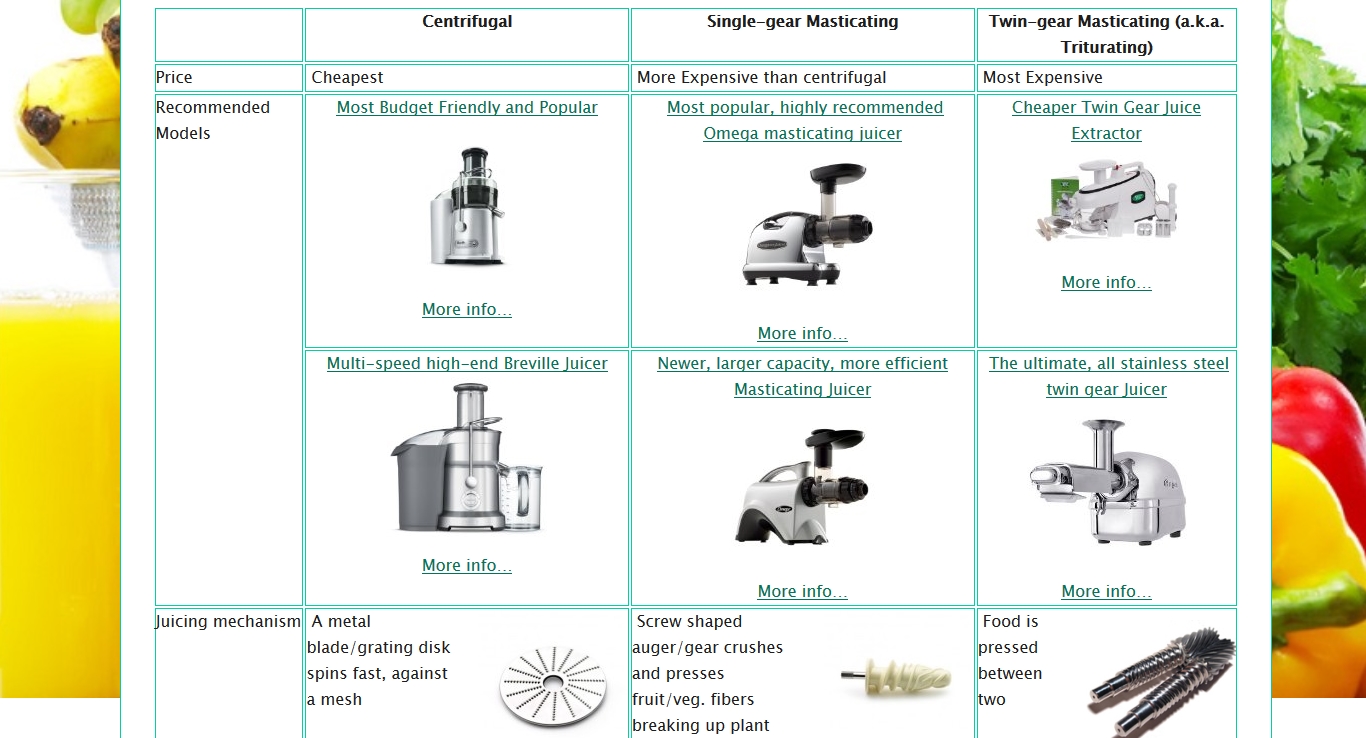
Understanding these three core technologies forms the foundation of your decision-making process, as each operates on fundamentally different principles with distinct advantages.
Why Centrifugal Juicers Win for Speed and Convenience
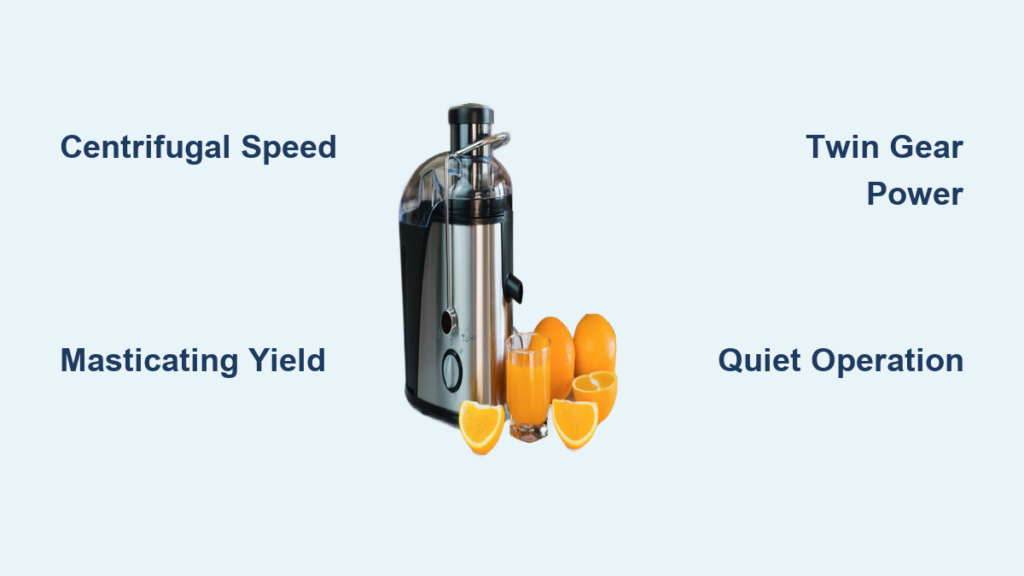
Centrifugal juicers, spinning at 10,000-16,000 RPM, process whole apples and carrots in under five minutes with minimal prep. Their wide feed chutes accept whole produce, making them ideal when time matters most. The Breville Juice Fountain Compact and Hamilton Beach Big Mouth Pro exemplify this category with prices ranging from $75-$300.
However, these speed advantages come with trade-offs: the high-speed spinning generates heat that accelerates oxidation, degrading nutrients and limiting juice freshness to just a few hours. They also struggle dramatically with leafy greens—expect minimal yield from spinach or wheatgrass. The noise level rivals power tools, potentially disturbing household members during early morning juicing sessions.
Masticating Juicers: The Nutrient Preservation Powerhouse
Operating at just 43-80 RPM, masticating juicers (like the Hurom Slow Juicer and Omega 8006) slowly “chew” produce to break down cell walls before extraction. This cold-press method preserves significantly more enzymes and nutrients while producing juice that stays fresh for 48+ hours when refrigerated properly.
These machines deliver 20-30% higher juice yield from your produce investment, particularly noticeable with leafy greens and wheatgrass. While they require cutting produce into smaller pieces and take 5-7 minutes to produce 500ml of juice (versus 3-4 minutes for centrifugal), their quiet operation—comparable to a purring cat—makes them ideal for households with sleeping children.
Twin Gear Juicers: Maximum Extraction for Serious Enthusiasts
Twin gear juicers like the Super Angel 5500 and Green Star Elite operate at 60-120 RPM using two interlocking gears that grind and press produce through a sophisticated dual-stage process. This delivers the highest juice yield of any residential model—up to 25% more from carrots and 30% more from leafy greens compared to budget options.
The resulting juice maintains exceptional quality for up to 72 hours when stored properly, making batch preparation practical for busy schedules. These premium machines ($450-$2,000) also handle non-juicing tasks like nut butter production. While they require more assembly time and careful cleaning, their 12-year warranties reflect exceptional durability for daily heavy use.
Why Juice Yield Determines Your Long-Term Produce Savings

Juice yield directly impacts your ongoing grocery costs and the true value of your juicer investment.
The Math Behind Higher Extraction Rates
Consider this: if you spend $100 monthly on produce and a premium juicer gives you 30% more juice, that’s $30 in monthly savings or $360 annually. Over a decade, this adds up to $3,600—potentially exceeding the price difference between juicer models. Heavy users should strongly consider investing in higher-yield machines, while occasional juicers might find budget models sufficient.
Identifying High-Yield Models Worth the Investment
Look for juicers that consistently produce drier pulp, indicating efficient extraction. Twin gear models like the Angel Juicer ($800) extract approximately 25% more juice from carrots compared to affordable options like the Samson 6 in 1 ($179). For green juice enthusiasts, the yield difference with leafy greens can reach 30%—a dramatic improvement for those prioritizing nutrient-dense ingredients.
Critical Questions to Ask Before Buying Any Juicer
Answering these questions prevents mismatched purchases that lead to unused appliances.
What Percentage of Your Juice Will Be Leafy Greens?
If more than 15% of your juice includes spinach, kale, or wheatgrass, centrifugal juicers simply won’t work—they produce minimal yield from these ingredients. Masticating or twin gear juicers become essential investments for green juice enthusiasts, with twin gear models delivering superior results from delicate greens.
How Many People Will Drink This Juice Daily?
Single individuals can work with smaller-capacity machines, while families benefit from higher-output models. Horizontal masticating juicers handle continuous use better for multiple daily servings, though they require permanent counter space. Vertical juicers offer smaller footprints suitable for compact kitchens where space matters.
Noise Levels and Kitchen Space: Practical Considerations Often Overlooked
Quiet Operation for Family-Friendly Juicing
Masticating juicers operate at noise levels comparable to a quiet conversation, making early morning juicing possible without disturbing sleeping household members. Centrifugal models, by contrast, generate noise similar to power tools—potentially problematic for apartment dwellers or homes with light sleepers.
Space Requirements That Determine Daily Use
Measure your available counter space before purchasing—horizontal juicers require substantial permanent space but produce higher quantities. Vertical juicers fit smaller kitchens but may have reduced capacity. Lightweight centrifugal models work well when you need to store the appliance between uses. Remember to account for space needed for collection bowls and produce preparation areas.
Warranty Terms That Reveal True Juicer Quality

Warranty length directly correlates with manufacturer confidence in their product.
- Centrifugal juicers: Typically 1-5 year warranties (motors can burn out under heavy use)
- Masticating juicers: Usually 10+ years on motors, 5+ years on parts
- Twin gear juicers: Often 12-year warranties reflecting robust construction
Verify what warranties cover—some require international shipping for repairs while others maintain local service centers. Check whether coverage includes both parts and labor, as some warranties only cover component replacement.
Cleaning Time Realities: What Manufacturers Don’t Tell You
The Truth About “Quick Clean” Claims
While marketing materials emphasize cleaning time differences, practical experience shows most juicers clean quickly after a few uses. Rinsing parts under running water typically takes seconds, regardless of model. Dishwasher-safe components further simplify maintenance for most machines.
Essential Cleaning Tools Worth Investing In
Most juicers include specialized brushes designed for cleaning baskets and gear mechanisms. If yours doesn’t, purchase one separately—this small investment makes thorough cleaning effortless. For centrifugal juicers, lining pulp baskets with biodegradable bags allows quick disposal of waste.
Budget Smart: When to Splurge and When to Save on Juicers
The False Economy of Budget Juicers
Models under $100 often disappoint with poor yield, difficult cleaning, and premature breakdown. Many inexpensive juicers become kitchen clutter within the first year of ownership as users grow frustrated with performance.
The Long-Term Value of Quality Investment
Spending $200+ typically yields a machine lasting 10+ years with proper care—the better investment for anyone serious about consistent juicing. The higher juice yield, reliability, and enjoyable experience encourage regular use that delivers real health benefits.
Final Selection Strategy: Choose the Juicer You’ll Actually Use
The perfect juicer balances performance with practicality for your specific situation. A centrifugal model used consistently provides more health benefits than a premium twin gear juicer gathering dust because it’s too cumbersome. Consider your realistic schedule, willingness to prep produce, and genuine commitment to daily juicing.
Read verified purchaser reviews focusing on long-term reliability and actual yield rather than marketing claims. Many manufacturers offer generous return policies—test a juicer in your home before committing. View your purchase as an investment in long-term health; the right juicer pays dividends through improved nutrition, increased energy, and support for maintaining a healthy lifestyle for years to come.