Ever wonder what transforms your apples, carrots, and kale into a vibrant glass of nutrient-packed juice in minutes? Understanding how does a juicer work reveals a fascinating blend of physics and engineering designed specifically to extract maximum liquid from plant matter while separating it from fibrous pulp. Unlike blenders that create uniform smoothies containing all the original material, juicers perform a precise separation process that isolates the liquid essence of fruits and vegetables. This mechanical extraction process preserves vital nutrients while delivering a smooth, pulp-free beverage that your body can absorb almost immediately. Whether you’re a new juicing enthusiast or simply curious about your countertop appliance, knowing how does a juicer work empowers you to maximize your machine’s potential and appreciate the science behind every refreshing sip.
The magic happens through a carefully engineered sequence where mechanical force breaks down plant cell structures to release trapped liquids. As you feed produce through the chute, specialized components inside the juicer systematically crush, press, or spin the material to separate juice from pulp through a fine mesh filter. This fundamental process remains consistent across juicer types, though the specific mechanism varies dramatically between models. The result? Pure liquid nutrition flowing into your glass while dry pulp exits through a separate channel—no blending, no heating, just pure extraction. By understanding how does a juicer work, you’ll make smarter choices about which machine suits your needs and how to get the most from every juicing session.
Why Centrifugal Juicers Spin at Extreme Speeds to Extract Juice

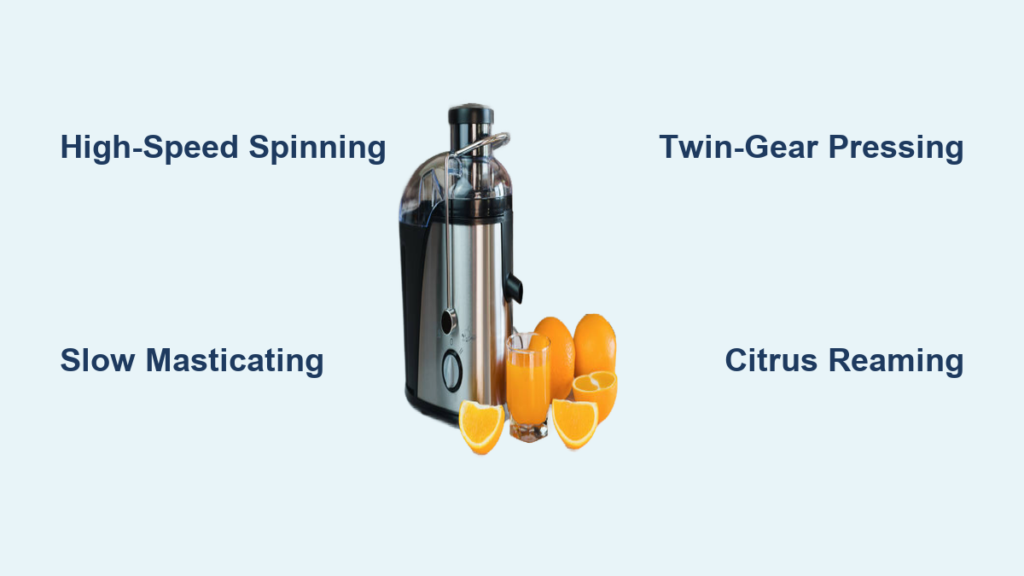
Centrifugal juicers dominate kitchen counters for good reason—they transform hard produce into fresh juice in mere seconds through a high-speed mechanical process. When you push an apple through the feed chute, it immediately encounters a sharp, flat cutting blade that shreds it into tiny pieces. These fragments then enter a rapidly spinning mesh basket, rotating at 3,000 to 16,000 RPM depending on your model. The extreme centrifugal force generated by this spinning motion throws the shredded produce against the basket walls, forcing juice through the microscopic holes in the mesh while trapping pulp inside.
This high-speed approach delivers impressive results with firm fruits and vegetables like carrots, beets, and apples, where the rigid structure withstands the aggressive chopping without turning to mush. However, the same speed that makes centrifugal juicers efficient creates two significant limitations you should know:
- Heat generation from friction can elevate juice temperature, potentially degrading heat-sensitive nutrients
- Oxidation occurs as air mixes with juice during spinning, reducing nutritional value and shelf life
- Lower yield compared to slow juicers, especially with leafy greens and soft fruits
Despite these drawbacks, centrifugal juicers remain the perfect starting point if you prioritize speed and convenience over absolute maximum nutrition. Their straightforward operation and affordable price point make them ideal for beginners who want immediate results with minimal cleanup.
How Slow Masticating Juicers Preserve Maximum Nutrition Through Gentle Extraction
Masticating juicers—often called cold press or slow juicers—take a fundamentally different approach that prioritizes nutrient preservation over speed. Instead of violent spinning, these machines use a single auger rotating at just 40-100 RPM to gradually crush produce against a static screen. As you feed kale stems or wheatgrass through the chute, the auger slowly compresses the material, mimicking the chewing action that gives these juicers their name. This deliberate, low-speed grinding breaks down plant cell walls through mechanical pressure rather than impact, releasing juice while generating minimal heat.
The slow extraction process delivers three critical advantages over centrifugal models:
- Higher nutrient retention due to minimal heat exposure during processing
- Reduced oxidation preserves enzymes and extends juice shelf life to 72 hours
- Superior yield extracts 20-30% more juice from the same amount of produce
Watch for these visual cues that confirm your masticating juicer works correctly: consistently dry pulp exiting the ejector, minimal foam in your juice collection container, and vibrant color retention in green juices. These machines excel with leafy greens, herbs, and soft fruits that centrifugal juicers struggle with, making them worth the higher initial investment if you regularly juice delicate ingredients.
What Makes Twin-Gear Juicers Extract Every Possible Drop of Juice
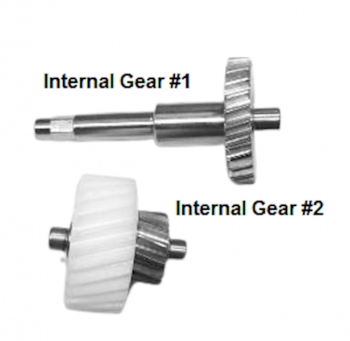
Twin-gear juicers represent the pinnacle of home juice extraction technology, employing two interlocking gears rotating in opposite directions to achieve unprecedented efficiency. As produce enters the feed chute, the dual gears first crush it with tremendous force before pressing it through an extremely fine mesh screen. This two-stage process—crushing followed by pressing—extracts significantly more juice than single-auger masticating models while introducing even less oxygen into the final product.
The precision engineering of twin-gear juicers delivers three distinct benefits you won’t find in other models:
- Maximum yield from challenging ingredients like wheatgrass and tough greens
- Exceptional nutrient density due to minimal heat and oxidation
- Versatility to handle everything from hard root vegetables to delicate herbs
When your twin-gear juicer works properly, you’ll notice the pulp exiting completely dry and crumbly rather than moist—a clear sign that every possible drop of juice has been extracted. While these machines command premium prices, serious juicing enthusiasts consider them worthwhile investments for their superior performance and longevity.
Why Citrus Juicers Use Simple Mechanics for Perfect Orange Juice
Citrus juicers operate on remarkably straightforward principles compared to multi-purpose machines, using ridged conical reamers to extract juice through direct pressure rather than complex mechanical systems. When you press a halved orange onto the reamer, downward force combined with rotation (manual or electric) punctures the fruit’s vesicles to release juice while the cone’s shape directs liquid downward. Unlike general juicers that process whole produce, citrus models discard the peel after halving, capturing the valuable essential oils from the zest that enhance flavor.
The simplicity of citrus juicers creates three key advantages for orange, lemon, and grapefruit lovers:
- No oxidation since juice never contacts high-speed blades
- Superior flavor from incorporated essential oils in the peel
- Minimal cleanup with just one or two parts to wash
You’ll know your citrus juicer works effectively when the extracted juice contains no bitter pith and the squeezed halves feel completely depleted of liquid—like dry sponges rather than juicy fruit halves.
How to Choose the Perfect Juicer Based on Extraction Mechanics
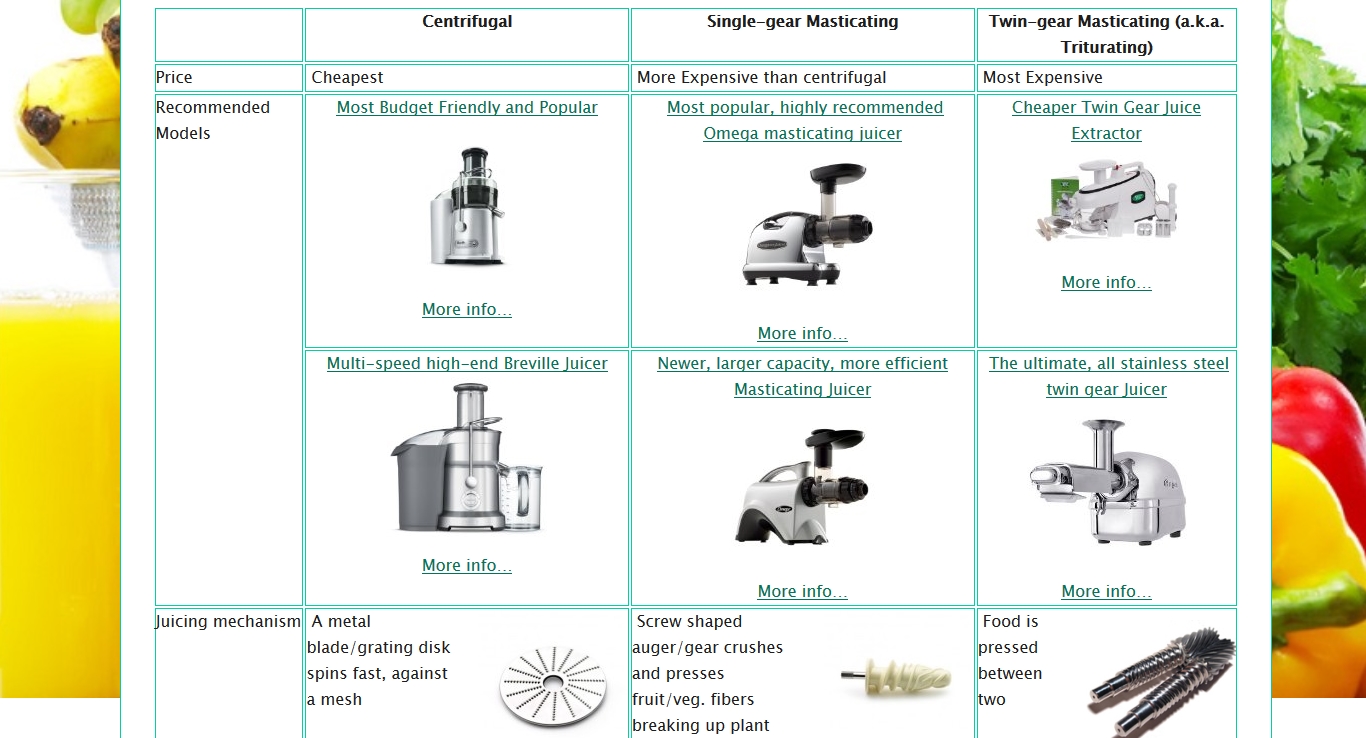
Selecting the right juicer requires matching the extraction mechanism to your specific needs and priorities. Centrifugal models work best if you value speed above all else and primarily juice hard produce like carrots and apples. Their aggressive spinning delivers instant results with minimal prep, making them ideal for busy mornings when you need juice in under a minute.
Masticating juicers become your optimal choice if you regularly juice leafy greens, wheatgrass, or soft fruits and prioritize nutrient retention. The slow, cold-press extraction preserves enzymes and delivers noticeably higher yields—especially valuable if you juice daily and want to maximize your produce investment.
Twin-gear systems justify their higher cost when you demand absolute maximum nutrition and yield from every ingredient. Serious health enthusiasts who juice multiple times daily find these machines pay for themselves through superior performance and longevity.
Before buying, ask yourself these critical questions:
– What percentage of my juicing involves leafy greens versus hard produce?
– How important is juice shelf life for my lifestyle?
– Am I willing to spend extra time cleaning for better nutritional results?
– Does my budget allow for premium extraction technology?
Understanding how does a juicer work transforms you from a passive user into an informed operator who can maximize each machine’s potential. Whether you own a basic centrifugal model or a professional twin-gear system, recognizing the mechanical principles at work helps you troubleshoot issues, optimize produce preparation, and ultimately enjoy more nutritious, flavorful juice from every session. The next time you press that “on” button, remember the sophisticated engineering working behind the scenes to deliver nature’s liquid nutrition straight to your glass.