Imagine waking up with energy that lasts all day, immune defenses strong enough to keep you healthy through cold season, and glowing skin—all without expensive supplements or drastic lifestyle changes. The secret isn’t a miracle pill but a simple appliance sitting on your kitchen counter: a juicer. Having a juicer transforms how you access nutrition, delivering concentrated vitamins, minerals, and antioxidants in a form your body absorbs faster than whole foods. Unlike store-bought juices packed with added sugars and preservatives, fresh juice made at home provides pure, unadulterated nutrition tailored to your specific health goals. Whether you’re struggling to meet your daily fruit and vegetable requirements or seeking targeted health improvements, the benefits of having a juicer in your kitchen create a practical pathway to better wellbeing that fits into even the busiest schedules.
The global cold-pressed juicing market has grown substantially as millions discover these advantages, and you can experience them right in your own home. This guide reveals exactly how juicing delivers measurable health improvements backed by nutritional science, while providing practical solutions to common dietary challenges. You’ll learn specific juice combinations for your health priorities, how to avoid common pitfalls, and why certain juicer types deliver superior results for your lifestyle.
Why Your Morning Routine Needs a Juicer Today
The fundamental advantage of having a juicer lies in its ability to transform raw produce into concentrated, readily absorbable nutrition that fits into demanding schedules. Preparing whole fruits and vegetables for conventional consumption requires washing, chopping, and often cooking—processes that consume significant time many feel they cannot spare. A quality juicer reduces this effort to minutes, delivering the nutritional equivalent of several servings of produce in a single glass you can drink on the go. Modern juicers feature wide feed chutes that accommodate whole produce without extensive prep work, multiple speed modes for different ingredients, and quick-cleaning components that minimize maintenance.
How Much Produce Can You Really Consume Whole?
Most adults struggle to meet the recommended daily intake of 5-9 servings of fruits and vegetables. Juicing allows you to consume the nutritional equivalent of 4-6 servings in a single 8-16 ounce glass that would be physically challenging to eat whole. The extraction process breaks down cellular structures that might otherwise require substantial digestive effort, allowing your body to absorb nutrients more rapidly and efficiently. This enhanced bioavailability proves particularly valuable for individuals with compromised digestive function or anyone seeking to maximize nutritional return on produce investments.
The 5-Minute Nutritional Jumpstart You’ve Been Missing
Juicing streamlines the process of achieving daily nutritional goals dramatically. Instead of spending hours on meal preparation, you can transform whole produce into consumable nutrition in minutes. The portability of fresh juice means nutritional benefits can be transported and consumed anywhere—whether at home, work, or during travel—supporting consistent dietary habits regardless of location or schedule constraints. You can prepare juice the night before and take it to work, or make it fresh in the morning and drink it during your commute, removing common barriers that prevent people from maintaining nutritious eating patterns.
How Fresh Juice Boosts Immunity Faster Than Whole Foods

Juicing delivers a high concentration of immune-boosting nutrients that strengthen your body’s natural defense mechanisms against illness and infection. Vitamin C, vitamin E, and zinc found in fresh juices work synergistically to enhance immune cell function and protect against pathogenic invasion. Orange and carrot juice combinations provide particularly robust levels of vitamin C and beta-carotene, while ginger shots offer potent anti-inflammatory and antimicrobial properties that help your body resist infection. Berry juices contribute additional antioxidant protection that shields immune cells from oxidative damage.
The Vitamin C Delivery System Doctors Recommend
Citrus fruits provide some of the highest concentrations of vitamin C available. Adding lemon or lime to any juice combination not only enhances flavor but increases vitamin C content and helps preserve other nutrients. Dark leafy greens add immune-supporting compounds including vitamin E and various phytonutrients that work alongside vitamin C. Regular consumption of these nutrient-dense juices can meaningfully reduce susceptibility to common illnesses, particularly during cold and flu season.
Heart-Healthy Juice Combinations Backed by Science

Research demonstrates that pure fruit and vegetable juice positively influences cardiovascular health through multiple mechanisms. Beet juice enhances nitric oxide levels, relaxing blood vessels and improving blood flow throughout the body. Athletes have long recognized beet juice for performance enhancement, but its heart-healthy properties make it valuable for anyone concerned about cardiovascular wellness.
Pomegranate’s Secret Weapon Against Arterial Plaque
Pomegranate juice reduces arterial plaque accumulation by protecting LDL cholesterol from oxidative damage. The polyphenols in pomegranate support healthy blood pressure levels while leafy green juices provide antioxidants that protect cardiovascular tissues. Spinach and kale juices contain compounds that help regulate homocysteine levels, an emerging risk factor for cardiovascular disease. By incorporating these heart-healthy combinations regularly, you contribute to lower risk profiles for heart disease.
Rapid Energy Without Caffeine: The Juicer Advantage
Unlike energy drinks that create temporary alertness followed by crashes, juicing provides natural, sustained energy through natural fruit sugars and essential vitamins. Beet juice improves blood flow and oxygen delivery to tissues, enhancing both physical stamina and mental alertness. The nitrates in beet juice convert to nitric oxide during digestion, relaxing blood vessels and improving circulation.
Why Juice Energy Lasts Longer Than Coffee
Citrus juices packed with vitamin C offer refreshing energy lifts without caffeine’s jitters or crashes. The vitamin C in citrus supports iron absorption, which directly impacts energy levels since iron deficiency causes fatigue. Leafy greens provide iron that combats fatigue and supports optimal oxygen transport. B vitamins found in fruits and vegetables support energy metabolism at the cellular level, providing building blocks your body needs to convert food into usable fuel.
Vegetable-Heavy Juicing: The Smart Path to Blood Sugar Balance
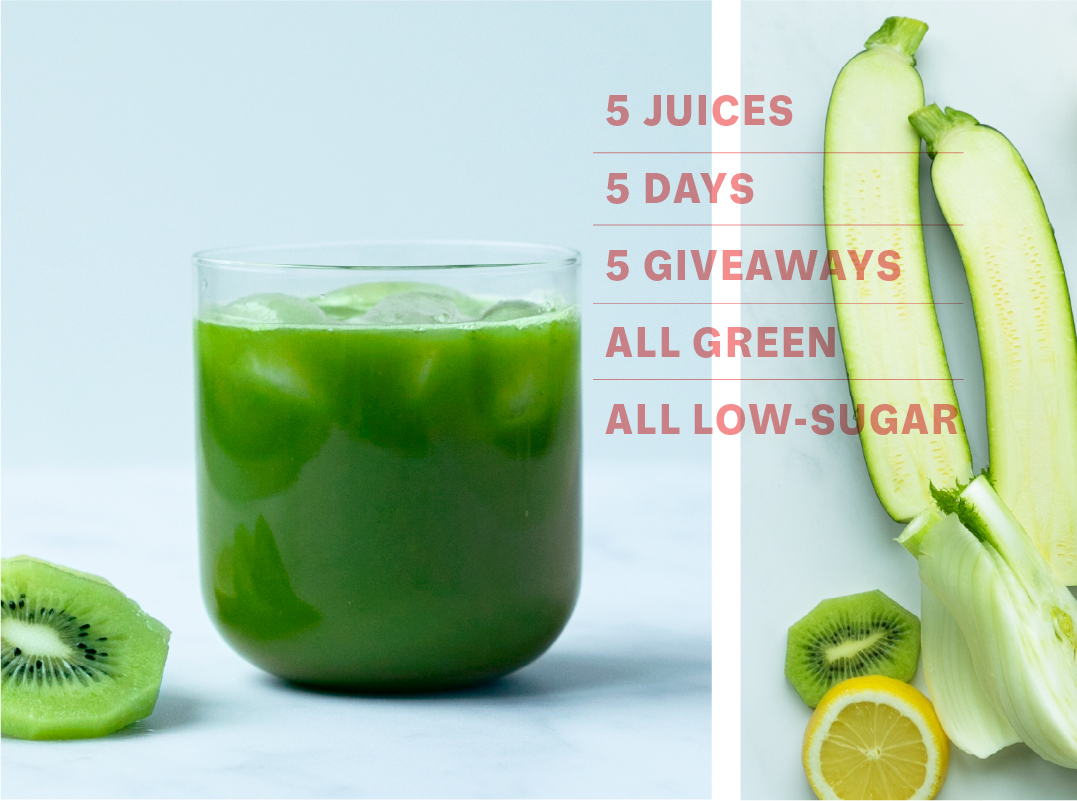
While fresh juice delivers concentrated nutrition, it also concentrates natural sugars. When fiber is removed during juicing, sugar is absorbed rapidly, potentially causing blood sugar spikes. The solution follows an 80% vegetable to 20% fruit ratio, providing natural sweetness while minimizing glycemic impact.
The 80/20 Rule for Low-Sugar, High-Nutrient Juices
Strategic ingredient selection prioritizes vegetable-heavy combinations over fruit-dominant recipes. Adding fiber-rich ingredients like lemon pulp or small amounts of avocado can further slow sugar absorption. Monitoring portion sizes supports blood sugar management, as an 8-ounce glass of juice typically contains 100-180 calories. Mindful consumption supports both blood sugar control and weight management objectives.
Cold-Pressed vs. Centrifugal: Choosing Your Ideal Juicer Type
Cold-Pressed Masticating Juicers: The Nutrient Preservation Champion
Cold-pressed juicers operate by gently compressing produce without introducing heat, preserving crucial enzymes and nutrients. These machines grind at slow speeds before pressing pulp through a mesh screen, resulting in juice that retains some pulp and fiber. The slower processing generates minimal heat, protecting sensitive nutrients like vitamin C. Extraction efficiency typically exceeds faster alternatives, meaning more juice from equivalent produce quantities.
Centrifugal Juicers: The Speed and Convenience Leader
Centrifugal juicers operate at higher speeds using rapidly spinning blades to separate pulp from liquid. This yields juice quickly, ideal for those prioritizing convenience. While the high-speed operation generates some heat and introduces more air (slightly reducing nutritional content), the practical impact remains relatively minor for most consumers. Centrifugal juicers typically come at lower price points, making them accessible for beginners or those with budget constraints.
Avoid These 3 Juicing Mistakes That Waste Your Produce
Mistake #1: Overlooking Fiber Balance
The removal of fiber during juicing represents a significant trade-off, as fiber serves essential functions in digestive health. Fiber acts as a prebiotic, nourishing beneficial gut bacteria that support immune function and vitamin production. For those without medical contraindications, maintaining adequate fiber intake from whole food sources alongside juicing addresses these concerns while preserving juice benefits.
Mistake #2: Ignoring Ingredient Combinations
Strategic ingredient selection maximizes nutritional variety and benefit. Following the “healthy plate model” of two parts vegetables to one part fruit, with emphasis on dark and colorful choices, ensures richer antioxidant concentrations. Starting with mild-flavored ingredients like apples, carrots, and cucumbers helps develop palatal acceptance before progressing to stronger flavors like leafy greens.
Make Juicing Sustainable: Simple Daily Habits for Busy People
The 10-Second Cleanup Trick That Keeps You Juicing Daily
Rinsing your juicer immediately after use prevents pulp from drying and hardening, making cleaning significantly easier. Many modern juicers feature dishwasher-safe components, and models with anti-drip designs and included cleaning brushes simplify maintenance. This reduces the barrier to consistent juicing practice, supporting long-term habit formation.
Night-Prep Strategies for Morning Juice Convenience
Washing and chopping produce the night before saves valuable morning minutes. Store cut ingredients in airtight containers in the refrigerator, ready for quick juicing. Preparing your juice base (like a green juice foundation of cucumber, celery, and spinach) in advance allows for quick customization with seasonal fruits in the morning. This strategy ensures you never skip your nutritional boost due to time constraints.
Owning a juicer provides a practical pathway to enhanced nutrition, improved health outcomes, and greater dietary convenience that meaningfully contributes to overall wellbeing. The concentrated delivery of vitamins, minerals, and antioxidants supports immune function, cardiovascular health, and numerous physiological processes essential to optimal health. By approaching juicing as a complement to whole food consumption—using strategic vegetable-heavy combinations, mindful portion control, and consistent practice integration—you maximize benefits while minimizing potential drawbacks. Whether your goal is addressing nutritional deficiencies, supporting specific health objectives, or simply increasing daily fruit and vegetable consumption, a quality juicer serves as a valuable tool for achieving these aims in a convenient, enjoyable, and effective manner. Start with one daily serving and gradually build your juicing habit—your body will thank you with sustained energy, stronger immunity, and visible improvements in overall health.