Table grinders sit at the heart of countless workshops, delivering precision metalwork that few other tools can match. Yet these powerful machines hide significant dangers beneath their industrial efficiency. Every year, thousands of preventable injuries occur from improper table grinder safety practices—many involving life-altering hand and eye damage that could have been avoided with proper precautions. Understanding critical table grinder safety protocols isn’t just about compliance; it’s about ensuring you finish your project with all your fingers intact and vision unimpaired.
Whether you’re sharpening chisels in your home workshop or shaping metal components in a professional fabrication setting, the fundamentals of table grinder safety remain non-negotiable. This guide cuts through vague safety recommendations to deliver specific, actionable steps you can implement immediately. By the time you finish reading, you’ll know exactly how to inspect your grinder before use, what protective gear actually matters, and the precise techniques that keep you safe during operation—transforming a potentially hazardous tool into a reliable workshop asset.
Critical Pre-Use Grinder Inspections That Prevent Accidents
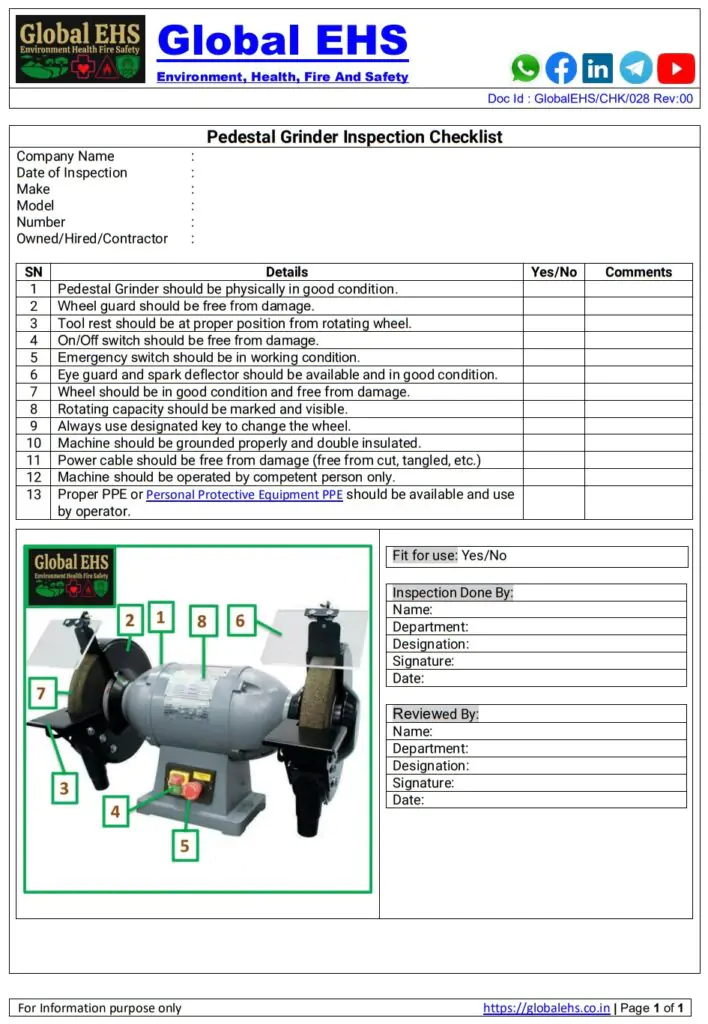
Skipping proper inspection before firing up your table grinder turns routine maintenance into a potential disaster waiting to happen. Most serious grinder injuries stem from overlooked flaws that would have been obvious with a 60-second visual check. Taking these critical steps before every use creates a safety net that catches problems before they catch you.
Identify Dangerous Wheel Defects Before Operation
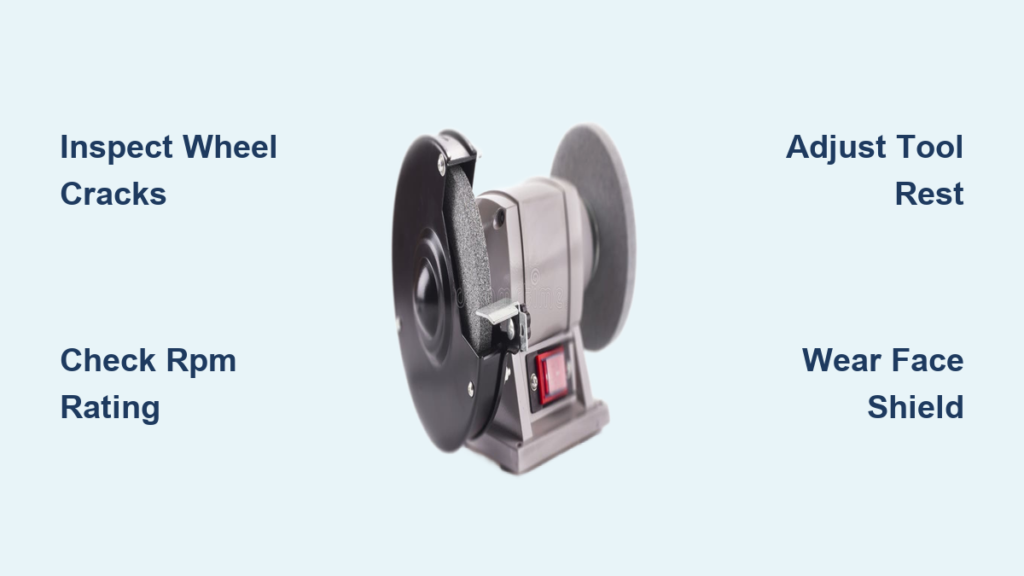
Your grinding wheel’s integrity determines whether your session ends with a perfectly sharpened tool or a trip to the emergency room. Begin by rotating the wheel slowly while examining it under good lighting, looking for hairline cracks, chips along the edge, or any irregular surface patterns. Even microscopic fractures become catastrophic failure points when spinning at thousands of RPM.
Perform the ring test by gently tapping the wheel with a plastic or wooden handle—never metal. A sound wheel emits a clear, high-pitched tone that resonates for a second or two. Damaged wheels produce a dead thud with no ring, indicating internal structural compromise. If you hear anything less than a clean ring, replace the wheel immediately regardless of how good it looks visually.
Match Wheel Specifications to Your Grinder Exactly
Using a wheel rated for lower RPM than your grinder’s maximum speed creates explosive potential that sends razor-sharp fragments flying at bullet-like velocities. Locate the wheel’s maximum RPM rating stamped on its label, then verify it exceeds your grinder’s operating speed. Never assume compatibility—wheel manufacturers print these ratings for life-saving reasons.
Check the wheel’s arbor hole size against your grinder’s spindle diameter. An improperly sized wheel wobbles dangerously during operation, creating vibration that stresses both the wheel and machine components. When in doubt, consult your grinder’s manual for approved wheel specifications rather than guessing what might fit.
Verify Guard Position and Tool Rest Alignment
Safety guards serve as your primary defense against flying debris and wheel fragments, yet many operators remove them for “better visibility.” Never operate without the guard properly installed and adjusted to cover at least 90 degrees of the wheel’s circumference. Position the guard so the opening faces away from you, directing sparks and debris downward toward the floor.
The tool rest must sit no more than 1/8 inch from the wheel’s surface when the grinder is off. During operation, this minimal gap prevents workpieces from catching and being violently thrown toward you. Check that the rest locks securely in position—vibration during use can gradually loosen adjustment knobs, creating dangerous gaps over time.
Non-Negotiable Protective Gear for Grinder Operations

Many experienced operators skip proper protection for “quick jobs,” not realizing most grinder accidents happen in the first 30 seconds of operation. The right safety equipment creates critical barriers between you and hazards that move faster than your reflexes can respond.
Eye Protection That Actually Stops High-Velocity Particles
Safety glasses alone won’t protect against grinding hazards—wheel fragments and metal particles travel at speeds exceeding 150 miles per hour, easily penetrating standard eyewear. ANSI Z87.1+ rated safety glasses with side shields form your minimum protection, but add a full-face polycarbonate shield for comprehensive coverage. The shield should sit at least 1/2 inch from your face to prevent particles from ricocheting behind it.
When grinding materials that produce significant sparks like steel or iron, consider tinted face shields that reduce glare while maintaining visibility. Replace scratched or pitted shields immediately—they compromise visibility and structural integrity during impact.
Clothing and Hand Protection That Won’t Get Caught
Loose clothing represents one of the most overlooked table grinder safety risks in workshops. Roll up shirt sleeves completely, remove dangling jewelry, and secure long hair under a cap before approaching the machine. Wear close-fitting, flame-resistant materials like leather aprons when working with spark-intensive materials.
Never wear gloves while operating the grinder—loose fabric can catch in rotating components, pulling your hand into the wheel within milliseconds. Use pliers or specialized grinding jigs for small workpieces instead of attempting to hold them with gloved hands. If you must handle hot materials after grinding, keep heat-resistant gloves nearby but away from the operation area.
Precision Grinding Techniques That Eliminate Kickback
Most grinder accidents occur when workpieces catch and violently throw toward the operator—a preventable outcome when using proper technique. Mastering these fundamental approaches transforms potentially dangerous operations into controlled, predictable processes.
Maintain Correct Body Position and Pressure
Stand to the side of the wheel rather than directly in front of it, positioning your body outside the potential path of thrown debris. Keep your feet shoulder-width apart for stability, and maintain a firm two-handed grip on larger workpieces. Apply consistent, moderate pressure to the workpiece—excessive force causes wheel loading and dangerous vibration.
For small items under 3 inches, use a vise or specialized grinding jig rather than attempting manual control. The momentary convenience of hand-holding tiny pieces isn’t worth permanent finger damage when the wheel catches unexpectedly.
Control Spark Direction and Heat Buildup
Move workpieces across the wheel in smooth, continuous motions rather than holding them stationary. Concentrated contact in one spot creates intense heat that can cause thermal shock in the workpiece and wheel. Maintain a slight oscillating motion to distribute wear evenly across the wheel surface.
Direct sparks downward whenever possible by adjusting your work angle—never position yourself where sparks fly toward your body or flammable materials. Keep a dry chemical fire extinguisher within immediate reach when grinding spark-intensive materials near combustibles.
Emergency Response Plans for Grinder Accidents
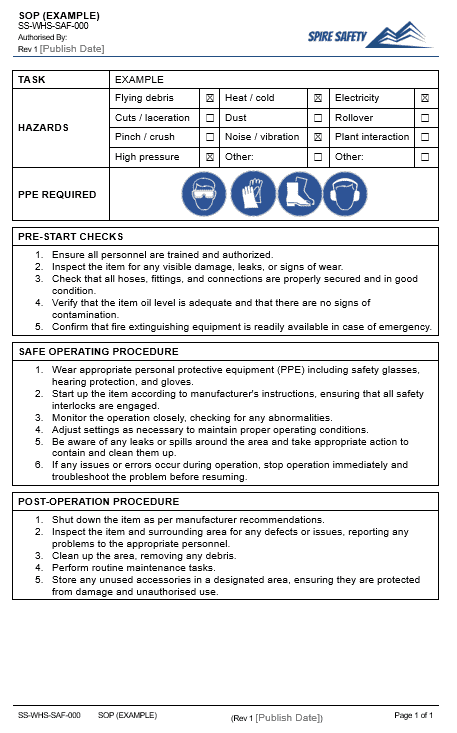
Despite perfect precautions, wheel failures and other emergencies can still occur. Knowing exactly how to respond in the critical first seconds after an incident minimizes injury severity and prevents secondary accidents.
Immediate Actions for Wheel Failure
If the wheel shatters during operation, move away from the machine first—do not attempt to reach for the power switch. Distance provides critical protection from flying fragments that continue traveling after power disconnection. Once clear of the immediate area, shut off power and assess injuries before approaching the machine again.
For eye injuries, resist rubbing the affected eye and seek immediate medical attention—even seemingly minor particles can cause serious damage. Cover both eyes to prevent movement while traveling to emergency care, as eye movement can worsen embedded fragments.
Fire Response Specific to Grinding Operations
Keep a Class ABC fire extinguisher within arm’s reach of your grinder station, mounted where it won’t get covered by dust buildup. For small fires, use the PASS technique: Pull the pin, Aim at the base of flames, Squeeze the handle, and Sweep side to side.
Never use water on grinding-related fires—metal particles often remain molten for minutes after extinguishing, and water can cause explosive steam reactions with hot metals. Evacuate immediately if flames spread beyond the immediate work area.
Proper table grinder safety isn’t about fear—it’s about respect for a powerful tool’s capabilities and hazards. By implementing these specific inspection routines, protective measures, and operational techniques before every use, you transform potential danger into reliable performance. The few extra minutes spent ensuring everything is correct before operation pay dividends in both safety and results. Make these practices habitual, and your grinder will serve you safely for years to come—producing professional results without compromising your well-being. Remember: no project is so urgent that it can’t wait for proper safety preparation. Your future self will thank you when you finish the job with both productivity and protection intact.