
When your grinding wheel starts producing excessive heat, poor surface finishes, or fails to remove material efficiently, the solution isn’t always replacing the wheel—it’s proper dressing grinder wheel maintenance. Glazed or loaded wheels significantly reduce cutting performance, forcing you to work harder while creating inferior results. The dressing process restores your wheel’s cutting efficiency by removing dulled abrasive particles, reshaping worn surfaces, and exposing fresh sharp abrasives ready for effective material removal. Whether you’re a professional machinist or home workshop enthusiast, understanding how to properly dressing grinder wheel surfaces directly impacts your work quality, safety, and equipment longevity.
This guide provides practical information on recognizing when dressing is needed, selecting the right tools for your specific application, and executing proper dressing techniques for consistent, professional results. You’ll discover how the right dressing approach can extend your wheel’s life while improving surface finishes on your workpieces.
Identify Critical Signs Your Grinding Wheel Needs Immediate Dressing
Glazing represents the most common indicator that your wheel requires dressing. This occurs when the abrasive particles become dulled and compacted rather than cutting effectively, creating a shiny, polished appearance on the wheel surface. When you press material against a glazed wheel, you’ll notice excessive heat generation, burning instead of clean material removal, and significantly reduced cutting efficiency that makes even simple tasks take much longer than necessary. Glazing happens most frequently when grinding hard materials or using improper feed rates.
Loading presents another critical warning sign, particularly when working with soft metals like aluminum or copper. This occurs when workpiece material becomes embedded in the wheel’s porous surface, filling the spaces between abrasive grains. A loaded wheel drags across your workpiece rather than cutting it, creating inconsistent finishes and potentially causing dangerous vibration that damages both the wheel and your workpiece. You’ll notice the wheel appears darker and smoother than normal, with reduced spark generation during operation.
Out-of-true wheels display visible wobble during rotation or produce inconsistent contact with your workpiece. This condition creates uneven wear patterns and prevents achieving precise dimensions on your workpieces. Regular dressing restores proper wheel geometry, ensuring consistent contact across the entire grinding surface. If you hear unusual grinding noises or feel excessive vibration during operation, your wheel almost certainly needs dressing before continuing work.
Match Dressing Tools to Your Specific Grinding Wheel Type
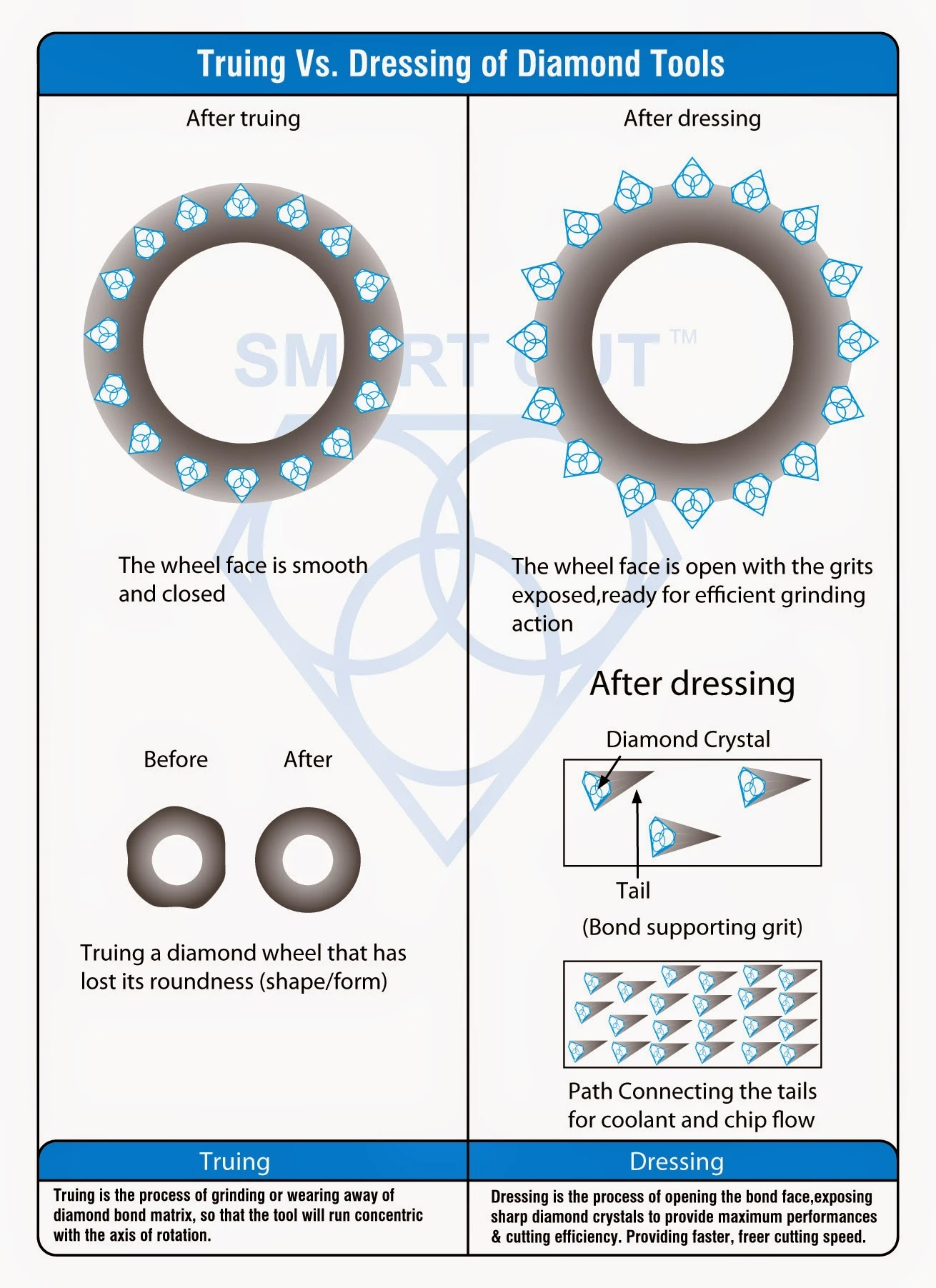
Diamond dressers deliver superior results for vitrified, resinoid, and metal-bonded wheels across virtually all abrasive types. The ATLIN Grinding Wheel Dressing Tool offers both 36 Grit and 120 Grit diamond options in one package for $14.99, with the coarser grit removing material rapidly for aggressive reshaping while the finer grit produces superior surface finishes. Single-point diamond dressers like the PRAZTECH model ($17.28) feature a 2.00 carat tapered diamond point for precision wheel shaping in critical applications.
Star-style dressers provide excellent value for general bench grinder maintenance. The Grinding Wheel Dresser with 24PCS Star Blades ($14.99) includes multiple replacement blades that extend service life significantly, making it ideal for workshops requiring regular maintenance. These tools feature multiple hardened steel blades arranged in a star pattern that automatically presents fresh cutting edges as they wear. The balanced cutting action effectively corrects wobble while removing glazed material quickly.
Stick dressers offer simplicity for light-duty applications. The Norton Abrasives Dressing Tool Stick ($7.99) achieves an impressive 4.7 out of 5 stars from over 1,100 customers, proving that straightforward design delivers reliable results. These products work by pressing the stick against the rotating wheel with moderate hand pressure. While economical and easy to use, stick dressers work best with conventional aluminum oxide wheels rather than harder silicon carbide or specialty abrasives.
Execute Proper Dressing Technique for Consistent Results
Begin dressing only after ensuring your grinder is firmly mounted and the wheel rotates at normal operating speed. Hold your dresser firmly with both hands, positioning the cutting face against the wheel at a 5 to 10 degree angle from perpendicular—this prevents aggressive digging while maintaining effective material removal. Apply steady, moderate pressure while moving the dresser across the wheel surface in a slow, controlled arc pattern from one side to the other.
Listen carefully to the dressing process—consistent, moderate cutting sounds indicate proper operation, while excessive noise or vibration suggests either too much pressure or a wheel requiring more extensive correction. For star-style and stick dressers, overlap each pass slightly to ensure uniform dressing across the entire wheel face. Avoid holding the dresser in one position too long, as this creates depressions rather than maintaining proper cylindrical geometry.
After completing the dressing process, allow the wheel to coast down naturally before stopping the grinder. The freshly dressed surface performs optimally immediately after dressing, as newly exposed abrasive grains deliver maximum cutting efficiency. Make a few light passes on a test piece before beginning critical work, as this clears any remaining loose material from the dressing process.
Implement Essential Safety Practices During Wheel Dressing
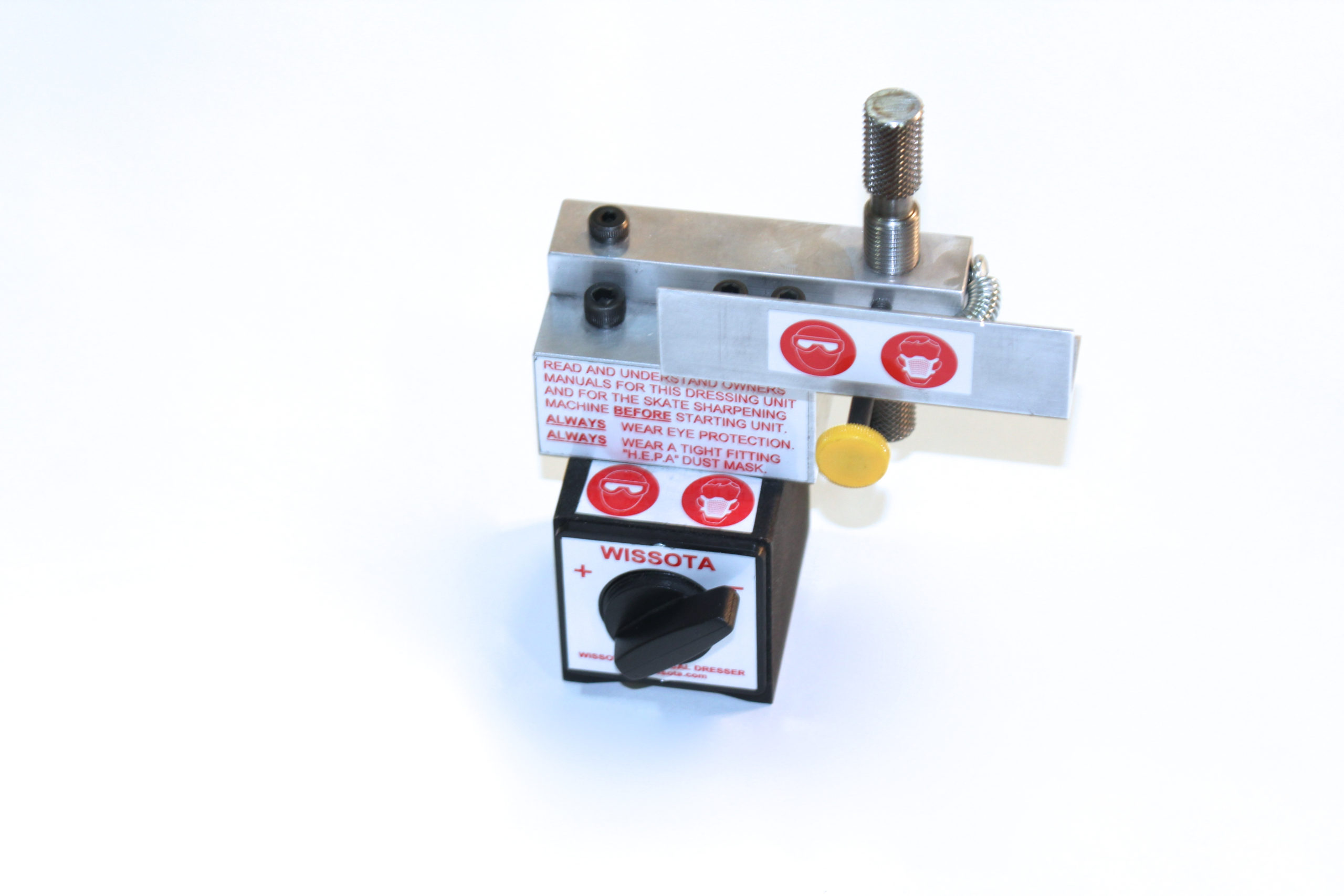
Always wear safety glasses or a face shield during dressing operations to protect against flying abrasive particles. A dust mask proves advisable, especially when dressing wheels used with materials that generate hazardous dust. Secure the dresser firmly before engaging the wheel to prevent it from being caught and thrown by the rotating surface—never use a damaged or worn dresser as loose components can become dangerous projectiles.
Position yourself to the side of the wheel rather than directly in front of potential ejection paths, keeping your hands clear of the wheel’s plane of rotation. Ensure the grinder is properly grounded and the wheel is rated for the operating speed before beginning any maintenance. After dressing, inspect the wheel surface for irregularities before returning it to service, as the dressing process sometimes reveals hidden damage requiring wheel replacement.
Establish Preventive Maintenance Schedule for Longer Wheel Life
Rather than waiting for obvious performance degradation, create a regular dressing schedule based on your usage frequency. Light-duty workshop use may require dressing only monthly, while production environments might need daily attention to maintain optimal conditions. Regular dressing prevents the extreme wear that leads to premature wheel replacement.
Store wheels in a dry environment away from temperature extremes that could affect wheel bonding. Handle wheels carefully during installation and removal to avoid impacts that create internal stresses. Diamond dressers, while more expensive initially, typically outlast multiple conventional dressers while delivering better results—making them more economical over time for frequent users.
Select Cost-Effective Dressing Tools Within Your Budget

The grinding wheel dresser market accommodates every budget while maintaining essential functionality. Economy options under $10 include the T-shaped heavy-duty stone dresser ($6.59) and Norton stick ($7.99), with several achieving customer satisfaction ratings matching more expensive alternatives. The POWERTEC dresser ($7.99) maintains an impressive 4.6-star rating from over 2,100 customers, proving affordability need not compromise performance.
Mid-range products between $10-$25, like the ATLIN dual-grit diamond dresser ($14.99), offer enhanced durability and precision for serious hobbyists and professionals. Premium tools above $25, such as the Desmond Huntington #0 ($29.50) and Forney 10-1/2 inch model ($31.33), target industrial applications where specific requirements justify higher investment.
Regular dressing grinder wheel maintenance transforms your grinding operations by restoring cutting efficiency, improving surface finishes, and extending wheel service life. The investment in appropriate dressing tools and consistent technique pays dividends in predictable results and reduced operating costs. Keep your dressing tools readily accessible and develop consistent habits—whether you choose diamond, star-style, or stick dressers, proper dressing grinder wheel care ensures your grinding equipment performs at its best for years of productive service.