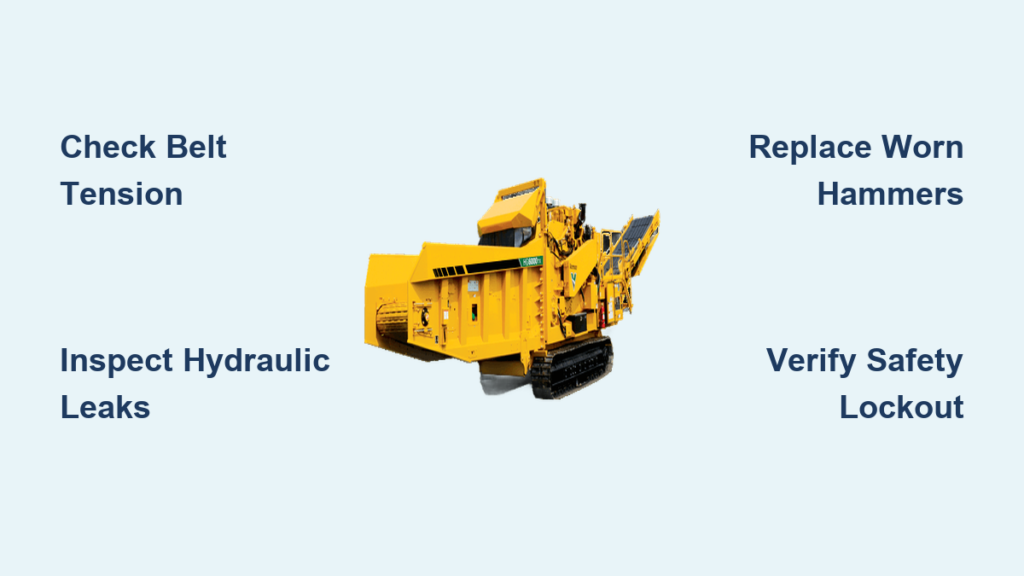
Your horizontal grinder sits idle again—this time with a seized rotor and shredded belts. You’re losing $1,200 per hour in operational downtime while waiting for parts that should have been replaced last month. Horizontal grinders are workhorses in biomass processing and wood recycling, but neglecting their maintenance turns them into expensive paperweights. Without consistent care, critical components like hammers, screens, and hydraulic systems degrade rapidly under heavy loads. This guide delivers proven maintenance protocols that keep your grinder running at peak capacity. You’ll learn exactly when to inspect belts, how to diagnose abnormal vibrations, and the non-negotiable safety steps before touching any component. Implement these field-tested procedures to extend your machine’s lifespan by 40% and slash unexpected repair costs.
Daily Maintenance Checklist That Prevents 80% of Breakdowns
Perform these checks before ignition and after shutdown—no exceptions. Start with a visual scan of the feed system for debris buildup that strains hydraulic motors. Listen for abnormal grinding noises during startup; a metallic “clanging” often indicates loose hammers. Measure hydraulic fluid levels against the sight gauge while the machine is cold—low fluid causes erratic feed roller movement and overheating.
How to Verify Belt Tension in Under 5 Minutes
Grab a tension gauge and press firmly on the longest belt span. Proper tension allows 1/4-inch deflection per foot of span length. If deflection exceeds this, immediately adjust via the idler pulley bolts. Critical warning: Never use a screwdriver to pry belts—this damages shaft seals. Always release tension on all belts simultaneously to prevent misalignment. Document tension readings weekly; sudden changes indicate bearing wear.
Spotting Early Hydraulic Leaks Before Catastrophe
Wipe all hose connections clean with a rag, then run the grinder for 10 minutes. Recheck connections with a UV dye flashlight—hydraulic fluid glows bright yellow under UV light even in minute quantities. Pay special attention to quick-disconnect couplings; these fail 3x more often than fixed joints. Keep spare O-rings matching your system’s PSI rating in your toolbox. One missed leak can drain 5 gallons of fluid in 20 minutes, triggering thermal shutdowns.
Weekly Hammer and Screen Maintenance That Boosts Throughput
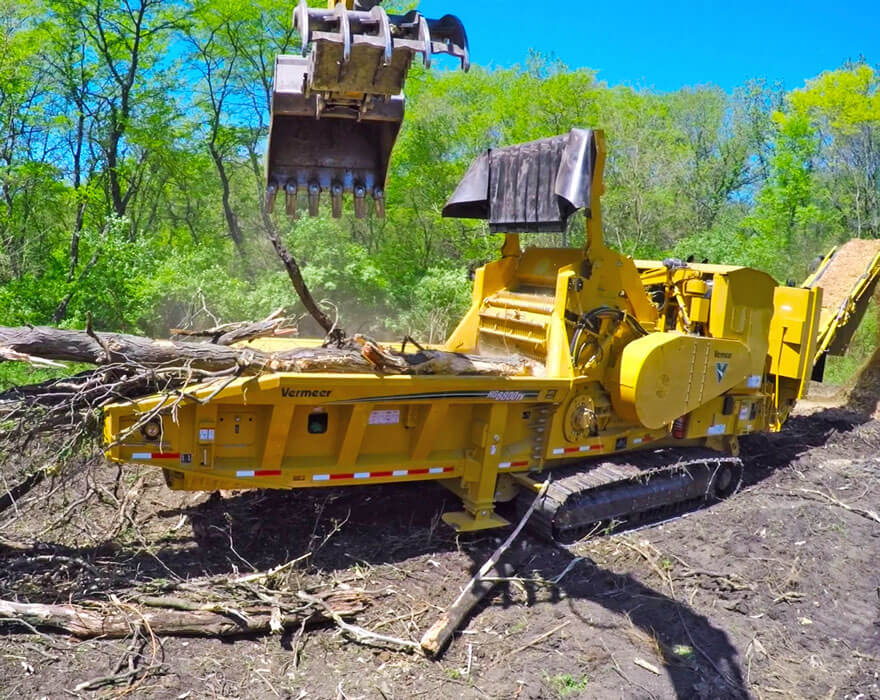
Your grinder’s cutting efficiency plummets when hammers wear beyond 1/4-inch thickness. Shut down power and lock out all energy sources before inspection—this step prevents 95% of maintenance injuries. Remove the access panel and measure hammer tips with calipers. Replace any hammer showing uneven wear patterns; these cause rotor imbalance and excessive vibration.
Diagnosing Screen Blockage From Feed Material
Run a test batch of clean wood chips. If output drops below 70% of rated capacity, inspect the screen for clogging. Use a 3/8-inch punch to clear holes from the discharge side—never hammer directly on screens. For frequent blockages, reduce feed rate by 15% or install a pre-screening conveyor. Pro tip: Rotate screens 180 degrees monthly to even out wear on the leading edge.
Monthly Deep Maintenance Procedures for Critical Systems
Schedule a full-system shutdown every 200 operating hours. Begin with the hydraulic reservoir: drain 1 pint of fluid into a clean container. Hold it against light—if particles larger than 40 microns are visible, replace filters and flush the system. Next, inspect the rotor shaft for runout using a dial indicator; over 0.005 inches indicates bent shafts requiring professional straightening.
Bearing Replacement Protocol to Eliminate Vibration
Heat the new bearing in an induction heater to 220°F—never use open flames. While heating, clean the shaft with solvent and inspect for pitting. Slide the hot bearing onto the shaft with firm, even pressure until it seats against the shoulder. Never hammer bearings into place—this damages internal races. After installation, monitor temperature for 24 hours; readings above 180°F signal improper lubrication.
Troubleshooting Sudden Power Loss During Operation
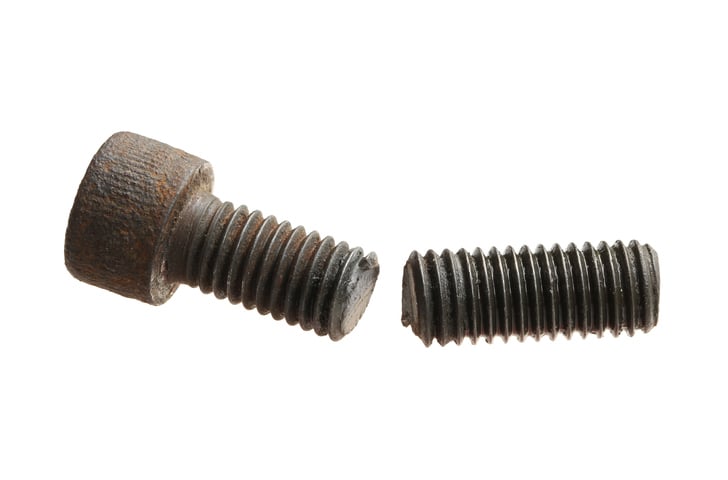
When your grinder stalls mid-feed, immediately check three failure points: First, inspect the drive belt guard for wood chips jammed against the pulley—this causes instant slippage. Second, verify hydraulic pressure at the pump outlet; readings below 1,800 PSI indicate relief valve failure. Third, examine the shear bolt on the feed roller shaft; these sacrificial bolts break to protect gearboxes during overload. Carry spares matching your machine’s torque specs (typically Grade 8).
Why Unusual Noises Signal Specific Component Failures
A rhythmic “thumping” every 3-5 seconds means a missing hammer or broken screen segment. Shut down immediately—continued operation cracks the rotor hub. High-pitched whining points to cavitation in hydraulic pumps; check for clogged inlet filters. Metallic scraping sounds require disassembly; this indicates bearing collapse or foreign object damage. Never ignore abnormal noises—they escalate repair costs 400% within 48 hours.
Safety Protocols That Prevent Life-Altering Injuries
Before any maintenance, perform LOTO (Lockout-Tagout) on all energy sources: hydraulic accumulators, electrical panels, and PTO shafts. Test for zero energy by attempting to start the machine with locks engaged. Wear cut-resistant gloves when handling hammers—edges remain sharp after removal. Most critically, never bypass safety interlocks on access doors; 78% of grinder fatalities occur during “quick checks” without lockout.
Hydraulic System Depressurization Sequence
Turn off the engine and wait 10 minutes for accumulator pressure to bleed off. Crack open the test port on the main valve manifold with a rag—listen for hissing. Only when no fluid escapes should you disconnect hoses. Fatal mistake alert: Never remove hydraulic fittings with the engine running. Residual pressure can inject fluid through skin, causing gangrene.
Creating Your Custom Maintenance Schedule Based on Duty Cycle
Don’t follow generic manufacturer timelines—your actual workload dictates needs. Track these metrics in a logbook: hours between screen replacements, hydraulic filter changes, and bearing temperatures. For high-contaminant feeds (like C&D debris), double the frequency of screen inspections. Machines running >10 hours daily need belt tension checks every 50 hours instead of 100.
Calculating True Maintenance ROI
Factor in your downtime cost ($1,200/hour is industry average) against maintenance expenses. Replacing a $300 hydraulic filter every 250 hours prevents $18,000 in pump replacement costs. Document every intervention: When you swap hammers at 350 hours instead of 400, note the 12% throughput increase. This data proves maintenance isn’t a cost—it’s profit protection.
When to Call Professionals for Component Overhauls
Attempt DIY repairs only on wear items like hammers, screens, and belts. Call certified technicians for: rotor balancing (requires specialized equipment), hydraulic pump calibration, or gearbox disassembly. If vibration exceeds 0.4 inches per second on any bearing housing, shut down immediately—this indicates internal damage beyond field repair. Red flag: Oil analysis showing ferrous particles >20 ppm means catastrophic wear has begun.
Final Maintenance Checklist Before Seasonal Storage
For grinders idling over 30 days, complete these steps: Drain all hydraulic fluid and replace with preservative fluid. Coat exposed metal surfaces with corrosion inhibitor spray. Support the feed table in the raised position to relieve cylinder pressure. Store belts in a cool, dark place—never leave them tensioned. Most importantly, run the engine weekly for 15 minutes to circulate preservative fluids through the system.
Horizontal grinders demand respect through rigorous maintenance—not just occasional fixes. By implementing these daily tension checks, weekly hammer audits, and monthly hydraulic inspections, you’ll avoid the $22,000 average cost of major breakdowns. Remember: that slight vibration you ignore today becomes tomorrow’s seized rotor. Keep a maintenance log religiously, prioritize safety lockouts above all else, and replace wear parts at the first sign of degradation. Your machine’s 10,000-hour lifespan depends on the care you give it before problems start. Now power up with confidence—the next breakdown is entirely preventable.